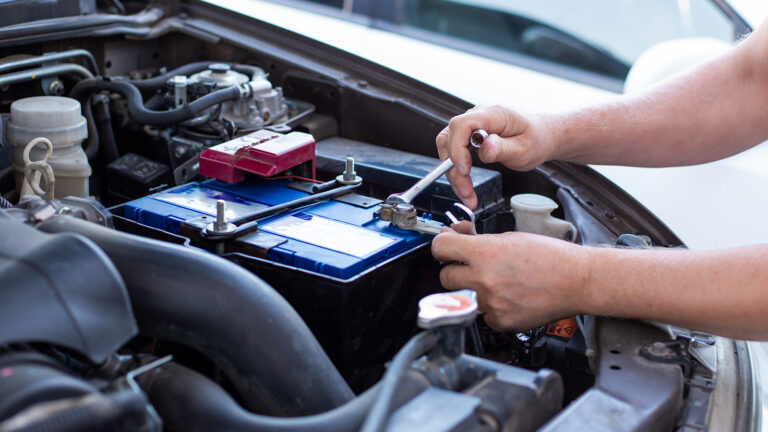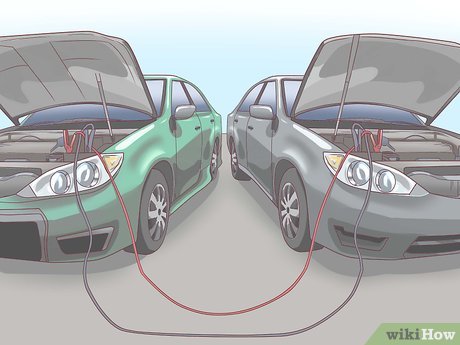
To charge a car battery, connect a compatible charger, choose the right setting, and let it recharge safely.
Learning how to charge a car battery is a useful skill for any driver. A flat battery can leave you stuck at home, at work, or in a cold parking lot. With the right charger, safe connections, and a little patience, you can often restore the battery without replacing it. This guide explains the process in simple steps, including charging times, safety tips, battery types, and common mistakes to avoid.
What Does Charging a Car Battery Mean?
Charging a car battery means sending electrical energy back into the battery. The charger changes household AC power into the low-voltage DC power that the battery stores.
Most gasoline and diesel cars use a 12-volt lead-acid battery. A healthy battery often measures about 12.6 volts when the engine is off. A reading near 12.0 volts usually means the battery is deeply discharged.
The alternator charges the battery while the engine runs. However, the alternator is not always the best tool for restoring a fully flat battery. A battery charger gives the battery a slower and more controlled charge.
Knowing how to charge a car battery can help when:
• The car will not start
• The headlights were left on
• The vehicle has been parked for several weeks
• The battery loses power in cold weather
• The battery needs regular maintenance
A jump-start may get the engine running, but it does not fully charge the battery. After a jump-start, use a battery charger or drive long enough for the alternator to restore some power.
Safety Checks Before You Charge a Car Battery
Before you learn how to charge a car battery, check the battery and the charging area. Battery charging creates small amounts of hydrogen gas. This gas can catch fire near a spark or open flame.
Charge the battery in a well-ventilated area. A garage door should remain open, and smoking should be avoided. Keep sparks, candles, heaters, and flames away from the battery.
Wear safety glasses and gloves if possible. Battery acid can irritate skin and damage clothing. Do not touch your face while handling the battery.
Stop if the battery is:
• Cracked or leaking
• Swollen or badly deformed
• Frozen
• Hot to the touch
• Producing a strong rotten-egg smell
A frozen battery can explode when charged. If the battery may be frozen, let it warm naturally in a safe place. Do not use a heater or hair dryer to thaw it.
Check your owner’s manual before disconnecting the battery. Some modern vehicles may lose radio settings, window settings, or computer memory. Certain vehicles also require a battery management system reset after battery replacement.

What You Need to Charge a Car Battery
You do not need a large tool collection. The most important item is a charger that matches the battery and vehicle.
Gather these items:
• A 12-volt battery charger
• Safety glasses
• Protective gloves
• A clean, dry work area
• A wrench, if battery removal is required
• A voltmeter or multimeter, if available
There are several types of battery chargers.
Trickle chargers
A trickle charger sends a small, steady current to the battery. It works well for vehicles stored for long periods, such as classic cars, motorcycles, and seasonal vehicles.
A basic trickle charger may continue charging after the battery is full. For this reason, follow the instructions carefully. A smart maintainer is often safer for long-term use.
Smart chargers
A smart charger checks the battery’s voltage and adjusts the current. It can slow down or stop charging when the battery reaches full capacity.
For most drivers, a smart charger is the best choice. It reduces the chance of overcharging and often supports standard, AGM, and gel batteries.
Fast chargers
A fast charger adds power quickly. It can be useful in a repair shop, but high current creates more heat and stress.
Use fast charging only when the battery and charger support it. For normal home use, a slower charge is usually kinder to the battery.
Portable jump starters
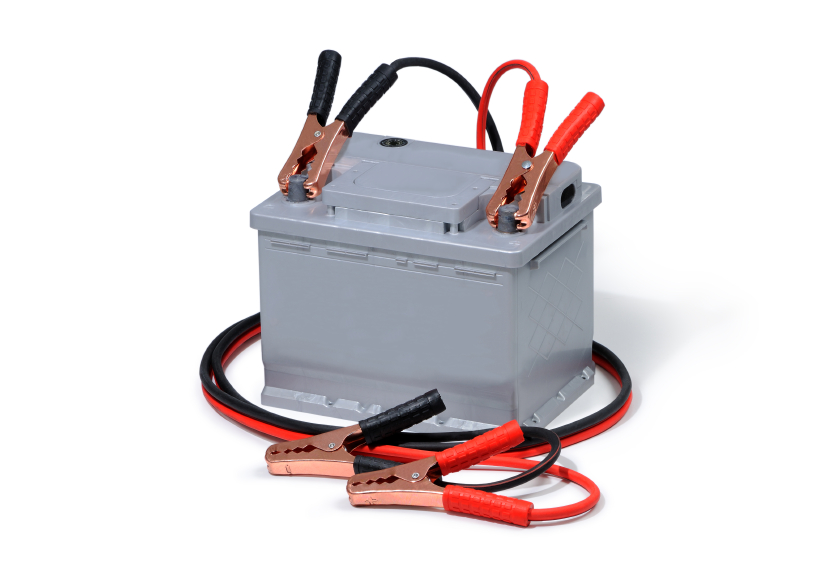
A portable jump starter is not the same as a battery charger. It gives the car enough power to start the engine, but it may not restore the battery fully.
If you use a jump starter, charge the battery afterward. This is an important part of understanding how to charge a car battery correctly.
How to Charge a Car Battery Step by Step
The safest method is to charge the battery while it remains installed, unless the vehicle manual says otherwise. Follow these steps carefully.
1. Turn off the vehicle
Park on a level surface. Turn off the engine, lights, radio, climate control, and other electrical devices.
Remove the key from the ignition. Keep the charger away from moving engine parts, water, and extreme heat.
2. Find the battery and inspect the terminals
Locate the battery under the hood or in another approved location. Some vehicles place the battery in the trunk or beneath a seat.
Look for corrosion on the terminals. White, blue, or green buildup can reduce electrical contact. Clean light corrosion with a battery terminal brush. Do not use excessive force.
If the battery is damaged, stop. Charging a damaged battery is unsafe.
3. Set the charger voltage
Set the charger to 12 volts. Do not use a 24-volt setting on a normal passenger car battery.
Some chargers have settings for flooded lead-acid, AGM, gel, or lithium batteries. Choose the setting that matches the battery label.
AGM batteries often require a special charging mode. Using the wrong mode may reduce battery life or cause an unsafe charge.
4. Turn the charger off
Make sure the charger is unplugged or switched off before connecting the clamps. This helps prevent sparks near the battery.
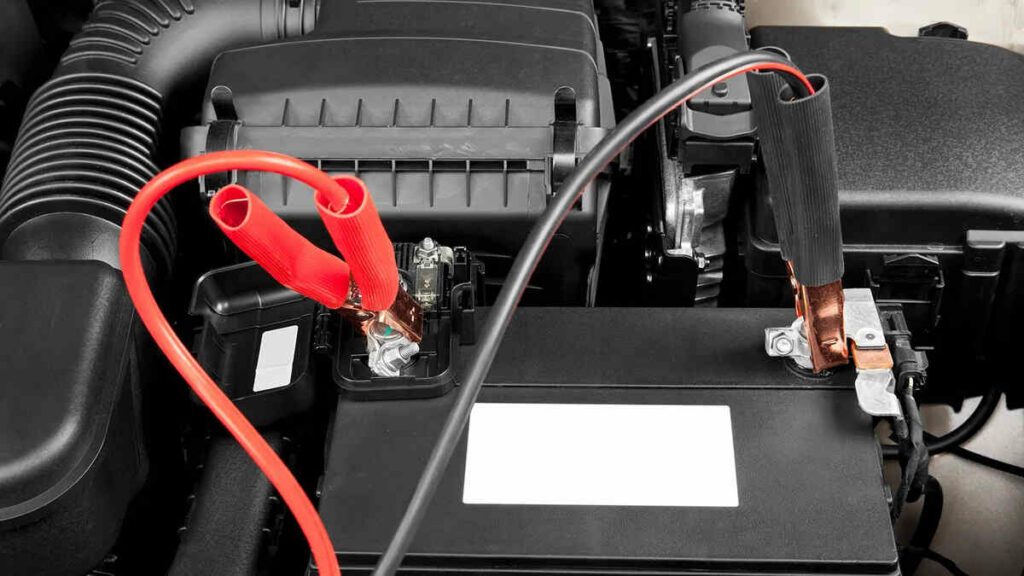
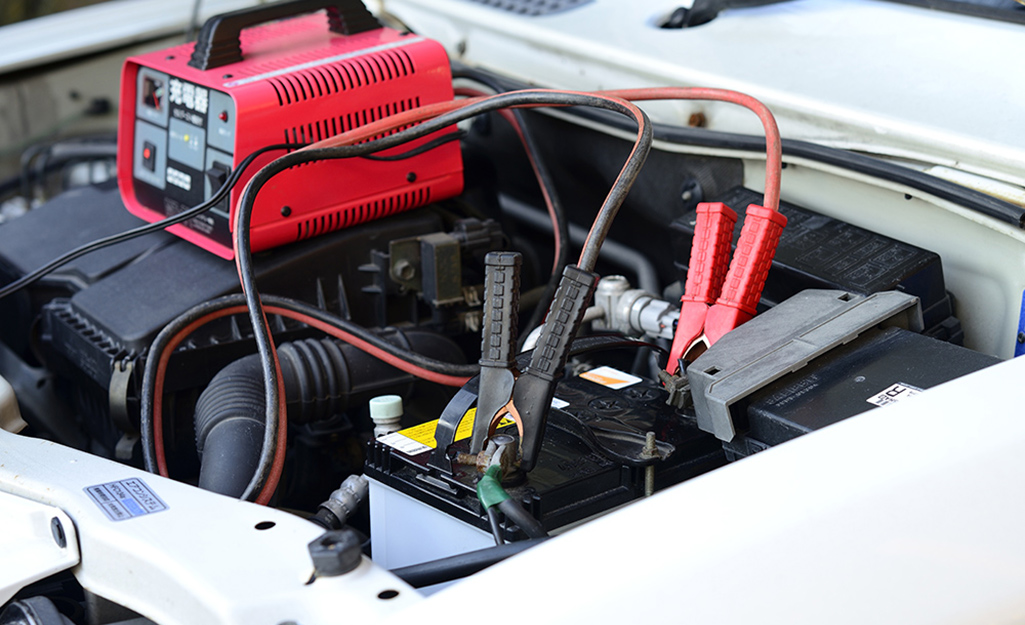
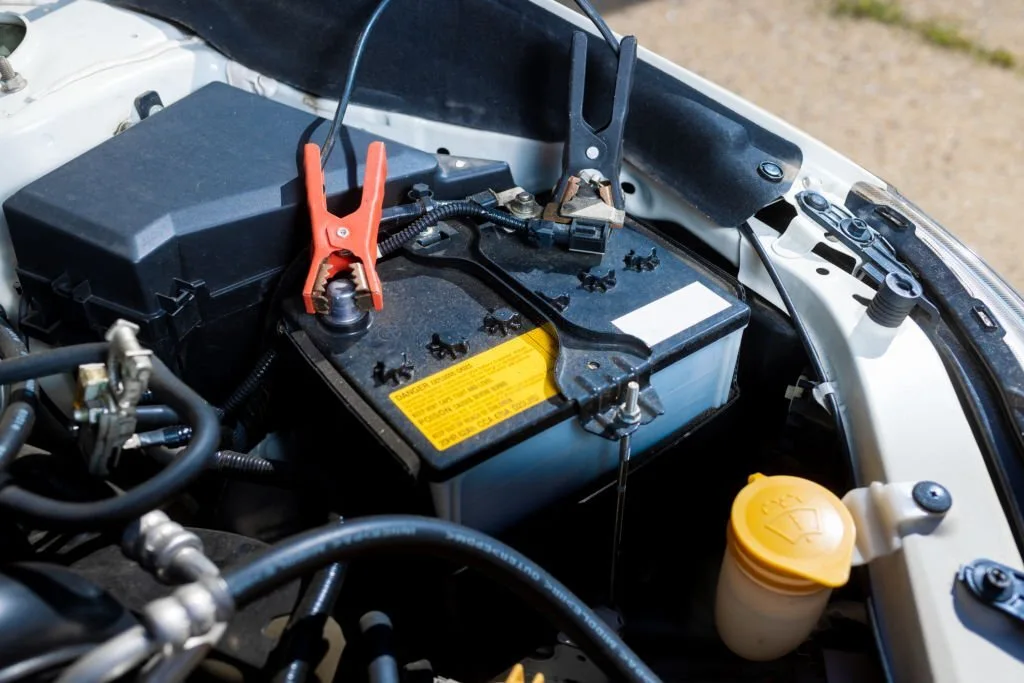
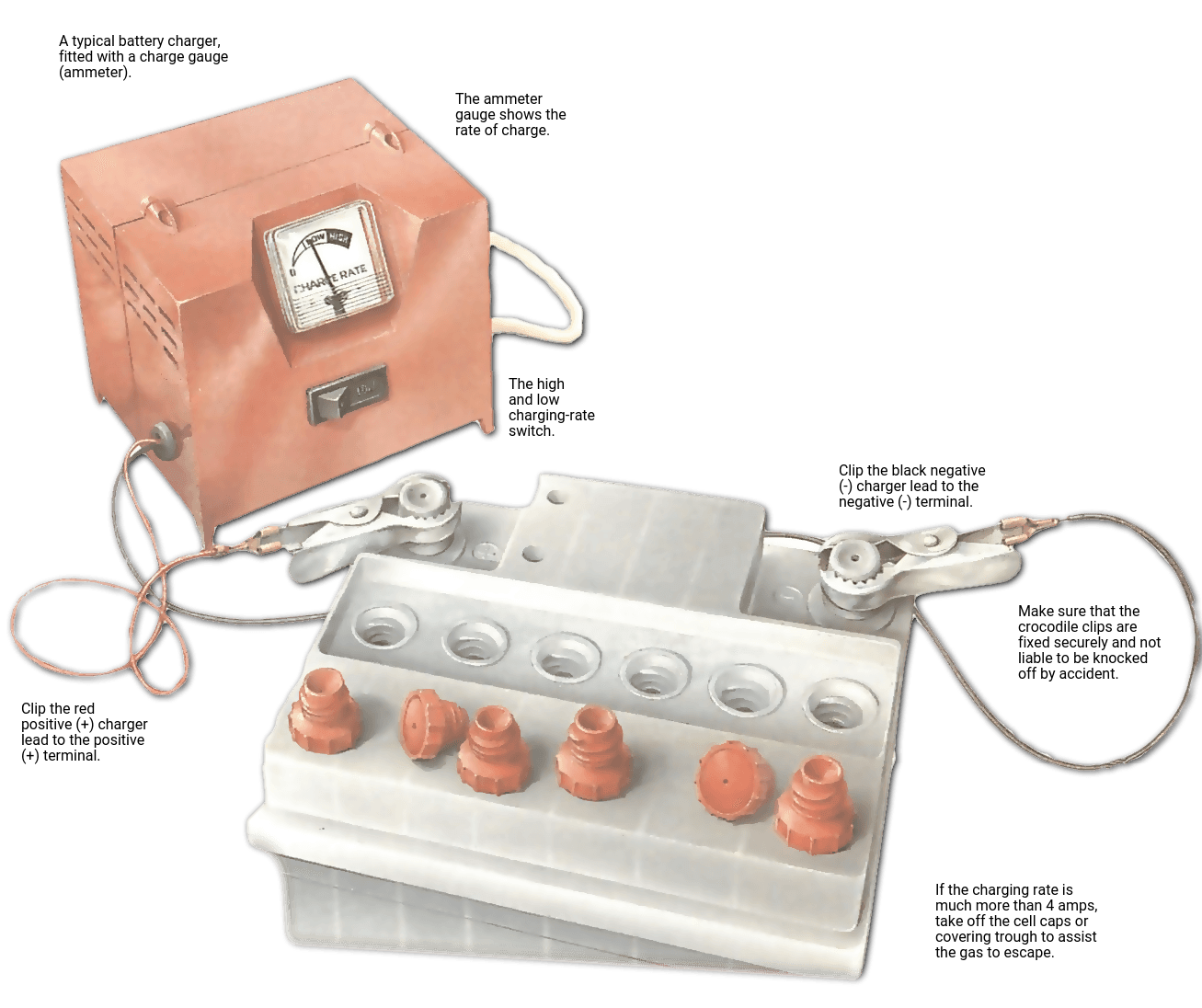
5. Connect the positive clamp
Attach the red or positive clamp to the battery’s positive terminal. The positive terminal usually has a plus sign and may have a red cover.
Make sure the clamp grips clean metal. A loose clamp can heat up or stop the charging process.
6. Connect the negative clamp
Attach the black or negative clamp to a solid metal ground point on the vehicle. A clean, unpainted bolt on the engine block or chassis is often suitable.
Some vehicle makers allow the negative clamp to connect directly to the negative battery terminal. Always follow the vehicle manual when it gives a specific grounding point.
Using a vehicle ground can keep a small spark farther from the battery gases.
7. Start the charging process
Plug in the charger or switch it on. Select a low or moderate charging rate unless the battery maker gives different instructions.
A common home setting is 2 to 10 amps. Lower amperage takes more time but creates less heat. Higher amperage charges faster but requires closer attention.
8. Monitor the charger and battery
Check the charger display from time to time. The voltage should rise gradually, and the battery should remain cool or only slightly warm.
Stop charging if the battery becomes hot, swells, leaks, or makes loud bubbling sounds. Mild bubbling may occur with some flooded batteries, but heavy bubbling is a warning sign.
9. Turn off the charger before removing the clamps
When the charger shows a full charge, turn it off and unplug it. Do not remove the clamps while the charger is still supplying power.
Remove the negative clamp first. Then remove the positive clamp. Keep the clamps from touching each other.
10. Test the battery
Wait several minutes, then test the battery with a multimeter if you have one. A fully charged 12-volt lead-acid battery often reads close to 12.6 volts after resting.
Start the vehicle and check that it cranks normally. If the battery quickly loses power again, the battery may be worn out or the vehicle may have an electrical drain.
The first time I walk someone through how to charge a car battery, I stress one small habit: slow down before connecting anything. Most charging mistakes happen because the clamps are attached in a hurry.
How Long Does It Take to Charge a Car Battery?
Charging time depends on the battery’s size, its current condition, and the charger’s output.
A simple estimate is:
Charging time = battery capacity in amp-hours ÷ charger output in amps
For example, a 60 amp-hour battery charged at 6 amps may need about 10 hours in ideal conditions. In real use, it may take longer because charging slows as the battery becomes full.
Typical times include:
• 2 amps: About 24 to 36 hours for a deeply discharged battery
• 6 amps: About 10 to 15 hours
• 10 amps: About 6 to 10 hours
• 20 amps: About 3 to 5 hours, depending on the battery and charger
These are estimates, not guarantees. A battery with internal damage may never reach full charge. A smart charger may also spend extra time checking and balancing the charge.
Do not rush the process by using the highest setting. A slow overnight charge is often safer and more complete than a short, aggressive charge.
Should You Disconnect the Battery Before Charging?
Many modern vehicles can be charged with the battery connected. This is often the easiest method, especially when the vehicle has sensitive electronic systems.
However, disconnecting the battery may be useful when:
• The battery is located in a difficult position
• The charger maker requires removal
• The vehicle manual gives specific instructions
• You need to clean the battery outside the vehicle
• The car has a suspected electrical problem
If you disconnect the battery, remove the negative cable first. When reconnecting it, attach the positive cable first and the negative cable last.
Some vehicles have battery sensors on the negative terminal. Do not bypass or damage these sensors. If you are unsure, use the manufacturer’s charging points or ask a qualified technician.
The safest answer to how to charge a car battery can vary by vehicle. A 1995 sedan and a new hybrid may use different systems, even though both have a 12-volt battery.
How to Charge Different Types of Car Batteries
Battery design matters. Check the label before choosing a charger setting.
Flooded lead-acid batteries
These are common traditional batteries. They may have removable caps, although many modern versions are sealed.
Keep the battery upright. Never open the caps unless the battery instructions allow it. Do not add tap water. If the battery requires water, use only the type specified by the maker.
AGM batteries
Absorbent glass mat, or AGM, batteries are common in cars with start-stop systems and many electrical features.
Use an AGM setting when available. AGM batteries can be damaged by the wrong charging voltage or excessive heat.
Gel batteries
Gel batteries use a thick electrolyte. They need a charger designed for gel batteries because excess voltage can cause permanent damage.
Lithium 12-volt batteries
Some vehicles use lithium batteries, but they require special chargers and safety controls. Do not charge a lithium battery with a standard lead-acid charger unless the battery maker specifically approves it.
Electric vehicles also use large high-voltage battery packs. The 12-volt accessory battery may be chargeable in a limited way, but the main drive battery should only be serviced with the correct equipment and training.
Common Mistakes to Avoid
Learning how to charge a car battery also means learning what not to do.
Avoid these mistakes:
• Connecting the clamps backward
• Using a 24-volt charger on a 12-volt battery
• Charging a cracked or swollen battery
• Charging in a closed room with poor airflow
• Leaving a basic charger connected for too long
• Using a fast-charge setting without checking the battery
• Touching the clamps together
• Starting the vehicle while the charger is not designed for that use
• Assuming a jump-start fully charges the battery
Reverse polarity can damage the battery, charger, and vehicle electronics. Many smart chargers have reverse-polarity protection, but you should never rely on that feature.
One mistake I have seen more than once is placing the charger on the engine while the hood is closed. Heat from the engine can raise the charger’s temperature. Keep the charger on a stable, dry surface with clear airflow.
What to Do if the Battery Will Not Charge
A battery that will not charge may have a deeper problem.
Possible causes include:
• An old or worn-out battery
• A bad cell
• Heavy corrosion
• A damaged charger
• A loose cable
• A parasitic electrical drain
• A faulty alternator
A fully charged battery should normally hold its voltage after resting. If the voltage drops sharply within hours or overnight, the battery may be failing.
You can test the charging system with a multimeter. With the engine running, many vehicles show about 13.7 to 14.7 volts at the battery. The exact range varies by vehicle, temperature, and charging system design.
Modern cars may use smart alternators that change voltage often. Therefore, one voltage reading does not always prove that the alternator is good or bad.
If the battery repeatedly goes flat, have the battery and charging system tested together. Replacing the battery without checking the alternator may only solve the problem for a short time.
How to Keep a Car Battery Healthy
Good battery care can reduce the need to charge a car battery.
Use these simple habits:
• Take longer drives when possible
• Avoid leaving lights or accessories on
• Clean corrosion from the terminals
• Check that the battery is firmly held in place
• Use a smart maintainer for seasonal vehicles
• Test the battery before winter
• Replace a weak battery before it leaves you stranded
Short trips can prevent the battery from recovering the energy used during starting. If you mostly drive for five or ten minutes, the battery may slowly lose charge.
Cold weather makes starting harder. Heat also speeds up battery aging, so battery life depends on climate, driving habits, and vehicle design.
A battery maintainer is useful for a car that sits for weeks. It keeps the charge near full without the repeated deep discharge that can shorten battery life.
Frequently Asked Questions About How to Charge a Car Battery
Can I charge a car battery without removing it?
Yes, many car batteries can be charged while installed. Connect the charger as directed, use the correct grounding point, and follow the vehicle manual.
How do I know when my car battery is fully charged?
A smart charger usually displays “full” or switches to maintenance mode. With a multimeter, a rested 12-volt lead-acid battery often reads close to 12.6 volts.
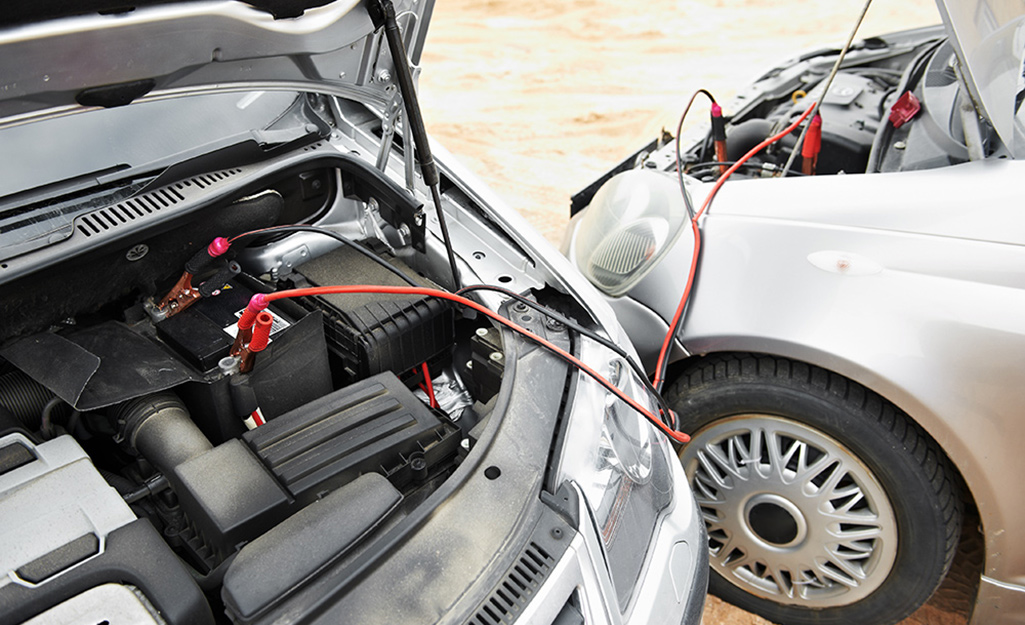
Can I charge a car battery with jumper cables?
Jumper cables transfer power from another battery so the engine can start. They do not provide a complete battery charge, so use a battery charger afterward.
Is it safe to charge a car battery overnight?
It can be safe with a suitable smart charger in a ventilated area. Do not leave a basic manual charger connected overnight unless the instructions specifically permit it.
Why does my car battery lose charge after charging?
The battery may be old, damaged, or affected by an electrical drain. A faulty alternator can also fail to recharge the battery while you drive.
Should I use 2 amps or 10 amps to charge my battery?
Two amps provide a slow, gentle charge, while 10 amps charge faster. Use the lowest practical setting that fits your time and the charger’s instructions.
Conclusion
Charging a car battery is simple when you use the right charger, correct connection order, and safe charging area. Check the battery first, match the charger to the battery type, connect the positive clamp before the negative clamp, and monitor the process.
A slow charge is often the best choice for a weak battery. If the battery will not hold power, do not keep charging it repeatedly. Have the battery, alternator, and electrical system tested.
Now that you know how to charge a car battery, keep a smart charger and basic safety gear in your vehicle care kit. Share your charging experience in the comments, or explore more maintenance guides to keep your car reliable.