Choose a car battery by matching its group size, cold-cranking amps, reserve capacity, type, and warranty to your vehicle.
Knowing how to choose a car battery can save you from a no-start on a cold morning or a costly roadside call. The right battery must fit your vehicle, meet its power needs, and suit your driving habits. This guide explains each choice in simple terms, with practical tips to help you buy with confidence.
Check Your Vehicle’s Battery Requirements
The first step in how to choose a car battery is to check your vehicle’s exact requirements. Your owner’s manual usually lists the correct battery group size, minimum cold-cranking amps, battery type, and replacement procedure.
You can also find useful details on the label of your current battery. However, do not rely on its label alone if the battery may be the wrong size or type. A previous owner may have installed an unsuitable replacement.
Check these details before shopping:
• Battery group size
• Cold-cranking amps, or CCA
• Reserve capacity, or RC
• Battery voltage
• Battery type
• Terminal position
• Physical dimensions
• Required venting or hold-down design
Most passenger vehicles use a 12-volt battery. Still, the size and power rating can differ greatly between a small sedan, pickup truck, hybrid, luxury vehicle, and SUV.
When learning how to choose a car battery, think of the battery as a fitted shoe. It must be the right length, width, shape, and strength. A battery that almost fits may still cause electrical or safety problems.

Understand Battery Group Size
Battery group size describes the battery’s physical dimensions, terminal layout, and mounting design. In the United States, common group sizes include 24F, 35, 47, 48, 49, 51R, and 65.
The group number is not a measure of battery quality. It mainly tells you whether the battery should fit the vehicle’s battery tray and cable connections.
A battery can have strong power but still be wrong if:
• The terminals are on the wrong side
• The case is too tall
• The battery does not sit firmly in the tray
• The hold-down clamp cannot secure it
• The cable ends cannot reach the terminals
Always compare the replacement battery with the vehicle manual or a trusted fitment database. Do not force cables across the battery or use loose blocks to make a battery fit.
A poor fit can cause vibration damage. It can also pull on cable connections, damage the case, or allow the battery to move during hard braking.
One of the most common mistakes I see in battery shopping is choosing the cheapest battery that looks close in size. The battery may start the engine once, but poor fit can create trouble over time.
Choose the Right Cold-Cranking Amps
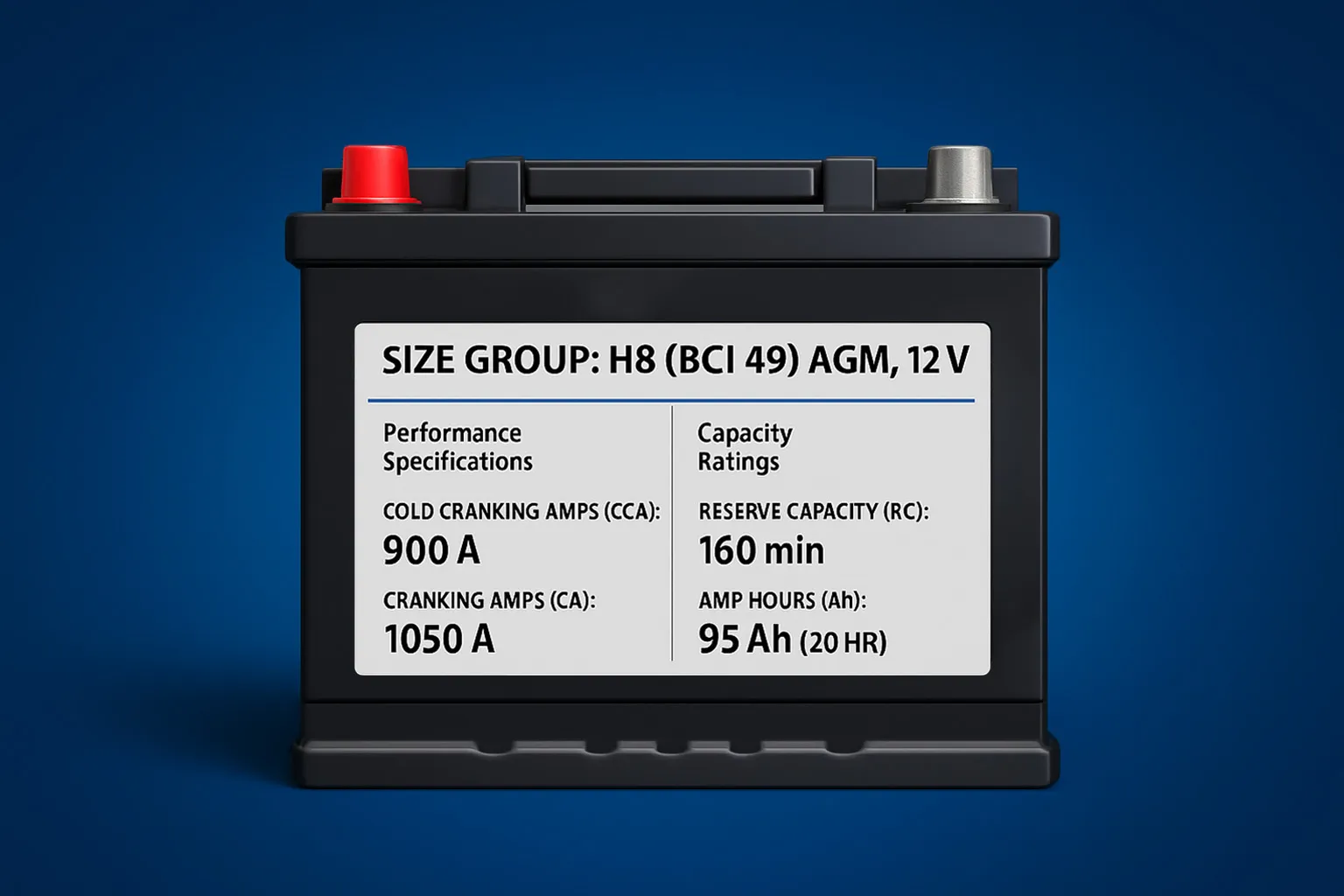
Cold-cranking amps measure how much power a battery can provide to start an engine in cold weather. The test is commonly based on a 30-second discharge at 0°F while maintaining a set voltage.
A higher CCA rating is not always better. Your vehicle needs a suitable range, not the biggest number on the shelf.
Use the vehicle maker’s recommended CCA as your guide. If you live in a very cold region, a battery with somewhat higher CCA may offer extra starting support. However, it must still fit the vehicle and match the charging system.
Here is a simple way to understand CCA:
• Small engines often need less starting power
• Large engines usually need more starting power
• Diesel engines often require high CCA
• Cold climates place more demand on the battery
• Thick engine oil can make starting harder in winter
Do not confuse CCA with CA, or cranking amps. CA is measured at a warmer temperature and usually shows a higher number. For cold-weather decisions, CCA is the more useful rating.
When considering how to choose a car battery, avoid paying extra for extreme CCA that your vehicle does not need. Good fit, correct battery type, and proper charging matter just as much.
Compare Reserve Capacity
Reserve capacity tells you how long a fully charged battery can supply power if the alternator stops working. It is measured in minutes under a standard electrical load.
A higher reserve capacity can be helpful if your vehicle has many electrical features. It may also give you more time to reach a safe place after a charging system problem.
Reserve capacity matters for vehicles with:
• Heated seats
• Large infotainment systems
• Power liftgates
• Extra lighting
• Winches
• Audio upgrades
• Advanced driver assistance systems
Reserve capacity does not mean the battery can power your vehicle forever. A car uses energy even when the engine is off, and deep discharge can shorten battery life.
If your vehicle manual lists a reserve capacity requirement, follow it. If it does not, focus first on group size, CCA, battery type, and warranty.

Select the Correct Battery Type
Modern vehicles use several battery designs. The correct type depends on the vehicle’s electrical system and driving demands.
Conventional flooded lead-acid batteries
Flooded lead-acid batteries are common and often affordable. They use liquid electrolyte and may be suitable for many older vehicles with standard charging systems.
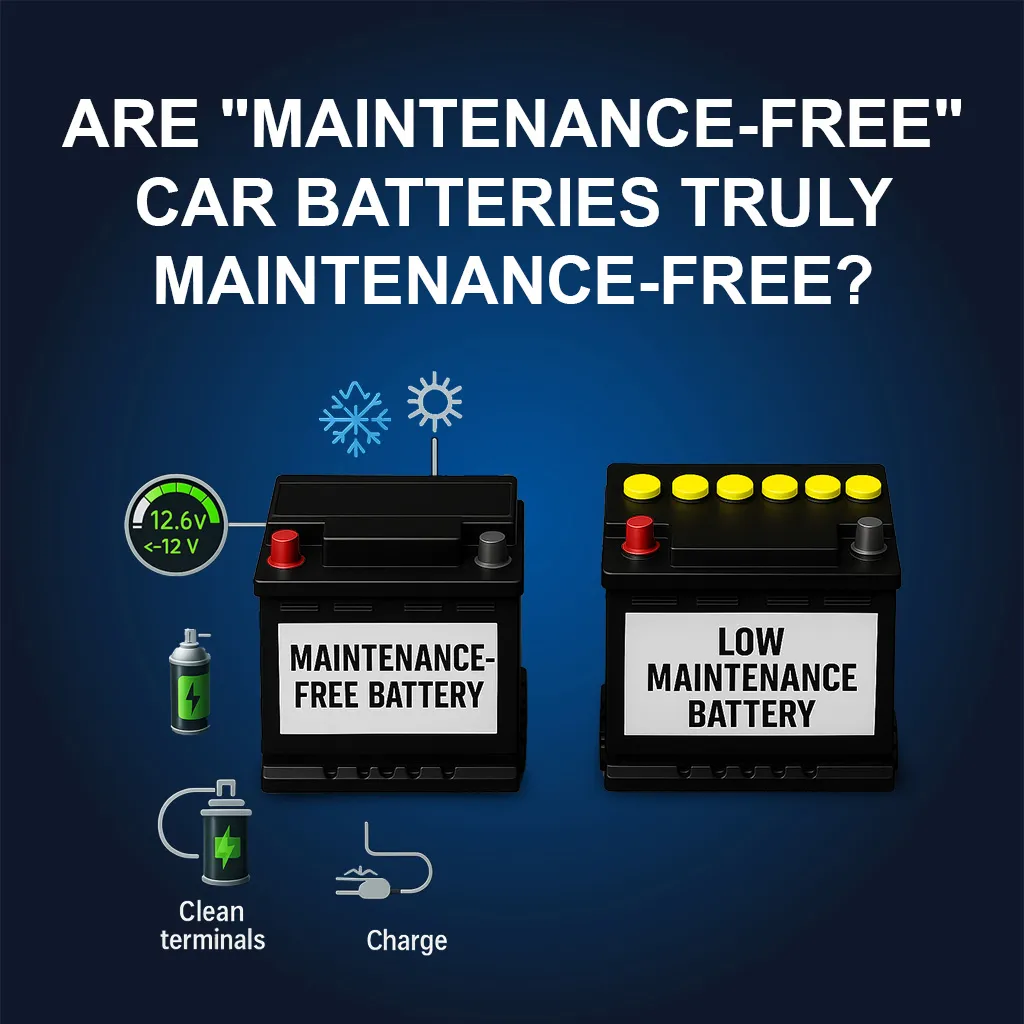
They can provide reliable service when maintained and charged correctly. Some are labeled maintenance-free, but that does not mean they never need inspection.
Absorbent glass mat batteries
Absorbent glass mat, or AGM, batteries hold electrolyte in a fiberglass material. They are designed to resist vibration and provide strong performance during repeated charge and discharge cycles.
AGM batteries are common in vehicles with:
• Start-stop systems
• Many electronic accessories
• High electrical loads
• Regenerative braking
• Battery locations inside the passenger area or trunk
AGM batteries often cost more than flooded batteries. Replacing an AGM battery with a standard flooded battery may lead to poor performance or early failure if the vehicle requires AGM technology.
Enhanced flooded batteries
Enhanced flooded batteries, or EFB batteries, offer improved cycle life compared with basic flooded batteries. They are often used in some vehicles with start-stop systems.
Never assume an EFB battery and AGM battery are interchangeable. Check the vehicle maker’s requirements first.
Lithium batteries
Lithium starter batteries are available for some specialty vehicles, performance cars, and motorsports applications. They are light and powerful, but they need compatible charging systems and careful installation.
They are not a universal replacement for standard lead-acid batteries. For most daily drivers, use the battery type specified by the manufacturer.
Understanding battery types is one of the most important parts of how to choose a car battery. The wrong technology can cause charging problems, warning lights, or reduced battery life.
Consider Your Driving Habits and Climate
Your daily routine affects battery life. A person who drives 30 minutes each way may place less strain on a battery than someone who takes several short trips each day.
Short trips can drain more power than the alternator replaces. Starting the engine uses a large burst of energy, and the battery needs time to recharge.
Your battery may face extra demand if you:
• Drive mostly for five minutes at a time
• Leave the vehicle parked for weeks
• Use heated seats often
• Run a dash camera while parked
• Have a powerful audio system
• Drive in very cold or very hot weather
Cold temperatures slow the chemical reaction inside a battery. Heat can speed up corrosion and water loss. In many areas, extreme heat is especially hard on lead-acid batteries, while cold weather makes a weak battery easier to notice.
If your car sits often, consider using a battery maintainer approved for your battery type. This can help keep the battery charged without overcharging it.
Look at Battery Date Codes and Freshness
A battery can age while sitting on a store shelf. Before buying, look for a date code or shipping code on the case. The format varies by brand, so ask the seller to explain it.
Choose a battery that has been stored properly and is reasonably fresh. A new battery should not have signs of swelling, cracks, leakage, or heavy corrosion.
Check for:
• A clean case
• Secure terminals
• No bulges or cracks
• No acid smell or leakage
• A clear warranty label
• Proper storage and handling
A fresh battery is a better starting point than an older battery that has spent months in poor conditions. This detail is easy to miss, but it can affect how long the battery serves you.
Compare Warranty and Replacement Value
The cheapest battery is not always the best value. Compare the full warranty, free replacement period, and prorated coverage.
A warranty may include:
• Free replacement for a set period
• Partial credit after the free replacement period
• Roadside support
• Testing at approved dealers
• Limits based on commercial use or extreme conditions
Read the warranty terms before you buy. Keep the receipt and record the installation date.
A longer warranty does not guarantee a longer service life. Still, it can reduce your financial risk if the battery fails early.
When learning how to choose a car battery, compare price per year of expected service rather than only the purchase price. A battery that costs a little more but lasts longer may be the smarter choice.
Decide Whether You Need a Premium Battery
Premium batteries may offer stronger construction, better vibration resistance, higher cycle life, or longer warranties. These benefits can matter in demanding vehicles.
You may benefit from a premium battery if you:
• Own a vehicle with a start-stop system
• Use several electronic accessories
• Drive on rough roads
• Live in extreme weather
• Need dependable starting for work
• Have a vehicle with difficult battery access
A basic battery may be enough for a simple commuter car with normal electrical demands. Do not pay for features your vehicle cannot use.
The best battery is not always the most expensive battery. It is the battery that matches the vehicle and your real driving conditions.
Check Terminal Layout and Installation Details
Battery terminals must be in the correct position. Some batteries place the positive terminal on the left, while others place it on the right.
The terminal layout matters because battery cables have limited reach. Reversing the position can make installation impossible or create a serious risk of reversed polarity.
Also check:
• Terminal style
• Battery vent location
• Hold-down bracket shape
• Battery height
• Cable length
• Insulating covers
• Sensor connections
Some vehicles have a battery monitoring sensor attached to the negative terminal. Others need battery registration after replacement. This is common in many newer vehicles.
Battery registration tells the vehicle computer that a new battery has been installed. Without it, the charging system may not manage the new battery correctly.
If you are unsure, ask a qualified technician to install the battery. A mistake with polarity can damage fuses, control modules, and other expensive parts.
Know When to Replace the Battery
Many car batteries last about three to five years, but climate, use, maintenance, and vehicle design can change that range. A battery may fail sooner in severe heat, while short trips can slowly weaken it.
Watch for these warning signs:
• Slow engine cranking
• Clicking when you turn the key
• Dim headlights
• Flickering dashboard lights
• Battery warning messages
• Corrosion around the terminals
• A swollen battery case
• Needing jump-starts
Do not wait for a complete failure if the battery is old and shows warning signs. Have it tested with a conductance tester or load tester.
A voltage reading alone does not tell the whole story. A battery can show normal voltage at rest but still lack enough starting power under load.
In practical battery checks, the most useful approach is to combine age, symptoms, charging-system results, and a proper battery test. This avoids replacing a good battery when the real problem is the alternator or a parasitic drain.

Test the Charging System Before Buying
A failing alternator can damage a new battery. If the alternator does not charge correctly, the battery may go flat again soon after replacement.
Ask for a complete starting and charging system test. It should include:
• Battery condition
• Alternator output
• Starter current draw
• Parasitic electrical drain
• Cable and ground connections
A loose ground cable can look like a bad battery. So can a light that stays on in the trunk or glove box.
This is an important lesson when deciding how to choose a car battery: make sure the battery is the cause, not just the part that shows the symptom.
Install and Maintain the Battery Safely
Car batteries contain acid and can produce explosive hydrogen gas. Wear eye protection and gloves during installation. Keep sparks, cigarettes, and open flames away from the battery.
A basic replacement process usually includes:
- Turn off the vehicle and remove the key.
- Identify the positive and negative terminals.
- Disconnect the negative cable first.
- Disconnect the positive cable.
- Remove the hold-down bracket.
- Lift out the battery carefully.
- Clean corrosion from the tray and cable ends.
- Install the new battery in the correct position.
- Secure the hold-down bracket.
- Connect the positive cable first.
- Connect the negative cable last.
Some vehicles need radio codes, window resets, steering-angle calibration, or battery registration after replacement. Check the service information before disconnecting power.
Never place a metal tool across both terminals. Even a small battery can deliver enough current to cause burns or damage tools.

Common Mistakes to Avoid
Knowing what not to do is just as helpful as knowing how to choose a car battery.
Avoid these common errors:
• Choosing only by price
• Buying the biggest CCA rating
• Ignoring the group size
• Installing the wrong battery type
• Skipping a charging-system test
• Buying an old shelf battery
• Leaving the battery unsecured
• Connecting the terminals backward
• Ignoring the warranty terms
• Replacing an AGM battery with a flooded battery without checking compatibility
Another mistake is assuming a battery is fully charged because it is new. New batteries may need charging before use, especially after long storage. Ask the retailer to test and charge it if needed.
A Simple Battery Buying Checklist
Use this checklist when comparing products:
• Confirm the vehicle year, make, model, and engine
• Read the owner’s manual
• Match the group size
• Match or exceed the required CCA
• Check the reserve capacity
• Select the correct battery technology
• Confirm terminal position
• Inspect the battery’s date code and condition
• Compare warranty coverage
• Check whether battery registration is needed
• Test the alternator and starter if problems exist
• Recycle the old battery properly
This process makes how to choose a car battery much less confusing. You do not need to memorize every battery number. You only need to match the key specifications carefully.
Frequently Asked Questions About How to Choose a Car Battery
How do I know which battery fits my car?
Check the owner’s manual for the group size, CCA, and battery type. You can also use a trusted vehicle fitment guide, but confirm the result before buying.
Can I use a battery with higher CCA?
A slightly higher CCA rating is often acceptable if the battery has the correct group size, voltage, terminal layout, and technology. Do not choose a higher rating if it changes the fit or conflicts with the vehicle maker’s specifications.
Is AGM better than a regular car battery?
AGM batteries can offer better vibration resistance and stronger cycle performance. They are best when the vehicle is designed for AGM use, but they may be unnecessary for a simple vehicle with a standard charging system.
How long does a car battery usually last?
Many car batteries last about three to five years. Extreme heat, severe cold, short trips, vibration, and poor charging can shorten that period.
Should I replace the battery or the alternator?
A battery test and charging-system test can identify the cause. If the alternator is not charging correctly, replacing only the battery may lead to another failure.
Can I install a car battery myself?
You can install some batteries yourself if you follow safety steps and use the correct tools. Newer vehicles may need battery registration or electronic resets, so professional installation can be safer and more convenient.
Conclusion
Choosing the right battery means matching more than a brand or price. Check the group size, CCA, reserve capacity, battery type, terminal layout, freshness, and warranty. Also test the charging system so a weak alternator or electrical drain does not damage your new battery.
Take a few minutes to compare the specifications with your owner’s manual before you buy. That small step can provide reliable starts, protect your vehicle’s electronics, and prevent an avoidable roadside problem. Use this checklist during your next battery purchase, and share your experience or questions in the comments.