Cleaning a wood grain car interior in the United States is simple when you first identify the surface. Many dashboards, center consoles, and door panels use wood-look plastic, printed film, or a thin wood veneer rather than solid wood. Use a soft microfiber cloth, a mild interior cleaner, and very little moisture. Avoid soaking the panel, spraying cleaner directly on it, or using household wood polish unless the vehicle maker allows it.
The safest method is to remove loose dust first, clean with a damp cloth, dry at once, and test every product in a hidden spot. This helps prevent cloudy film, peeling trim, swelling, and damage to the clear finish.

What Is Wood Grain Car Trim?
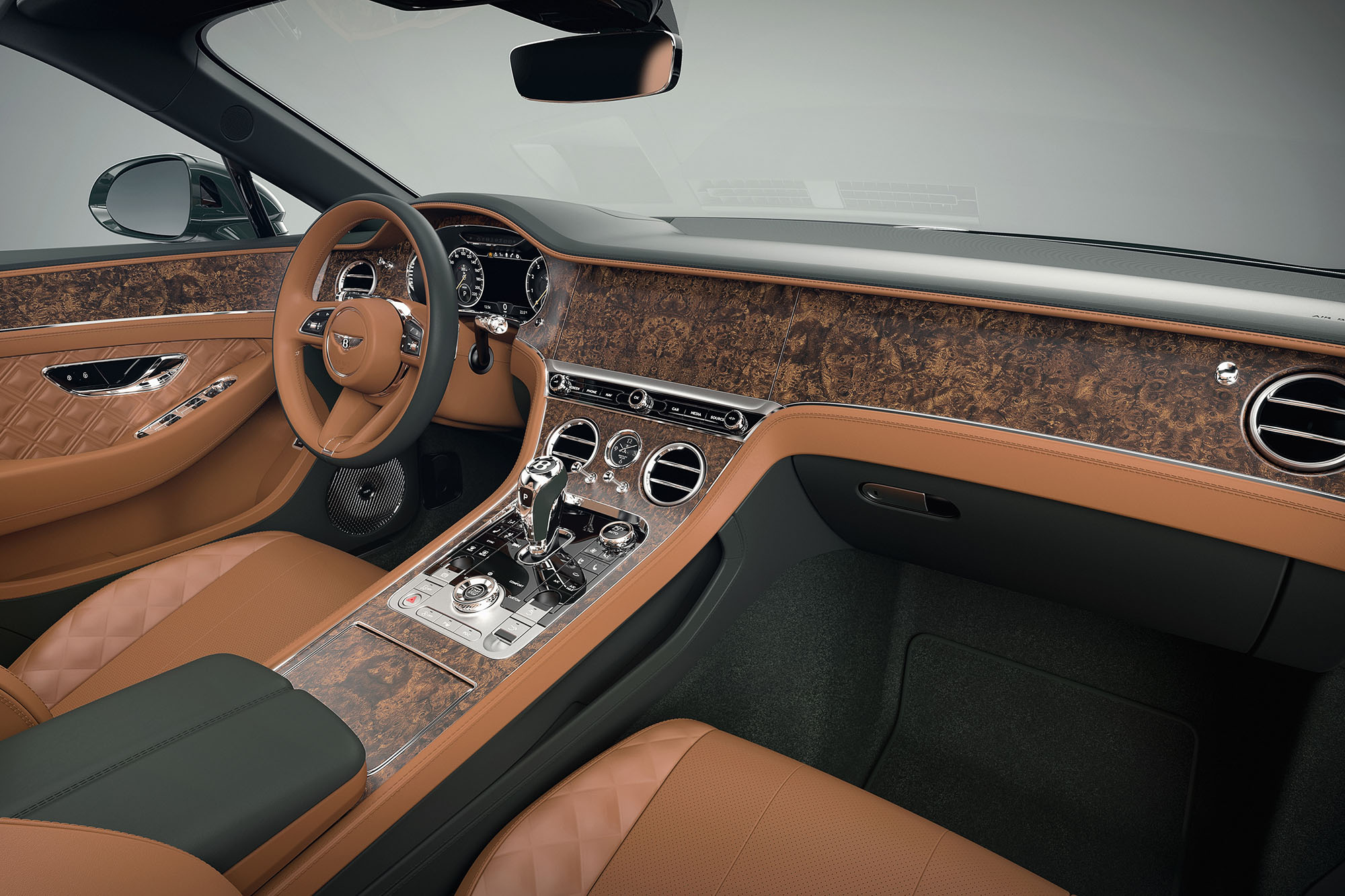
Wood grain car trim is a decorative surface used on parts such as the dashboard, center console, door panels, steering wheel spokes, and gear selector surround. It may be made from several different materials:
- Wood-look plastic: A molded plastic part with a printed or textured grain.
- Wood veneer: A very thin layer of real wood bonded to a backing.
- Clear-coated wood: Real wood covered with a protective finish.
- Gloss film or laminate: A printed layer sealed under a clear surface.
- Painted trim: A plastic part with a wood-style coating.
These surfaces may look alike but do not react to cleaners in the same way. A product that is safe for unfinished furniture may harm automotive trim. Most car wood grain panels have a clear top layer, so the goal is to clean the finish, not treat the material like a wooden table.
Always check the vehicle owner’s manual first. Automakers may give different instructions for specific models and trim packages.
What You Need Before Cleaning
Gather the right tools before you begin. The basic kit is small and inexpensive:
- Two or three clean microfiber towels
- A soft detailing brush or clean makeup brush
- A vacuum with a soft brush attachment
- Distilled water
- A pH-neutral automotive interior cleaner
- A small spray bottle, if the cleaner is concentrated
- Cotton swabs for seams and tight gaps
- A clean, dry towel for final wiping
Choose a microfiber towel with a short or medium pile. Do not use a rough shop rag, paper towel, kitchen sponge, or abrasive pad. These can leave fine scratches on glossy trim.
Choose the cleaner carefully
A mild automotive interior cleaner is usually the best choice. Read the label and confirm that it is suitable for hard plastic, coated surfaces, or interior trim.
Avoid products that contain or emphasize:
- Strong solvents
- Abrasive compounds
- Bleach
- Ammonia
- Household furniture wax
- Silicone-heavy dressing
- Acetone
- Nail polish remover
- Undiluted degreaser
- Alcohol-heavy glass cleaner unless the vehicle manual permits it
Do not assume that “natural” means safe. Citrus oils, vinegar, essential oils, and plant-based solvents can still affect clear coats, adhesives, or printed films.
How to Clean Wood Grain Car Interior Trim
Follow this sequence for routine dust, fingerprints, light grease, and small spills.
1. Park in a cool, shaded place
Clean the interior when the trim is cool to the touch. A hot dashboard can dry cleaner too quickly and leave streaks. Direct sunlight can also make it harder to see residue while you work.
Open the doors or windows if practical. Remove watches, rings, and other items that could scratch the surface.
2. Remove loose dust first
Use a vacuum with a soft brush attachment around the trim. Keep the nozzle from dragging across the panel. You can also use a dry microfiber towel to lift dust from broad, flat areas.
For seams, use a soft detailing brush. Brush dust toward the vacuum rather than pushing it into a gap. Removing grit first matters because dry particles can act like sandpaper during the wiping step.
3. Test the cleaner
Choose a hidden spot, such as the lower edge of the console or the underside of a trim lip. Apply a small amount of diluted cleaner to a cloth, not the panel.
Wait until the area dries. Check for:
- Color change
- Cloudiness
- Sticky residue
- Loss of gloss
- Swelling
- Peeling
- Streaks
If the surface changes, stop using that product.
4. Apply cleaner to the towel
Lightly dampen one microfiber towel. The towel should feel moist, not wet enough to drip.
Never spray cleaner directly on the dashboard or console. Overspray can enter switches, screens, vents, seams, and electrical parts. It can also collect at the edge of a veneer or film.
5. Wipe in small sections
Wipe one small area at a time with light pressure. Follow the direction of the grain when the pattern has a clear direction. For printed or glossy trim, gentle straight passes can make residue easier to see than hard circular scrubbing.
Turn the towel often so that dirt does not spread. Use a fresh section of the towel when it becomes soiled.
6. Clean grooves and edges gently
Use a soft brush or a barely damp cotton swab for narrow seams. Do not force liquid into gaps. Do not use a toothpick, knife, plastic scraper, or stiff brush.
If sticky residue remains, repeat the mild cleaning step rather than increasing pressure. Several light passes are safer than one aggressive pass.
7. Wipe with a clean damp towel
Use a second microfiber towel dampened with plain water. This removes cleaner residue. Distilled water can reduce mineral spots, especially on dark, glossy trim.
Keep the towel only slightly damp. Water should never pool around buttons, seams, or panel edges.
8. Dry the surface at once
Use a clean, dry microfiber towel to remove moisture. Inspect the trim from several angles. Look for streaks, dull patches, and liquid trapped near seams.
Leave the doors open for a short time if moisture remains in a tight gap. Do not use high heat to dry the panel.
How to Remove Common Marks
Different stains need different levels of care. Start with the least aggressive method.
| Mark or problem | First method | Avoid |
|---|---|---|
| Dust | Dry microfiber towel or soft brush | Dry scrubbing with a rough cloth |
| Fingerprints | Slightly damp microfiber towel | Heavy interior dressing |
| Light food residue | Mild automotive cleaner on a towel | Household degreaser |
| Dried drink | Damp towel held on the spot briefly, then wipe | Flooding the panel |
| Grease | Mild cleaner, repeated in light passes | Abrasive pads |
| Ink | Consult the owner’s manual or trim specialist | Acetone or strong solvent |
| Adhesive | Test a manufacturer-approved adhesive remover in a hidden area | Razor blades or metal tools |
| Cloudy film | Clean residue with plain water, then dry | More polish or wax |
Dried drink or food
Place a damp microfiber towel over the residue for a few seconds. This softens the mark. Wipe gently and repeat as needed.
Do not scrape dried material with a fingernail or sharp tool. Scraping can cut a film or clear coat.
Greasy fingerprints
Use a small amount of mild interior cleaner on a towel. Work from the clean edge toward the dirty area. Follow with a clean, damp towel and dry the surface.
If the mark remains after two or three gentle passes, the issue may be damage in the finish rather than surface dirt.
Ink, dye, or transferred color
Ink and dye can bond to coatings. Strong solvents may remove the stain but also remove the printed grain or soften the finish. Read the vehicle manual and the cleaner’s label before doing anything stronger.
For a valuable, damaged, or rare interior, a professional automotive trim specialist is safer than trial-and-error cleaning.
What Not to Use on Wood Grain Car Trim
Some common cleaning methods can cause permanent damage.
Do not use furniture polish by default
Furniture polish may leave oil, wax, or silicone on automotive trim. That residue can attract dust and create a different gloss from the surrounding panel. It may also make later repair or refinishing more difficult.
Use it only if the vehicle manufacturer specifically approves it for that trim.
Do not use a magic eraser
Melamine foam is mildly abrasive. It can dull glossy clear coats and remove color from printed trim. It may make a mark disappear while leaving a larger dull patch.
Do not soak the panel
Water can enter seams and reach switches or electronics. On veneer or film, moisture may also weaken edges or adhesives. A damp towel is safer than a wet panel.
Do not polish scratches aggressively
A scratch in a clear coat may look like dirt, but more cleaning will not remove it. Aggressive polishing can thin the finish or expose the decorative layer.
Do not use a steam cleaner without approval
Heat and moisture can affect adhesives, films, coatings, and electronic controls. Steam may be suitable for some interior materials, but it is not a universal method for wood grain trim.

How to Clean Different Types of Wood Grain Trim
The safest approach depends on the surface.
Glossy wood-look plastic
Use a clean microfiber towel and a mild cleaner. Apply little pressure. Glossy plastic shows swirl marks, towel lint, and dried residue easily.
Use a separate towel for this surface. A towel used on dirty vinyl or exterior paint may carry grit.
Real wood veneer
Treat veneer as a thin, coated decorative layer. Do not soak it or use furniture oil. Pay close attention to edges, joints, and areas where the coating may be worn.
If the veneer is lifting, bubbling, cracked, or swollen, stop cleaning and seek repair advice. Moisture can make an existing problem worse.
Matte or satin wood grain
Matte trim can develop shiny spots from rubbing or oily products. Use low pressure and avoid dressings that leave a glossy finish.
Do not try to “restore” matte trim with polish. A change in sheen may be permanent.
Textured or embossed grain
Use a soft brush to lift dirt from the texture. Follow with a lightly damp towel. Avoid pressing dirt deeper into the pattern.
A cotton swab can help around small edges, but replace it when it becomes dirty.
How Often Should You Clean It?
Clean wood grain trim when it shows dust, fingerprints, or residue rather than following a strict schedule. For many vehicles, a light dusting once a week and a damp wipe every few weeks is enough.
Clean more often when:
- The vehicle is used daily
- Children eat or drink inside
- The car is exposed to dust or pollen
- The trim is touched often
- The interior has high humidity
- The vehicle is used for rideshare work
Frequent heavy cleaning is not better. Repeated rubbing, excess moisture, and strong chemicals can wear the surface over time.
To reduce cleaning, keep food and drinks away from the console, use clean hands when possible, and remove spills promptly.
What to Do If the Trim Looks Cloudy, Sticky, or Dull
A cloudy or sticky finish often comes from cleaner residue, dressing, wax, or heat-related surface damage.
- Wipe a small area with a clean microfiber towel dampened with plain water.
- Dry it right away.
- Inspect the area under indirect light.
- Repeat once if residue remains.
- Stop if the finish stays cloudy or begins to change.
If the panel is still sticky, the coating may be breaking down. If it is dull only in one area, rubbing or chemical damage may have changed the sheen. Cleaning cannot restore missing clear coat or printed color.
Do not apply more dressing to hide the problem. That can make diagnosis and repair harder.

Signs You Should Stop Cleaning
Stop and get professional advice when you see:
- Peeling or lifting film
- Bubbling veneer
- Cracks in the clear finish
- Swollen wood or raised edges
- A soft or tacky surface
- Color coming off on the towel
- A strong chemical odor
- Damage near switches or electronic controls
- A stain that spreads when wiped
These signs suggest a coating, adhesive, veneer, or electronic issue. More pressure or stronger cleaner may cause permanent damage.
For trim in a high-value, antique, restored, or collector vehicle, take photographs before cleaning and ask an automotive interior repair shop for a treatment plan.
Quick Decision Guide
Use this simple guide before you start:
- Dust only: Use a dry microfiber towel or soft brush.
- Fingerprints: Use a slightly damp towel.
- Light grime: Use a mild automotive interior cleaner on the towel.
- Sticky spill: Soften it with a damp towel, then clean in light passes.
- Scratch or dull patch: Do not scrub; assess the finish.
- Peeling or bubbling: Stop and seek repair advice.
- Unknown material: Check the owner’s manual and test a hidden area.
The main trade-off is simple: gentle cleaning may take more than one pass, but it greatly reduces the chance of damaging a thin decorative finish.
Frequently Asked Questions
Can I use water to clean wood grain car trim?
Yes. Use a small amount of water on a microfiber towel. Do not pour water on the trim or allow it to collect near seams, buttons, vents, or electronics. Dry the surface immediately.
Can I use glass cleaner on wood grain trim?
Only use it if the vehicle manual or product label confirms compatibility. Some glass cleaners contain solvents or alcohol that may affect printed grain, clear coats, or nearby materials. A mild automotive interior cleaner is usually a safer starting point.
Can I use olive oil or wood oil on car interior trim?
No. Oils can leave a greasy film, attract dust, change the sheen, and make the surface slippery. Automotive wood grain trim is usually sealed and does not need furniture oil.
How do I remove scratches from wood grain car trim?
First determine whether the mark is dirt, residue, a surface scratch, or damage to the printed layer. Do not use abrasive polish until you know the construction of the panel. A trim repair specialist can advise whether polishing, refinishing, or replacement is appropriate.
Is wood grain car trim real wood?
Sometimes, but not always. Many vehicles use plastic, film, laminate, or a thin veneer. The owner’s manual, parts information, or a dealer service department may help identify the material. When uncertain, use the gentlest cleaning method.
Key Takeaways
- Identify the trim before choosing a cleaner.
- Remove dust before wiping.
- Put cleaner on the microfiber towel, not directly on the panel.
- Use light pressure and little moisture.
- Avoid abrasive pads, magic erasers, furniture polish, and strong solvents.
- Dry the trim immediately.
- Stop if the surface peels, bubbles, swells, or becomes sticky.
- Check the owner’s manual for model-specific instructions.
Conclusion
The best way to clean a wood grain car interior is to treat it as a delicate coated automotive surface. Dust it first, use a mild cleaner sparingly, wipe with microfiber, and dry it at once. This method works for most wood-look plastic, coated veneer, and laminated trim without adding unnecessary risk.
If the finish is already peeling, cloudy, swollen, or sticky, cleaning is no longer the main issue. Stop using products and have the trim assessed by an automotive interior repair professional.
Sources for model-specific and product-safety checks
- National Highway Traffic Safety Administration, Vehicle Safety and Recalls: https://www.nhtsa.gov/
- U.S. Environmental Protection Agency, Safer Choice: https://www.epa.gov/saferchoice
- Use the official owner’s manual for the exact vehicle model and trim package before applying a chemical cleaner.