If your car battery is dead, stay safe, check the cause, and jump-start or replace it correctly.
Knowing what to do if car battery is dead can save time, money, and stress. A dead battery often gives warning signs, but it can also fail without notice. This guide explains safe jump-start steps, when to call for help, how to spot a bad battery, and how to prevent the problem from returning.
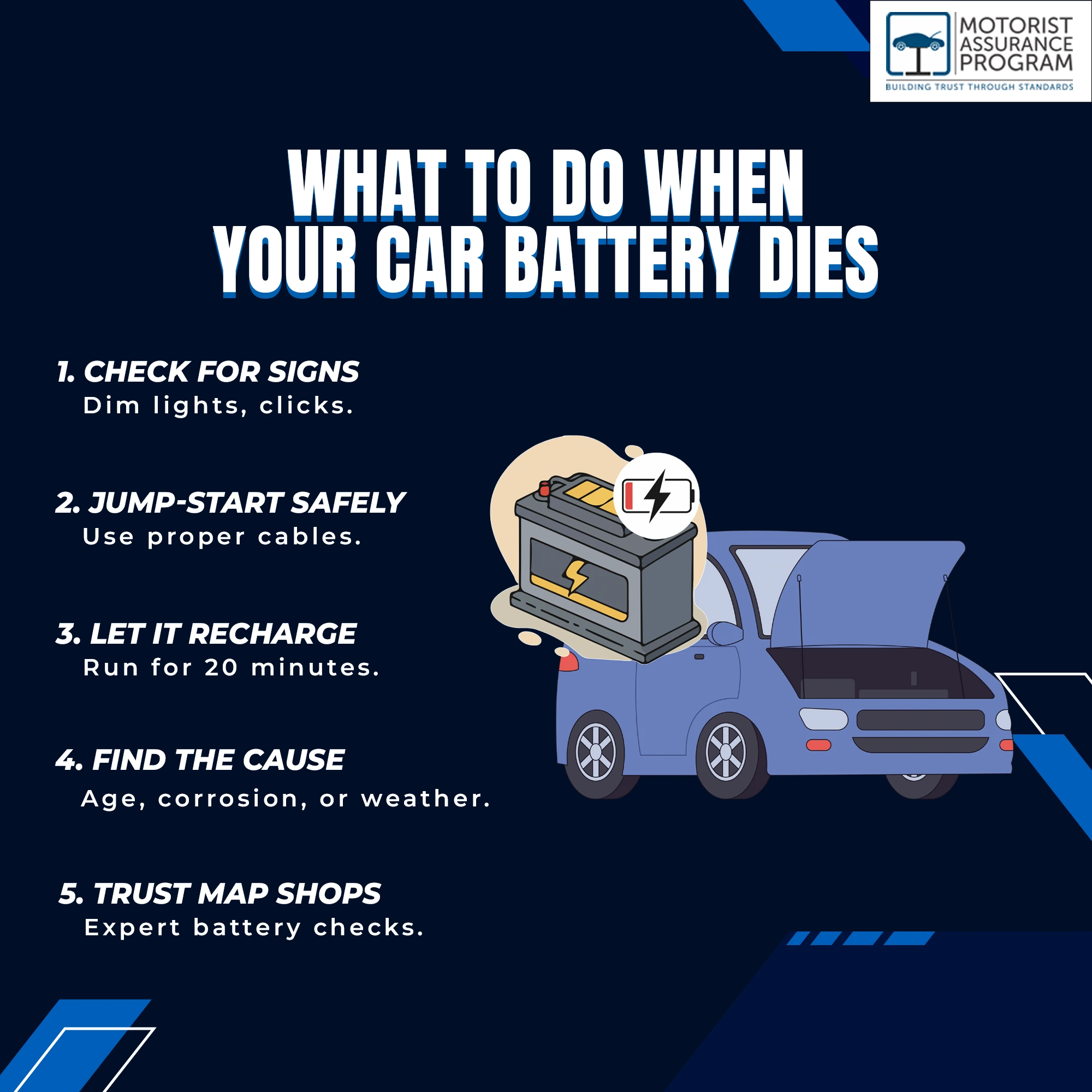
What to do if car battery is dead: first steps
The first step in what to do if car battery is dead is to stay calm and move to a safe place. If the car stopped in traffic, turn on the hazard lights if they still work. Move the vehicle away from traffic only if it can roll safely and you have enough control.
Park on level ground when possible. Set the parking brake. Turn off the ignition, headlights, radio, climate control, and other electrical items.
Next, look for simple signs of a dead battery:
• The engine does not crank at all.
• You hear a rapid clicking sound when you turn the key.
• The dashboard lights are weak or flicker.
• The power locks or interior lights do not work.
• The engine cranks slowly but does not start.
A single click can point to a weak battery, a poor cable connection, or a starter problem. No sound at all may mean the battery is fully drained, the battery terminals are loose, or the vehicle has an electrical fault.
Check the battery only if it is easy to reach. Do not touch it if the case is cracked, leaking, swollen, or frozen. These signs can mean the battery is unsafe and needs professional service.
Why a car battery dies
Understanding why the battery died helps you decide what to do if car battery is dead right now and how to avoid the same issue later.
• Leaving the headlights or interior lights on.
• A phone charger, dash camera, or accessory draining power while parked.
• A battery that is more than three to five years old.
• Very cold weather, which slows the battery’s chemical reaction.
• Very hot weather, which can damage battery plates and shorten battery life.
• Loose, dirty, or corroded battery terminals.
• A failing alternator that does not recharge the battery while driving.
• A parasitic drain that uses power when the car is turned off.
A battery can also lose charge after many short trips. The starter uses a large amount of energy. A short drive may not give the alternator enough time to replace that energy.
In my experience, a forgotten interior light is one of the easiest problems to fix. However, a battery that dies twice in a short period usually points to a deeper issue. Replacing the battery without testing the charging system may only delay the problem.
How to jump-start a dead car battery
Jump-starting is often the fastest answer to what to do if car battery is dead. You need a second vehicle with a charged battery or a portable jump starter.
Before you begin, check the owner’s manual. Some vehicles have special jump points under the hood. Some cars also require a specific procedure because of sensitive electronics.
What you need
• Jumper cables in good condition.
• A working vehicle with a similar battery voltage, usually 12 volts.
• Safety glasses and gloves, if available.
• A portable jump starter, if you do not have another vehicle.
Do not use a damaged cable. Do not let the red and black clamps touch each other. Keep loose clothing, tools, and hands away from belts and fans.
How to use jumper cables
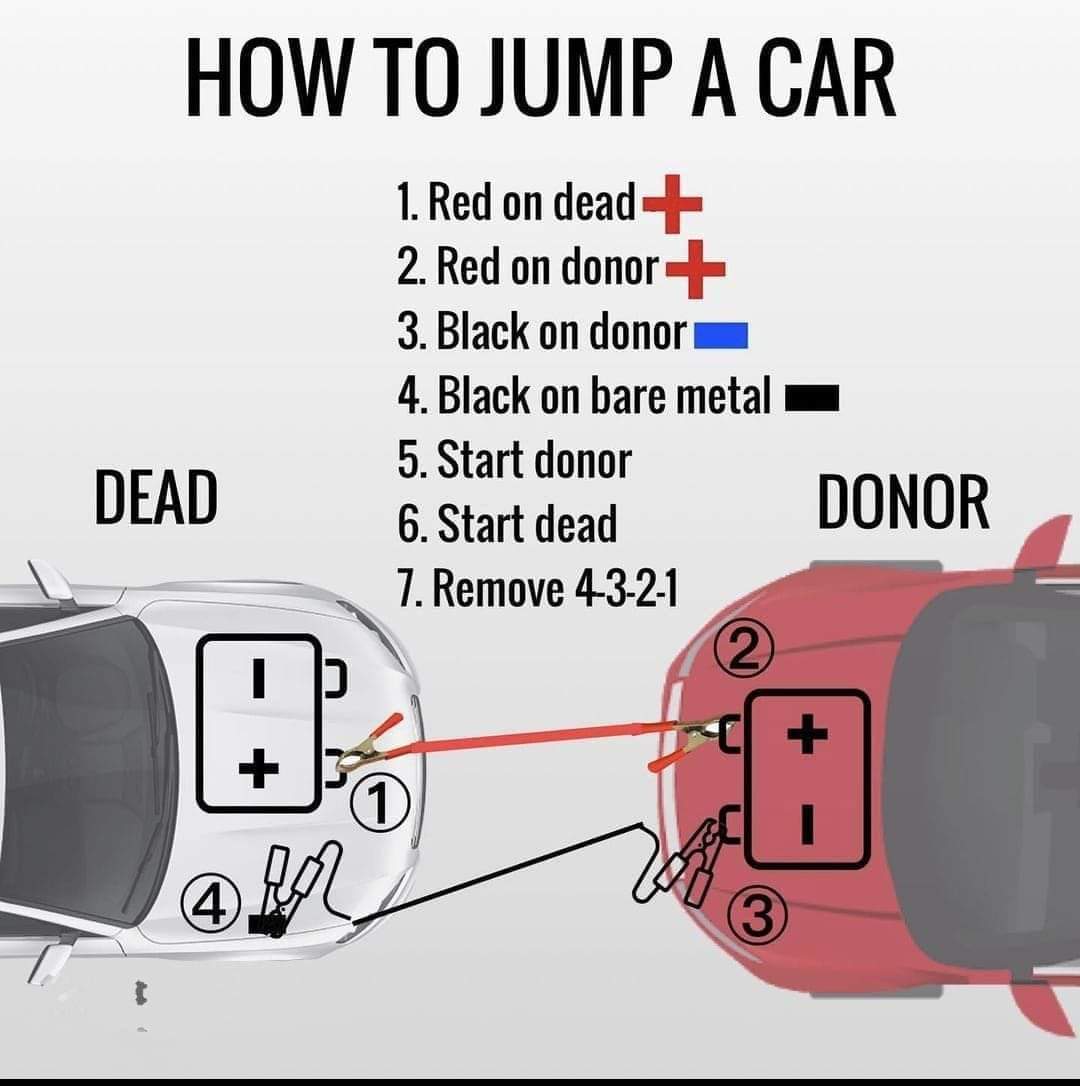
Follow these steps:
-
Park the working vehicle close enough for the cables to reach, but do not let the vehicles touch.
-
Turn off both vehicles. Put both cars in Park or Neutral and apply the parking brakes.
-
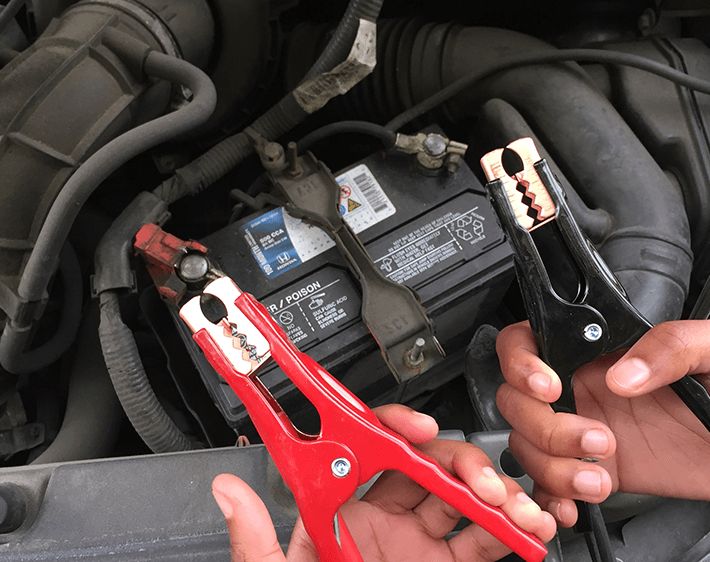
Find the positive and negative battery terminals. The positive terminal usually has a plus sign and a red cover. The negative terminal has a minus sign.
-
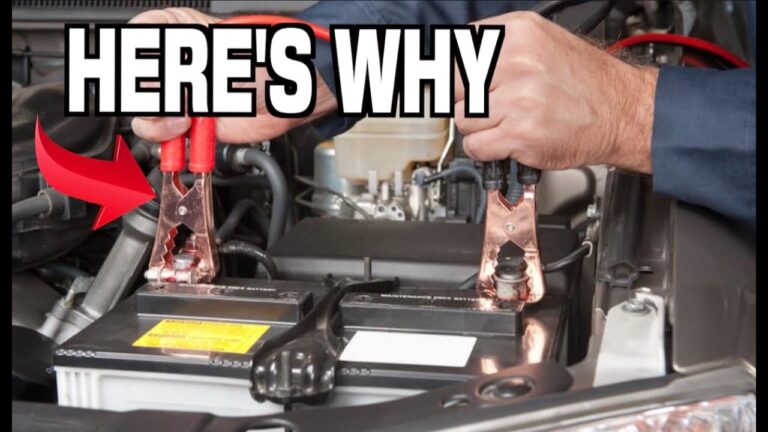
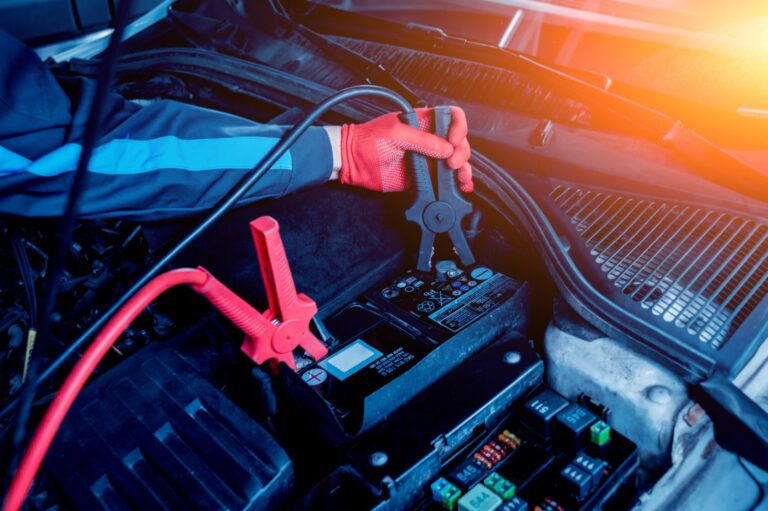
Connect the red clamp to the positive terminal of the dead battery.
-
Connect the other red clamp to the positive terminal of the working battery.
-
Connect the black clamp to the negative terminal of the working battery.
-
Connect the other black clamp to an unpainted metal part of the dead car’s engine block or chassis. Use a solid metal point away from the battery.
-
Start the working vehicle. Let it run for a few minutes.
-
Try to start the vehicle with the dead battery. Do not crank it for more than about 10 seconds at a time. Wait briefly between attempts.
-
Once the vehicle starts, remove the cables in reverse order.
The removal order is important. Remove the black clamp from the revived car first, then the black clamp from the working car. Remove the red clamp from the working car, then the red clamp from the revived car.
After the engine starts, keep it running for at least 20 to 30 minutes. Driving is usually better than idling because the alternator can work at a higher speed. Still, driving does not guarantee that a deeply discharged battery is fully charged.
How to use a portable jump starter
A portable jump starter can make what to do if car battery is dead much easier. Make sure the unit is charged and rated for your engine size.
-
Turn off the vehicle.
-
Connect the red clamp to the positive battery terminal.
-
Connect the black clamp to a safe metal ground point.
-
Turn on the jump starter if required.
-
Start the vehicle.
-
Turn off the jump starter and remove the clamps in reverse order.
Always follow the instructions supplied with the jump pack. Some smart jump starters will not activate if they detect a wrong connection.

What to do if the car does not start after a jump
If the car does not start after one careful attempt, do not keep trying again and again. Repeated cranking can overheat the starter and drain the helper battery.
For what to do if car battery is dead and a jump does not work, inspect these areas:
• Battery terminals: Look for white, blue, or green buildup. Corrosion can block the flow of electricity.
• Cable connections: Make sure each clamp is tight and placed on clean metal.
• Battery condition: A swollen, cracked, leaking, or frozen battery should not be jump-started.
• Starter system: A single heavy click may point to a starter or relay problem.
• Fuel and ignition: A healthy engine still needs fuel, air, and spark to run.
• Alternator: If the engine starts but quickly dies, the alternator may not be charging the battery.
A vehicle may also fail to start because the transmission is not fully in Park. Try Neutral if the vehicle design allows it. For a manual transmission, press the clutch fully while starting.
If the lights are bright but the engine will not crank, the battery may not be the main problem. In that case, roadside assistance is safer than repeated jump attempts.

How to tell if the battery or alternator is bad
Knowing the difference between a dead battery and a charging problem is a key part of what to do if car battery is dead.
A battery problem is more likely when:
• The vehicle starts with a jump but struggles again after sitting overnight.
• The battery is several years old.
• The lights were left on.
• The engine starts normally after charging but later cranks slowly.
An alternator problem is more likely when:
• The battery warning light stays on while driving.
• The headlights become dim as the engine runs.
• The vehicle stalls soon after a jump-start.
• Electrical accessories act strangely.
• A fully charged or new battery repeatedly loses power.
You can test the battery with a digital multimeter. A fully charged battery at rest often measures about 12.6 volts. Around 12.4 volts suggests a partial charge. A reading near 12 volts or lower usually shows a very low charge.
With the engine running, many traditional vehicles show about 13.7 to 14.7 volts at the battery. Modern charging systems can vary this range, so the exact reading depends on the vehicle. A professional battery and charging test is the best way to confirm the cause.
Do not rely only on voltage. A battery can show a normal voltage but still fail under the heavy load needed to start an engine. A load test checks this starting ability more accurately.
When to replace a dead car battery
Sometimes the best answer to what to do if car battery is dead is to replace it. A battery may be beyond repair if it is old, damaged, or unable to hold a charge.
Consider replacement when:
• The battery is more than three to five years old.
• The case is swollen, cracked, or leaking.
• The car needs frequent jump-starts.
• The battery fails a load test.
• The engine cranks slowly even after a full charge.
• Corrosion has damaged the terminals or posts.
Choose the correct battery group size, cold cranking amps, and reserve capacity for your vehicle. These details are listed in the owner’s manual and on the old battery label.
Some newer vehicles need battery registration after replacement. This process tells the charging system that a new battery has been installed. Without it, the battery may not charge or age correctly. Ask a qualified technician if your vehicle uses this system.
Battery replacement also requires care. Car batteries contain corrosive acid and can produce flammable gas. Wear eye protection, keep sparks away, and recycle the old battery through a parts store, service center, or approved recycling site.

Special cases: hybrids, EVs, and extreme weather
What to do if car battery is dead changes slightly for hybrid and electric vehicles. These vehicles usually have a small 12 volt battery that powers computers, locks, displays, and control systems. The large high voltage battery is different and should never be handled by an untrained person.
You may be able to jump the 12 volt system, but only by using the terminals and steps listed in the owner’s manual. Never connect jumper cables to orange high voltage cables or components.
Cold weather can make a weak battery seem completely dead. Heat can also cause lasting battery damage, even if the failure appears during winter. If the battery is frozen, do not jump-start it. Let it thaw safely and have it inspected.
A battery blanket or insulated cover may help in very cold climates, but it must be designed for the vehicle and installed correctly. In hot climates, clean terminals and regular testing can help catch damage before the battery fails.

How to prevent a dead car battery
Once you know what to do if car battery is dead, a few habits can reduce the chance of another failure.
• Turn off lights and accessories before leaving the vehicle.
• Check that doors, the trunk, and the glove box close fully.
• Drive long enough to recharge the battery after starting.
• Clean light corrosion from the terminals with proper safety gear.
• Have the battery tested before extreme summer or winter weather.
• Replace an aging battery before a long road trip.
• Inspect dash cameras and other devices for parking mode drain.
• Drive the car regularly if it normally sits for long periods.
A battery maintainer can help when a vehicle is stored. It supplies a small, controlled charge and is different from a basic charger. Use only a device approved for your battery type.
One practical lesson is to keep a jump starter in the trunk before you need it. Store it where you can reach it even if the trunk is locked electronically. Also keep a flashlight, gloves, and the owner’s manual nearby.
Safety mistakes to avoid
Safety matters as much as speed when deciding what to do if car battery is dead. A wrong connection can damage vehicle electronics, cause sparks, or injure someone.
Avoid these mistakes:
• Do not connect positive to negative.
• Do not allow the clamps to touch.
• Do not jump a battery that is cracked, swollen, leaking, or frozen.
• Do not smoke or create flames near a battery.
• Do not stand directly over the battery during a jump.
• Do not use a 24 volt source on a 12 volt passenger vehicle.
• Do not force a vehicle to start by pushing it unless the owner’s manual allows it.
• Do not continue driving if the battery warning light stays on.
If you feel unsure, call roadside assistance. Paying for a safe jump or tow is better than damaging a vehicle or risking an injury. A professional can also test the battery, alternator, starter, and electrical system.
Frequently Asked Questions About What to Do if Car Battery Is Dead
Can I jump-start a car with a completely dead battery?
Yes, a jump-start may work if the battery is discharged but still serviceable. It may not work if the battery has an internal failure, severe corrosion, a crack, or a frozen case.
How long should I run my car after a jump-start?
Let the engine run for at least 20 to 30 minutes, and drive if it is safe. A deeply discharged battery may need a proper battery charger rather than normal driving.
Can a dead car battery recharge itself?
No, a dead battery cannot recharge itself. The alternator can recharge it while the engine runs, but a damaged battery may not hold that charge.
Why does my car battery keep dying after a jump?
A repeated failure may come from an old battery, a weak alternator, loose terminals, or an electrical drain. Have the battery and charging system tested instead of relying on repeated jump-starts.
Is it safe to jump-start a car in the rain?
A normal jump-start can be done in light rain if the connections are correct and the area is safe. Avoid standing water, exposed damaged wires, and severe weather such as lightning.
How do I know if I need a new battery?
A failed load test, a swollen case, repeated dead battery events, or an age of more than three to five years can point to replacement. A repair shop or parts store can often perform a battery test.
Can I jump-start a hybrid or electric vehicle?
Many hybrids and EVs have a 12 volt battery that can be boosted, but the procedure varies by model. Use the owner’s manual and never touch the high voltage system or orange cables.
Conclusion
When you know what to do if car battery is dead, you can handle many situations safely. Move away from traffic, check for damage, use the correct jump-start order, and test the battery and alternator if the problem returns.
A jump-start may solve a drained battery, but it will not fix an old battery, failed alternator, or electrical drain. Keep a charged jump starter in your vehicle, learn the correct connection points, and call a professional when the battery looks damaged or the car still will not start.
Use these steps before your next trip, and explore your vehicle’s owner’s manual for model-specific instructions.