
Cleaning car seats with Chemical Guys products is safest when you first identify the seat material, remove loose dirt, test a hidden spot, and use only enough moisture to clean without soaking the cushion. Fabric seats usually need a fabric cleaner and extraction. Leather and vinyl need a compatible leather or interior cleaner. Always follow the product label and your vehicle owner’s manual.
This guide applies to cars, trucks, and SUVs in the United States. It covers cloth, leather, synthetic leather, and vinyl seats. It also explains what to do with stains, odors, seat belts, heated seats, and child safety seats.
Introduction
Car seats collect dust, food, body oils, sweat, spills, and pet hair. A quick spray may improve the surface, but deep cleaning requires the right product, gentle agitation, and careful drying.
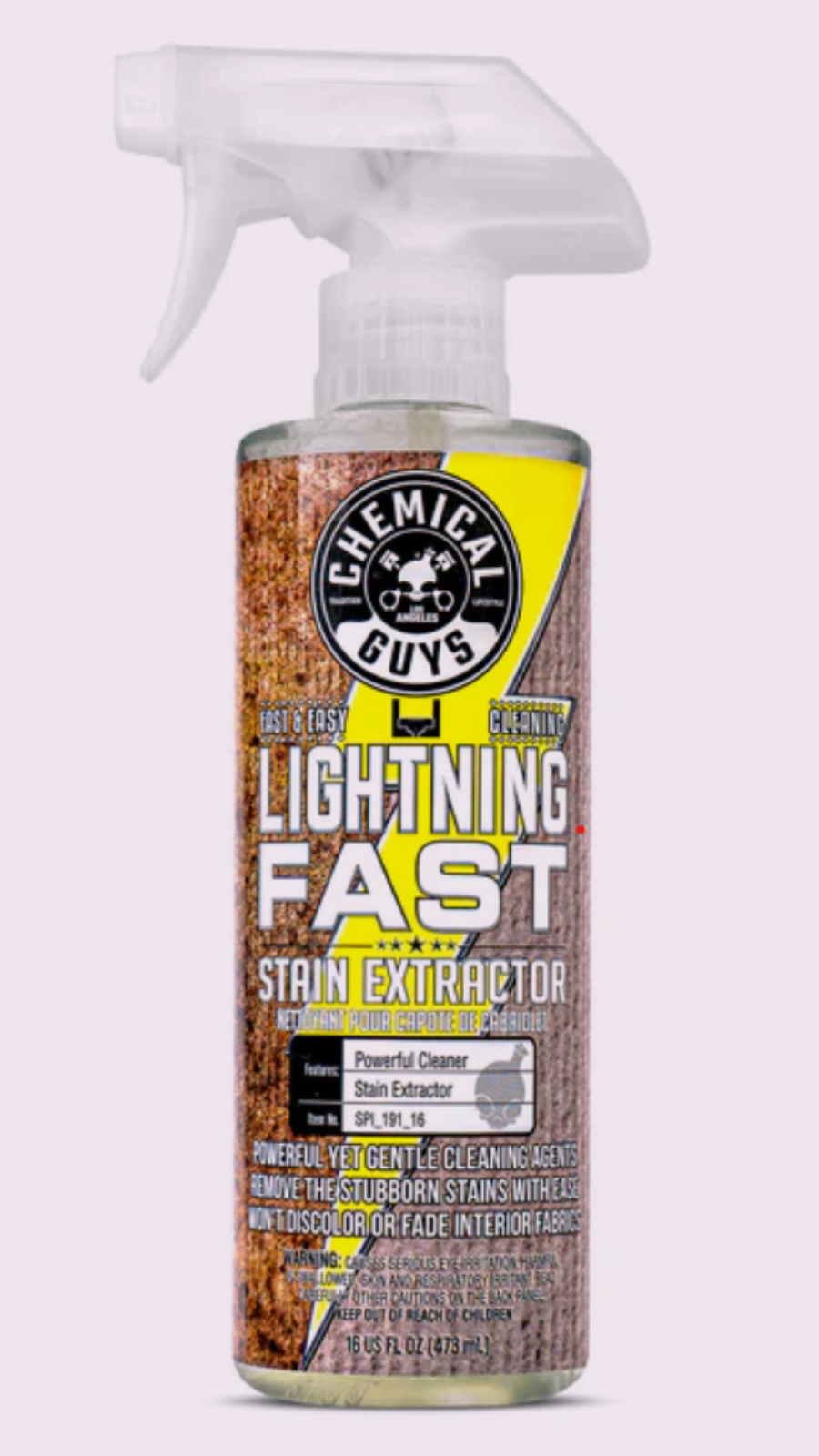
Chemical Guys sells several products for interior cleaning. Common options include Total Interior Cleaner and Protectant, Fabric Clean Carpet and Upholstery Shampoo, Lightning Fast Stain Extractor, Leather Cleaner, and Leather Conditioner. The best choice depends on the seat material and the type of soil.
Do not use a product simply because it works well on another part of the car. A strong cleaner can leave marks, fade fabric, dry leather, or damage a protective coating. When the label, seat material, or vehicle manual gives a different instruction, follow the stricter instruction.

What You Need Before Cleaning Car Seats
Gather the right tools before you start. This keeps the process simple and reduces the risk of spreading dirt or leaving the seat wet.
Basic supplies
- Chemical Guys cleaner suited to the seat material
- Two or more clean microfiber towels
- A vacuum with a crevice tool
- A soft interior brush or upholstery brush
- A bucket of clean water
- A spray bottle, if the product label permits dilution
- A soft detailing brush for seams and textured areas
- A dry towel for moisture removal
- Optional: a wet/dry vacuum or upholstery extractor
- Optional: nitrile gloves
Work in a shaded, well-ventilated place. Avoid cleaning seats in direct summer sun. Heat can dry the cleaner too fast and may create uneven marks.
Before spraying, move the vehicle to a safe place, turn off the ignition, and remove loose items. If the car has powered, heated, or ventilated seats, keep liquid away from switches, seams, motors, and electrical connectors.
Check the seat material
Use the vehicle owner’s manual when you are unsure. You can also compare the seat with this guide:
| Seat surface | Usual appearance | Suitable approach |
|---|---|---|
| Cloth or fabric | Woven or textured fibers | Fabric cleaner, light agitation, controlled moisture |
| Leather | Natural grain and soft surface | Leather cleaner followed by a suitable conditioner |
| Vinyl or synthetic leather | Smooth, plastic-like surface | Interior cleaner or a product labeled for vinyl |
| Alcantara or suede-like trim | Soft, fine, directional nap | Follow the vehicle maker’s care instructions |
| Perforated leather | Small ventilation holes | Use very little liquid and avoid filling the holes |
Some vehicles combine materials. For example, the seat cushion may be leather while the side panels are vinyl. Treat each surface according to its own material.
Important distinction: vehicle seats and child safety seats
A vehicle seat is not the same as a child safety seat. Do not apply Chemical Guys cleaners to a child car seat unless the child seat manufacturer specifically permits that product.
Many child safety seat makers limit cleaning to mild soap and water. Harsh cleaners, bleach, solvents, and conditioners may weaken straps or alter the performance of the fabric. Never soak harness straps, cut or machine-wash parts unless the manual allows it, or reinstall the seat before every part is fully dry.

How to Clean Cloth Car Seats With Chemical Guys
The safest method for cloth seats is to vacuum first, apply a small amount of fabric cleaner, agitate gently, and remove moisture before it reaches the foam.
Step 1: Vacuum the seat
Remove the floor mats and loose items. Vacuum the seat surface, seams, gaps, and the area between the seat and center console.
Use the crevice tool around the seat rails. Dirt in the seams can turn into mud when you spray cleaner. A slow vacuum pass often removes more grit than several fast passes.
Step 2: Read the product label
Chemical Guys fabric products may be ready to use or may require dilution. Check the current bottle for:
- Dilution instructions
- Recommended surfaces
- Required dwell time
- Whether rinsing is needed
- Whether an extractor is recommended
- Warnings for delicate or treated materials
Do not assume that every Chemical Guys interior product works the same way. A ready-to-use stain remover and a concentrated carpet shampoo have different instructions.
Step 3: Test a hidden area
Apply a small amount to a hidden part of the seat, such as the lower rear edge. Wait until the area dries. Check for:
- Color transfer
- Light or dark rings
- Stiffness
- Fading
- Texture changes
- Water marks
If the test area changes, stop and use a milder method or seek professional upholstery care.
Step 4: Clean small sections
Work on one section at a time. Lightly apply the fabric cleaner to the towel, brush, or seat surface according to the label.
For general dirt, a controlled mist is usually better than a heavy spray. Gently brush in short strokes. Do not grind the product deep into the fabric. Excess pressure can push soil farther into the cushion.
Wipe the area with a clean microfiber towel. Turn the towel often so you lift dirt instead of spreading it.
Step 5: Remove residue and moisture
If the label calls for rinsing, use a lightly damp towel or an upholstery extractor. Do not flood the seat.
A wet/dry vacuum can remove more water than towels alone. Make several slow passes over the cleaned area. If you do not have an extractor, press dry towels onto the seat to absorb moisture. Avoid rubbing hard while the fabric is wet.
Step 6: Dry the seat fully
Leave doors or windows open in a safe, dry location. Use airflow from a fan if available. Do not sit on the seat until it feels dry.
A damp cushion can develop a stale odor. It may also leave a visible tide mark as it dries. If the seat still feels cool or damp after the surface looks dry, it needs more drying time.

How to Remove Stains From Cloth Seats
Treat a stain based on its source, age, and size. A general fabric cleaner may handle fresh dirt, while old food, drink, grease, and biological stains may need repeated treatment.
Fresh liquid spills
Blot the spill with a clean towel. Do not scrub at first. Scrubbing can spread the liquid and drive it into the foam.
After blotting, apply the appropriate Chemical Guys fabric cleaner to a small area. Agitate gently, then blot again. Repeat in small cycles rather than soaking the entire seat.
Coffee, soda, and juice
Remove as much liquid as possible first. Sugary drinks can leave a sticky film that attracts more dirt.
Use a fabric product approved for upholstery. After cleaning, remove residue with a clean damp towel or extractor if the label permits. A second light rinse may be needed when the fabric feels sticky after drying.
Grease and body oil
Grease may resist a water-based fabric cleaner. Blot fresh grease with a dry towel. Do not use gasoline, paint thinner, or household degreaser on the seat.
Apply a product only if its label lists the material and soil type. Use a small amount, then inspect the area after drying. Large grease stains that have reached the foam may need professional upholstery cleaning.
Pet stains and odors
Clean the visible mark, but do not assume that surface cleaning removes the odor source. Pet urine and other biological fluids can travel into foam.
Use a cleaner designed and labeled for the material. Avoid mixing products. Never combine cleaners with bleach, ammonia, or other chemicals. If odor returns after the seat dries, the contamination may be below the surface.
Ink, dye, and transfer marks
Ink and dye can spread quickly. Test first and use the least aggressive method. Do not scrub hard or apply a large amount of solvent.
If the mark remains after one careful attempt, stop. Repeated rubbing can create a larger faded patch that is harder to repair than the original stain.

How to Clean Leather Car Seats With Chemical Guys
Clean leather seats with a product labeled for automotive leather, then use conditioner only when the leather maker permits it. The goal is to remove soil without stripping the finish.
Step 1: Remove loose dirt
Vacuum the seat, seams, and perforations with a soft brush attachment. Keep the vacuum nozzle from scraping the surface.
Step 2: Apply leather cleaner carefully
Spray the Chemical Guys leather cleaner onto a microfiber towel or soft brush rather than saturating the seat. This gives you better control near stitching and perforations.
Clean one small section at a time. Use light pressure and short strokes. Wipe away loosened dirt with a separate clean towel.
Step 3: Be careful with perforated leather
Perforated seats have small holes for ventilation. Excess cleaner can enter the cushion or ventilation system.
Do not pour or heavily spray cleaner onto perforated leather. Use a lightly damp towel or soft brush. Wipe across the surface, then dry the area at once.
Step 4: Condition only when appropriate
Leather conditioner may help maintain feel on some finished leather surfaces, but more product is not better. Many modern automotive seats have a protective surface coating. A thick conditioner layer can leave the seat greasy and attract dust.
Check the vehicle manual and the Chemical Guys label. Apply a small amount evenly, then buff away excess. Do not apply conditioner to steering wheels, pedals, or controls because it can make them slippery.
Step 5: Dry and inspect
The seat should feel clean and natural, not wet or oily. If it feels slick, wipe it with a clean, dry microfiber towel.

How to Clean Vinyl and Synthetic Leather Seats
Vinyl and synthetic leather usually need less moisture than cloth. Use a cleaner labeled for vinyl, plastic, or synthetic leather, and avoid abrasive tools.
Apply the cleaner to a microfiber towel first. Wipe a small section, then remove residue with another clean towel. A soft brush can help in textured grain, but do not use a stiff brush that may leave shiny patches.
For heavily soiled vinyl, repeat a mild cleaning cycle instead of using one strong application. Keep cleaner away from seat controls, switches, screens, and electrical seams.
If the surface has started to crack, peel, or become sticky, cleaning may not restore it. Those conditions usually indicate wear or coating failure. A professional trim repair service may provide a better result than more product.

How to Clean Seat Belts Without Damaging Them
Seat belts need gentle cleaning because the webbing and latch system are safety components.
Pull the belt out slowly and hold it extended. Wipe the webbing with mild soap and water unless the vehicle manual gives different instructions. Use a damp cloth, not a soaked belt.
Do not use bleach, solvents, strong degreasers, fabric softener, or leather conditioner on the belt. Do not scrub aggressively. Let the belt dry fully while extended before retracting it.
Keep liquid away from the retractor. If the belt is frayed, cut, badly stained, or does not retract correctly, have it inspected by a qualified technician. Cleaning cannot repair damaged restraint material.

Common Mistakes When Cleaning Car Seats
Avoid these mistakes because they can create stains, odors, or safety problems.
Using too much product
More cleaner does not always mean a cleaner seat. Excess liquid can reach the foam, wiring, seat heater, or airbag components. Start with less and repeat only when needed.
Skipping the hidden-spot test
A product may change the color or finish even when it is marketed for interior use. Test first, especially on older seats, dyed leather, suede-like trim, and custom upholstery.
Mixing cleaning chemicals
Do not mix Chemical Guys products with bleach, ammonia, vinegar, alcohol, or other cleaners. Chemical combinations can create harmful vapors or damage the seat.
Using a hard brush
A stiff brush can roughen fabric, polish vinyl, or damage leather grain. Use the softest tool that can remove the dirt.
Drying only the surface
A seat can feel dry on top while the foam remains damp. Use airflow and wait until the entire area feels dry before driving or reinstalling a child safety seat.
Cleaning over an open airbag seam
Many seats contain side airbags. Do not stitch, glue, cover, or heavily saturate a marked airbag seam. If a seat cover, damaged seam, or wet cleaning process may affect the airbag area, consult the vehicle manufacturer or a qualified repair professional.

Chemical Guys Car Seat Cleaning: Which Product Type Should You Use?
Choose the product by material and task, not by the strongest cleaning claim.
| Cleaning need | Product type to consider | Main caution |
|---|---|---|
| Light dirt on many interior surfaces | Interior cleaner | Confirm it is safe for the specific material |
| Cloth seat cleaning | Fabric or upholstery shampoo | Control moisture and remove residue |
| Small fabric stain | Upholstery stain remover | Test first; avoid spreading the stain |
| Leather soil | Automotive leather cleaner | Do not saturate or scrub hard |
| Leather maintenance | Leather conditioner | Use only when compatible; remove excess |
| Vinyl or synthetic leather | Cleaner labeled for vinyl or interior trim | Avoid oily residue and abrasive tools |
Product names and formulas can change. Check the current Chemical Guys label and the vehicle manufacturer’s care instructions before use. A product’s intended use is more reliable than a general claim that it is “safe for interiors.”
What to Do If the Seat Still Looks Dirty
If the seat looks worse after cleaning, stop and let it dry fully before trying again. Wet fabric often looks darker and can hide the final result.
Use this troubleshooting sequence:
- Wait for complete drying. Moisture can create temporary dark areas.
- Check for residue. A sticky or stiff feel may mean too much product remains.
- Wipe or extract lightly. Use a clean damp towel only when the label allows it.
- Inspect the stain type. Grease, dye, and deep biological stains may need a specialized process.
- Stop if color has changed. Further scrubbing may increase the damage.
- Call a professional cleaner for deep contamination. This is especially useful when liquid has reached the foam or odor returns after drying.
A clean seat should have an even appearance, no sticky film, no strong chemical smell, and no damp feel. It should also retain its normal texture and function.

Key Takeaways
- Identify the seat material before choosing a Chemical Guys product.
- Vacuum first to prevent loose dirt from becoming mud.
- Test every cleaner on a hidden area.
- Use light applications and clean small sections.
- Do not soak cloth, leather, perforated seats, or seat-belt webbing.
- Keep cleaners away from electrical controls and airbag seams.
- Dry the seat and foam fully before use.
- Never use an unapproved cleaner on child safety seat straps or buckles.
- Stop when a stain does not improve or the material starts to change.
Frequently Asked Questions
Can I use Chemical Guys Total Interior Cleaner on cloth car seats?
You can use it only if the current product label lists the cloth or fabric surface as compatible. Test a hidden spot first, apply a small amount, and avoid soaking the cushion. For heavy fabric soil, a dedicated upholstery product may be more suitable.
Can I use Chemical Guys leather cleaner on vinyl seats?
Do not assume that a leather cleaner is suitable for vinyl. Check the label and test the product. When the label does not mention vinyl or synthetic leather, use a product made for those surfaces instead.
How often should I clean car seats?
Clean spills as soon as possible. For routine care, vacuum regularly and perform a deeper clean when the seats look soiled or develop odor. Use less product for frequent maintenance and reserve deeper cleaning for actual buildup.
How do I remove a bad smell from a car seat?
First find the source. Clean the surface with a compatible product, remove residue, and dry the seat completely. If the smell returns, liquid may be in the foam, carpet, or seat padding. Professional extraction may be needed.
Can I use a steam cleaner on car seats?
Only use steam when the vehicle and seat-material instructions permit it. Heat and moisture can damage adhesives, coatings, leather finishes, electronics, and seat components. Avoid steam near airbag seams, controls, and seat-belt retractors.
Conclusion
The best way to clean car seats with Chemical Guys products is to match the cleaner to the material, use controlled moisture, and dry the seat completely. Cloth seats usually need fabric cleaning and moisture extraction, while leather and vinyl need gentle surface cleaning with no oily residue.
Start with a vacuum and a hidden-spot test. If the seat has deep stains, recurring odor, damaged material, or possible contamination inside the foam, stop using more product and choose professional upholstery care.