Yes, a dead car battery can often be recharged, but severe damage may make replacement safer.
Knowing whether can a dead car battery be recharged depends on what “dead” means. A battery that lost power because you left the lights on may recover well. A battery with a shorted cell, cracked case, or heavy sulfation may not. This guide explains how to tell the difference, how to recharge it safely, and when replacement is the better choice.
What “dead” means for a car battery
A car battery is usually a 12 volt lead acid battery. It stores electrical energy and sends a strong burst of power to the starter motor. The alternator then recharges the battery while the engine runs.
In daily speech, “dead battery” can mean several things:
• A discharged battery has low power but may still be healthy.
• A deeply discharged battery has very little stored energy and may need a slow charge.
• A failed battery has internal damage and cannot hold a useful charge.
• A frozen battery may have serious case damage and should not be charged.
So, can a dead car battery be recharged? Often, yes, if the battery is only discharged. The key is finding out why it went flat and checking its condition before connecting a charger.

Can a dead car battery be recharged?
A dead car battery can usually be recharged when an electrical load drained it. Common causes include headlights left on, a door left open, a weak charging system, or a car that sat unused for several weeks.
However, charging cannot repair every battery problem. A charger adds energy, but it cannot fix broken plates, damaged cells, severe corrosion, or a cracked battery case.
A good rule is this:
• If the battery is fairly new and went dead once, recharge and test it.
• If the battery is several years old and repeatedly goes dead, plan for replacement.
• If the battery smells like rotten eggs, leaks fluid, looks swollen, or has a cracked case, do not charge it.
A normal 12 volt battery rests near 12.6 volts when fully charged. A reading near 12.2 volts shows a partly discharged battery. A reading below 12 volts means it is deeply discharged, though voltage alone does not prove the battery is bad.
Why a car battery loses its charge
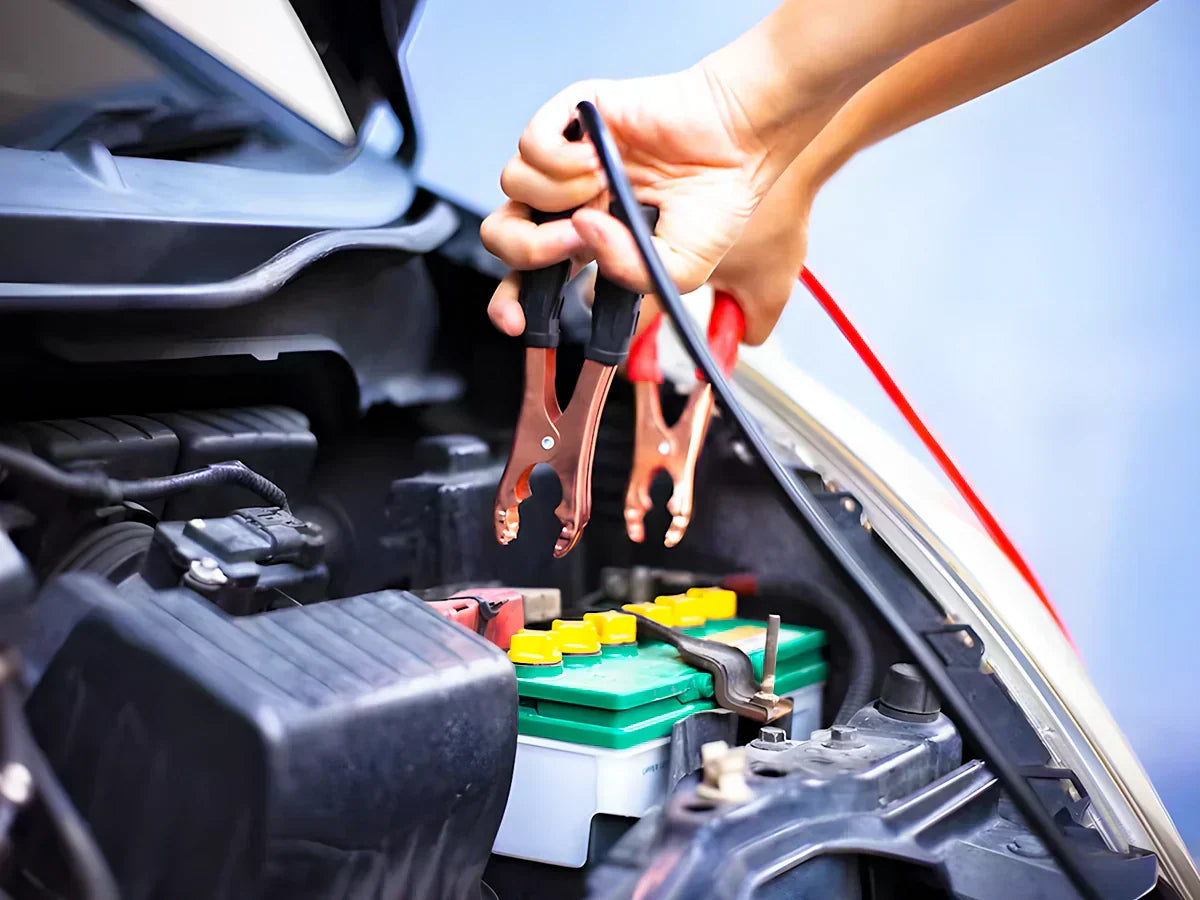
Finding the cause matters. If you recharge the battery but do not fix the cause, the car may fail again the next morning.
Common causes of a dead battery
• Leaving the headlights, cabin lights, or radio on
• A loose or dirty battery connection
• A failing alternator or voltage regulator
• A parasitic drain from an alarm, module, or aftermarket device
• Cold weather, which reduces battery output
• Hot weather, which speeds up battery wear
• A battery that has reached the end of its service life
• Long periods without driving
Short trips can also cause trouble. Starting the engine uses a large amount of energy. A short drive may not give the alternator enough time to replace it.
In my troubleshooting experience, one of the most common mistakes is blaming the battery too soon. A weak alternator or a hidden electrical drain can make a new battery look defective. Always test the charging system if the problem returns.
How to check a dead car battery before charging
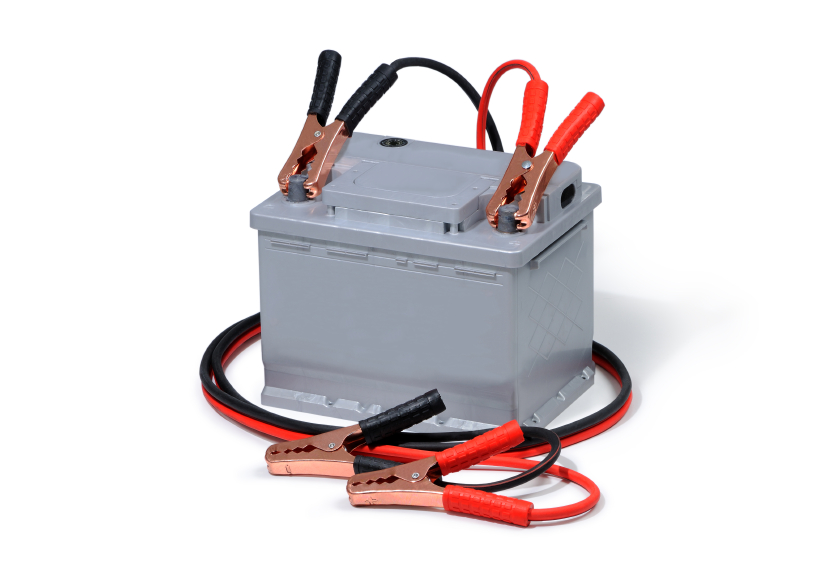
Safety comes first. Park outside or in a well ventilated area. Turn off the engine and all electrical devices. Keep sparks, cigarettes, and open flames away from the battery.
Inspect the battery carefully:
• Look for cracks, leaks, bulges, or melted plastic.
• Check for white, blue, or green corrosion around the terminals.
• Make sure the battery is not frozen.
• Confirm that the positive and negative cables are tight.
A swollen battery is a serious warning sign. It may have frozen or overheated, and charging it can be dangerous.
Testing with a multimeter
Set a digital multimeter to DC voltage. Touch the red probe to the positive terminal and the black probe to the negative terminal.
Use these readings as a general guide:
• 12.6 to 12.8 volts: fully charged
• 12.4 volts: partly charged
• 12.2 volts: about half charged
• Below 12 volts: deeply discharged
• Near 10.5 volts: possible shorted cell
Let the car sit with the engine off for at least 30 minutes before testing. Surface charge can create a reading that looks better than the battery really is.

How to recharge a dead car battery safely
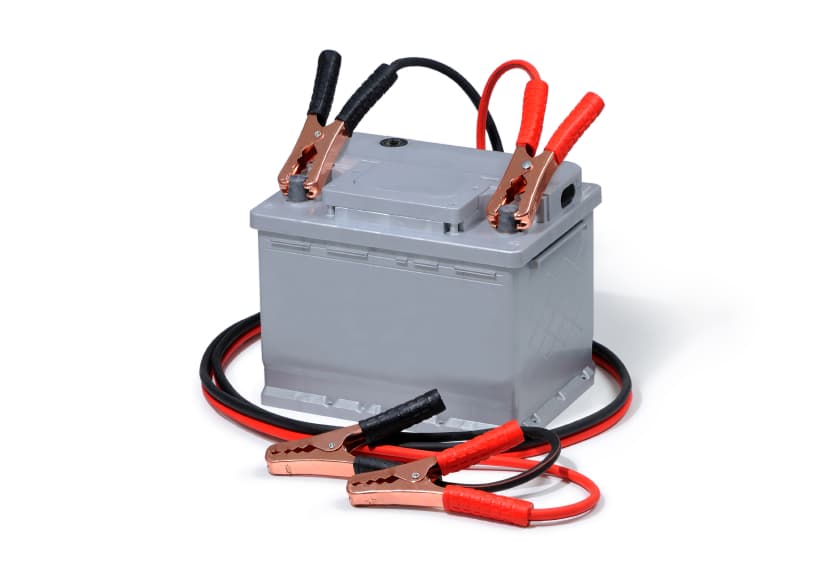
A smart battery charger is usually the best tool. It controls the charging rate and can stop or reduce the current when the battery is full.
Follow these steps:
-
Read the vehicle and charger manuals.
-
Turn off the ignition and all accessories.
-
Place the charger on a dry, stable surface.
-
Connect the red charger clamp to the positive battery terminal.
-
Connect the black clamp to the negative terminal or a clean engine ground, based on the charger instructions.
-
Select the correct battery type and voltage.
-
Choose a low charging rate, often 2 to 10 amps.
-
Start the charger and allow it to work.
-
Disconnect the charger from power before removing the clamps.
-
Remove the black clamp first, then the red clamp.
A slow charge is gentler than a high current charge. A deeply discharged battery may need several hours or overnight. Do not rush the process with a high setting unless the battery maker specifically allows it.
Do not charge a frozen, leaking, cracked, or badly swollen battery. Also, do not place a charger on a battery in a sealed room with no ventilation. Lead acid batteries can release hydrogen gas, which can ignite.
Can a car recharge its own dead battery?
The alternator can recharge a battery after the engine starts, but it is not a good substitute for a proper battery charger.
If a jump start gets the engine running, drive for at least 20 to 30 minutes under normal conditions. This may restore some power, but it may not fully recharge a deeply drained battery. Idling in the driveway is even less effective.
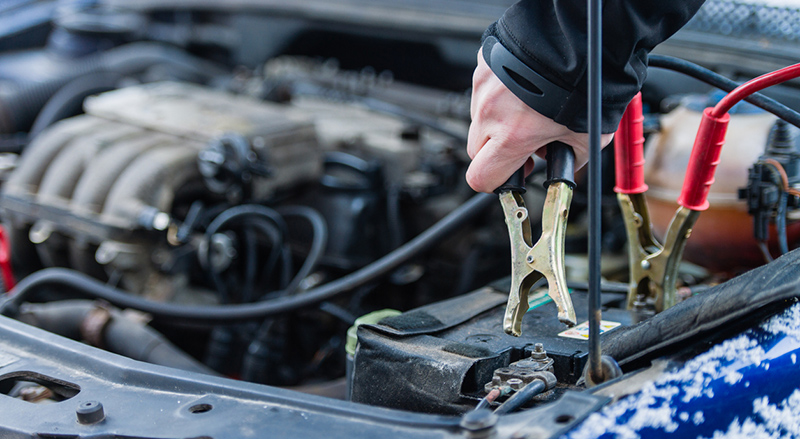
A jump start also carries risk. Incorrect cable connections can damage electronic systems or cause sparks. Follow the vehicle manual, and use a jump starter with built in safety protection when possible.
If the battery dies again after driving, test these parts:
• Battery health
• Alternator output
• Battery cables and ground straps
• Starter motor current draw
• Key off electrical drain
With the engine running, many vehicles show roughly 13.7 to 14.7 volts at the battery. The exact number varies by vehicle, temperature, and charging strategy. A professional test is best for newer vehicles with smart charging systems.

How long does it take to recharge a dead car battery?
Charging time depends on battery size, battery condition, charger output, and how deeply the battery was drained.
A rough guide looks like this:
• A small maintenance charger may take 12 to 24 hours.
• A 5 amp charger may take 8 to 12 hours for a moderately drained battery.
• A 10 amp charger may take 4 to 8 hours.
• A jump start may provide enough power to start the car, but not a full recharge.
These times are estimates, not guarantees. A battery with internal damage may remain weak even after many hours on a charger.
After charging, let the battery rest for several hours. Then check the voltage. A healthy, fully charged battery should remain near 12.6 volts. Next, have it tested under load. This test checks whether the battery can deliver power while starting the engine.

Signs a dead battery should be replaced
Recharging may not be worth trying when the battery shows clear signs of failure.
Replace the battery when:
• It is more than three to five years old and repeatedly loses power.
• It fails a proper load or conductance test.
• It has a cracked case, leak, swelling, or severe corrosion.
• It cannot hold about 12.6 volts after a full charge and rest period.
• The starter still turns slowly with a full charge.
• The battery has a shorted cell or very low voltage.
Battery life varies with climate and use. Extreme heat often causes faster internal wear. Cold weather then reveals the problem because a weak battery has less starting power.
Do not throw an old battery in household trash. Automotive batteries contain lead and acid, and most auto parts stores or recycling centers accept them.
Common mistakes when charging a dead battery
Charging a battery is simple, but small errors can create real danger or damage.
Avoid these mistakes:
• Connecting the clamps backward
• Using the wrong charger voltage
• Charging a battery that is frozen or damaged
• Choosing the highest amp setting without checking instructions
• Leaving the charger unattended for too long
• Assuming a jump start proves the battery is healthy
• Replacing the battery without checking the alternator
• Cleaning corrosion without wearing eye protection and gloves
A useful habit is to take a photo of the cable positions before removing them. It helps prevent reversed connections, especially in poor light.
If the terminals are dirty, switch off the vehicle and remove the negative cable first. Clean corrosion with a battery terminal brush. Reconnect the positive cable first and the negative cable last. Tight connections help the charging system work as designed.
How to prevent another dead battery
Once you know can a dead car battery be recharged, prevention becomes the next goal. A few simple habits can extend battery life and reduce surprise breakdowns.
• Turn off lights and accessories before leaving the vehicle.
• Drive long enough for the alternator to replace starting energy.
• Inspect terminals during routine service.
• Test the battery before winter or a long road trip.
• Use a battery maintainer if the car sits for weeks.
• Repair warning signs such as dim lights or slow cranking.
• Check aftermarket equipment for electrical drain.
A battery maintainer supplies a small, controlled charge. It is useful for classic cars, seasonal vehicles, motorcycles, and cars stored during travel.
My practical lesson is simple: do not wait for the first cold morning to test the battery. A quick test before winter can prevent a tow, a missed appointment, and a lot of stress.
When to call a professional
You can often recharge a dead car battery at home, but some situations need professional help.
Call a qualified technician when:
• The battery is damaged or leaking.
• The battery becomes hot during charging.
• You smell sulfur or rotten eggs.
• The vehicle has complex electronic systems.
• A new battery keeps going dead.
• The alternator or starter may be failing.
• You are unsure where the positive and negative terminals are.
A technician can perform a battery load test, alternator test, parasitic drain test, and cable voltage drop test. These checks identify the real problem instead of treating only the symptom.
Modern vehicles may also need battery registration after replacement. This process tells the vehicle computer that a new battery is installed. Check the service information for your specific model.
Frequently Asked Questions About Can a Dead Car Battery Be Recharged
Can a completely dead car battery be recharged?
Yes, a completely discharged battery may recharge if its internal plates and cells are still healthy. A smart charger may need many hours, and the battery should be tested after charging.
Can a dead car battery be recharged while it is still in the car?
Usually, yes, if the charger instructions and vehicle manual allow it. Connect the clamps carefully, provide ventilation, and avoid charging a damaged or leaking battery.
How do I know if a dead car battery is bad?
A battery may be bad if it fails to hold about 12.6 volts after charging and resting. A load test can confirm whether it can deliver enough power to start the engine.
Can a jump start fully recharge a dead car battery?
Usually not. A jump start gets the engine running, but the alternator may need much longer than a normal drive to restore a deeply discharged battery.
Is it safe to recharge a frozen car battery?
No. A frozen battery can crack, leak acid, or explode during charging. Let it thaw in a safe place, then inspect it carefully and replace it if damaged.
How many times can a dead car battery be recharged?
There is no fixed number. A healthy battery can recover from occasional discharge, but repeated deep discharges shorten its life and may eventually prevent it from holding a charge.
Can a dead car battery be recharged overnight?
It can be recharged overnight with a suitable smart charger and proper ventilation. Use a low setting and stop immediately if the battery becomes hot, swollen, or produces a strong odor.
Conclusion
Can a dead car battery be recharged? In many cases, yes. A battery drained by lights, accessories, or long storage may recover with a slow, controlled charge. A battery with physical damage, a failed cell, or repeated starting problems usually needs replacement.
Check the battery before charging, use the correct equipment, and test the alternator if the problem returns. If you are unsure, a professional battery and charging system test is a safe investment. Share your battery experience or explore more vehicle maintenance guides to keep your next start trouble free.