
The best car shampoo for most drivers in the United States is a pH-balanced, lubricating car wash soap that cleans road film without stripping wax or harming paint, glass, rubber, or plastic trim. A good all-purpose choice is a well-known pH-neutral shampoo with clear dilution instructions and strong lubrication.
The right product still depends on your vehicle’s finish, the type of dirt, local water quality, and whether the car has wax, sealant, or ceramic coating. A shampoo that works well on a daily driver may not be the best choice for heavy mud, hard-water spots, or a coated vehicle.
Introduction
Cars in the U.S. face a wide mix of dirt. Road salt affects vehicles in the Northeast and Midwest. Dust and pollen build up across the South and Southeast. Desert areas add fine sand, while coastal regions expose paint to salt air. Many drivers also deal with hard tap water, winter grime, bird droppings, and oily road film.
The best car shampoo should help remove this dirt while reducing the chance of scratches. It should create slick wash water, rinse clean, and match the protection already on the vehicle. More foam does not always mean better cleaning, and a scented soap is not automatically safer for paint.
This guide explains what to look for, how to compare products, and how to wash a car with less risk of swirl marks.
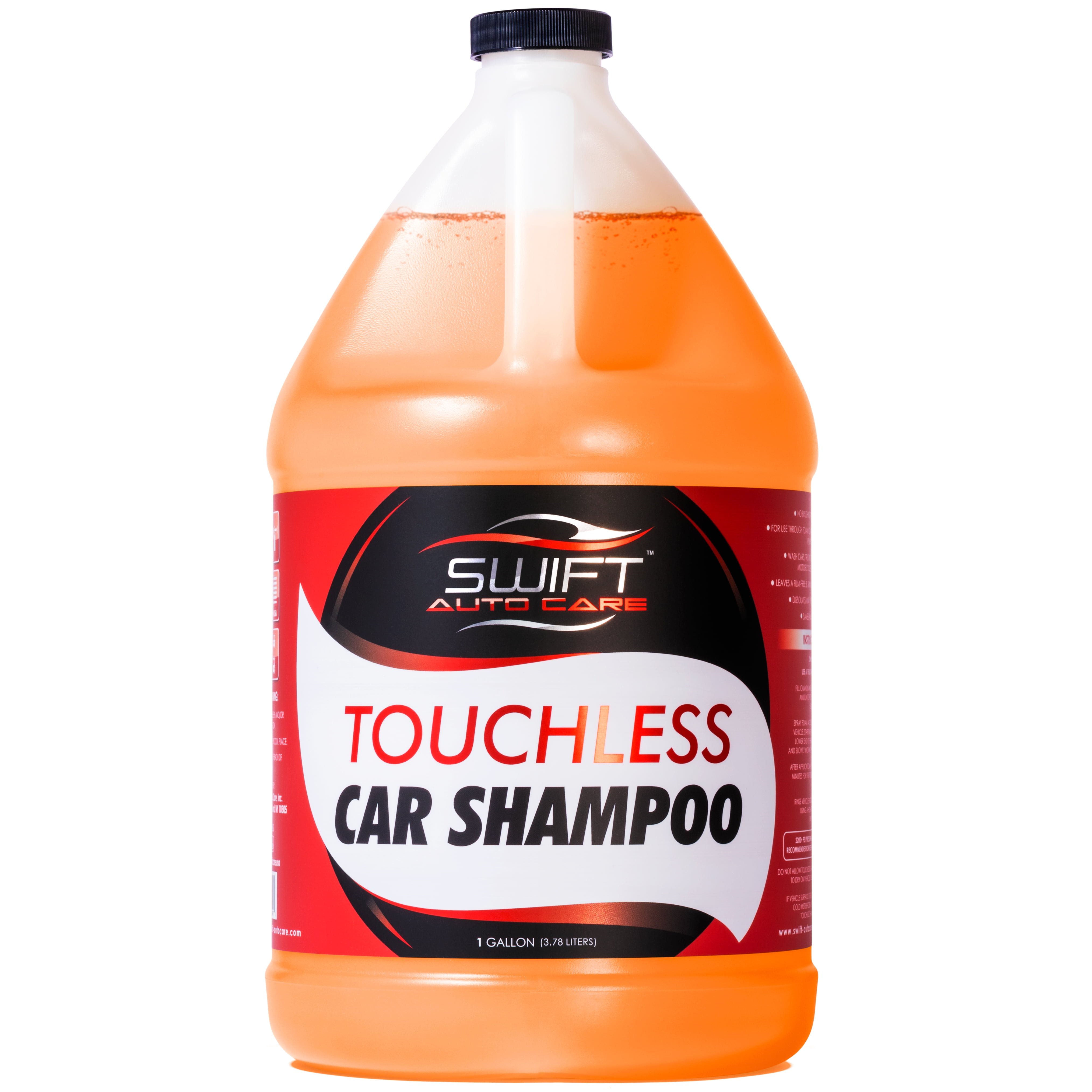
Quick answer: Which car shampoo is best?
For most vehicles, choose a pH-neutral car shampoo with high lubrication, good rinsing, and no harsh degreasers.
A suitable shampoo should:
- Be made for automotive paint.
- State a clear water-to-soap ratio.
- Provide enough lubrication for a wash mitt to glide.
- Rinse without a heavy film.
- Work with wax, paint sealants, and most ceramic coatings.
- Come from a manufacturer that lists use instructions and material compatibility.
For routine washing, products such as Meguiar’s Gold Class Car Wash, Optimum Car Wash, Griot’s Garage Brilliant Finish Car Wash, and Chemical Guys Mr. Pink are examples of commonly available U.S. car shampoos. Product formulas and labels can change, so check the current package before buying.
No single shampoo is best for every job. A neutral soap is usually best for regular washing. A stronger wash may be useful before paint correction, but it can reduce or remove some waxes and may not be suitable for frequent use.

What makes a car shampoo good?
A quality car shampoo balances cleaning power and surface safety. It must loosen dirt, hold that dirt in the wash solution, and allow the wash mitt to move across the paint with low friction.
1. pH balance
pH describes how acidic or alkaline a product is. A pH-neutral shampoo is close to the middle of the pH scale when mixed as directed.
For regular maintenance, pH-neutral soap is a sensible starting point because it is less likely to affect wax, sealants, rubber, or trim when used correctly. However, pH alone does not tell the whole story. Surfactants, solvents, additives, dilution, and dwell time also affect performance.
A product labeled “pH neutral” is not automatically the best product. Look for lubrication, clear instructions, and clean rinsing as well.
2. Lubrication
Lubrication helps reduce direct contact between trapped dirt and the paint. This matters because grit can act like sandpaper when a wash mitt moves over the surface.
A slick soap cannot prevent every scratch. A dirty mitt, poor rinse method, strong pressure, or washing in direct sun can still cause damage. Lubrication is one part of a safe process, not a guarantee.
3. Cleaning power
Most maintenance shampoos use surfactants. These ingredients help water spread and help lift oily or dusty soil from the surface.
Strong cleaning power is useful for traffic film and winter grime. Too much cleaning power, especially from a high-alkaline product or solvent-heavy formula, may reduce wax protection. The best choice depends on whether you want to maintain protection or remove it before detailing.
4. Rinsing behavior
A good shampoo should rinse away without leaving a cloudy film. This is especially useful in areas with hard water, where minerals can remain on paint after water dries.
Some wash products contain gloss agents or wax-like additives. These may improve the look for a short time, but they can also leave residue. If you use a spray sealant or ceramic topper after washing, a simple shampoo that rinses clean may be a better match.
5. Concentration
Concentration matters because the bottle size does not show the real cost per wash. Compare products by the amount needed for one bucket, not only by price.
For a hypothetical example:
| Product | Bottle price | Washes per bottle | Approximate cost per wash |
|---|---|---|---|
| Shampoo A | $18 | 36 | $0.50 |
| Shampoo B | $24 | 60 | $0.40 |
The cheaper bottle is not always the cheaper product to use. Follow the label instead of adding extra soap. More soap can make rinsing harder without improving cleaning.
The main types of car shampoo
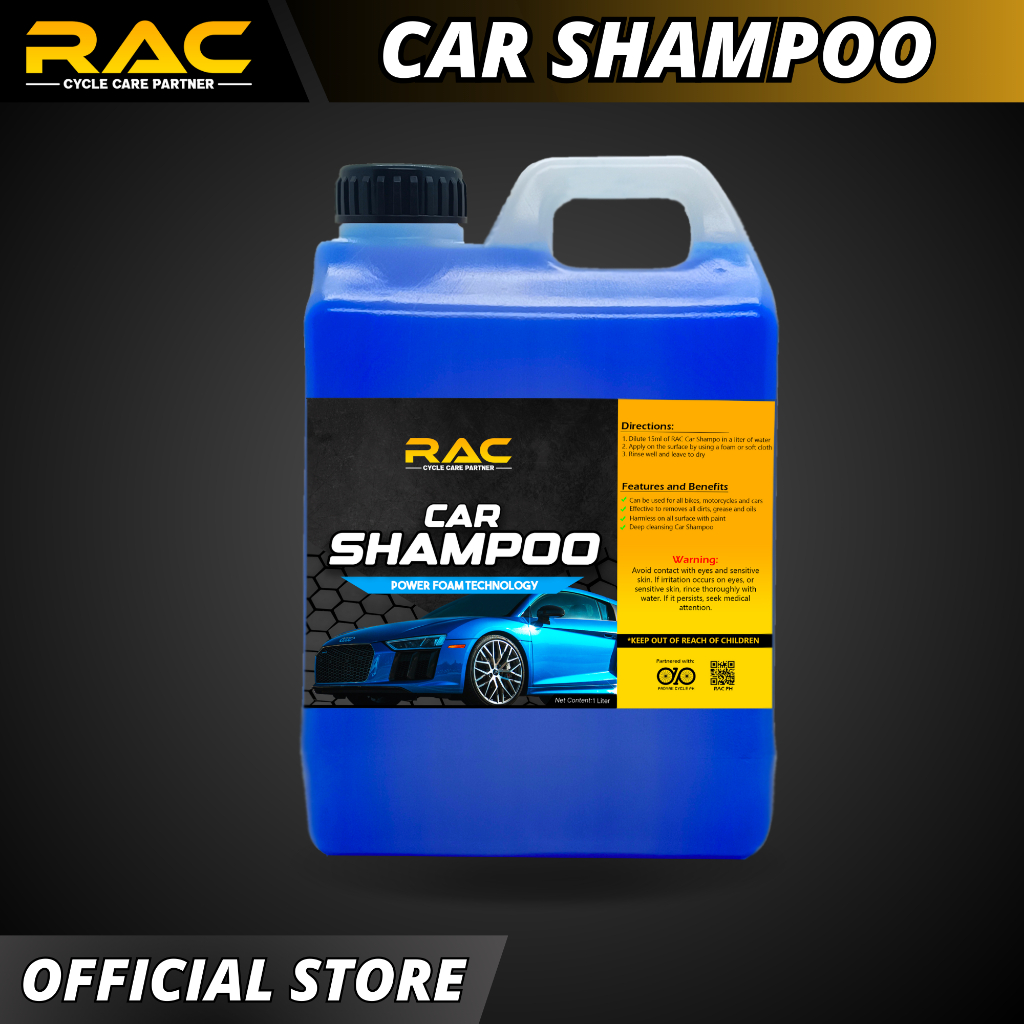
Different shampoos solve different problems. The best car shampoo for your vehicle depends on the condition of the paint and the protection you want to keep.
pH-neutral maintenance shampoo
This is the best general category for most drivers. It suits regular washing on painted panels, clear coat, glass, wheels, and exterior trim when the label permits those surfaces.
Use it when:
- The car is washed every one to four weeks.
- The paint has wax, a sealant, or a ceramic coating.
- The dirt is light to moderate.
- You want a safe product for repeated use.
Wash-and-wax shampoo
Wash-and-wax products add glossing or protective ingredients during the wash. They can be useful when you want a simple maintenance step.
Their limits are worth knowing:
- They do not replace a dedicated wax or paint sealant.
- They may leave residue on glass.
- They may not bond well over every existing coating.
- They can make it harder to judge the true condition of the paint.
Choose this type when convenience matters more than precise surface preparation.
High-alkaline or strong-cleaning shampoo
A stronger shampoo can help remove traffic film, oily dirt, and neglected grime. It may be useful before applying a new coating or correcting paint.
Use caution because repeated use can reduce some wax or sealant protection. Always follow the label, and do not assume that “strong” means “better” for weekly washing.
Ceramic-safe shampoo
A ceramic-safe shampoo is usually designed to clean without leaving ingredients that interfere with the coating’s behavior. Some are pH neutral, while others use a different formula.
“Ceramic-safe” does not mean the shampoo restores a failed coating. If water no longer beads, the cause may be dirt, mineral deposits, contamination, or coating wear. A shampoo alone cannot diagnose that problem.
Waterless or rinseless wash
Waterless and rinseless products are useful when local rules, drought, apartment living, or limited access to a hose make a traditional wash difficult.
They require more care when the vehicle is heavily muddy. A traditional rinse and two-bucket wash is often safer for heavy sand, thick mud, or winter salt because it removes more loose soil before contact.
Best car shampoo by vehicle and washing goal
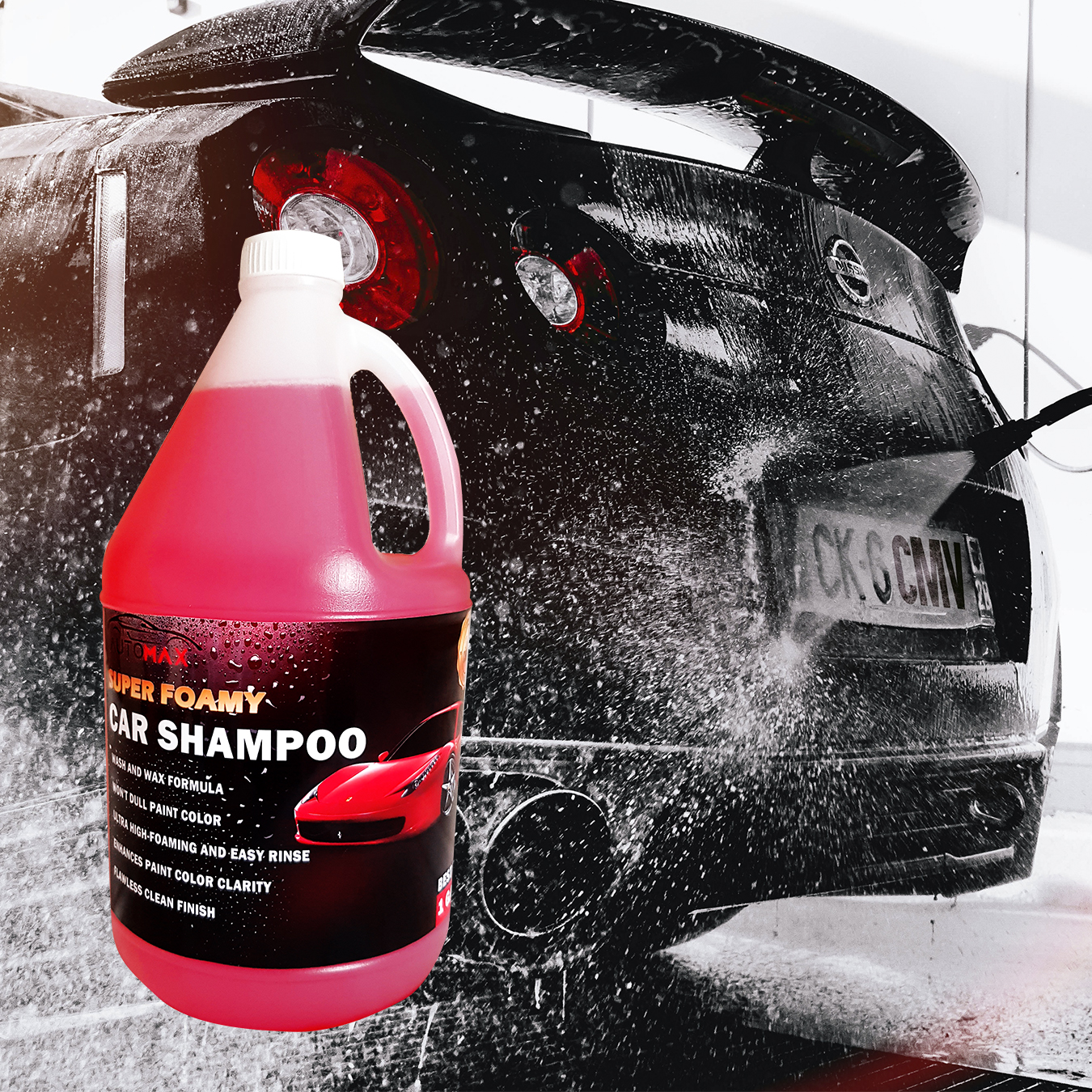
Use the table below as a starting point. The “best” choice changes with the task.
| Your situation | Best shampoo type | Why |
|---|---|---|
| Weekly or regular washing | pH-neutral maintenance shampoo | Gentle, simple, and suitable for repeated use |
| Waxed or sealed paint | Lubricating pH-neutral shampoo | Helps maintain existing protection |
| Ceramic-coated vehicle | Coating-safe maintenance shampoo | Cleans without relying on harsh chemistry |
| Very dirty daily driver | Stronger maintenance shampoo | Offers more cleaning power, but check protection claims |
| Preparing for polishing | Cleaning shampoo or dedicated decontamination process | Helps remove road film before correction |
| Water restrictions | Rinseless wash product | Uses less water when applied correctly |
| Heavy mud or sand | Traditional car shampoo with pre-rinse | Removes loose grit before mitt contact |
| Hard-water area | Low-residue shampoo plus drying aid | Reduces the chance of mineral marks |
A vehicle with delicate or recently repaired paint may need special instructions from the body shop. Fresh paint, matte finishes, vinyl wraps, and specialty films should be cleaned according to the material maker’s guidance.

How to wash a car with the best shampoo
The shampoo matters, but the wash method has a greater effect on scratch risk than the brand name.
What you need
Prepare:
- A car shampoo made for automotive surfaces.
- Two clean wash buckets.
- A grit guard, if available.
- A soft microfiber wash mitt.
- A separate wheel brush or mitt.
- A hose or pressure washer.
- Several clean, plush drying towels.
- A drying aid, if compatible with your protection.
Do not use the same mitt on wheels and painted panels. Brake dust can contain abrasive particles.
Step 1: Work in the shade
Wash when the body panels are cool. Direct sun can dry soap and water before you can rinse them. Early morning, late afternoon, or a shaded area is usually easier.
Step 2: Rinse the vehicle
Rinse from the top down. Remove loose dust, sand, and mud before touching the paint.
Do not use high pressure close to damaged paint, loose trim, stone chips, or weather seals. Keep the nozzle at a safe distance and use care around sensitive areas.
Step 3: Mix the shampoo as directed
Put the recommended amount of soap in the wash bucket, then add water. Fill the second bucket with plain rinse water.
Too much soap can leave residue. Too little may reduce lubrication. The label’s dilution ratio is more useful than a general rule.
Step 4: Wash one small area at a time
Start with the roof and upper glass. Then move to the hood, trunk, upper doors, and lower panels.
Use straight, light passes rather than hard circles. Rinse the mitt often. Let the shampoo and mitt do the work; pressure pushes grit into the clear coat.
Step 5: Clean the dirtiest areas last
Lower doors, bumpers, rocker panels, and the rear of the vehicle often hold the most dirt. Wash them after the cleaner upper panels.
Use a separate mitt for wheels if possible. Wheel cleaners may also require a separate product and safety check.
Step 6: Rinse thoroughly
Rinse from top to bottom. Make sure soap is removed from trim gaps, mirrors, door handles, grilles, and panel seams.
Step 7: Dry without letting water evaporate
Use a clean microfiber drying towel. Blot or lightly drag the towel across the surface. Do not use a towel that has fallen on the ground.
Drying quickly helps reduce mineral spots, especially with hard water. If spots already exist, do not scrub harder. The minerals may need a dedicated water-spot remover or professional paint correction.
Signs the process worked
You should see:
- No visible loose dirt left on the paint.
- No soap film or streaks.
- Even water behavior across the surface.
- No new hazy swirls under strong light.
- Clean, dry trim and panel gaps.
If the car still looks dull after washing, the cause may be bonded contamination, oxidation, scratches, or mineral deposits. More shampoo will not solve those problems.

Car shampoo mistakes to avoid
Several common habits create more risk than the choice between reputable shampoos.
Using dish soap for routine washing
Dish soap is made to remove food grease from household dishes. Some formulas may be harsher than needed for regular vehicle care and can reduce wax protection.
One wash is unlikely to destroy a modern clear coat, but dish soap is not the right maintenance product for most painted vehicles.
Washing with one bucket
A single bucket can put dirt back onto the mitt. Two buckets create a separate place to rinse soil from the mitt before loading it with fresh shampoo.
The two-bucket method is not magic. Clean mitts, gentle pressure, and a pre-rinse still matter.
Washing in circles with pressure
Circular scrubbing can create visible swirl patterns. Pressure increases friction. Use light contact and let the wash solution loosen the dirt.
Using a dirty towel
A towel that looks clean may still contain grit. Wash microfiber separately from cotton items, avoid fabric softener, and retire towels that become rough or contaminated.
Adding too much product
More shampoo does not always produce better cleaning. Excess soap can increase residue and make rinsing difficult. Measure the product at least until you learn its normal dilution.
Ignoring the label
Some shampoos are safe for paint but not intended for convertible fabric, matte finishes, unsealed wheels, or interior surfaces. Follow the manufacturer’s directions for the exact product.
How to choose between popular car shampoo options
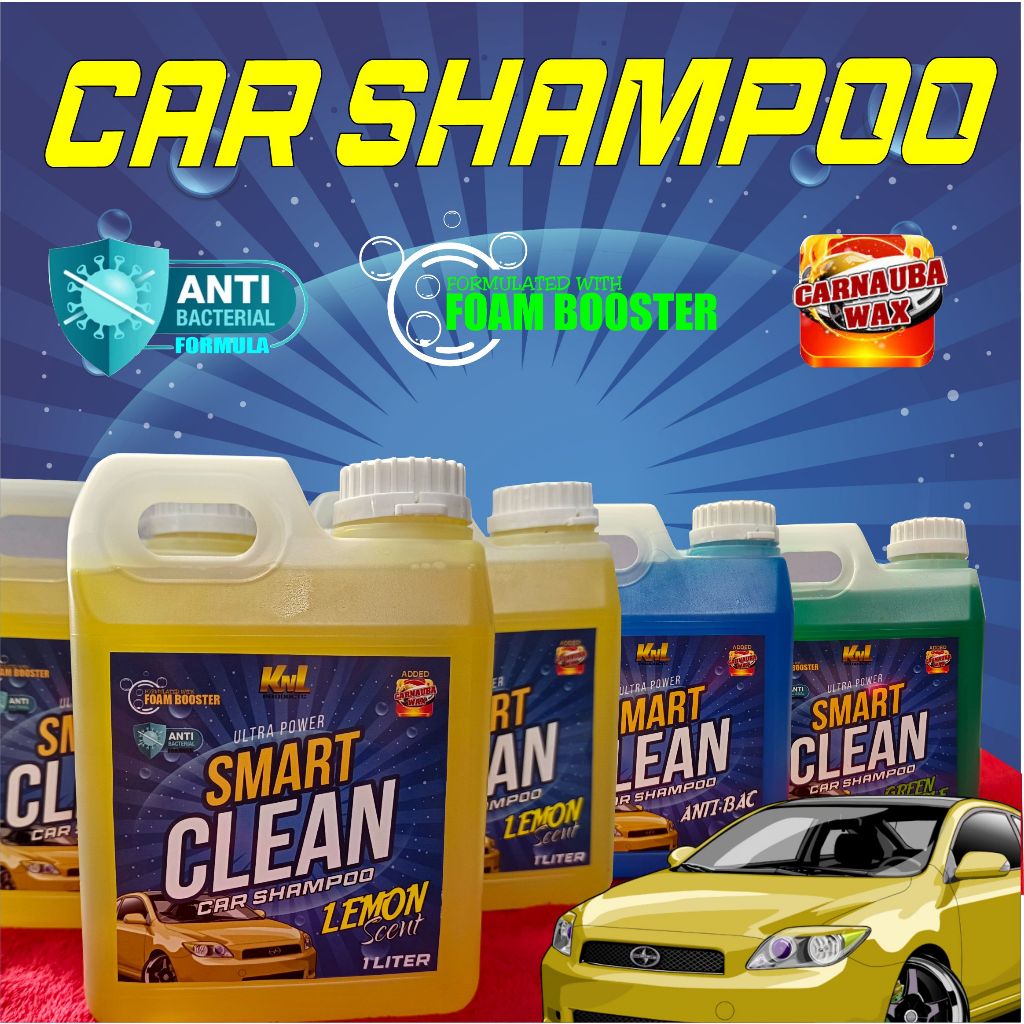
Brand reputation helps, but it should not replace a fit-for-purpose comparison. Consider these traits when reviewing a product:
- Meguiar’s Gold Class Car Wash: A mainstream maintenance option for drivers who want broad availability and a familiar wash formula. Check the current label if you want to preserve a specific coating or avoid gloss additives.
- Optimum Car Wash: Often considered by enthusiasts who value a concentrated maintenance shampoo and controlled use. Confirm the current dilution instructions.
- Griot’s Garage Brilliant Finish Car Wash: A reasonable option for routine washing when clean rinsing and finish appearance matter. Verify compatibility with your existing protection.
- Chemical Guys Mr. Pink: A widely sold option with strong foam appeal. Foam can make washing feel easier, but judge the product by lubrication, cleaning, and rinsing rather than foam volume alone.
These are examples, not universal winners. Availability, price, formula changes, and personal washing conditions can change the best choice.
The most useful buying test is simple: select a product with clear instructions, use it at the labeled ratio, and assess how well it cleans, rinses, and leaves the surface. If a soap leaves residue or provides poor lubrication, try another formula.

Is expensive car shampoo worth it?
An expensive shampoo is worth the extra cost only if it offers a benefit that matters to your wash routine. That benefit might be better lubrication, lower cost per wash, easier rinsing, safer use on a coating, or less residue.
A premium label does not prove better paint protection. A low-cost product is not automatically harsh. Compare:
- Cost per wash.
- Recommended dilution.
- Cleaning strength.
- Lubrication.
- Rinsing.
- Compatibility with waxes and coatings.
- Availability in your area.
For many drivers, a mid-priced pH-neutral shampoo used with clean tools provides better results than a costly soap used with a dirty sponge and poor technique.
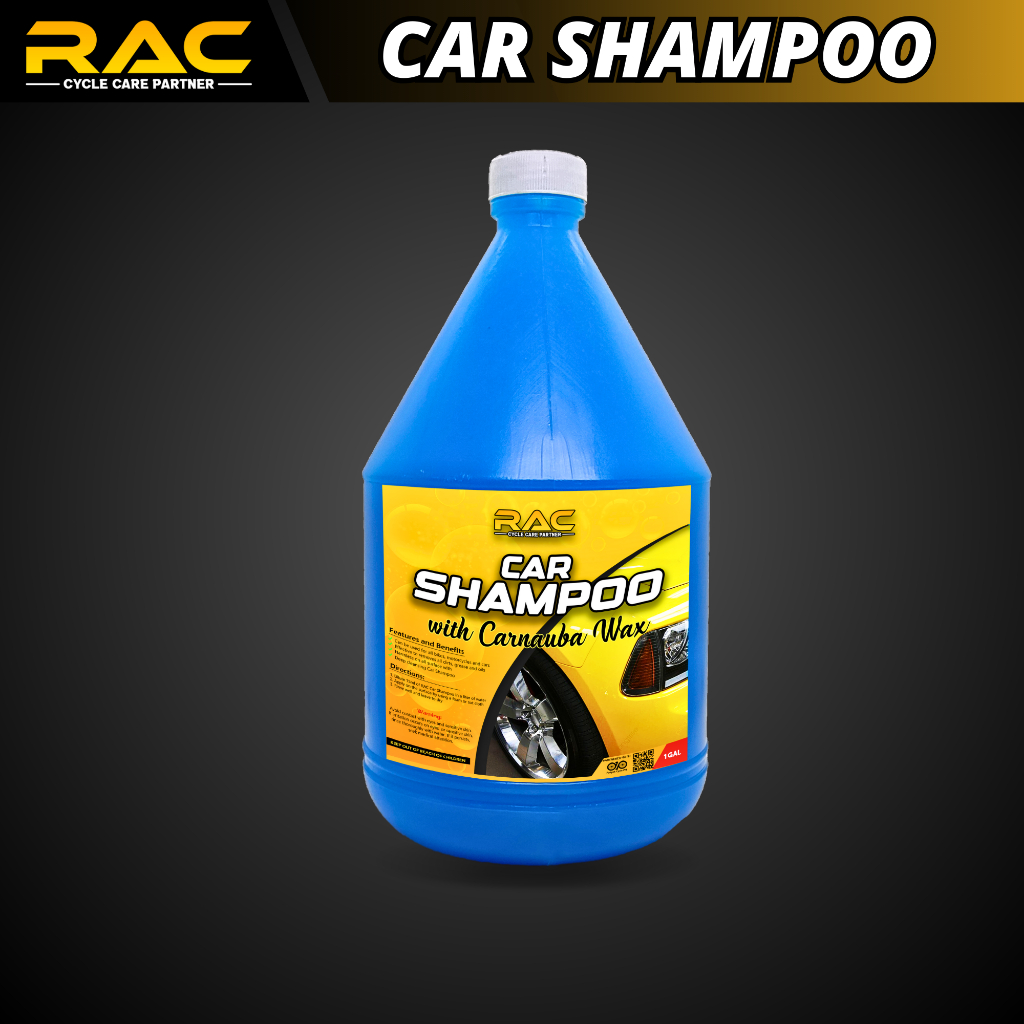
FAQs about the best car shampoo
What is the safest car shampoo for clear coat?
A pH-neutral, automotive-specific shampoo with good lubrication is a strong choice for regular clear-coat care. Use it with a clean mitt, low pressure, and a proper rinse method.
Is pH-neutral car shampoo always best?
It is usually the best starting point for routine washing. A stronger cleaner may be useful for heavy traffic film or preparation before detailing, but it may affect wax or sealant protection.
Can I use car shampoo on a ceramic coating?
Many ceramic coatings can be washed with a pH-neutral shampoo. Check the coating maker’s care guide and avoid products that leave unwanted residue if the coating manufacturer warns against them.
How often should I wash my car?
Wash when dirt, salt, bird droppings, or road film builds up. Many drivers wash every one to four weeks, but winter salt, coastal air, pollen, and outdoor parking can require more frequent cleaning.
Remove bird droppings and insect remains as soon as practical. These contaminants can damage or stain the surface if left in place.
Does more foam mean better car shampoo?
No. Foam can improve coverage and make the process feel controlled, but it does not prove better lubrication or cleaning. A low-foam shampoo can still work well.
Can car shampoo remove scratches?
No. Shampoo removes dirt. It does not repair scratches, oxidation, etched water spots, or clear-coat damage. Those issues may need decontamination, polishing, paint repair, or professional help.
Final recommendation
For most U.S. drivers, the best car shampoo is a pH-neutral, high-lubrication maintenance shampoo with clear dilution instructions and clean rinsing. Choose a stronger product only when you need stronger cleaning and understand that it may reduce existing wax or sealant protection.
Start with the washing method: rinse first, use two buckets, wash from top to bottom, apply light pressure, and dry before water spots form. Then judge the shampoo by its real results on your vehicle—not by foam, fragrance, or the highest price.
Your next step is to check your car’s current protection and washing conditions, then choose a shampoo that matches them.