
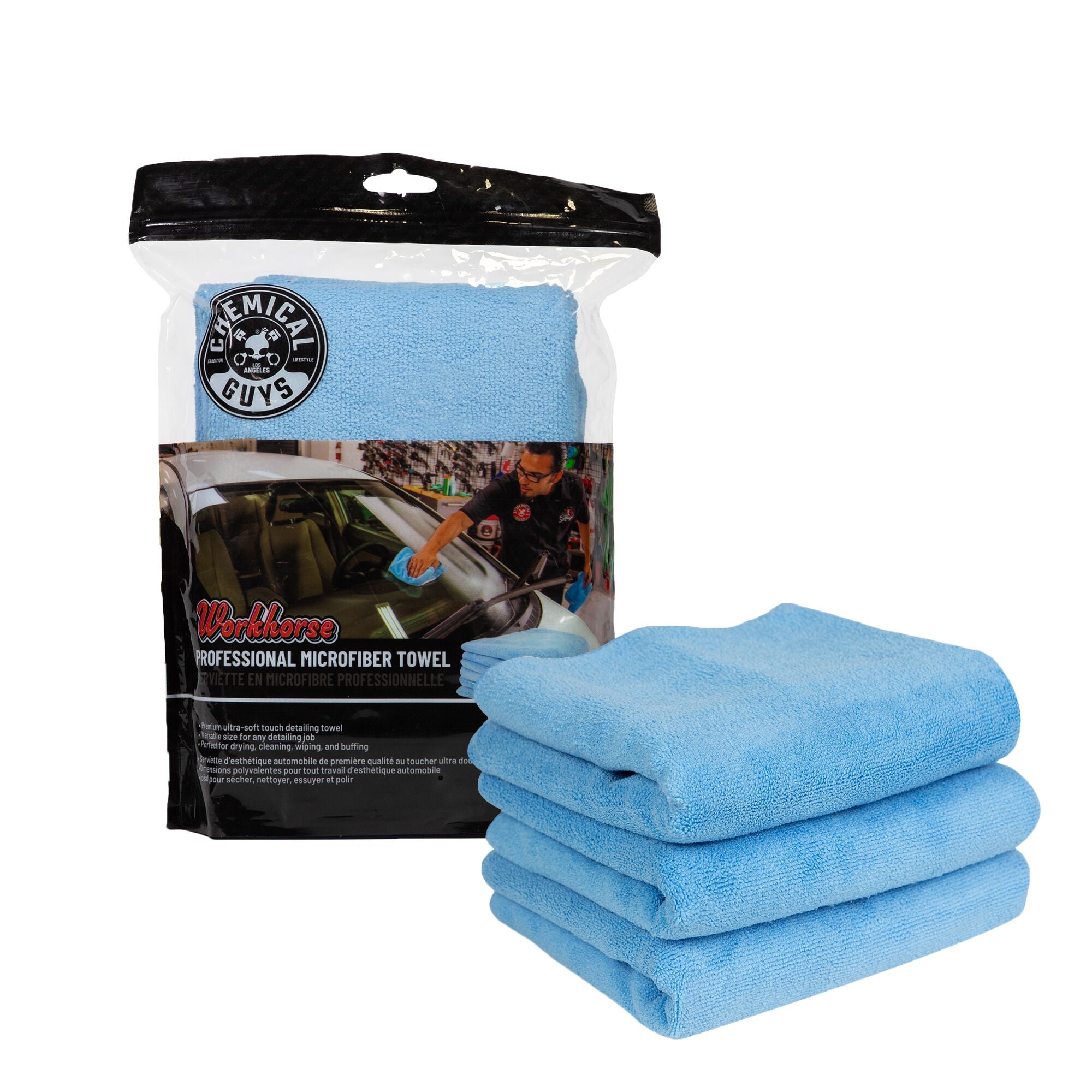
For most car interiors in the United States, the best Chemical Guys towel is a soft, low- to medium-pile microfiber towel with a clean edge. A general-purpose Chemical Guys premium microfiber towel works well for dashboards, door panels, center consoles, trim, and seats.
Choose a shorter-pile towel for dusty or lightly dirty plastic. Use a plush, edgeless towel for delicate piano-black trim, leather, screens, and final wipe-downs. For windows, use a dedicated glass towel, not a thick interior towel.

Quick answer: Which Chemical Guys towel should you buy?
The right choice depends on the surface and the job:
| Interior task | Best Chemical Guys towel type | Why it fits |
|---|---|---|
| Dashboards and plastic trim | General-purpose premium microfiber towel | Absorbs cleaner and lifts dust without much lint |
| Dirty door panels and consoles | Short-pile or utility microfiber towel | Gives more control and is easy to wash |
| Leather seats | Soft, low-lint microfiber towel | Helps spread cleaner without rough fibers |
| Piano-black trim | Plush, edgeless microfiber towel | Reduces the chance of edge marks and light marring |
| Touchscreens | Clean, dry, short-pile microfiber towel | Removes fingerprints with little moisture |
| Interior glass | Waffle-weave or glass microfiber towel | Leaves fewer streaks than a thick plush towel |
| Final buffing | Clean, dry plush towel | Removes leftover product and haze |
If you want one towel for most interior work, buy a soft, general-purpose Chemical Guys microfiber towel. If your vehicle has glossy trim, a large touchscreen, or sensitive leather, add a separate edgeless or plush towel.
Chemical Guys sells several microfiber towel styles. Product names, colors, pack sizes, and model numbers can change. Check the current package for the pile type, edge design, and intended use before buying.
What makes a towel suitable for car interiors?
A good interior towel must lift dust and product without scratching, shedding lint, or spreading dirt. Microfiber does this through very fine split fibers. The fibers create more surface area than common cotton cloth and can hold small particles in the towel.
The towel should also match the surface. A towel that works well on a rubber floor mat may be too rough for a glossy dashboard insert. A thick drying towel may hold too much product for a touchscreen or window.
Look for these traits:
- Soft microfiber: Reduces the risk of surface marks.
- Low or medium pile: Gives control on textured plastic.
- Plush pile: Holds more interior cleaner and helps with final wiping.
- Edgeless construction: Limits pressure from sewn borders.
- Low lint: Matters on black dashboards and glass.
- Color coding: Helps keep wheel, exterior, and interior towels separate.
The word “microfiber” alone does not guarantee that a towel is safe for every surface. Dirt trapped in the towel can cause marks even when the towel itself is soft.

Best Chemical Guys towel types for each interior surface
Dashboards and hard plastic
Use a general-purpose premium microfiber towel for most dashboards and hard plastic. Fold the towel into quarters. Spray cleaner onto the towel rather than directly onto the dashboard.
A low- or medium-pile towel works well because it gives you control. It also reduces the chance of leaving a heavy layer of cleaner in the texture of the plastic.
For dusty surfaces, use a dry towel first. Add a small amount of interior cleaner only when the surface needs more than dust removal.
Door panels and center consoles
Door panels and center consoles often hold skin oil, food residue, and dust. A short-pile microfiber towel is usually the most practical choice.
Use one side to apply cleaner and another side to wipe. Turn to a clean section as soon as the towel becomes damp or visibly dirty. A towel that is full of grit can move that grit across the panel.
For cup holders, use a separate towel or a small brush first. These areas often contain sand, crumbs, and sticky residue.
Leather and vinyl seats
For leather or vinyl, choose a soft, low-lint towel. A medium-pile towel can work, but avoid pressing hard. Let the cleaner do the work.
Read the vehicle owner’s manual before applying any product. Some modern seats have coatings, perforations, matte finishes, or synthetic materials that need special care.
Do not use the same towel for leather cleaner and glass cleaner. Product residue can transfer and cause streaks.
Piano-black trim
Glossy black trim shows dust, fingerprints, and fine marks quickly. Use a clean, plush, edgeless Chemical Guys towel.
Use very little pressure. Wipe in straight passes rather than rubbing in circles. If the trim is dusty, blow or lift loose dust first. Rubbing dry grit across the panel is a common cause of visible marks.
Reserve this towel for delicate surfaces. Do not use it later on wheels, door sills, or dirty plastic.
Touchscreens and instrument panels
Use a clean, dry, short-pile microfiber towel for screens. If the screen needs more cleaning, lightly dampen the towel with the product approved for that screen.
Never spray liquid directly onto a touchscreen, gauge cluster, or control panel. Liquid can run into seams and electronic parts.
Avoid towels that have been washed with fabric softener. Softener can leave a film that causes smears and reduces absorbency.
Interior windows
A waffle-weave or glass-specific microfiber towel is the best Chemical Guys option for interior glass. These towels have a flatter texture than plush towels and tend to leave fewer fibers and streaks.
Use two towels:
- A damp towel to loosen and remove the film.
- A dry glass towel to buff the surface.
Clean one section at a time. If the glass still streaks, the cause may be too much product, a dirty towel, or residue on the inside of the windshield.
The best one-towel setup for most U.S. drivers
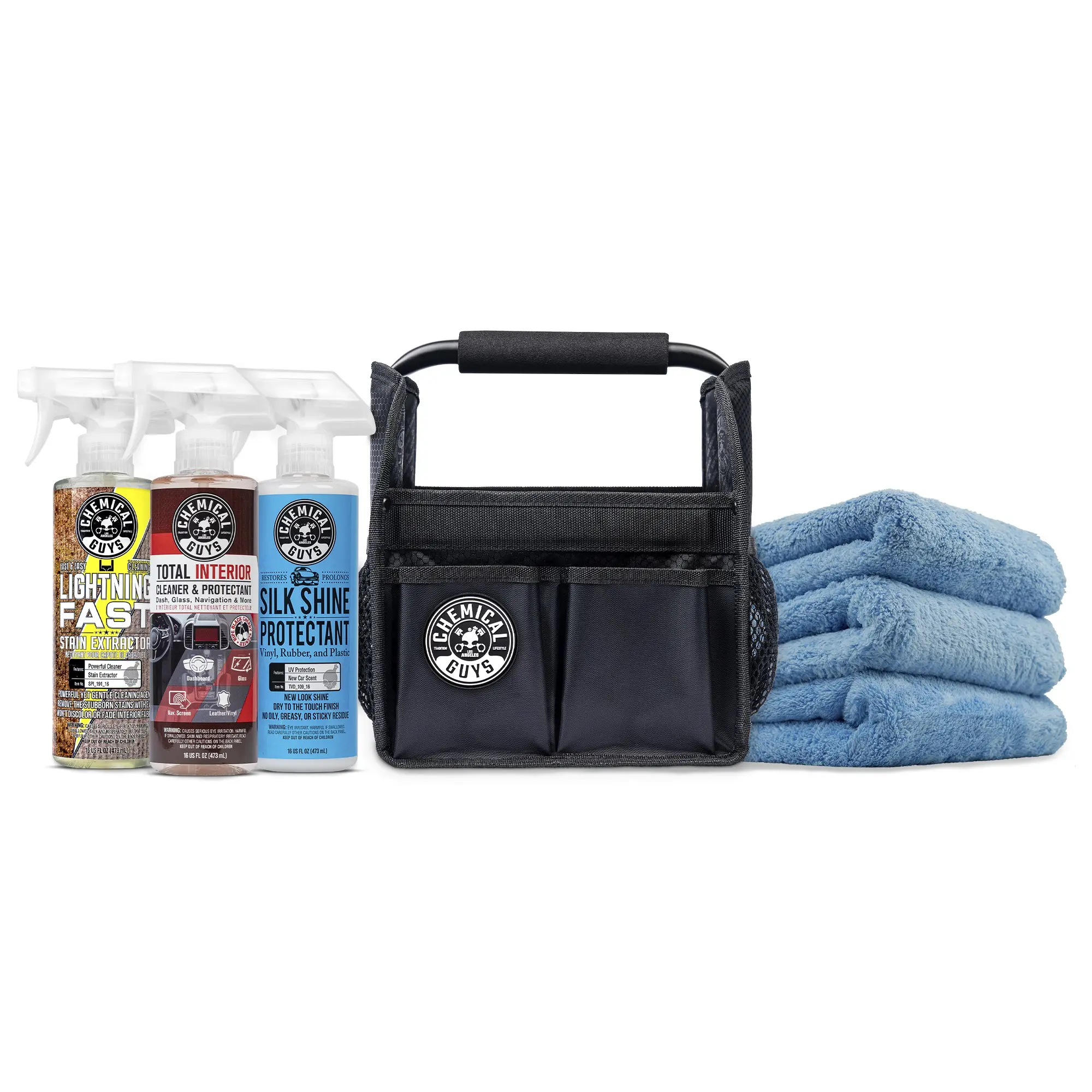
If you want a simple kit for a daily driver, use three towel types:
- Six to eight general-purpose microfiber towels for dashboards, doors, and consoles.
- Two plush or edgeless towels for glossy trim, leather, and final buffing.
- Two glass towels for windows and mirrors.
This setup is more useful than buying many towel styles but using the same towel on every surface.
Use different colors when possible:
- Yellow or light colors for clean interior work.
- Dark colors for dirty plastic and door jambs.
- A separate color for glass.
- Never use towels that have touched tires, engine bays, or wheels on the cabin.
The color does not make a towel safer. It simply helps prevent cross-contamination.

How to use a Chemical Guys towel on an interior
1. Remove loose dust first
Vacuum the area or use a clean, dry towel to lift loose dust. Do not wet a surface covered with sand or grit. Moisture can turn loose particles into a paste that spreads more easily.
2. Check the product label
Use a cleaner made for the surface. An all-purpose cleaner may be too strong for some leather, screens, coatings, or delicate trim.
If the product label calls for dilution, follow that ratio. Do not assume that stronger means cleaner.
3. Fold the towel
Fold a 16-by-16-inch or similar towel into quarters. This gives you several clean working faces and makes it easier to control pressure.
4. Apply product to the towel
For most interior surfaces, spray the cleaner onto the towel. This reduces overspray on screens, gauges, vents, and switches.
5. Wipe lightly
Work in small sections. Use light pressure and straight, overlapping passes. Let the cleaner loosen the soil.
6. Turn to a clean side
When the towel becomes damp, dark, or dirty, turn it. Do not keep wiping with the same loaded face.
7. Buff the surface
Use a separate dry towel to remove excess product. The surface should look even, not wet or greasy.
8. Inspect under good light
Look for streaks, missed areas, residue, or color change. If the surface looks uneven, use a clean towel rather than adding more product.

What towel size and pile should you choose?
For interior detailing, a towel around 16 by 16 inches is easy to fold and control. A larger towel can hold more product, but it may be less convenient around seats, vents, and controls.
Pile means the height and thickness of the towel fibers:
- Short pile: Better control and useful for textured plastic.
- Medium pile: A good all-purpose choice.
- Long or plush pile: Better for final buffing and delicate surfaces.
- Waffle weave: Better for glass and low-lint wiping.
- Edgeless: Useful for glossy trim and sensitive finishes.
A thick towel is not automatically better. It can hold more cleaner and may leave too much product behind. For screens and glass, a flatter towel often works better.
Chemical Guys towel comparison: which type fits your job?
The table below compares towel categories rather than promising that one model is best for every vehicle. Chemical Guys may update names and product codes, so match the category to the current package.
| Towel category | Interior use | Main strength | Main limitation |
|---|---|---|---|
| General-purpose premium microfiber | Most plastic, vinyl, and door panels | Versatile and easy to use | May not be ideal for glass |
| Short-pile microfiber | Dusty or textured surfaces | Good control and less product hold | Less plush for final buffing |
| Plush microfiber | Leather, glossy trim, and final wipe | Soft feel and good product removal | Can hold too much dirt or cleaner |
| Edgeless microfiber | Piano-black trim and delicate areas | Fewer hard edge surfaces | Needs careful washing and storage |
| Waffle-weave glass towel | Windshields and mirrors | Low-lint, low-streak finish | Not the best choice for heavy soil |
| Utility or work towel | Door sills and very dirty areas | Easy to separate and replace | May be less suitable for delicate trim |
The practical choice is simple: use a general-purpose towel for most work, a plush or edgeless towel for delicate surfaces, and a glass towel for windows.
How many Chemical Guys towels do you need?
A small interior job may need three or four towels. A full cabin detail often needs eight to twelve, depending on how dirty the vehicle is.
A useful starting set is:
- Four general-purpose towels.
- Two towels for leather or glossy trim.
- Two glass towels.
- Two utility towels for door sills, pedals, and other dirty areas.
Use more towels when the vehicle has heavy dust, pet hair, spilled drinks, or ground-in dirt. Reusing one dirty towel is more likely to spread soil than save time.
After the job, separate towels by use. Keep glass towels away from towels used with dressings, waxes, tire products, and oily cleaners.
How to wash and care for interior microfiber towels
Wash microfiber towels separately from cotton clothes and shop rags. Cotton lint can cling to microfiber and later transfer to dashboards or glass.
Follow the towel maker’s care instructions. In general:
- Shake out loose dirt before washing.
- Use a mild liquid detergent.
- Avoid fabric softener.
- Avoid chlorine bleach.
- Use warm water only when the care label allows it.
- Dry on low heat or air-dry.
- Do not use dryer sheets.
- Store towels in a clean, closed container.
Inspect each towel after washing. Remove towels that feel stiff, contain embedded grit, have hard stains, or shed lint. A damaged towel is not worth risking on glossy trim.
Wash towels used on glass separately when possible. Residue from interior dressing can make a glass towel smear for several washes.

Common mistakes when using microfiber towels inside a car
Using one towel on every surface
A towel used on floor mats may contain sand. A towel used on glass may contain dressing residue. Keep separate towels for separate jobs.
Spraying cleaner onto electronics
Overspray can enter switches, screens, vents, and seams. Spray the towel instead.
Using too much product
More cleaner often creates more residue. Start with a small amount and add only when needed.
Rubbing hard
Pressure can spread grit and create marks. Light pressure with a clean towel is safer than force.
Cleaning a dry, dusty surface with a wet towel
Remove loose grit first. This simple step reduces smearing and surface wear.
Washing with fabric softener
Fabric softener can coat the fibers. The towel may feel soft but absorb less and leave a film.
Using a towel after it falls on the ground
A dropped towel can pick up sand or small stones. Set it aside for washing.
Treating all “interior microfiber” towels as identical
Pile, edge, density, and cleanliness affect results. Choose the towel based on the surface, not only the brand name.
Is a Chemical Guys towel safe for leather, screens, and plastic?
A clean, soft Chemical Guys microfiber towel can be suitable for many interior surfaces, but the towel does not make the cleaner safe. The product and the surface finish matter just as much.
For leather, confirm that the cleaner is approved for the material. For screens, use the vehicle maker’s instructions when available. For piano-black trim, use a clean towel with very light pressure.
Test an unfamiliar cleaner and towel combination in a hidden area. Stop if you see color transfer, clouding, streaking, swelling, or a change in sheen.
Frequently asked questions
Can I use a Chemical Guys towel without interior cleaner?
Yes. A clean, dry towel is often the best first step for dust and light fingerprints. Use cleaner only when dry wiping does not remove the soil.
Are plush microfiber towels better than short-pile towels?
Neither is always better. Plush towels are useful for delicate surfaces and final buffing. Short-pile towels offer more control on textured plastic and can leave less product behind.
Can I use the same Chemical Guys towel on the dashboard and windows?
You can, but it is not the best practice. Glass towels should stay free of dressing and oily cleaner. A separate towel for windows gives a clearer, more consistent finish.
Why does my microfiber towel leave lint?
The towel may be new, damaged, contaminated with cotton lint, or washed with the wrong product. Wash it separately, avoid fabric softener, and replace it if shedding continues.
How often should I replace interior microfiber towels?
Replace a towel when it stays greasy after washing, feels rough, sheds lint, contains embedded grit, or has a damaged edge. There is no fixed replacement schedule because use and care vary.
Final recommendation
For most interior cleaning in the United States, choose a soft, general-purpose Chemical Guys microfiber towel as your main towel. Add a plush or edgeless towel for piano-black trim, leather, and final buffing. Keep a waffle-weave glass towel for windows.
The best result comes from using a clean towel, the right product, light pressure, and separate towels for separate surfaces. Start with a small three-towel setup, then add more only when your vehicle or cleaning routine requires them.