
Yes. Chemical Guys Fabric Cleaner can be a good choice for fabric seats, carpets, floor mats, and other cloth surfaces in a car interior. It can help remove dirt, food marks, grease, and many water-based stains when used with proper agitation and moisture control.
It is not a universal interior cleaner. It is not the right product for leather, suede, screens, gloss-black trim, or most hard plastic surfaces unless the product label specifically allows that use. Results also depend on the stain, fabric type, age of the mark, and how well you remove the cleaner after use.
For most U.S. drivers, Chemical Guys Fabric Cleaner is a reasonable option for routine cloth-interior cleaning. Use it as a fabric cleaner, not as a disinfectant or stain remover for every possible problem.

What Is Chemical Guys Fabric Cleaner?
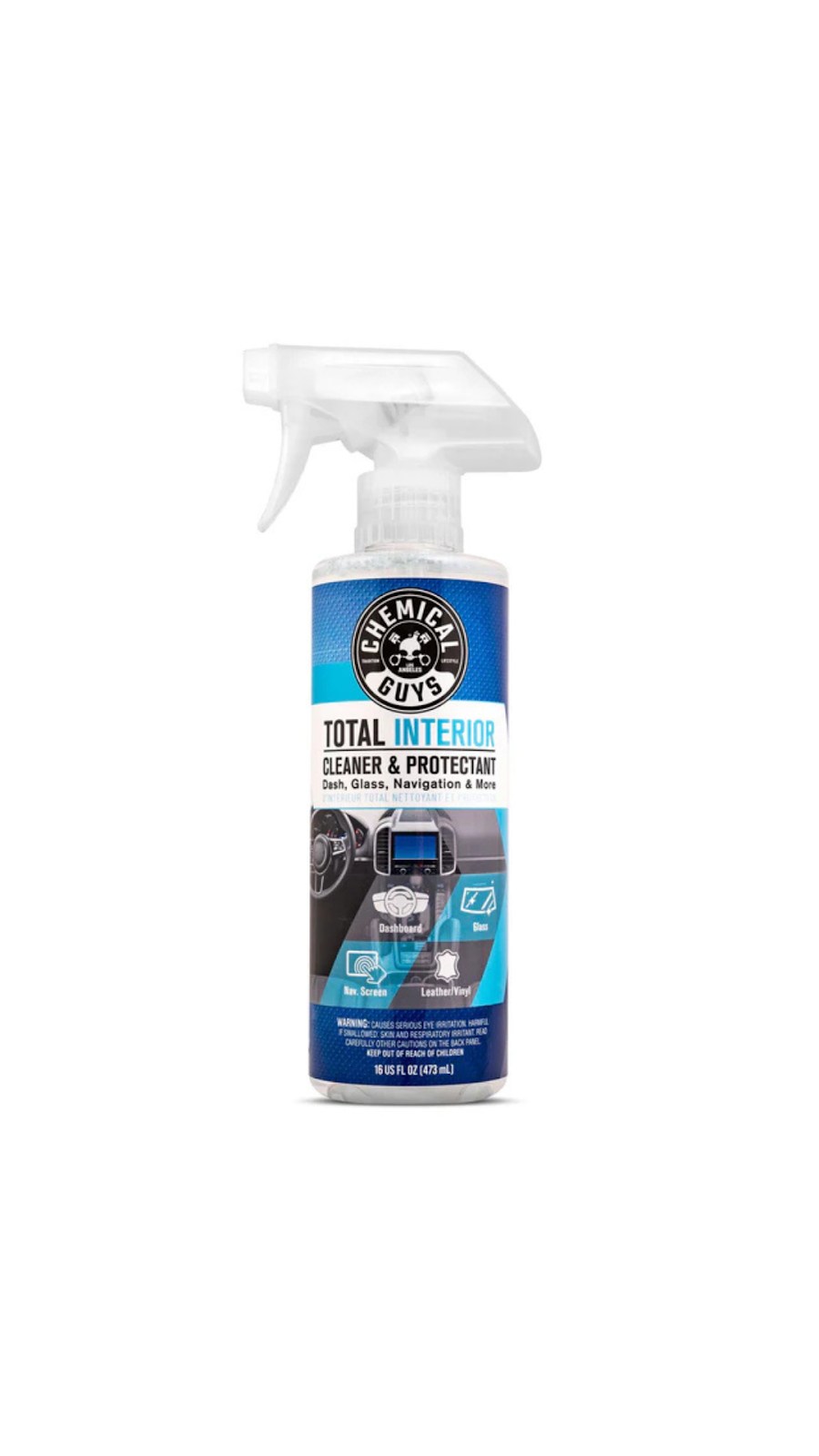
Chemical Guys Fabric Cleaner is designed for cloth, carpet, and upholstery surfaces found in many passenger vehicles in the United States. Chemical Guys sells fabric-cleaning products in different sizes and formulas, so the exact directions can vary by product version.
The cleaner is generally used to:
- Loosen dirt trapped in fabric fibers
- Break down common food and drink spills
- Reduce light grease and body-oil marks
- Freshen cloth seats and carpets
- Clean floor mats and fabric cargo areas
The product does not work by simply being sprayed and wiped away. Fabric fibers hold soil below the surface. Good results usually require four actions:
- Remove loose dirt.
- Apply a controlled amount of cleaner.
- Agitate the fabric.
- Remove the dirty moisture.
The product label is the final authority for dilution, dwell time, compatible surfaces, and safety steps. Chemical Guys offers more than one fabric-cleaning product, so do not assume that the instructions for one bottle apply to another.
Is Chemical Guys Fabric Cleaner Effective?
Chemical Guys Fabric Cleaner is usually effective for light to moderate dirt and common water-based stains. It may perform well on coffee, soda, dust, road grime, and everyday marks when the stain has not permanently changed the fabric.
Its performance is less predictable on:
- Old oil stains
- Ink
- Dye transfer
- Permanent marker
- Pet urine
- Mold
- Deep smoke odor
- Bleach damage
- Sun-faded or chemically damaged fabric
A cleaner can remove material sitting on top of or inside a fiber. It cannot restore color that has faded, repair melted fibers, or reverse a permanent dye change.
What the evidence supports
Chemical Guys’ product information supports using its fabric-cleaning products on suitable automotive fabric, carpet, and upholstery surfaces. That establishes the intended use. It does not independently prove that the product will remove every stain or outperform all competing cleaners.
Real-world results can vary because car interiors use different materials. A tightly woven cloth seat may clean easily. A loose carpet, foam-backed panel, or heavily soiled floor mat may need more work and better moisture removal.
The safest conclusion is simple: the product is capable for normal fabric cleaning, but it is not a guaranteed solution for severe or permanent stains.
Where Can You Use It?
Use Chemical Guys Fabric Cleaner only on surfaces that match the instructions on your specific bottle. Common suitable areas may include:
| Interior surface | General suitability | Main caution |
|---|---|---|
| Cloth seats | Usually suitable | Avoid soaking seat foam and electrical parts |
| Carpet | Usually suitable | Remove excess moisture |
| Floor mats | Usually suitable | Clean outside the vehicle when possible |
| Fabric door panels | Often suitable | Test for color transfer first |
| Fabric headliner | Use extreme care | Too much liquid can loosen the adhesive |
| Leather | Not a first choice | Use a leather cleaner instead |
| Vinyl | Usually not the best choice | Use an interior or vinyl cleaner |
| Plastic trim | Not the intended use | Use a product made for hard surfaces |
| Touchscreens | Do not use | Follow the vehicle maker’s screen-care guidance |
| Suede or Alcantara-style material | Only if approved | These materials need special care |
Headliners need special care
A car headliner is one of the easiest interior parts to damage. Its fabric is often bonded to a thin foam layer. Too much cleaner or water can weaken the adhesive and cause sagging.
For a headliner, spray a small amount onto a microfiber towel or soft brush rather than soaking the panel. Work in a small area, use light pressure, and stop if the fabric begins to separate.
Seats may contain hidden electronics
Many newer U.S. vehicles have seat heaters, ventilation fans, occupancy sensors, airbags, or wiring under the upholstery. Excess liquid can create odor, electrical faults, or sensor problems.
Do not pour cleaner onto a seat. Keep the surface damp, not wet, and allow it to dry fully before using heated or ventilated seat functions.
How to Use Chemical Guys Fabric Cleaner in a Car
The best method is controlled cleaning with low moisture. Follow these steps.
1. Read the bottle directions
Check the exact product name and instructions. Some Chemical Guys fabric products are concentrates, while others may be ready to use. Use the stated dilution ratio if the product requires dilution.
Do not mix the cleaner with bleach, ammonia, vinegar, solvents, or another chemical. Mixing products can create harmful fumes or damage the fabric.
2. Vacuum the surface first
Remove loose sand, crumbs, hair, and grit with a vacuum. This step matters because dry soil can turn into muddy residue when wet.
Use a soft brush attachment on delicate fabric. Vacuum seams, seat gaps, and the edges of floor mats carefully.
3. Test an unseen area
Apply a small amount to a hidden section. Good test areas include:
- The underside of a removable floor mat
- The lower rear edge of a seat
- A concealed section of carpet
- The back of a fabric door pocket
Wait until the test area dries. Look for color loss, bleaching, water marks, texture changes, or fabric separation.
4. Apply a small amount
Spray the cleaner lightly. Do not flood the seat or carpet.
For a concentrated product, mix it exactly as directed. Too much chemical can leave a sticky film that attracts new dirt. Too much water can push the stain deeper into padding.
5. Agitate gently
Use a soft interior brush or clean microfiber towel. Work in short, overlapping motions.
Do not scrub hard on woven cloth. Heavy pressure can rough up the fibers and create a lighter-looking patch even when the stain is gone.
6. Remove the dirty solution
Wipe the area with a clean, slightly damp microfiber towel. Turn the towel often so you do not spread the soil back across the surface.
An extractor or wet-dry vacuum can improve results on removable mats and carpet. Use only enough solution to clean the area, then make several dry passes to remove moisture.
7. Dry the interior
Leave doors or windows open in a safe, dry location. Use ventilation when possible.
Do not close the vehicle while the seats and carpet remain damp. Trapped moisture can cause a musty smell and may contribute to mildew growth.
8. Inspect after drying
Some stains return after drying because they were pulled up from the padding. This is called wicking. If the mark comes back, repeat the process with less liquid and better extraction.
Do not keep adding cleaner without removing the old solution. More product does not always mean a cleaner result.
Chemical Guys Fabric Cleaner vs. Other Interior Cleaners
The right product depends on the material and the type of soil.
| Cleaning need | Better product type | Why |
|---|---|---|
| Cloth seat or carpet | Fabric and upholstery cleaner | Designed to work with textile fibers |
| Leather seat | Leather cleaner | Helps preserve the leather finish |
| Vinyl dashboard | Interior or vinyl cleaner | Made for nonporous surfaces |
| Touchscreen | Manufacturer-approved screen method | Reduces risk of coating damage |
| Heavy grease | Automotive degreaser approved for the surface | Stronger soil-cutting action |
| Odor in padding | Deep extraction or professional treatment | Surface cleaner may not reach the source |
| Mold or persistent moisture damage | Professional assessment | Cleaning alone may not solve the cause |
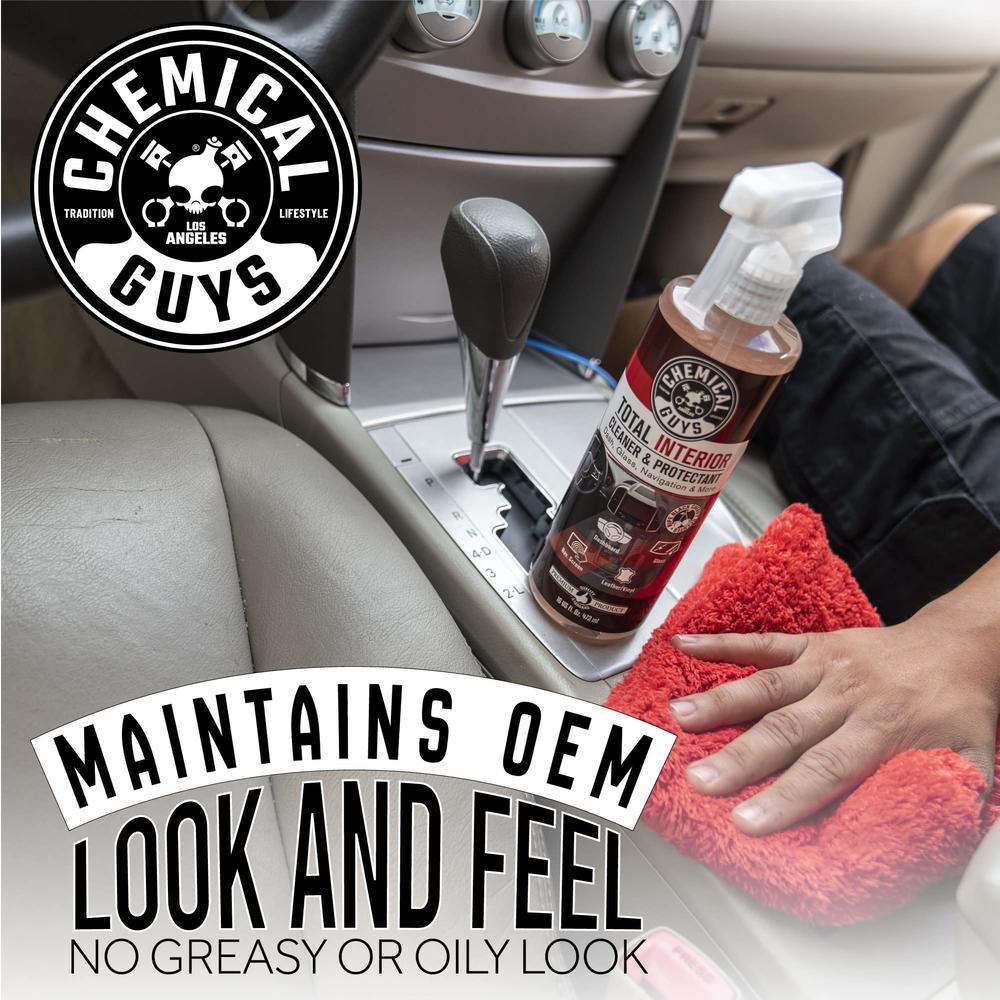
Chemical Guys Fabric Cleaner may be more useful than a general-purpose interior spray when the problem is embedded in cloth. It may be less suitable than a dedicated leather or vinyl product on smooth surfaces.
Cleaner versus odor eliminator
A fabric cleaner removes soil. An odor product may mask or neutralize smells. Neither will reliably solve an odor caused by a wet carpet pad, leaking door seal, spilled liquid under a seat, or contaminated air-conditioning system.
If the smell returns soon after cleaning, look for the source instead of repeatedly spraying the surface.
Cleaner versus extractor solution
Some fabric cleaners can be used with an extractor only when the label allows it. A product that works well by hand may foam too much for a machine.
Excess foam can reduce extraction performance and may leave residue inside the equipment. Check the product instructions and the extractor manufacturer’s guidance before using the cleaner in a machine.

What Are the Main Advantages and Drawbacks?
Chemical Guys Fabric Cleaner has useful strengths, but it also has limits.
Advantages
- Made for common automotive fabric surfaces
- Useful for routine dirt and many fresh spills
- Can be applied by hand with a brush and towel
- Often suitable for seats, carpets, and floor mats when the label permits
- Can support deeper cleaning when paired with extraction
- Available in sizes suited to occasional or frequent detailing
Drawbacks
- Different product versions may have different directions
- Heavy stains may need several treatments
- Too much product can leave residue
- Too much water can create odor or damage seat components
- It is not a leather or screen cleaner
- It does not repair permanent discoloration
- It should not automatically be treated as a disinfectant
- Strong fragrance may bother some users
The main trade-off is between cleaning strength and moisture control. More liquid may help soften soil, but it also increases drying time and the risk of wicking, odor, or water damage.
Does It Remove Tough Stains and Odors?
It can help with some tough stains, but success depends on the stain’s chemistry and age.
Fresh water-based spills
Coffee, soda, juice, and similar spills often respond best when treated soon. Blot first. Avoid rubbing the spill deeper into the fabric.
A small amount of cleaner may then loosen the remaining residue. Rinse or wipe the area with a clean damp towel, and dry it well.
Grease and oil
Oil-based stains may need a cleaner with stronger degreasing ability. Fabric Cleaner may help with light body-oil marks, but an old greasy stain may require a product specifically approved for automotive upholstery.
Always test first. Strong degreasers can strip color or damage coatings.
Pet urine
Pet urine can reach the foam beneath the fabric. Surface cleaning may improve the appearance while leaving the odor source below.
Use a suitable enzymatic treatment only if it is safe for the specific material. For severe contamination, professional upholstery cleaning may be more effective.
Smoke odor
Smoke can settle into fabric, foam, carpet backing, headliners, and the ventilation system. A surface cleaner may reduce some odor but usually cannot remove all of it alone.
A full treatment may require cleaning the entire cabin, replacing the cabin air filter, and addressing the ventilation system.
Mold or mildew
Do not simply cover a mold or mildew smell with fragrance. Find and stop the moisture source first. If growth is extensive or the padding is affected, seek professional help.

Common Mistakes to Avoid
The most common problems come from using too much liquid or the wrong technique.
Spraying until the fabric is soaked
Soaking increases the chance of water reaching foam, wiring, sensors, and adhesives. It also makes drying harder.
Use several light passes instead of one heavy application.
Skipping the test spot
A cleaner can affect dye, coatings, or fabric texture. Test first, even if the product is marketed for automotive upholstery.
Scrubbing too hard
Aggressive brushing can damage fibers and create a visible patch. Use a soft brush and moderate pressure.
Leaving residue behind
Cleaner residue can make fabric feel stiff or sticky. It may also attract new dirt. Wipe or extract until the surface feels clean rather than slick.
Cleaning only the visible center of a stain
A small wet spot can dry with a ring around it. Clean slightly beyond the visible edge, but do not spread moisture across the whole seat.
Closing the car too soon
A damp cabin can develop a musty smell. Dry the interior fully before replacing mats or closing the windows.
Using it on leather or a touchscreen
Material compatibility matters more than brand name. Use a leather product on leather and the vehicle maker’s recommended method on screens.

Is Chemical Guys Fabric Cleaner Safe?
It can be safe when used according to the label, with ventilation and a test spot. “Safe,” however, does not mean risk-free on every interior material.
Use these precautions:
- Read the product label and safety information.
- Wear gloves if your skin is sensitive.
- Work with good airflow.
- Keep the product away from eyes and children.
- Do not mix it with other cleaners.
- Avoid saturating seats, headliners, speakers, switches, and electrical areas.
- Keep the vehicle stationary while cleaning.
- Follow the vehicle manufacturer’s care instructions when they are more restrictive.
If the cleaner enters the eyes, causes skin irritation, or produces breathing discomfort, stop using it and follow the product safety instructions. Seek medical help for serious or persistent symptoms.
Chemical Guys Fabric Cleaner should also not be described as a sanitizer or disinfectant unless the exact label makes that claim and provides directions for it. Cleaning and disinfecting are different tasks.
When Should You Use a Professional Detailer?
A professional detailer may be the better choice when:
- The carpet is saturated
- A stain has soaked into the foam
- The vehicle has severe smoke odor
- Mold or mildew is present
- A seat contains complex electrical components
- The headliner is loose or sagging
- The fabric is expensive, delicate, or difficult to replace
- Several cleaning attempts have caused water rings
- You need the vehicle returned to service quickly
Professional equipment can remove more moisture than a towel alone. A detailer may also identify the source of a leak or odor rather than treating only the visible symptom.
Final Verdict: Is Chemical Guys Fabric Cleaner Good for Car Interior?
Yes, Chemical Guys Fabric Cleaner is a good general option for cleaning cloth seats, carpets, and floor mats in many U.S. vehicles. It is most suitable for everyday dirt, fresh spills, and light to moderate stains.
It is not the best choice for every surface or every problem. Use a different product for leather, vinyl, plastic, screens, and special suede-like materials. Use limited moisture, test first, remove the dirty solution, and dry the interior completely.
The best next step is to check the exact Chemical Guys product name on your bottle, confirm that your surface is approved, and test a hidden area before cleaning the visible part of the interior.
FAQs
Can I use Chemical Guys Fabric Cleaner on cloth car seats?
Usually, yes, if the exact product label lists automotive upholstery or fabric seats as an approved surface. Apply a small amount, agitate gently, and avoid soaking the seat.
Can I use it on car carpets and floor mats?
Yes, carpets and floor mats are common uses for fabric cleaners. Vacuum first and use extra care with mats that have rubber backing or glued layers.
Will Chemical Guys Fabric Cleaner leave a residue?
It can if too much product is used or if the surface is not wiped or extracted. Use the correct dilution, apply lightly, and remove the dirty solution with a clean towel or extractor approved for the product.
Can it remove cigarette smoke odor?
It may reduce odor on the fabric surface, but cigarette smoke can affect foam, carpet backing, the headliner, and the ventilation system. A complete odor treatment usually requires more than one surface-cleaning step.
Can I use it on a car headliner?
Use extreme caution. Apply very little moisture and avoid scrubbing hard. Excess liquid can loosen the adhesive that holds the headliner fabric in place.
Is it safe for leather seats?
Fabric Cleaner is not the first choice for leather. Use a cleaner made for automotive leather and follow the vehicle manufacturer’s care instructions.
Should I use Chemical Guys Fabric Cleaner with a carpet extractor?
Only if the product label allows machine use and the extractor maker permits that type of solution. Control foam and make enough dry passes to remove moisture.
What should I do if the stain comes back?
The stain may be wicking from the padding below. Let the area dry fully, then use less liquid and improve extraction. If it continues to return, professional cleaning may be needed.
Does it disinfect a car interior?
Do not assume so. A fabric cleaner removes soil, but it is not automatically a disinfectant. Use a product with a clear disinfecting label and follow its required contact time if disinfection is necessary.
Conclusion
Chemical Guys Fabric Cleaner is a practical choice for routine cleaning of compatible fabric surfaces in a car interior. Its results are strongest when the surface is vacuumed first, the cleaner is used sparingly, the fabric is gently agitated, and the moisture is removed.
Use it as part of a careful cleaning process rather than as a cure for permanent stains, deep odors, mold, or damaged materials. For the safest result, match the cleaner to the surface, follow the current bottle directions, and keep water away from electronics and bonded interior panels.