
Yes. For most car owners in the United States, the easiest option is a pH-neutral automotive interior cleaner or interior detailer used with a clean microfiber towel. It can remove dust, fingerprints, light dirt, and small spills from many hard surfaces without requiring a full detailing kit.
Choose a product labeled for automotive interiors, not a general household cleaner. Before use, check your vehicle owner’s manual. Some cars have coated leather, soft-touch plastic, suede-like trim, piano-black panels, or sensitive displays that need special care.

What Is the Best Easy-to-Use Product for a Car Interior?
The best all-purpose choice is a ready-to-use interior cleaner or detailer that does not leave a greasy shine. Look for a product that is:
- Made for automotive interiors
- Ready to spray or wipe
- Safe for plastic, vinyl, rubber, and sealed surfaces
- Low in fragrance
- Free of heavy oils or silicone when possible
- Suitable for touchscreens only if the label clearly says so
An interior detailer is usually designed for light cleaning and dust removal. An interior cleaner may handle more visible grime. Neither product replaces a dedicated leather cleaner, fabric cleaner, or stain remover when the surface needs deeper treatment.
A simple setup works well:
- One interior cleaner or detailer
- Two or more clean microfiber towels
- A soft detailing brush for seams and vents
- A vacuum for loose dirt
This approach is easier and safer than using many products at once. Think of it like using mild soap on your hands instead of using a different chemical for every finger.
Interior detailer versus interior cleaner
These terms are not always used in the same way by every brand. In general:
| Product type | Best for | Main limit |
|---|---|---|
| Interior detailer | Dust, fingerprints, light marks | May not remove greasy or set-in dirt |
| Interior cleaner | Dirt, food residue, light stains | Can be too strong for some delicate finishes |
| Leather cleaner | Finished leather surfaces | Not always suitable for suede or unfinished leather |
| Fabric or carpet cleaner | Cloth seats, mats, and carpet | May require brushing and drying time |
| Glass cleaner | Windows and mirrors | Some formulas are not safe for screens |
| Interior wipes | Quick touch-ups | Can dry out or leave residue if overused |
For routine care, a ready-to-use interior detailer is often the simplest starting point. For a child’s spilled drink, muddy floor mat, or oily steering wheel, a more targeted cleaner may work better.

How to Choose a Safe Interior Cleaner
Choose the product by the surface you need to clean, not by the promise on the front of the bottle. A product that works well on textured plastic may not be right for a touchscreen or natural leather.
Match the product to the surface
Plastic, vinyl, and rubber:
Most automotive interior cleaners are made for these materials. Use a small amount and wipe the surface dry. Avoid products that leave a slick finish on the steering wheel, pedals, or gear selector.
Leather:
Many modern vehicle seats use coated leather or synthetic leather. A mild leather cleaner may be suitable, but the owner’s manual should come first. Do not assume that a product labeled “leather” is right for suede, nubuck, or unfinished leather.
Cloth seats and carpet:
Use a fabric-safe cleaner. Apply as little liquid as possible because wet foam and padding can take a long time to dry. Too much moisture may cause odor or leave water marks.
Touchscreens and instrument displays:
Use only the method listed in the vehicle manual. Many screens have an anti-glare or fingerprint-resistant coating. Spray cleaner onto a towel, never directly onto a screen, unless the display maker specifically allows direct application.
Piano-black trim:
This glossy plastic scratches easily. Use a clean, soft microfiber towel with light pressure. Avoid rough towels, paper towels, and abrasive products.
Headliners:
The roof liner has adhesive beneath the fabric. Do not soak it. Lightly dampen a cloth and blot small marks instead of scrubbing.
Check the label for useful limits
A good label should explain the intended surfaces and any areas to avoid. Be cautious when a product makes broad claims but gives no surface instructions.
You should also consider:
- Whether the product needs dilution
- Whether it leaves a matte or glossy finish
- Whether it contains fragrance
- Whether it is safe around children and pets after drying
- Whether the bottle has a child-resistant cap
- Whether the formula is suitable for use in a poorly ventilated car
A product does not need to be expensive to work well. The key factor is surface compatibility and correct use.

How to Clean a Car Interior With One Product
The safest method is to remove loose dirt first, test the cleaner, and use small amounts. Follow these steps for routine cleaning.
1. Read the vehicle manual
Check the cleaning instructions for the seats, screen, trim, and steering wheel. Manufacturer guidance takes priority over a product label when the two conflict.
2. Remove loose items and dirt
Take out floor mats, trash, child seats if practical, and personal items. Vacuum dust and grit before wiping. Loose grit can act like sandpaper when dragged across plastic or glossy trim.
3. Test a hidden area
Apply a small amount to an unseen section, such as the lower side of a seat or trim panel. Wait until it dries. Check for color change, streaking, stickiness, or loss of gloss.
4. Spray the towel, not the cabin
Spray a small amount onto a microfiber towel. This gives you better control and lowers the chance of liquid entering buttons, vents, speakers, seams, or electrical parts.
5. Wipe one small area at a time
Work from cleaner areas to dirtier areas. Use light pressure. Turn the towel often so you do not spread dirt back over the surface.
6. Dry the surface
Use a second dry microfiber towel. Drying helps prevent streaks and removes leftover product. It also keeps the steering wheel and other hand-contact areas from feeling slippery.
7. Ventilate the vehicle
Leave the doors open in a safe place for a short time if the product has a strong smell or if any surface remains damp. Do not leave a vehicle unattended with the keys inside.
Signs the process worked
A clean surface should look even, feel dry, and have no sticky film. The goal is not maximum shine. A glossy dashboard may reflect sunlight and make the windshield harder to see through.
If the cleaner does not work
Stop adding more product if dirt remains after one or two passes. The mark may need a fabric cleaner, leather cleaner, stain treatment, or professional service. More liquid can make a stain spread or push it deeper into padding.

Which Car Interior Areas Need Special Care?
Some areas should not be treated like ordinary plastic. The safest product for the cabin may still be wrong for a particular part.
Steering wheel and gear selector
Clean these areas with a low-residue product and dry them fully. Avoid dressings that leave an oily or slippery film. A secure grip matters more than shine.
Airbag covers
Do not soak, scrub hard, or remove an airbag cover. Use a lightly damp microfiber towel if the owner’s manual permits it. Keep liquids away from seams and deployment areas.
Buttons, switches, vents, and speakers
Do not spray into openings. Use a barely damp towel or a soft brush. If a button becomes sticky or stops working, do not force it. Electrical problems may need professional diagnosis.
Seats with ventilation or heating
Limit moisture. Liquid can move into perforations and reach internal components. Use a product approved for the seat material and follow the vehicle maker’s instructions.
Floor mats
Rubber and all-weather mats can often be removed and washed according to their instructions. Carpet mats need vacuuming and a suitable fabric cleaner. Dry them fully before putting them back in the vehicle.
Child safety seats
Clean a child restraint only according to its manufacturer’s manual. Some cleaners can affect webbing, labels, buckles, or flame-resistant treatments. Do not use unapproved chemicals on harness straps.
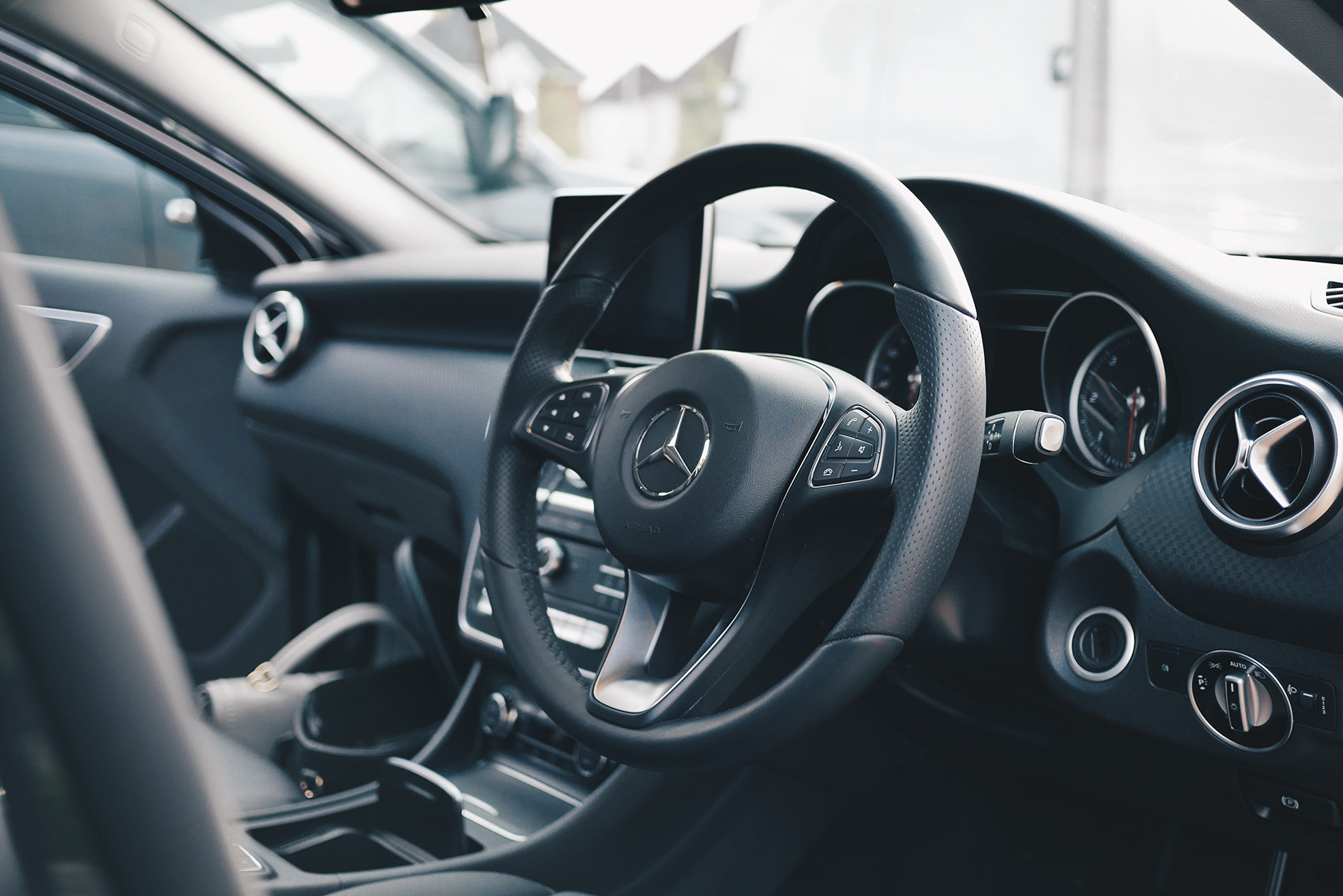
Easy Car Interior Product Options Compared
The right choice depends on how much dirt you need to remove and how much time you have.
| Option | Best use | Advantages | Limitations |
|---|---|---|---|
| Ready-to-use interior detailer | Weekly dust and light marks | Fast and simple | Limited stain-cutting power |
| Interior cleaning spray | General grime | More cleaning ability | Needs careful surface testing |
| Interior wipes | Small touch-ups | Convenient and portable | May dry out or leave residue |
| Dedicated leather cleaner | Leather seats and trim | Better material match | Not for every leather-like surface |
| Fabric cleaner | Cloth seats and carpet | Handles spills and stains better | May need brushing and drying |
| Professional detailing | Heavy soil, odor, or damage | Deep cleaning and equipment | Higher cost and less convenient |
For a typical daily driver, start with a mild interior detailer and microfiber towels. Add a fabric or leather product only when the surface requires it. This keeps the process simple and reduces the chance of chemical overlap.

Common Mistakes to Avoid
The most common mistake is treating every interior surface the same. A dashboard, touchscreen, leather seat, and headliner have different risks.
Avoid these errors:
- Using household glass cleaner on screens or tinted surfaces without checking compatibility
- Spraying liquid directly onto electronics
- Using bleach, ammonia, or strong degreasers inside the cabin
- Applying tire shine or greasy dressing to a steering wheel
- Scrubbing glossy trim with a rough towel
- Soaking fabric seats or headliners
- Mixing cleaning chemicals
- Cleaning in direct, intense sun while the surface is hot
- Using one dirty towel across the whole interior
- Returning damp floor mats to the vehicle
If a product causes discoloration, swelling, stickiness, or a strong chemical smell, stop using it. Blot away excess product with a clean, damp towel if the material allows it, then follow the vehicle manual or contact the manufacturer.

How Often Should You Clean the Interior?
Light cleaning every one to two weeks is usually easier than waiting for heavy buildup. The schedule depends on use, weather, passengers, pets, and food inside the vehicle.
A practical routine is:
- Every few days: Remove trash and shake out loose debris
- Weekly or biweekly: Vacuum and wipe high-touch areas
- Monthly: Clean doors, vents, cup holders, and seat surfaces
- After spills: Blot at once and use a suitable material cleaner
- Seasonally: Clean mats and inspect for odor, mold-like growth, or trapped moisture
In areas of the United States with snow, road salt, sand, or frequent rain, mats may need more attention. In hot, sunny regions, avoid products that create a shiny film on the dashboard and windshield area.

Key Takeaways
- The easiest general choice is a ready-to-use automotive interior cleaner or detailer.
- Use it with clean microfiber towels and apply the product to the towel, not directly to the cabin.
- Check the owner’s manual before cleaning screens, leather, suede, headliners, airbags, or heated seats.
- Use dedicated products for fabric stains, leather, glass, and other special surfaces.
- Avoid greasy dressings on steering wheels, pedals, and gear selectors.
- Test every new product on a hidden area first.
Frequently Asked Questions
Can I use an all-purpose cleaner inside my car?
Only if the label says it is safe for the specific surface and you dilute it as directed. Household all-purpose cleaners may be too strong for automotive plastics, coatings, leather, or screens. An automotive interior cleaner is usually the lower-risk choice.
Is an interior cleaner safe for leather seats?
Not always. Use a product made for the type of leather or synthetic material in your vehicle. Test a hidden area first, and follow the owner’s manual. Do not use a leather cleaner on suede or nubuck unless the product specifically supports it.
Can I use interior cleaner on a car touchscreen?
Use only a method approved by the screen or vehicle manufacturer. In many cases, a clean, dry microfiber towel is the safest first step. If cleaning is allowed, put a small amount of approved product on the towel, never directly on the display.
How do I remove a bad smell from the interior?
First remove the source, vacuum the area, and clean the affected material. Do not simply cover the smell with fragrance. Persistent odor may come from wet carpet, spills beneath a seat, the cabin air filter, or mold-like contamination and may require professional inspection.
Are car interior wipes better than spray cleaner?
Wipes are convenient for quick jobs, but a spray and clean microfiber towel can provide better control and less residue. The better option depends on the product formula, the surface, and how dirty the interior is.
Conclusion
For most U.S. drivers, a mild, ready-to-use automotive interior detailer is the easiest product to start with. Pair it with microfiber towels, use small amounts, and match the cleaner to the surface. When the job involves leather, fabric stains, screens, headliners, or electrical areas, use the vehicle manual and a dedicated product instead of forcing one cleaner to do everything.
The next practical step is simple: identify the main material you need to clean, choose a compatible automotive product, test it in a hidden spot, and work slowly on a small area.