Where Is the Tire Pressure Monitor Located? A Complete Guide to Finding Your TPMS
The tire pressure monitor is usually located in three main places: inside each tire as a TPMS sensor, in the vehicle cabin as a warning display on the dashboard, and in some vehicles as an electronic control module behind body panels.
In the United States, most passenger vehicles built since 2007 are equipped with a Tire Pressure Monitoring System (TPMS) because federal regulations require vehicles under 10,000 pounds to warn drivers when tire pressure drops significantly. When drivers ask where the tire pressure monitor is, they are often referring to the sensor inside the wheel or the dashboard warning system that alerts them.
The exact location depends on the vehicle design and TPMS type. Direct TPMS systems use small sensors attached to each wheel assembly to measure air pressure, while indirect TPMS systems use existing wheel speed sensors and software to estimate pressure changes. Knowing where these components are located helps with inspections, repairs, and troubleshooting.
Source: Bing
Where Is the Tire Pressure Monitor Sensor Located?
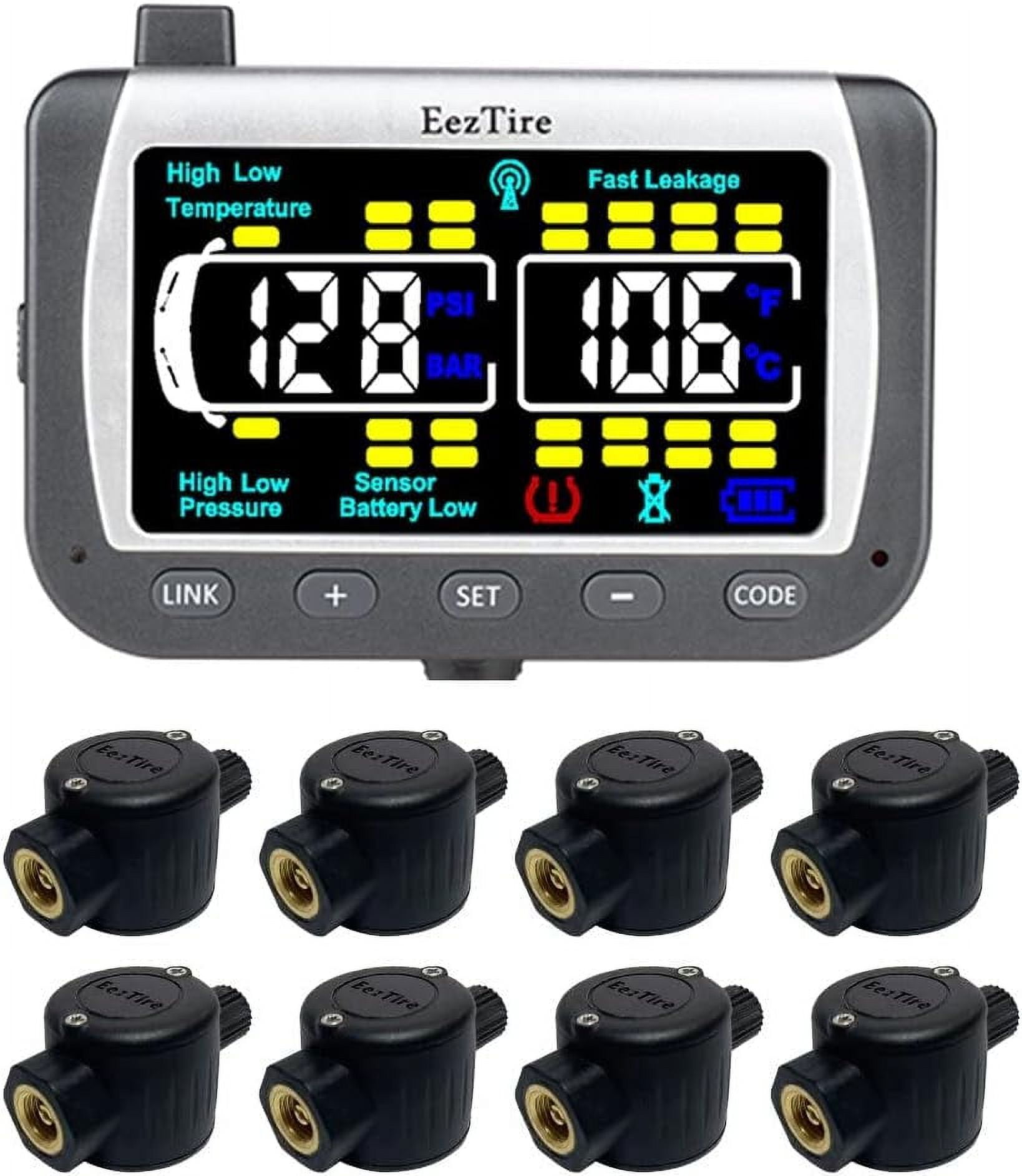
The tire pressure monitor sensor in a direct TPMS system is located inside each tire, usually attached to the wheel rim near the valve stem. The sensor sits inside the tire cavity and measures the air pressure before transmitting data wirelessly to the vehicle computer.
Because the sensor is mounted inside the tire, drivers cannot normally see it without removing the tire from the wheel. During tire replacement or service, technicians can inspect the sensor, replace its battery, or check whether it is damaged.
Source: Bing
Inside the wheel assembly
Most direct TPMS sensors are mounted on the inner side of the wheel and connected to the valve stem.
Near the valve stem
The valve stem location allows the sensor to measure tire pressure while also providing an external inflation point.
One sensor per tire
A typical direct TPMS vehicle has four sensors, with some vehicles adding a separate sensor for a spare tire.
How to Find a TPMS Sensor Without Removing the Tire
You usually cannot physically locate a built-in TPMS sensor from outside the tire. However, you can identify whether your vehicle has sensors by checking the tire valve stems, vehicle manual, or service information. Many vehicles with direct TPMS have metal valve stems, although some use rubber stems depending on the sensor design.
Check the owner manual
The manual usually explains the TPMS type and whether sensors are installed in the wheels.
Look for the TPMS warning symbol
A horseshoe-shaped warning icon with an exclamation mark indicates a tire pressure monitoring system.
Where Is the Tire Pressure Monitor Display Located?
The tire pressure monitor display is located inside the vehicle, usually on the dashboard instrument cluster or the center infotainment screen. Many newer vehicles show individual tire pressure readings through the vehicle information menu.
The dashboard warning light is the most common way drivers interact with TPMS. When the system detects low tire pressure, the warning icon appears to alert the driver that one or more tires need attention.
Source: Bing
Instrument cluster
The TPMS warning light appears among other dashboard indicators near the speedometer and fuel gauge.
Infotainment screen
Some modern vehicles display tire-by-tire pressure readings through the touchscreen system.
What the TPMS Warning Light Means
A steady TPMS warning light usually means one or more tires have low pressure. A flashing warning light may indicate a TPMS malfunction, such as a failed sensor, communication problem, or system fault.
Solid warning light
Check tire pressures as soon as possible using an accurate tire pressure gauge.
Flashing warning light
The vehicle may have a TPMS system problem that requires diagnosis.
Where Is the TPMS Control Module Located?
The TPMS control module is usually hidden inside the vehicle and communicates with the wheel sensors. Its location varies by manufacturer and may be behind the dashboard, under the vehicle body panels, or integrated with other electronic control systems.
Unlike the wheel sensors and dashboard warning light, the control module is not designed for regular driver access. Technicians typically locate and test it during electronic diagnostics when the TPMS does not operate correctly.
Source: Bing
Behind interior panels
Some vehicles place TPMS electronics behind the dashboard or interior trim.
Integrated systems
Certain vehicles combine TPMS functions with other vehicle control modules.
How Vehicle Design Changes TPMS Location
Different manufacturers use different layouts, so there is no universal location for every TPMS component. The vehicle service manual provides the most accurate information for a specific model.
Vehicle year matters
Newer models may use more advanced sensors and integrated electronic systems.
System type matters
Direct and indirect TPMS designs use different hardware locations.
Direct TPMS vs Indirect TPMS: Location Differences
The location of the tire pressure monitoring system depends largely on whether the vehicle uses direct or indirect technology. Direct systems have physical pressure sensors, while indirect systems rely on existing vehicle sensors.
Source: Bing
Direct TPMS
Uses pressure sensors mounted inside the wheels to measure actual tire pressure.
Indirect TPMS
Uses wheel speed sensors from the anti-lock braking system to estimate pressure changes.
Which System Is Easier to Locate?
Direct TPMS components are easier to identify because they include physical sensors inside the tires. Indirect TPMS has no pressure sensor inside the tire, so the monitoring function is handled electronically through vehicle software and wheel sensors.
Direct system inspection
Requires checking wheel-mounted sensors during tire service.
Indirect system inspection
Usually requires electronic diagnostics rather than tire removal.
Common Problems When Looking for the Tire Pressure Monitor
Drivers often confuse the TPMS sensor, warning light, and control module because all are parts of the same system. Identifying the correct component makes troubleshooting faster and avoids unnecessary repairs.
Source: Bing
The sensor cannot be seen
Internal wheel sensors are hidden inside the tire and require tire removal for direct inspection.
The warning light stays on
Low tire pressure, a weak sensor battery, or a system fault can trigger the warning.
Incorrect assumptions after tire changes
Replacing tires does not always replace TPMS sensors, and sensor relearning may be required on some vehicles.
When to Ask a Professional for Help
If the TPMS warning light flashes, remains on after correcting tire pressure, or appears after tire service, a qualified technician can use diagnostic equipment to identify sensor communication problems or system faults.
After repeated warnings
Persistent alerts may require professional diagnosis.
After wheel replacement
New sensors may need programming or relearning.
Frequently Asked Questions
Q
Where is the tire pressure sensor located on a car?
The tire pressure sensor is usually located inside each tire and attached to the wheel near the valve stem. It measures tire pressure and sends information to the vehicle’s TPMS computer.
Q
Can I see my tire pressure monitor without removing the tire?
Most internal TPMS sensors cannot be seen without removing the tire from the wheel. You can usually identify the system type through the owner’s manual or vehicle information display.
Q
Where is the TPMS reset button located?
The TPMS reset button location depends on the vehicle. It may be under the dashboard, inside the glove box, or accessed through the infotainment system menu.
Q
Does every vehicle have a tire pressure sensor inside the tire?
No. Vehicles with direct TPMS use tire-mounted sensors, while vehicles with indirect TPMS estimate pressure changes using wheel speed sensors and software.
Q
Why is my tire pressure light on after filling my tires?
The light may remain on because the system needs time to update, requires a reset procedure, or has a sensor or communication problem.
✦ Wrapping Up
Conclusion
The tire pressure monitor can refer to several parts of the TPMS, including the sensors inside the wheels, the dashboard warning display, and the electronic control system. The exact location depends on the vehicle manufacturer and TPMS design.
Understanding where each component is located helps drivers respond correctly to warning lights, check tire conditions, and communicate more effectively with automotive technicians.
💡 Key Takeaway
If you need to find your vehicle’s tire pressure monitor, first check the dashboard display and owner’s manual, then identify whether your vehicle uses direct or indirect TPMS before inspecting or repairing components.
Tyron Torres is an automotive diagnostics writer and hands-on vehicle maintenance enthusiast with years of experience troubleshooting brake systems, suspension issues, and everyday car performance problems. He specializes in breaking down complex mechanical issues into simple, practical guides that drivers can use to quickly identify and fix common vehicle faults.
Can CarPlay be wireless? Learn how wireless Apple CarPlay works, which cars support it, how to convert wired CarPlay, setup steps, limitations, and troubleshooting tips.
Learn what a tire pressure monitoring system malfunction means, why it happens, common causes, warning signs, and practical steps to diagnose and fix TPMS problems safely.
Is your mount loose or broken? Learn how to fix your car phone holder quickly with these simple, effective DIY tips to keep your device secure on the road.