Do Tire Pressure Monitors Have Batteries? TPMS Battery Life, Replacement, and Troubleshooting Guide
Yes, most direct tire pressure monitors have built-in batteries inside their TPMS sensors. These batteries power wireless sensors that measure tire pressure and temperature and send data to the vehicle computer.
For drivers in the United States, a tire pressure monitoring system (TPMS) is a common safety feature found on most passenger vehicles manufactured since the mid-2000s. If your dashboard shows a low tire pressure warning, the issue may be a tire problem, but it can also involve the battery inside a tire pressure sensor.
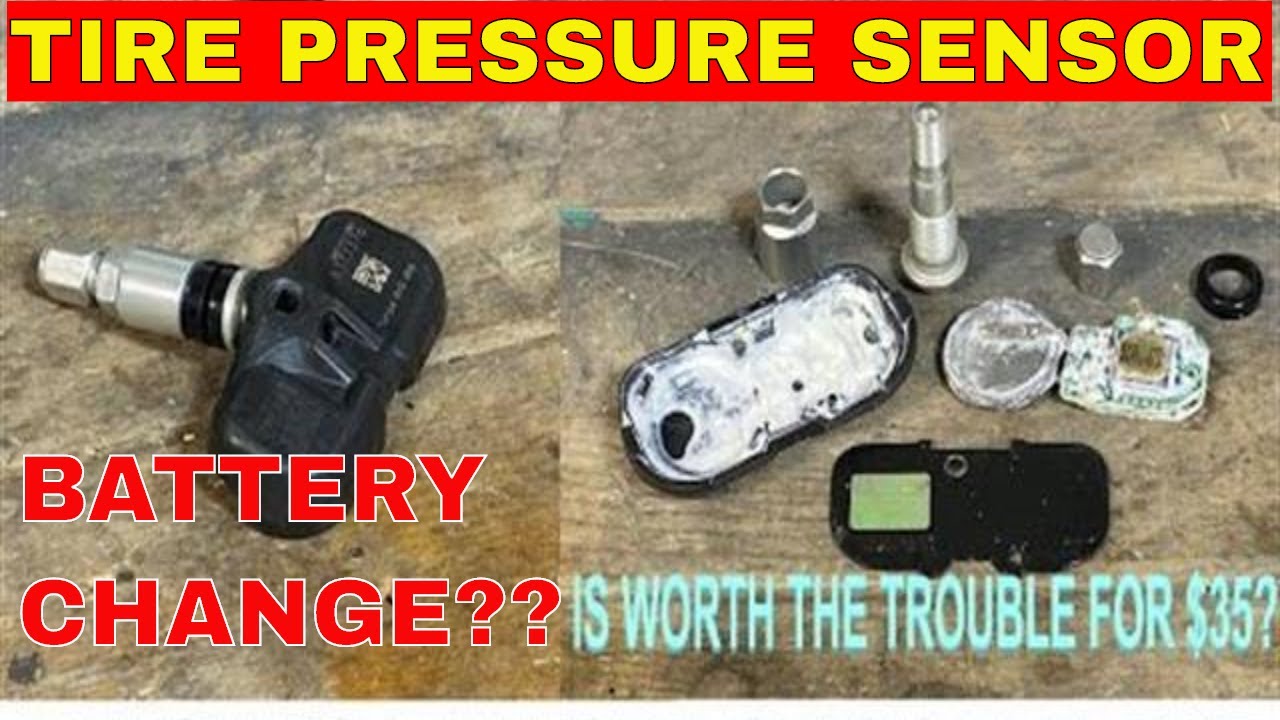
Most factory-installed TPMS sensors use small sealed lithium batteries designed to last several years. Because these batteries are usually built into the sensor housing, they are generally replaced by installing a new sensor assembly rather than changing only the battery. The exact lifespan depends on the vehicle, sensor design, driving conditions, and usage.
Source: Bing
How Do Tire Pressure Monitor Batteries Work?
A tire pressure monitoring sensor is a small electronic device mounted inside or outside a vehicle tire. Direct TPMS sensors measure tire pressure and often tire temperature, then transmit this information wirelessly to the vehicle’s TPMS control module.
The battery inside a direct TPMS sensor provides electrical power for the sensor electronics and radio transmitter. When the sensor detects pressure changes, it sends data to the vehicle so the driver can be alerted if a tire becomes underinflated.
Most original equipment TPMS sensors use sealed lithium batteries because they must operate in a harsh environment exposed to heat, vibration, and road conditions.
Source: Bing
Battery location
The battery is usually enclosed inside the TPMS sensor body attached to the wheel assembly.
Power usage
The sensor conserves energy by transmitting data only at certain intervals or when specific conditions require communication.
Battery replacement
Many factory sensors are sealed units, meaning the complete sensor is replaced when the battery reaches the end of its service life.
Do All Tire Pressure Monitoring Systems Use Batteries?
Not every tire pressure monitoring system works the same way. Direct TPMS systems use battery-powered sensors installed at each wheel, while indirect TPMS systems usually rely on wheel speed sensors that are already part of the vehicle’s anti-lock braking system.
Because indirect TPMS does not measure tire pressure directly, it typically does not require individual tire pressure sensor batteries.
Direct TPMS
Uses battery-powered sensors that directly measure tire pressure and temperature.
Indirect TPMS
Uses existing wheel speed information to estimate pressure changes without tire-mounted batteries.
How Long Do TPMS Sensor Batteries Last?
TPMS sensor batteries commonly last about five to ten years, although the actual lifespan depends on the sensor manufacturer, vehicle usage, climate, and driving habits. Frequent driving generally causes more sensor activity, which can reduce battery life compared with vehicles that are driven less often.
Battery life is also affected by environmental conditions. Extreme temperatures, road vibration, and repeated exposure to moisture can influence the long-term performance of electronic components.
Source: Bing
Typical lifespan
Many TPMS sensors are designed to operate for several years before battery exhaustion becomes likely.
Driving conditions
Frequent use, harsh weather, and high temperatures may affect battery longevity.
Vehicle age
Older vehicles with original sensors are more likely to experience battery-related TPMS failures.
Can You Replace Only the TPMS Battery?
Some aftermarket TPMS sensors may allow battery servicing, but many factory-installed sensors are sealed to protect the electronics from tire conditions. Replacing only the battery is usually not the standard repair method.
A professional technician normally replaces the complete sensor assembly, installs it correctly, and performs a TPMS relearn procedure if required by the vehicle.
Common repair approach
Replace the complete sensor instead of opening the sealed housing.
Signs Your TPMS Sensor Battery May Be Failing
A weak or dead TPMS sensor battery can prevent the sensor from communicating correctly with the vehicle. However, battery failure is only one possible cause of TPMS problems.
Drivers should check tire pressure first because many TPMS warnings are caused by actual pressure loss rather than sensor failure.
Source: Bing
TPMS warning light stays on
A warning light that remains after correcting tire pressure may indicate a sensor or communication issue.
Missing tire pressure readings
A vehicle display that cannot show pressure from one or more tires may have a sensor problem.
Intermittent warnings
A failing sensor battery may cause inconsistent communication with the vehicle system.
What Should You Check Before Replacing a TPMS Sensor?
Before replacing a sensor, verify the actual tire pressure with a reliable tire gauge. Check whether the tire has a puncture, valve issue, or air leak. If the tire pressure is correct and the warning remains, further TPMS diagnosis may be needed.
A TPMS scan tool can help identify whether a specific sensor is transmitting properly or has stopped responding.
Check tire pressure
Confirm that all tires are inflated according to the vehicle manufacturer’s recommended pressure.
Inspect the sensor
Look for damage during tire service or wheel repairs.
TPMS Battery Replacement Cost and Repair Considerations
The cost of dealing with a failed TPMS battery depends on the vehicle, sensor type, labor rates, and whether additional programming is required. Since many sensors are replaced as complete units, the expense usually includes both the sensor and installation service.
Replacing a TPMS sensor often requires removing the tire from the wheel, installing the new sensor, balancing the tire if needed, and completing a relearn procedure so the vehicle recognizes the new sensor.
Source: Bing
Sensor replacement
A new TPMS sensor assembly is commonly installed instead of replacing an internal battery.
Programming requirements
Some vehicles require sensor programming or relearning after replacement.
Professional service
Tire shops and automotive service centers commonly handle TPMS replacement because specialized tools may be required.
Common Mistakes to Avoid
Replacing a TPMS sensor without confirming the actual cause of the warning can lead to unnecessary repairs. A warning light may result from low tire pressure, incorrect installation, damaged components, or a system fault.
Ignoring the warning
Driving with an underinflated tire can increase tire wear and affect vehicle handling.
Assuming every warning means a dead battery
Always check tire condition and pressure before replacing electronic components.
What Happens When a TPMS Sensor Battery Dies?
When a TPMS sensor battery reaches the end of its life, the sensor may stop transmitting pressure information to the vehicle. The dashboard may display a TPMS warning message, or the vehicle may stop showing pressure information for that tire.
A failed sensor battery does not automatically mean the tire is unsafe, but it removes an important monitoring function. The driver should manually check tire pressure until the system is repaired.
Source: Bing
Reduced monitoring ability
The vehicle may no longer receive updated tire pressure data from the affected sensor.
Manual checks become important
Use a tire pressure gauge until the TPMS issue is corrected.
Frequently Asked Questions
Q
Do tire pressure sensors have replaceable batteries?
Most factory TPMS sensors have sealed internal batteries that are not designed for regular replacement. When the battery fails, the usual repair is replacing the entire sensor assembly.
Q
How do I know if my TPMS battery is dead?
Common signs include a TPMS warning light that remains on, missing tire pressure readings, or a sensor that fails to communicate with a TPMS diagnostic tool.
Q
Can I drive with a dead TPMS sensor battery?
You can usually drive, but the vehicle may not warn you about tire pressure changes from that sensor. Check tire pressure manually until the sensor is repaired.
Q
Do all cars have battery-powered tire pressure sensors?
No. Vehicles with direct TPMS use battery-powered sensors, while some vehicles use indirect TPMS systems that estimate pressure changes without tire-mounted batteries.
Q
Should TPMS sensors be replaced when changing tires?
TPMS sensors do not always need replacement when tires are changed. However, if sensors are old or their batteries are near the end of their expected life, replacing them during tire service may reduce future labor costs.
✦ Wrapping Up
Conclusion
Most tire pressure monitors do have batteries, but only direct TPMS systems use battery-powered sensors installed at the wheels. These batteries allow sensors to measure and transmit tire information to the vehicle.
When a TPMS sensor battery fails, replacing the complete sensor is usually the standard solution. Before replacing parts, confirm that the problem is not caused by incorrect tire pressure, damage, or another system issue.
💡 Key Takeaway
If your TPMS warning light appears, check your tire pressure first. If the pressure is correct and the warning continues, have the TPMS sensors tested to determine whether a battery-related failure is the cause.
Tyron Torres is an automotive diagnostics writer and hands-on vehicle maintenance enthusiast with years of experience troubleshooting brake systems, suspension issues, and everyday car performance problems. He specializes in breaking down complex mechanical issues into simple, practical guides that drivers can use to quickly identify and fix common vehicle faults.
Learn why your car overheats only when idle and how to fix cooling, thermostat, or airflow issues fast. Practical tips and DIY checks to prevent damage.
Can CarPlay be wireless? Learn how wireless Apple CarPlay works, which cars support it, how to convert wired CarPlay, setup steps, limitations, and troubleshooting tips.