How Accurate Are Tire Pressure Monitoring Systems? A Complete TPMS Accuracy Guide
Tire pressure monitoring systems are generally accurate enough to warn drivers about significant pressure changes, but they are not a replacement for checking tire pressure with a quality gauge.
In the United States, tire pressure monitoring systems (TPMS) have become standard equipment on most passenger vehicles sold since 2007 because of federal safety requirements. These systems help drivers identify underinflated tires before they create handling problems, reduce fuel efficiency, or increase the risk of tire failure.
The accuracy of a TPMS depends on the sensor type, vehicle design, tire temperature, calibration, and maintenance condition. Most factory-installed systems are designed to provide reliable warnings when tire pressure drops below a safety threshold, but their readings may not match a professional tire gauge perfectly in every situation.
Source: Bing
How Accurate Are Tire Pressure Monitoring Systems?
Most tire pressure monitoring systems are accurate enough to detect meaningful pressure changes and alert drivers before tire pressure becomes dangerously low. However, TPMS accuracy is not the same as laboratory-level measurement accuracy.
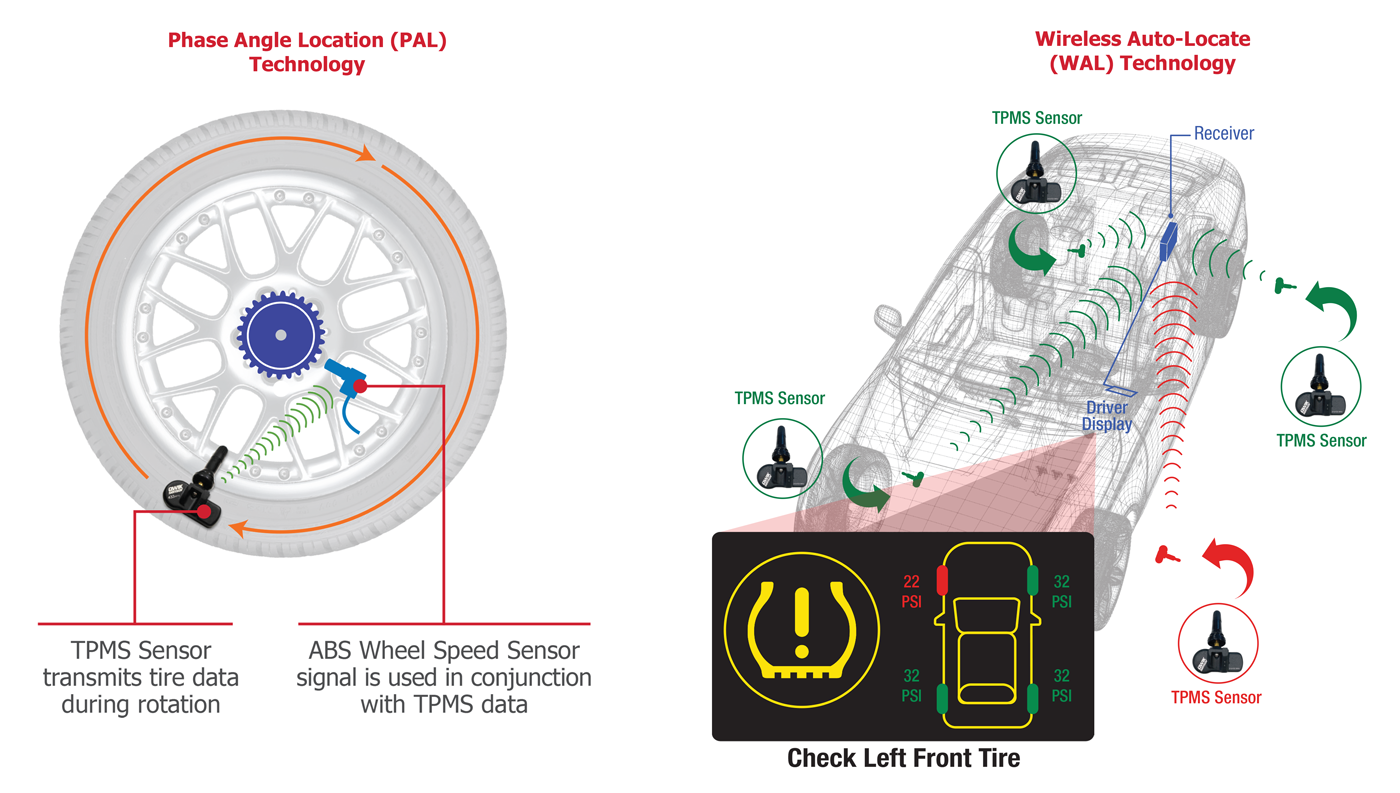
Direct TPMS sensors installed inside each tire can typically measure actual tire pressure and transmit data to the vehicle computer. Indirect TPMS systems estimate pressure changes by analyzing wheel speed differences through the anti-lock braking system sensors.
Source: Bing
Direct TPMS accuracy
Direct systems usually provide actual pressure readings from sensors mounted inside the tire and are generally more precise for identifying individual tire pressure levels.
Indirect TPMS accuracy
Indirect systems can identify pressure loss by detecting changes in tire rotation but cannot measure actual air pressure.
What Accuracy Should Drivers Expect?
A factory TPMS is designed primarily as a warning system. The system may not show the exact same number as a handheld tire gauge because manufacturers set operating tolerances and account for normal changes caused by temperature and driving conditions.
Best use
Use TPMS alerts to identify possible tire problems and use a calibrated gauge for exact pressure checks.
How Tire Pressure Monitoring Systems Measure Pressure
TPMS technology works differently depending on whether the vehicle uses direct or indirect monitoring. Understanding the system type helps explain why accuracy varies between vehicles.
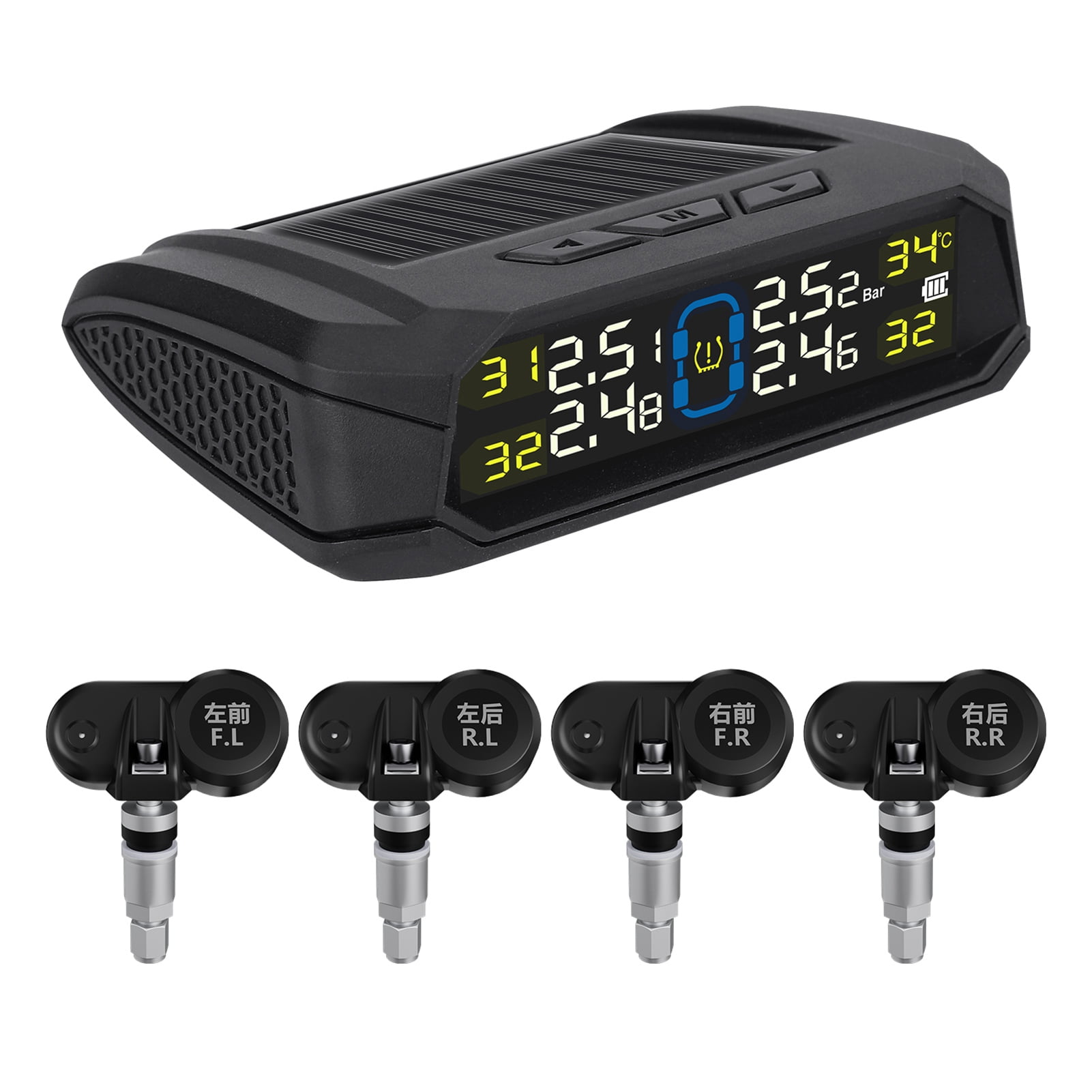
Direct TPMS uses electronic sensors attached to each wheel. These sensors measure tire pressure and often temperature before sending information wirelessly to the vehicle’s control module.
Indirect TPMS does not measure air pressure directly. Instead, it uses wheel speed sensors to detect when one tire rotates differently because a change in tire pressure has altered its size.
Source: Bing
Direct sensor measurement
Provides individual tire pressure information and may display pressure values on the dashboard.
Wheel speed calculation
Indirect systems estimate pressure changes through differences in wheel rotation.
Why Direct TPMS Is Usually More Precise
Direct TPMS measures the pressure inside each tire, making it more suitable for showing actual pressure differences between tires. However, the sensor still has limitations caused by battery life, environmental conditions, and calibration requirements.
More detailed information
Direct systems can identify which tire has low pressure instead of only detecting that a pressure problem exists.
Factors That Affect TPMS Accuracy
Several conditions can influence how accurately a tire pressure monitoring system reports information. A TPMS warning does not always mean the sensor is defective; changes in the tire environment can affect readings.
Source: Bing
Temperature changes
Tire pressure naturally changes with temperature. Cold weather can lower pressure readings, while heat from driving can increase pressure.
Sensor age
Direct TPMS sensors contain batteries that eventually wear out, which can cause communication problems.
Incorrect calibration
Some vehicles require TPMS relearning or resetting after tire replacement, rotation, or sensor installation.
Tire service issues
Improper installation or damaged sensors can affect the reliability of TPMS information.
Can Weather Make TPMS Readings Wrong?
Weather can change tire pressure readings without indicating a sensor problem. For example, a significant drop in outdoor temperature can reduce tire pressure enough to trigger a warning even when the tires do not have a puncture.
Practical step
Check tire pressure when tires are cold and compare readings with the vehicle manufacturer’s recommended pressure.
TPMS Accuracy Compared With a Tire Pressure Gauge
A tire pressure gauge and TPMS serve different purposes. A gauge is used for manual verification, while TPMS provides continuous monitoring while driving.
For routine driving safety, TPMS is valuable because it can alert drivers when pressure drops unexpectedly. For precise inflation adjustments, a quality gauge remains the better tool.
Source: Bing
TPMS advantage
Provides automatic monitoring and alerts without requiring the driver to manually check every tire.
Gauge advantage
Allows direct pressure measurement when filling tires or confirming a TPMS reading.
Common TPMS Problems and Troubleshooting Steps
When a TPMS warning appears, the cause may be low tire pressure, a sensor issue, or a system calibration problem. Checking the simplest and safest causes first can prevent unnecessary repairs.
Source: Bing
Check tire pressure first
Use a reliable gauge to confirm whether the tire pressure is actually low.
Inspect for tire damage
Look for punctures, leaks, or visible damage before continuing to drive.
Reset when required
Follow the vehicle owner’s manual instructions after correcting pressure or replacing sensors.
A damaged or expired sensor may need professional replacement.
Signs Your TPMS May Be Incorrect
Possible signs of a TPMS issue include repeated warnings after proper inflation, missing pressure readings, a flashing TPMS light, or inconsistent readings compared with a trusted gauge.
Safety action
Do not ignore a warning light until the cause is confirmed because low tire pressure can affect vehicle control.
Frequently Asked Questions
Q
Are tire pressure monitoring systems always accurate?
No. TPMS systems are designed to provide reliable warnings about pressure problems, but they may not display the exact pressure measured by a professional gauge in every situation.
Q
How accurate are factory TPMS sensors?
Factory TPMS sensors are generally accurate enough for safety monitoring when properly maintained. Their performance can be affected by battery condition, temperature, and calibration.
Q
Can TPMS detect a slow tire leak?
Yes. A direct TPMS can often detect gradual pressure loss, while indirect systems may detect changes only after the tire size difference becomes significant.
Q
Should I trust TPMS instead of checking tire pressure manually?
TPMS should support regular tire maintenance, not replace it. Drivers should still check tire pressure periodically with a reliable gauge.
Q
Why is my TPMS light on when my tires look fine?
A TPMS warning can appear because of temperature-related pressure changes, a slow leak, sensor battery failure, or calibration problems. Confirm tire pressure before assuming the tires are safe.
✦ Wrapping Up
Conclusion
Tire pressure monitoring systems are accurate and dependable safety tools when properly maintained, but they are designed mainly to warn drivers about pressure problems rather than replace manual measurements.
The most reliable approach is to use TPMS alerts as an early warning system and confirm tire pressure with a quality gauge when adjusting or inspecting tires.
💡 Key Takeaway
Pay attention to TPMS warnings, verify unusual readings manually, and keep tires inflated according to the vehicle manufacturer’s recommended pressure.
Tyron Torres is an automotive diagnostics writer and hands-on vehicle maintenance enthusiast with years of experience troubleshooting brake systems, suspension issues, and everyday car performance problems. He specializes in breaking down complex mechanical issues into simple, practical guides that drivers can use to quickly identify and fix common vehicle faults.
Learn what an indirect tire pressure monitoring system is, how it works without pressure sensors, its advantages, limitations, and common troubleshooting tips for US drivers.
Learn what the tire pressure monitoring system warning light means, why it turns on, how to troubleshoot it, and when you should check or repair your tires.
Learn how to use a magnetic car phone holder safely and effectively. Follow our step-by-step guide to secure your device perfectly for any 2026 commute.