Car cup holders break mainly from repeated stress, poor plastics, heat, spills, and misuse.
I’ve worked on cars and tested many interiors. In this article I explain why do car cup holders break, how their design and materials fail, and what you can do to prevent or fix them. You’ll get clear cause-and-effect analysis, practical repair tips from real experience, and guidance to save time and money.

Why do car cup holders break: anatomy and materials
Cup holders look simple. They are made from plastic, metal springs, rubber liners, or trim pieces. Many use ABS or polypropylene plastic. Some use thin stamped metal parts for moving bits. The moving parts rely on small clips, springs, or sliding rails.
Design aims for low cost and light weight. That makes parts thin. Thin parts handle less abuse. Over time, plastic becomes brittle. That leads to cracks, snaps, and warped cups. Knowing these parts helps explain why do car cup holders break.
Common causes of breakage
Here are the main reasons cup holders fail. Each cause is short-term or long-term and often avoidable.
- Repeated mechanical stress. Continuous pushing, pulling, and twisting wears clips and hinges.
- Poor material choice. Cheap plastics crack sooner under load or cold.
- Heat and UV exposure. Sun and hot cars accelerate plastic degradation.
- Sticky spills and debris. Sugary drinks gum up moving parts and trap moisture.
- Impact and misuse. Setting heavy items or using holders as storage breaks them.
- Manufacturing defects. Thin molds, weak fasteners, or poor tolerances cause early failure.
- Road vibration and fatigue. Constant shaking loosens fasteners and stresses joints.
If you wonder why do car cup holders break more in some cars, these causes explain the why.

How design and use interact
Design choices set the limit. A cheap snap-in holder is not meant for heavy force. A spring-loaded slider has more moving parts. Each extra part raises the chance of failure. The way you use the holder matters too.
Drivers who slam lids or store heavy bottles shorten life. Kids and pets add unpredictable forces. Cleaning choices matter. Harsh solvents remove protective finishes. All these details answer the practical question: why do car cup holders break in real life.

Environmental and usage factors that accelerate failure
External conditions speed up damage. Hot summers and freezing winters both harm plastics. Salt and grime from roads can corrode small metal parts. Extended sun exposure makes some materials brittle.
Frequent city driving means lots of vibration. Sports or off-road use increases shocks. Long-term exposure to sticky spills invites mold and attracts dirt. These real-world factors make it clear why do car cup holders break faster in some vehicles.
Prevention, maintenance, and simple fixes
You can extend a cup holder’s life with simple steps. Most are low cost and fast.
- Clean often. Wipe up spills quickly with mild soap and water.
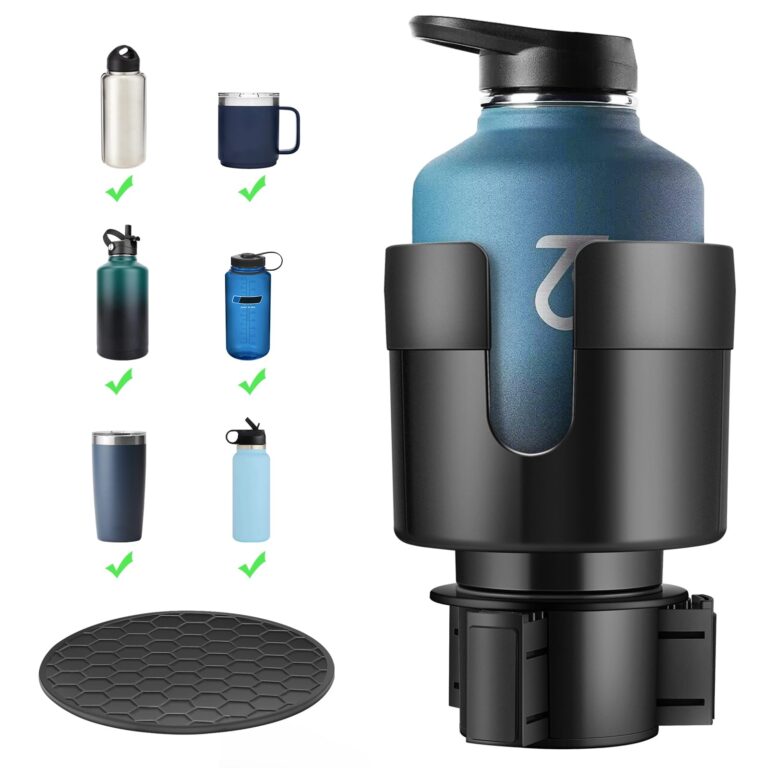
- Use silicone or rubber liners. They cushion impacts and protect the holder.
- Avoid heavy items. Don’t store tools, phones, or heavy containers in the holder.
- Protect from sun. Use shades or park in shade to reduce heat exposure.
- Tighten loose fasteners. Check screws and clips and snug them gently.
- Apply plastic-safe lubricant. Silicone spray helps sliding parts move smoothly.
- Replace damaged inserts. Aftermarket liners are cheap and stop stress on plastic.
From my shop days, I learned that a $5 silicone liner prevents many future repairs. Small fixes like epoxy for small cracks can hold until a proper replacement is available.

Repair vs replace: options, costs, and trade-offs
Deciding between repair and replace depends on damage and cost. Small cracks and loose springs can be fixed with epoxy, zip ties, or new clips. Full replacements may involve removing center console trim. OEM parts cost more. Aftermarket pieces are cheaper but may not match fit or finish.
Typical costs:
- DIY repair kits and liners: low cost.
- Individual replacement parts: moderate cost.
- Full console or OEM module replacement: higher cost and sometimes labor-heavy.
If you ask why do car cup holders break beyond repair, look for warped or shattered mounting points. When the console itself is damaged, replacement is usually best.

When to replace a cup holder
Replace when function is unsafe or unsalvageable. Signs include:
- Large cracks that catch cups.
- Broken fasteners that let the holder fall out.
- Missing or bent metal parts that affect stability.
- Persistent sticky residue and mold that cleaning can’t remove.
Replacing early can prevent console damage and avoid expensive labor later.

Personal experiences and lessons learned
I’ve fixed dozens of cup holders in older cars. One common pattern: owners ignore small cracks until the holder snaps. I once used a silicone liner in a rental car. It lasted years and avoided damage. Another time, I repaired a broken slider with epoxy and a clip from a hardware store. It worked for a long commute.
Key lessons:
- Small prevention steps go a long way.
- Cheap liners prevent cracks from heavy mugs.
- Quick cleanup of spills avoids sticky jams.
- Don’t force a stuck holder; inspect and free the mechanism first.
These experiences highlight practical answers to why do car cup holders break and how to stop it.

Related concepts and broader context
Cup holders are small, but they intersect with larger design and safety topics. Interior ergonomics balance cost, weight, and durability. Automakers often trade off long-term durability for price and styling. That trade-off answers part of why do car cup holders break more in certain models.
Also consider recycling and repairability. Designing for easy replacement reduces waste. Choosing materials that age well helps too.
Frequently Asked Questions of Why do car cup holders break
What is the most common reason car cup holders break?
Most break because of repeated stress on thin plastic parts. Small clips and hinges fail over time. Heat and sticky spills speed this process.
Can spilled soda permanently damage a cup holder?
Yes. Sugary liquids can gum up moving parts and attract dirt. Over time this causes jamming and material breakdown.
Are aftermarket cup holder liners worth it?
Yes. Silicone liners cushion cups, keep parts clean, and reduce direct wear. They are inexpensive and simple to install.
Can I fix a cracked cup holder myself?
Small cracks can be repaired with plastic epoxy or reinforced with a liner. If mounting points are broken, replacement is safer.
Do certain car models have weaker cup holders?
Some budget models use thinner materials and simpler designs, which fail sooner. Higher-end cars often use stronger parts and better finishes.
How often should I check or clean my cup holder?
A quick wipe weekly prevents buildup. Deep cleaning monthly helps avoid sticky residues and mechanical jams.
Conclusion
Cup holders fail for clear reasons: material limits, design choices, misuse, and the environment. Knowing why do car cup holders break helps you prevent damage and pick the right fix. Take small steps now—clean spills fast, add a silicone liner, and avoid heavy misuse—to extend life and save money. Try one tip this week and see the difference; leave a comment with your experience or subscribe for more practical car care tips.