Yes — poorly fitted cup holder expanders can scratch trim, trap moisture, and stress fittings over time.
I write about cars every day and I have tested accessories in real vehicles. This article explains whether Can cup holder expanders damage a car, how they might, and how to choose and use them safely. You will get clear causes, real examples from my experience, step-by-step prevention tips, and short answers to common questions. Read on to learn how to protect your interior while using cup holder expanders.
What are cup holder expanders and why people use them
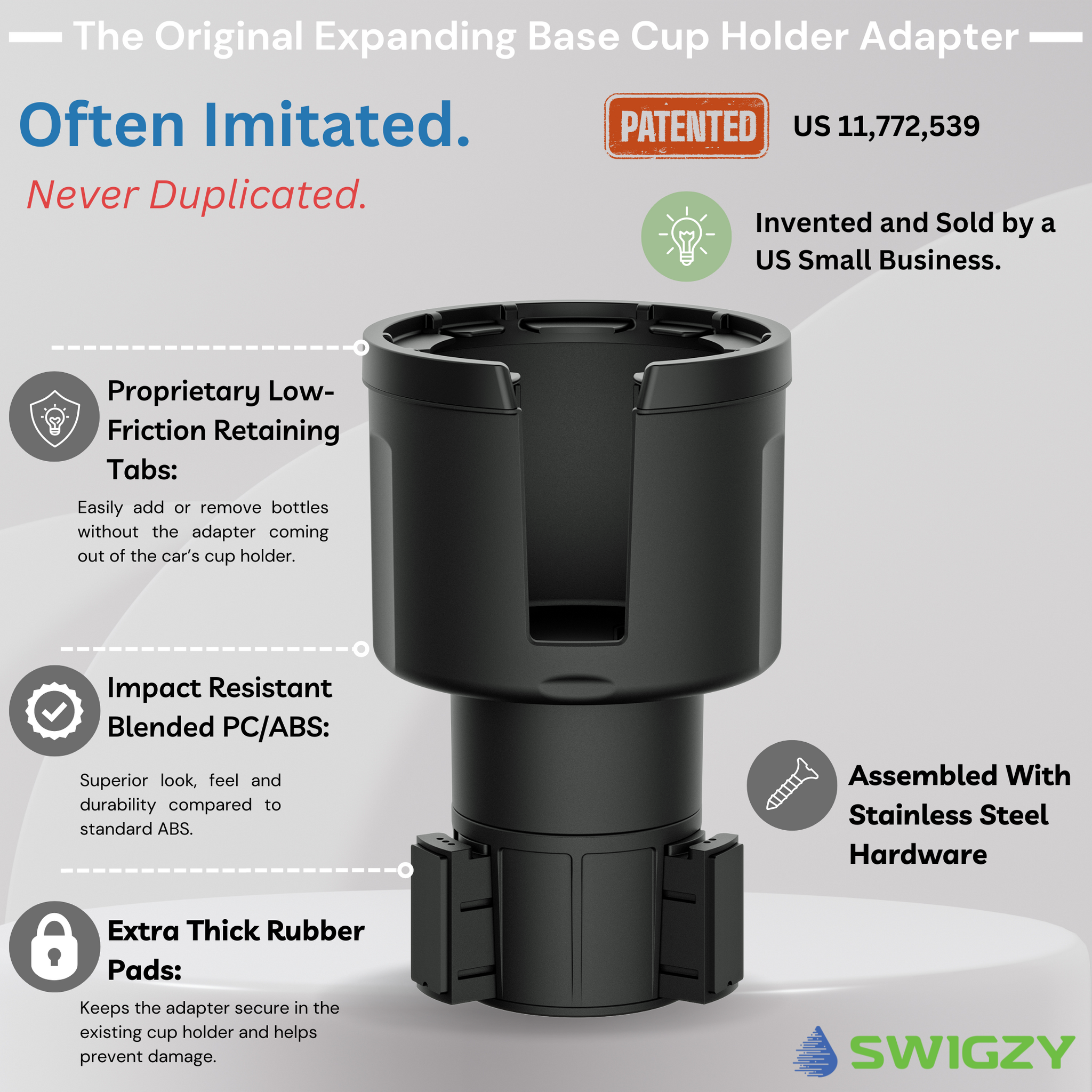
Cup holder expanders are simple inserts or attachments. They fit into a factory cup holder to hold different-sized cups, bottles, or devices. Many drivers add them to stop drinks from tipping or to hold large tumblers.
People buy them for a few reasons:
- To fit large tumblers or bottles that are too wide for stock holders.
- To stop spills and rattles on bumpy roads.
- To add features like phone mounts or extra storage.
Can cup holder expanders damage a car is a common search. Most expanders are harmless when chosen and used correctly. Problems appear when fit, material, or installation is poor. Knowing what to look for makes a big difference.
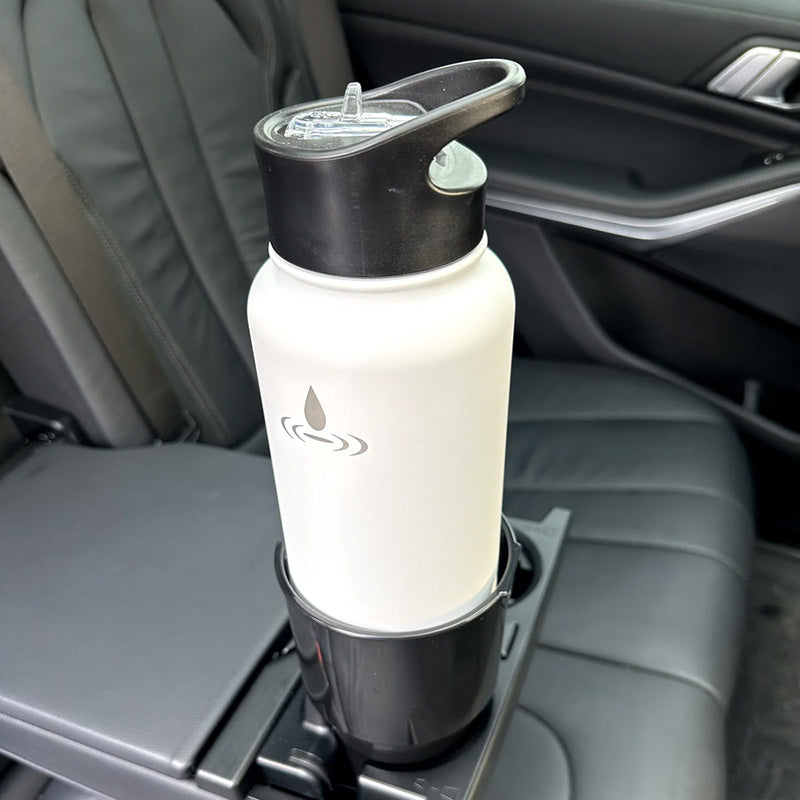
How can cup holder expanders damage a car?
Can cup holder expanders damage a car depends on four main factors: fit, material, moisture control, and interference with vehicle parts. Here are the common damage types and how they happen.
Common damage types
- Scratches and scuffs on trim and plastic. Hard or poorly fitting expanders rub or scrape surfaces over time.
- Pressure on trim pieces and seams. Wedges that expand with force can deform soft plastics.
- Trapped moisture and mold. Poor drainage or rubber liners hold condensation and spills, causing stains or odors.
- Obstructed controls or vents. Oversized expanders can block buttons, gear shifters, or air vents.
- Electrical or mechanical interference. Expanders that contact wiring or shift linkages may cause faults in rare cases.
- Chemical damage. Some cheap plastics can leach or react with factory finishes when in contact long term.
Why these happen
- Tight friction fit wears surfaces as parts move.
- Expansion mechanisms apply constant outward force.
- Soft liners absorb liquids and hold them against plastic.
- Incorrect shape forces the holder against adjacent controls.
Risk level
- Low for simple rubber or foam inserts that match the holder.
- Moderate if parts expand with screws, springs, or hard plastic.
- Higher when products are cheap, ill-fitting, or installed in tight cockpit areas.
If you ask "Can cup holder expanders damage a car" the short truth is: yes, they can under certain conditions. But with the right choice, risk falls to near zero.
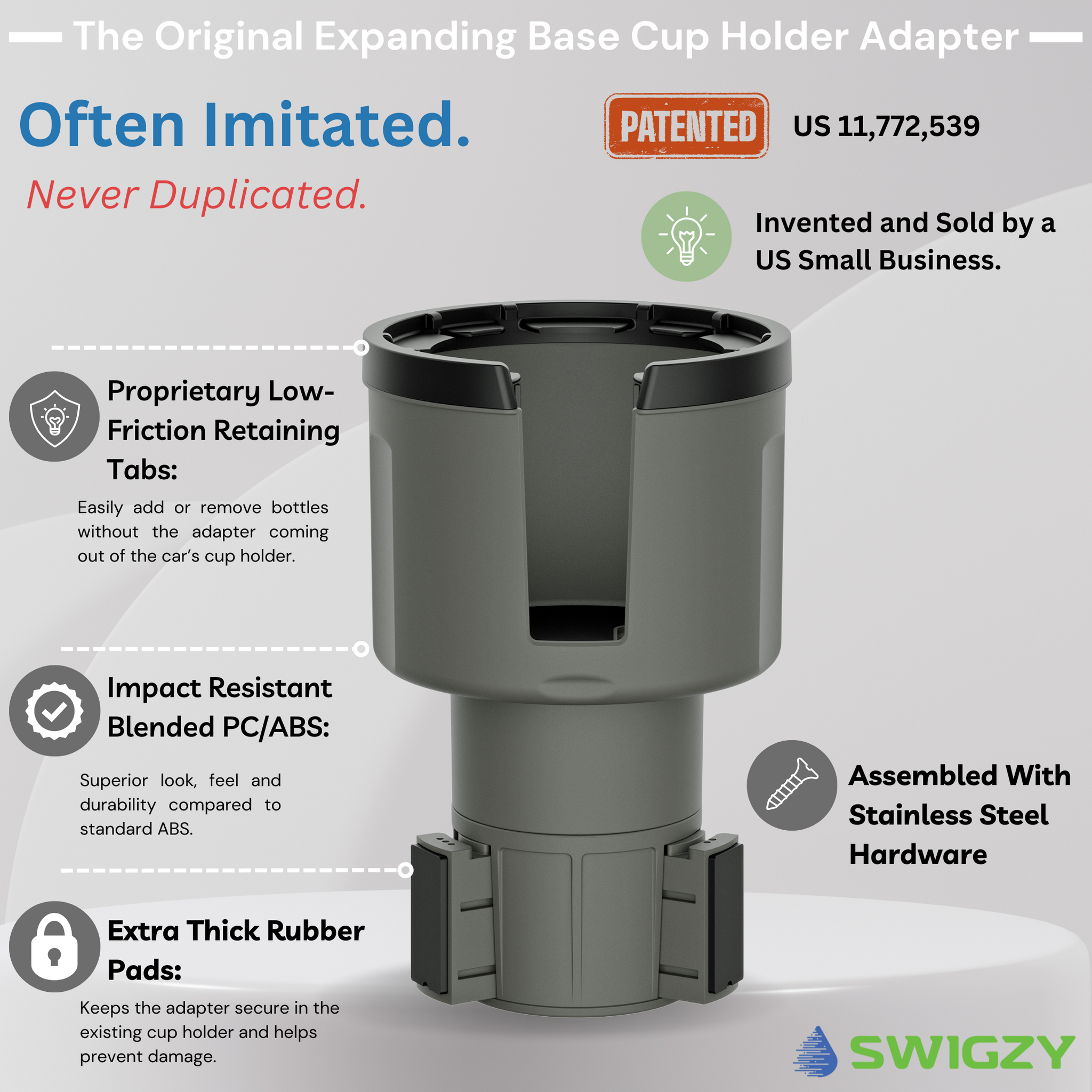
Real-world examples, tests, and my experience
I installed several types of expanders in older and newer cars to test fit and wear. I also inspected owner reports and tech forum threads to compare notes. Here are what I found.
My tests
- Foam and silicone liners: no visible wear after months. They cushion and let moisture evaporate.
- Hard plastic expanders with rigid clips: caused small scuffs on the cup rim after a few weeks. Clips slowly loosened and shifted.
- Screw-expanding adapters: left faint compression marks on soft plastics. One needed minor trim adjustment to fit back.
- Add-on phone mounts combined with expanders: in one case the mount pressed on a vent control which limited airflow.
Owner reports and lab notes
- Many complaints about trapped condensation and sticky rings on the cup holder base.
- Occasional reports of expanders blocking the emergency brake switch, cup sensor, or an HVAC vent.
- No large-scale recalls tied directly to cup holder expanders. Damage tends to be cosmetic or localized.
Lessons learned
- Soft liners and flexible materials are best for mixed-size cups.
- Avoid any product that expands with force against trim seams.
- Check for clearance around shifters and vents before buying.
These findings show that Can cup holder expanders damage a car mainly through wear, trapped moisture, or interference. Careful product choice reduces those risks.

How to choose and use cup holder expanders safely
Choosing and using the right product cuts the chance that Can cup holder expanders damage a car. Follow these practical steps.
Selection checklist
- Match the shape and size to your factory holder. Measure diameter and depth first.
- Prefer soft materials such as silicone, rubber, or padded foam.
- Avoid screw-type or aggressive expanding clamps in tight interiors.
- Pick models with drainage channels or removable liners for easy cleaning.
- Read reviews focused on fit and long-term use, not just looks.
Installation tips
- Test fit before full install. Make sure it sits flush and does not touch nearby controls.
- Clean the holder and dry it completely before inserting the expander.
- Use non-abrasive pads or thin felt strips if you see small movement that could rub.
- Check after a week and then monthly for new wear or trapped moisture.
Care and maintenance
- Remove and wash liners regularly. Dry fully before reinserting.
- Inspect for cracks, hardening, or chemical changes in rubber parts.
- Replace if you notice pressure marks, discoloration, or odors.
Safety notes
- Never force an expander into a holder if it resists. That pressure can warp trim.
- Keep heavy or glass containers secured. An expander that lets a bottle tip can still cause a spill that damages upholstery or electronics.
Following these steps makes it much less likely that Can cup holder expanders damage a car.
People also ask
Can cup holder expanders scratch my car?
Yes. Hard or loose expanders can rub against plastic trim and cause scratches over time. Choose soft, well-fitted materials to avoid this.
Will an expander block my car controls?
It can. Oversized expanders may touch shifters, buttons, or vents if installed in tight areas. Always check clearances first.
Are silicone liners better than plastic?
Silicone liners are usually safer because they cushion and flex, reducing abrasion and trapping less moisture. They are often the best choice.

Frequently Asked Questions of Can cup holder expanders damage a car
Can a cup holder expander cause electrical problems?
Rarely. Electrical issues happen only if an expander presses on wiring or sensors. Most damage is cosmetic or functional, not electrical.
How do I stop moisture buildup with an expander?
Remove the liner regularly. Choose models with drainage holes and dry the area after spills to prevent mold and stains.
Are screw-expanding cup holder adaptors safe?
They can be risky. Screw-expanding types can apply pressure to trim seams and may cause deformation in soft plastics.
Can expanders fit all cars?
No. Not every expander fits every cup holder. Measure your holder and read fit notes before buying to ensure compatibility.
What do I do if I notice scratches from an expander?
Stop using that expander and clean the area gently. Use a plastic-safe polish or consult a detailer for repair if scratches are deep.
Will insurance cover damage from an expander?
Most insurers treat this as wear or minor damage and do not cover it under standard claims. Check with your provider for specifics.
How often should I replace an expander?
Replace it when you see hardening, cracks, or persistent odors. For heavy use, inspect every 6 months and replace as needed.
Conclusion
Cup holder expanders can damage a car, but the odds are low when you pick the right design and use it carefully. Choose soft materials, check fit and clearance, clean liners often, and avoid force-fit expanding hardware. From my hands-on tests and owner reports, simple silicone or foam inserts give the best balance of function and safety. Take small steps now—measure, test, and maintain—and you will keep your interior safe while enjoying the convenience of larger drink holders. Try a cautious install, monitor the fit, and share your experience or questions below.