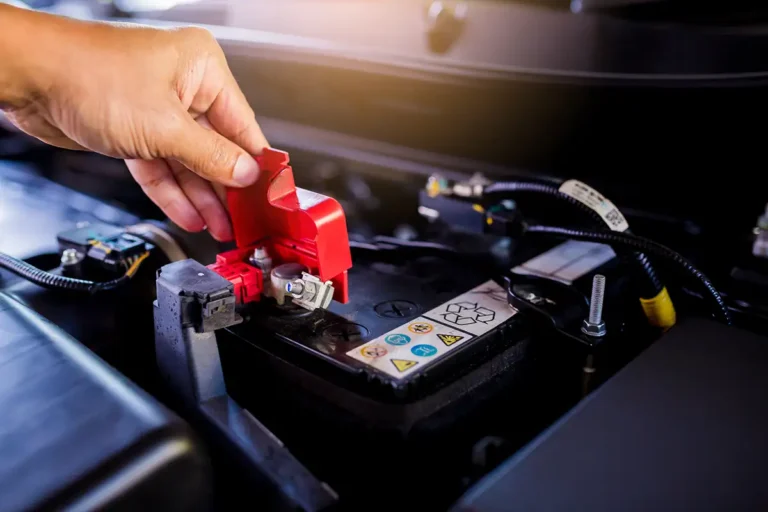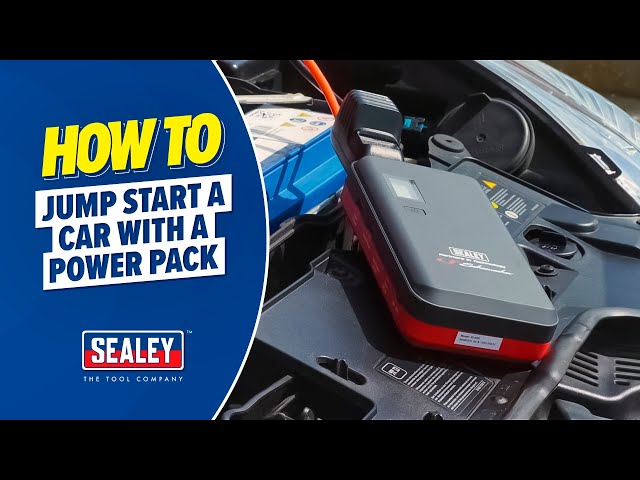
A 12v lead acid car battery stores electrical energy and delivers the strong burst needed to start your engine.
A 12v lead acid car battery is still the heart of most gas and diesel vehicles. It powers the starter motor, lights, computers, safety systems, and other electrical parts before the alternator takes over. With the right testing, charging, and care, you can avoid many no-start mornings and choose a battery that truly fits your car.
What Is a 12v Lead Acid Car Battery?
A 12v lead acid car battery is a rechargeable battery that uses lead plates, lead dioxide, and sulfuric acid electrolyte. It has six cells, and each cell produces about 2.1 volts when fully charged. Together, the cells provide about 12.6 volts at rest.
The word “12v” describes the battery’s nominal voltage. A fully charged battery may measure close to 12.6 or 12.7 volts after resting. When the engine runs, the alternator usually raises system voltage to about 13.7 to 14.7 volts, though the correct range depends on the vehicle.
The 12v lead acid car battery has two main jobs:
• Start the engine by sending high current to the starter motor
• Support electrical systems when the engine is off or when demand is higher than alternator output
The battery also acts like a shock absorber for the car’s electrical system. It helps smooth voltage changes and protects sensitive control modules from sudden electrical swings.
How a 12v Lead Acid Car Battery Works
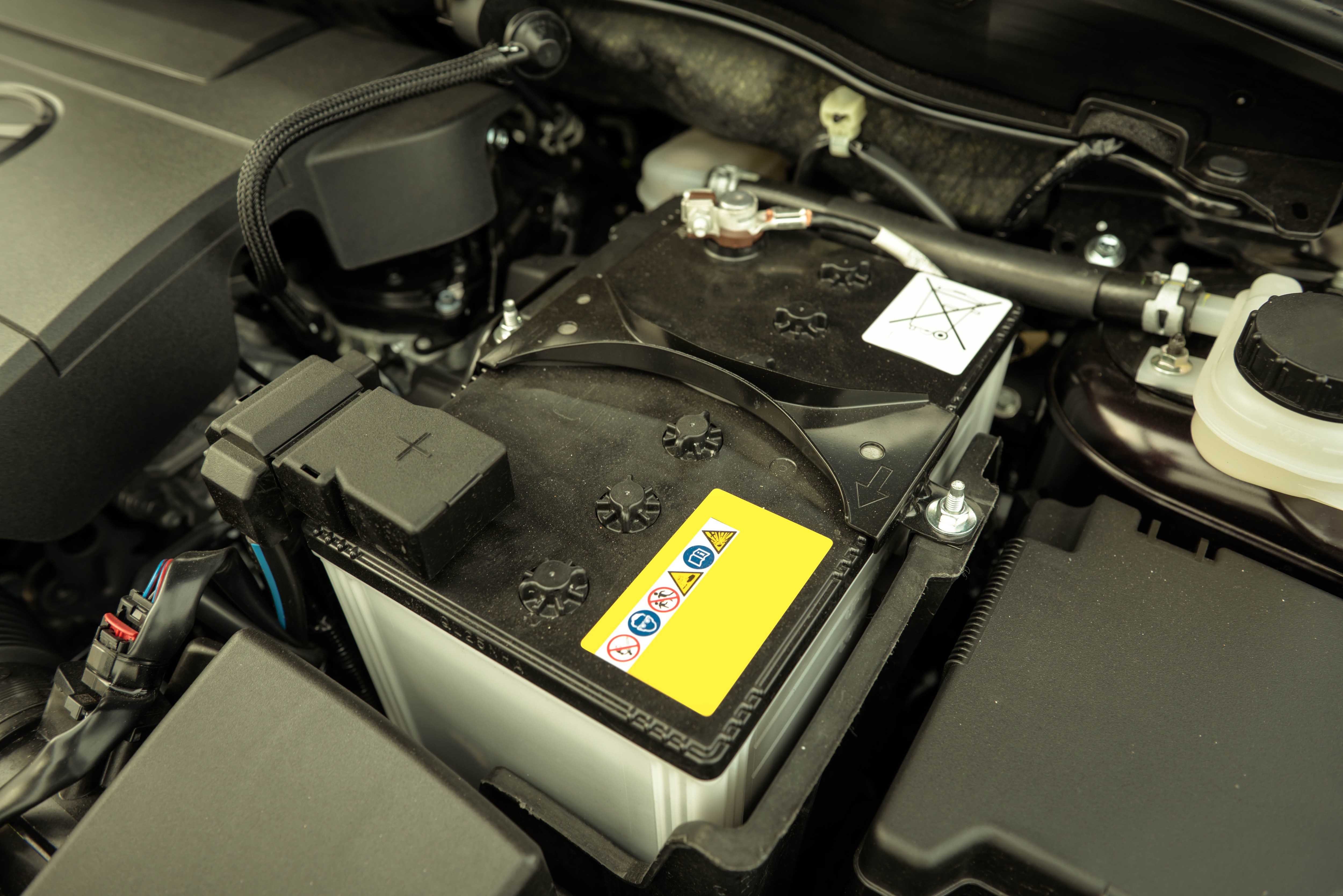
Inside the battery are positive plates, negative plates, separators, and electrolyte. The plates sit in a solution of sulfuric acid and water. During discharge, a chemical reaction creates electrons that flow through the vehicle’s electrical circuit.
When you turn the key or press the start button, the battery sends power to the starter motor. The starter then turns the engine crankshaft until combustion begins. This process may last only a few seconds, but it can require hundreds of amps.
Once the engine starts, the alternator supplies most of the vehicle’s electrical power. It also replaces energy used during starting. The alternator sends current back into the battery, reversing much of the chemical reaction that occurred during discharge.
A 12v lead acid car battery is not designed to remain deeply discharged. It works best when it provides short, strong bursts of power and then receives a full recharge. Repeated deep discharge can damage the plates and shorten battery life.
Starting power and reserve capacity
Two important battery ratings explain performance:
• Cold cranking amps, or CCA, show how much current the battery can provide at low temperature. Higher CCA helps in cold climates.
• Reserve capacity, or RC, estimates how long the battery can support a set electrical load if the alternator stops working.
Some batteries also list amp hours, or Ah. This rating is more common with deep cycle batteries, but it can still help describe storage capacity. For starting batteries, CCA and RC are often more useful than Ah.
Types of 12v Lead Acid Car Batteries
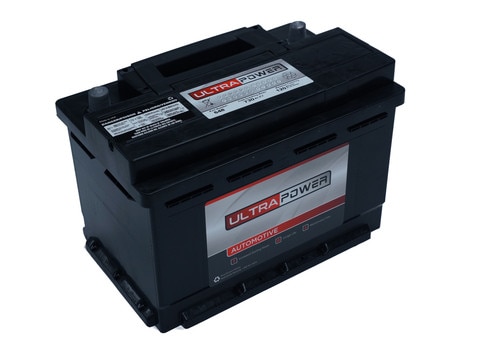
Not every 12v lead acid car battery uses the same design. Choosing the correct type matters because charging systems and vehicle demands vary.
Flooded lead acid batteries
Flooded batteries are the traditional type. Their electrolyte is free to move around the plates. Many modern flooded batteries are sealed and do not allow easy water replacement, while older serviceable designs have removable caps.
Benefits include:
• Lower purchase cost
• Wide availability
• Good starting performance
• Simple replacement for many older vehicles
Limitations include:
• Greater sensitivity to heat and vibration
• Possible water loss in older serviceable designs
• More risk of acid leakage if the case is damaged
Absorbent glass mat batteries
An AGM battery holds electrolyte in fiberglass mats between the plates. It is still a lead acid battery, but the electrolyte does not flow freely like it does in a conventional flooded battery.
AGM batteries often suit vehicles with:
• Start stop systems
• High electrical demand
• Advanced safety systems
• Heavy accessory use
• Strong vibration or off road use
An AGM battery can offer better cycling performance and faster energy acceptance. However, it usually costs more, and the vehicle may need battery registration or charging system calibration after replacement.
Enhanced flooded batteries
An enhanced flooded battery, often called an EFB, is stronger than a basic flooded battery. It can handle more charge and discharge cycles and is common in some vehicles with simple start stop systems.
An EFB battery should not automatically replace an AGM unit. Check the vehicle maker’s specifications before changing battery technology.
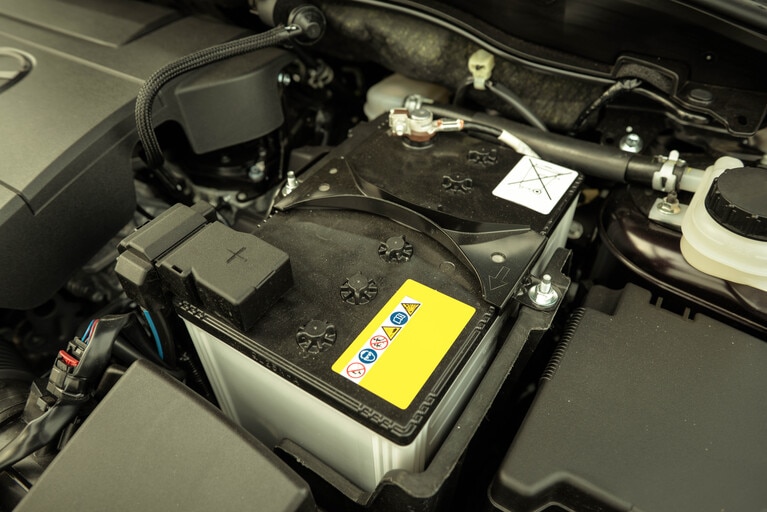
How to Choose the Right 12v Lead Acid Car Battery
The best 12v lead acid car battery is not always the largest or most expensive one. It must match your vehicle’s physical space, electrical needs, and charging system.
Check these details before buying:
• Group size: This identifies the battery’s length, width, height, and terminal layout.
• CCA rating: Select a rating that meets or exceeds the vehicle maker’s recommendation.
• Reserve capacity: A higher rating may help if the vehicle has many accessories.
• Terminal position: Positive and negative posts must sit in the correct locations.
• Battery type: Use flooded, EFB, or AGM as specified by the vehicle manufacturer.
• Venting design: Some batteries require a vent tube, especially when installed inside the passenger area or trunk.
• Hold down system: The battery must fit securely in its tray.
The label under the hood or the owner’s manual is usually the best starting point. A parts store lookup can help, but it should not replace checking the vehicle’s actual requirements.
A battery with a higher CCA rating can be useful in a cold area, but excessive size may create fitment or charging problems. Do not force a battery into the tray simply because it has a bigger number.
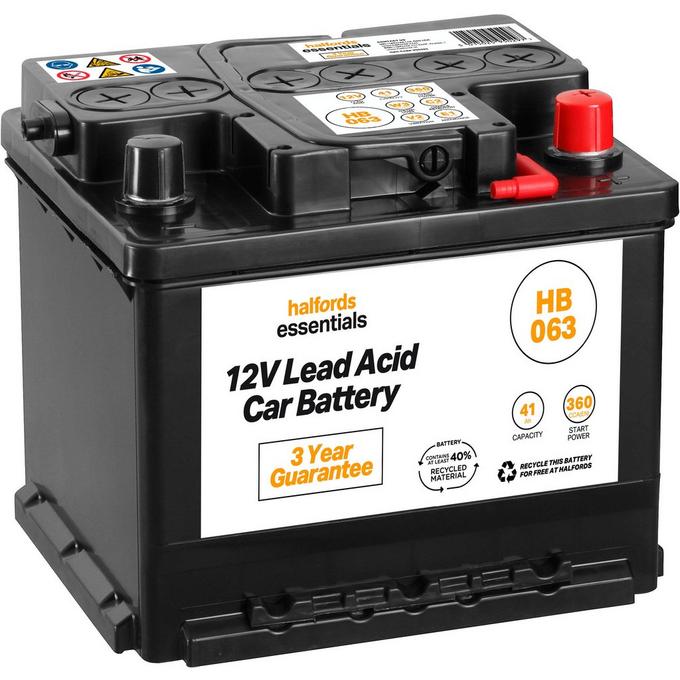
Signs Your 12v Lead Acid Car Battery Is Failing
A failing 12v lead acid car battery often gives warnings before it stops working. Pay attention to small changes, especially during cold weather.
Common signs include:
• Slow engine cranking
• A clicking sound when you try to start the car
• Dim headlights before the engine starts
• Flickering dashboard lights
• Repeated jump starts
• A battery warning light
• Corrosion around the terminals
• Swollen or cracked battery case
• A strong sulfur or rotten egg smell
Slow cranking is one of the clearest signs. The starter should turn the engine with steady force. If it sounds weak or labored, the battery may have low capacity, poor connections, or a charging problem.
A swollen battery case is a serious warning. Excess heat, overcharging, freezing, or internal failure can cause the case to expand. Do not continue using a battery that is cracked, leaking, or badly swollen.
A warning light does not always mean the battery itself is bad. It may point to an alternator, belt, wiring, or voltage regulator issue. Test the complete charging system before buying a replacement.
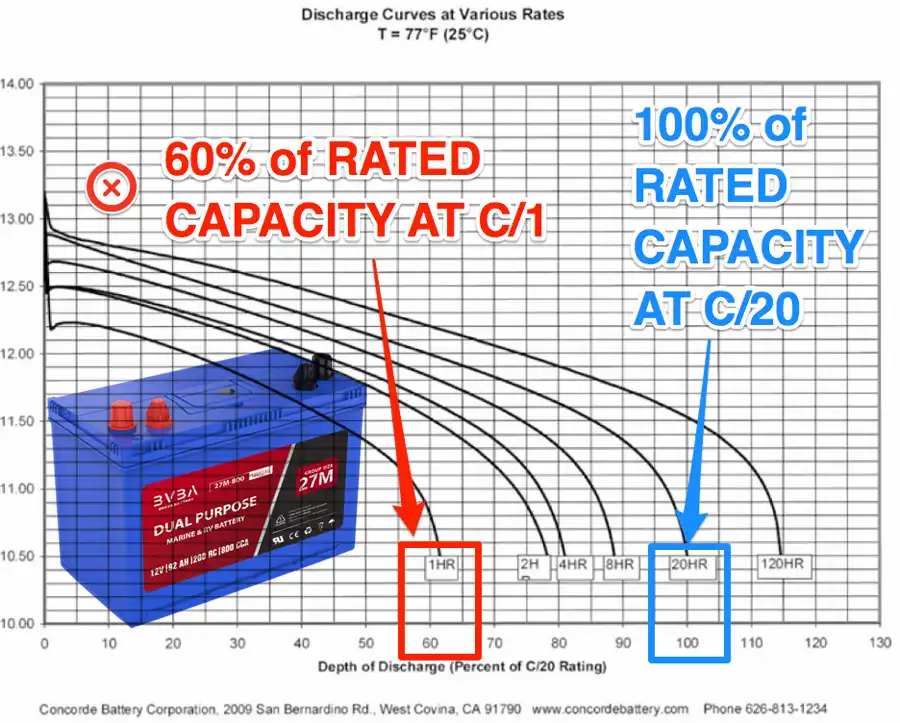
How to Test a 12v Lead Acid Car Battery
Testing helps separate a weak battery from a different starting or charging fault. A digital multimeter can provide a useful first check, but a professional battery tester gives a more complete result.
Resting voltage test
Turn off the engine and all accessories. Let the vehicle sit for several hours if possible, then measure voltage across the battery terminals.
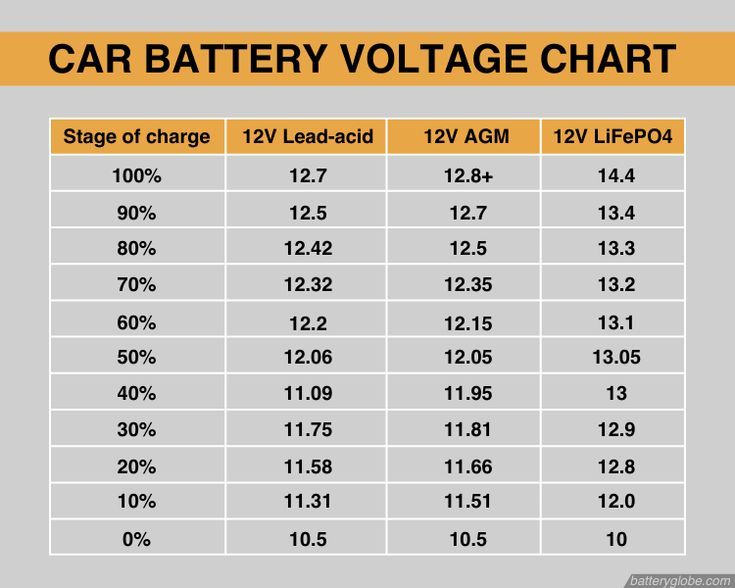
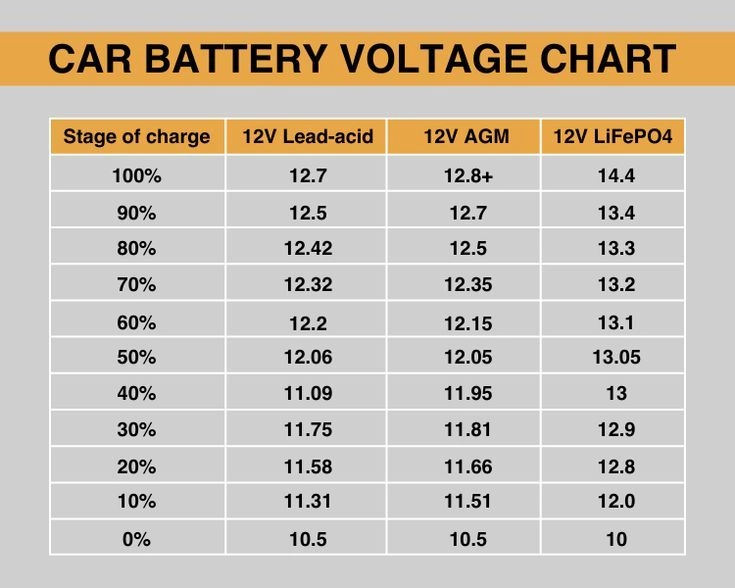
Typical readings are:
• About 12.6 to 12.7 volts: Fully charged
• About 12.4 volts: Partly charged
• About 12.2 volts: Roughly half charged
• About 12.0 volts or less: Very low charge
These numbers are general guides, not final proof of battery health. A battery can show good resting voltage and still fail under load.
Cranking voltage test
Connect a suitable meter or battery tester. Watch the voltage while another person starts the engine. A healthy battery usually stays above about 9.6 volts during a normal test at room temperature.
Cold weather can change this result. Low temperatures reduce battery performance, so a borderline battery may fail on a freezing morning even if it worked well the day before.
Charging voltage test
With the engine running, measure voltage at the battery terminals. Many vehicles show about 13.7 to 14.7 volts, but smart charging systems may vary outside that range.
If voltage is too low, the alternator may not recharge the battery. If voltage is too high, overcharging may damage the battery and other electronics. Always compare your reading with the vehicle maker’s specifications.
In hands-on battery checks, one mistake appears again and again: replacing the battery without testing the alternator. A new battery may seem to fix the issue, but a weak alternator can drain it within days.
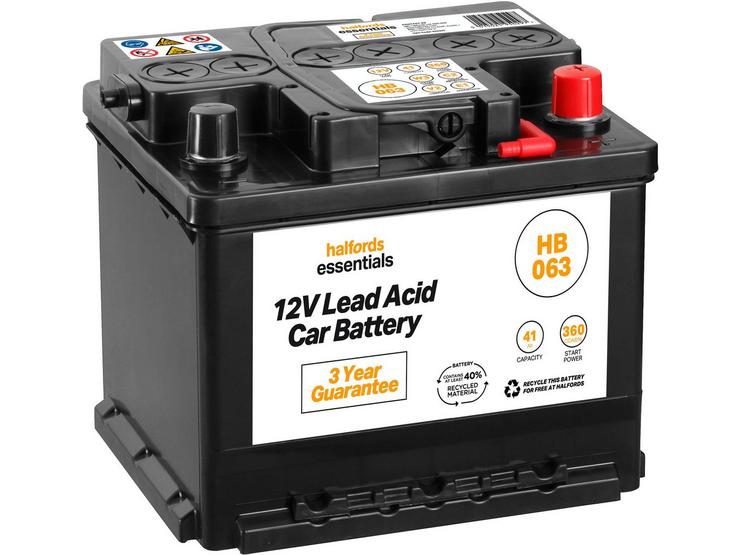
How to Charge a 12v Lead Acid Car Battery Safely
A smart charger is usually the safest choice for a 12v lead acid car battery. It adjusts the charging process and reduces the risk of overcharging.
Follow these steps:
-
Park in a well-ventilated area away from flames and sparks.
-
Turn off the vehicle and remove the keys.
-
Inspect the battery for cracks, leaks, or severe swelling.
-
Connect the positive charger clamp to the positive battery terminal.
-
Connect the negative clamp to the negative terminal or an approved ground point.
-
Select the correct battery type and charging mode.
-
Allow the charger to complete its cycle.
-
Turn off the charger before removing the clamps.
Lead acid batteries can release hydrogen gas while charging. Hydrogen ignites easily, so never smoke or create sparks near a charging battery. Wear eye protection and gloves if you clean terminals or handle a damaged battery.
Do not use a high powered charger on a small battery unless the battery maker allows it. Fast charging creates heat and may increase the chance of damage. A slow, controlled charge is often better for a deeply discharged battery.
A battery that will not accept a charge may have a shorted cell, sulfation, or serious internal damage. Charging it repeatedly may not restore reliable starting power.
Battery Maintenance Tips That Extend Service Life
Modern batteries need less care than older designs, but basic maintenance still matters. Many problems blamed on the battery actually begin with dirty terminals, loose connections, or poor vehicle use.
Use these practical habits:
• Keep the terminals clean and tight.
• Check the hold down bracket so vibration does not damage the case.
• Inspect cables for cracks, swelling, or corrosion.
• Avoid leaving lights, chargers, or entertainment systems on with the engine off.
• Drive long enough for the alternator to replace starting energy.
• Test the battery before winter and before long trips.
• Keep the battery surface dry and free of dirt.
Short trips are especially hard on a 12v lead acid car battery. Starting uses a large burst of energy, but a ten minute drive may not replace it fully. If you mostly make short trips, an occasional smart charger can help maintain the battery.
Heat is also a major enemy. High under hood temperatures speed up plate corrosion and water loss. In many regions, summer heat can reduce battery life even more than winter cold. A battery may fail during the first cold snap because the heat damage happened months earlier.
How Long Does a 12v Lead Acid Car Battery Last?
A 12v lead acid car battery often lasts about three to five years, but service life varies. Climate, driving habits, vehicle design, battery quality, and maintenance all affect the result.
A battery may last less time when exposed to:
• Extreme heat
• Severe cold
• Frequent short trips
• Long periods without use
• Strong vibration
• Poor charging voltage
• Parasitic electrical drains
A battery may last longer when it is kept fully charged, securely mounted, and tested regularly. Still, no maintenance plan can guarantee a specific life span.
Do not wait for a battery to fail completely if it is already old and showing weak test results. Replacing it before a trip can be cheaper and less stressful than arranging a roadside jump start.

Replacing a 12v Lead Acid Car Battery
Replacing a battery is often simple, but modern vehicles may require extra steps. Some cars lose radio settings, window functions, clock settings, or learned computer data when power is removed.
Before removal, check the owner’s manual for battery replacement instructions. Some vehicles need a memory saver or a special procedure.
A basic replacement process usually includes:
-
Turn off the ignition and all electrical accessories.
-
Identify the positive and negative terminals.
-
Disconnect the negative cable first.
-
Disconnect the positive cable.
-
Remove the hold down bracket.
-
Lift out the old battery using safe lifting technique.
-
Clean the tray and terminal area.
-
Install the new battery in the correct direction.
-
Secure the hold down bracket.
-
Connect the positive cable first.
-
Connect the negative cable last.
-
Confirm that the battery is secure and the vehicle starts normally.
A 12v lead acid car battery can be heavy. Use both hands, keep it level, and ask for help if needed. Never place metal tools across both terminals because the battery can release a dangerous burst of current.
Many newer vehicles require battery registration. This tells the vehicle’s charging system that a new battery is installed. Skipping this step may cause incorrect charging and reduce battery life.
Environmental and Safety Considerations
Lead and sulfuric acid are hazardous materials. A damaged battery should not go into household trash. Most auto parts stores, repair shops, and recycling centers accept used car batteries.
Recycling recovers lead and plastic for reuse. It also keeps corrosive materials out of soil and water. In the United States, retailers often charge a refundable core fee to encourage battery returns.
Keep these safety rules in mind:
• Do not open a sealed battery.
• Do not touch leaking electrolyte.
• Keep batteries away from children and pets.
• Wear eye protection when working near terminals.
• Wash skin with plenty of water if acid contacts it.
• Seek medical help immediately if acid enters the eyes.
• Do not place a battery on its side unless the manufacturer permits it.
If a battery freezes, do not try to jump-start it. A frozen battery may crack or explode. Let it thaw in a safe place, then inspect it before charging.
Common Mistakes to Avoid
Many battery problems come from simple errors. Avoiding them can save money and prevent damage.
• Buying by size alone: A battery may fit the tray but have the wrong terminal layout or rating.
• Ignoring the charging system: An alternator problem can destroy a new battery.
• Using the wrong battery type: A vehicle designed for AGM may not work correctly with a basic flooded unit.
• Leaving the battery loose: Vibration can damage internal plates and connections.
• Testing only after failure: Early testing gives you more choices and less pressure.
• Jump-starting incorrectly: Reversed polarity can damage fuses, computers, and other electronics.
• Letting a discharged battery sit: Sulfation can become permanent over time.
One lesson worth remembering is that a battery is part of a system. The starter, alternator, cables, ground points, and vehicle electronics all affect starting performance. Test the whole system when the symptoms do not clearly point to one part.
Frequently Asked Questions About a 12v Lead Acid Car Battery
How many volts should a 12v lead acid car battery show?
A fully charged battery usually shows about 12.6 to 12.7 volts after resting. A reading near 12.0 volts indicates a very low charge, but voltage alone cannot prove that the battery is healthy.
Can I use any 12v lead acid car battery in my vehicle?
No. The battery must match the vehicle’s group size, terminal layout, CCA, reserve capacity, and battery technology. Always check the owner’s manual or the original battery label before buying.
How long does it take to charge a 12v lead acid car battery?
Charging time depends on battery size, state of charge, and charger output. A slow charger may need overnight, while a higher output smart charger may take several hours.
Can a 12v lead acid car battery be overcharged?
Yes. Overcharging can create heat, damage the plates, cause fluid loss, and shorten battery life. Use a charger designed for the battery type and follow its instructions.
Why does my battery keep dying after I replace it?
The cause may be a weak alternator, parasitic drain, loose cable, poor ground, or repeated short trips. Test the battery, charging voltage, and key-off current before replacing another battery.
Is a higher CCA battery better?
A higher CCA rating can improve starting in cold weather, but only if the battery fits and suits the vehicle. Extra CCA does not correct a faulty alternator or poor electrical connection.
Should I disconnect a 12v lead acid car battery during long storage?
Disconnecting the negative cable may reduce some electrical drain, but it can also erase vehicle settings. A smart maintenance charger is often a better choice when the vehicle will sit for several weeks.
Conclusion
A 12v lead acid car battery provides the starting power and electrical support your vehicle needs every day. The best results come from choosing the correct battery type, checking voltage and charging performance, keeping connections clean, and replacing an aging battery before it fails.
Treat the battery as part of the full starting system, not as an isolated part. Test it before winter, inspect it before long trips, and recycle it responsibly when its service life ends. Use these steps to make a confident battery choice, and share your own maintenance tips or questions in the comments.