To jumpstart a car battery, connect jumper cables in the right order, then start the working vehicle.
Learning how to jumpstart a car battery can save time, money, and stress when your vehicle will not start. This guide explains the safest method, common mistakes, battery warning signs, and what to do after the engine runs.
What You Need to Jumpstart a Car Battery
Before you jumpstart a car battery, gather the right tools and check both vehicles. A rushed setup can damage electrical parts or cause an injury.
You will need:
- A set of jumper cables with clean, undamaged clamps
- Another vehicle with a fully charged battery
- Safety glasses, if available
- Gloves, if available
- A flashlight for night work
- Your vehicle owner’s manual
Both vehicles should have batteries with the same basic voltage. Most cars, trucks, and SUVs use 12-volt systems. Do not use a vehicle with a different voltage unless the manufacturer clearly allows it.
Park the working vehicle close enough for the cables to reach, but do not let the vehicles touch. Put both vehicles in Park, or in Neutral with the parking brake set for a manual transmission. Turn off both engines, lights, radios, and other electrical devices.

Check the Battery Before You Connect the Cables
A jump start is not safe for every battery. Look at the battery first and check for clear signs of damage.
Do not jumpstart a car battery if it is:
- Cracked or leaking
- Bulging or badly swollen
- Frozen in cold weather
- Covered with heavy corrosion
- Giving off a strong rotten-egg smell
- Hot to the touch
A damaged battery can leak acid or release flammable gas. In that situation, call roadside assistance or a qualified technician.
Also check the battery terminals. A light layer of white or blue buildup can reduce the electrical connection. If the terminals are heavily corroded, clean them only when it is safe and the battery is not damaged. Wear eye protection, and keep sparks and flames away from the battery.
A dead battery may be caused by more than an old battery. Common causes include:
- Leaving the headlights or interior lights on
- A weak alternator
- A loose battery cable
- A parasitic electrical drain
- Very cold weather
- An aging battery
How to Jumpstart a Car Battery Step by Step
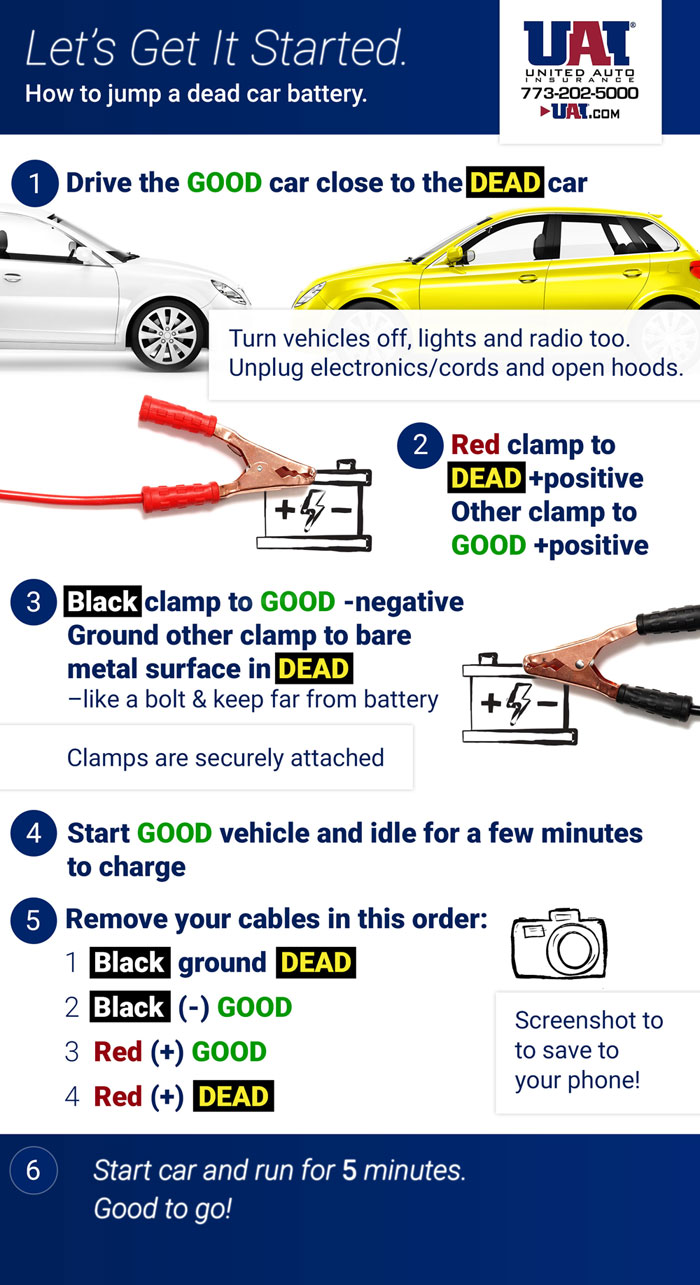
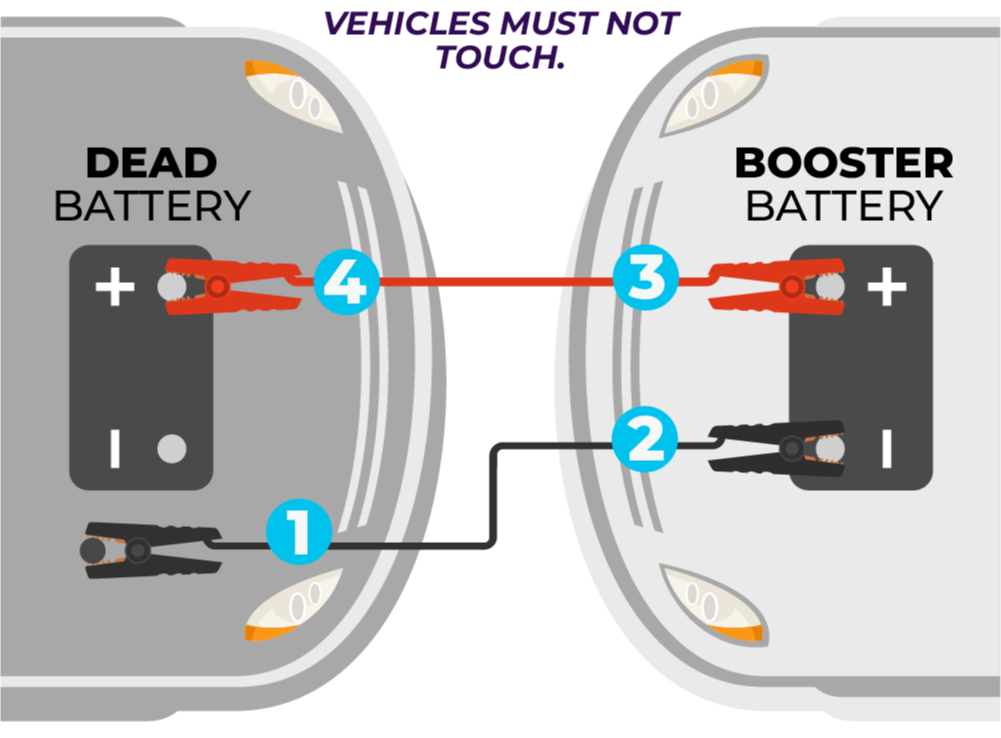
The cable order matters. Connect the positive terminals first, then connect the negative clamp to a safe ground on the vehicle with the dead battery.
1. Position the Vehicles
Park the working vehicle near the vehicle with the dead battery. Keep the vehicles close enough for the cables to reach, but leave a small gap between them.
Set both parking brakes. Place automatic transmissions in Park and manual transmissions in Neutral. Turn both engines off and switch off all accessories.
2. Find the Battery Terminals
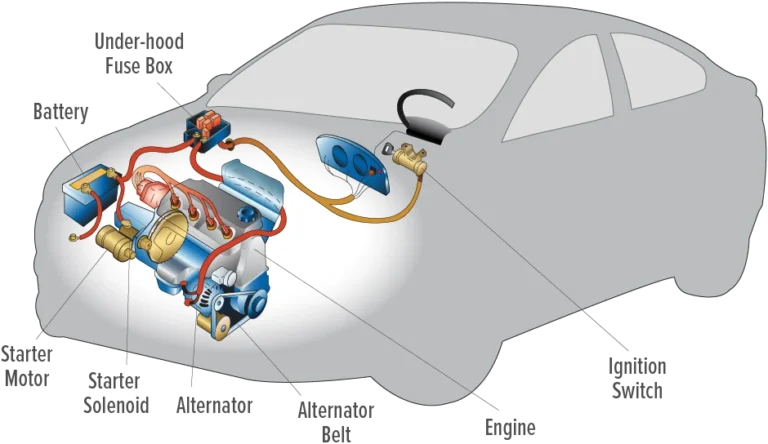
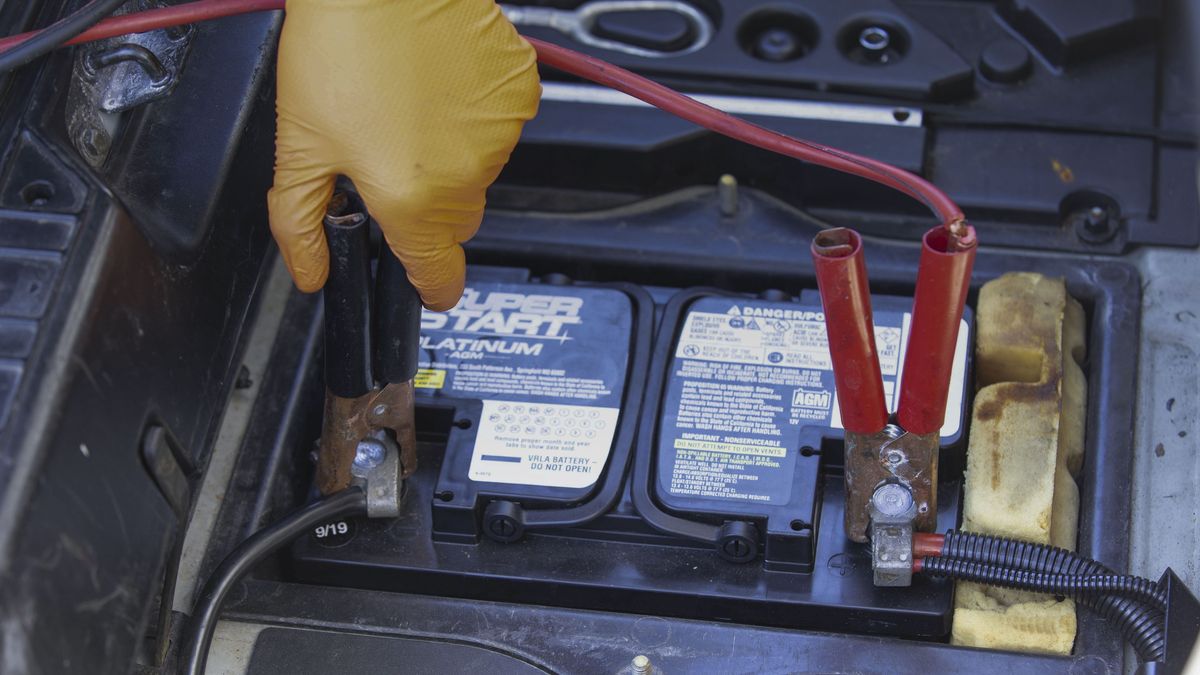
Open both hoods and locate the battery terminals. The positive terminal usually has a plus sign and a red cover. The negative terminal usually has a minus sign and connects to a black cable.
Some newer vehicles have special jump points under the hood. Use those points if the owner’s manual recommends them. Do not guess, especially on a vehicle with a complex electrical system.
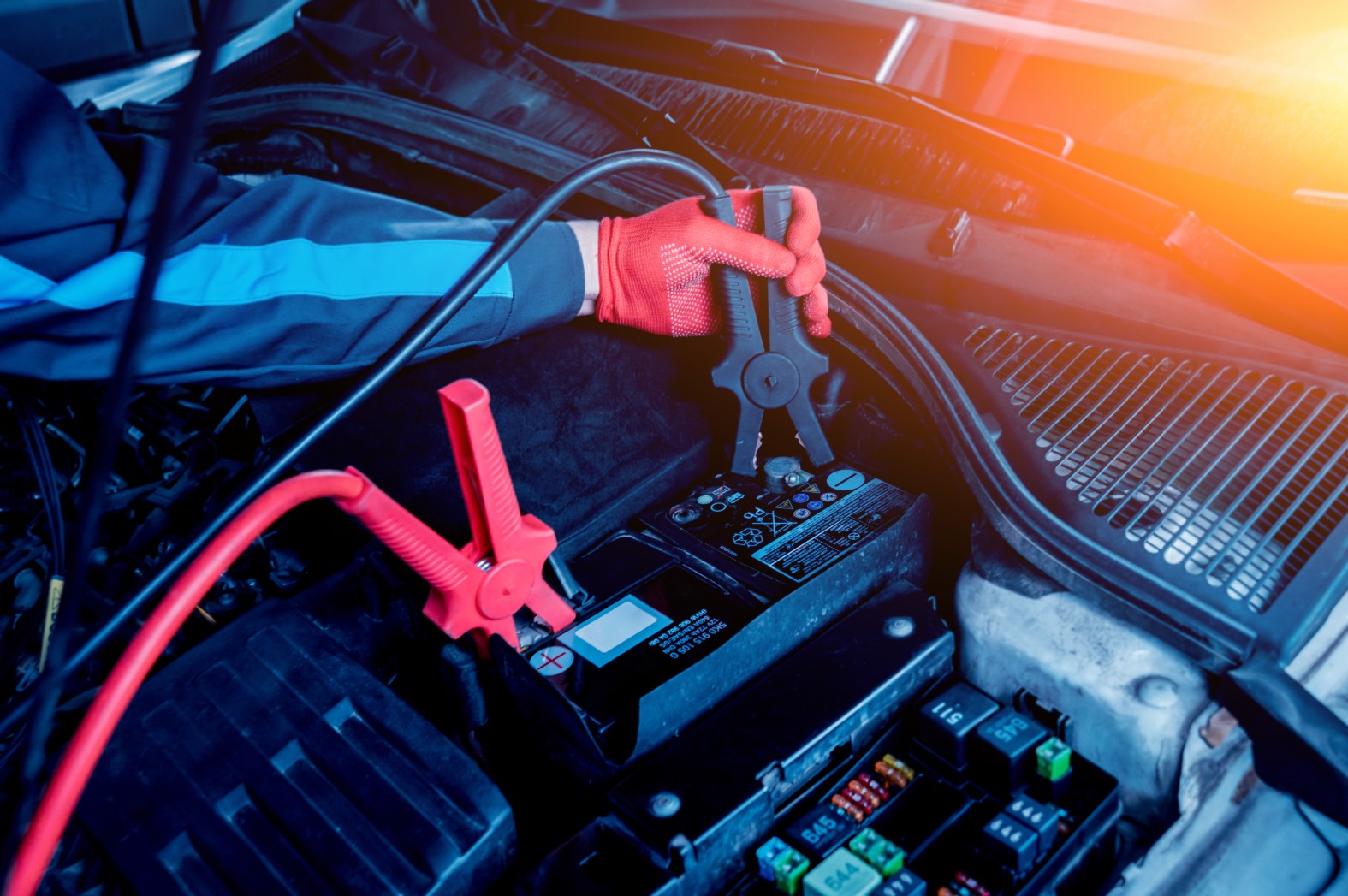
3. Connect the Red Cable to the Dead Battery
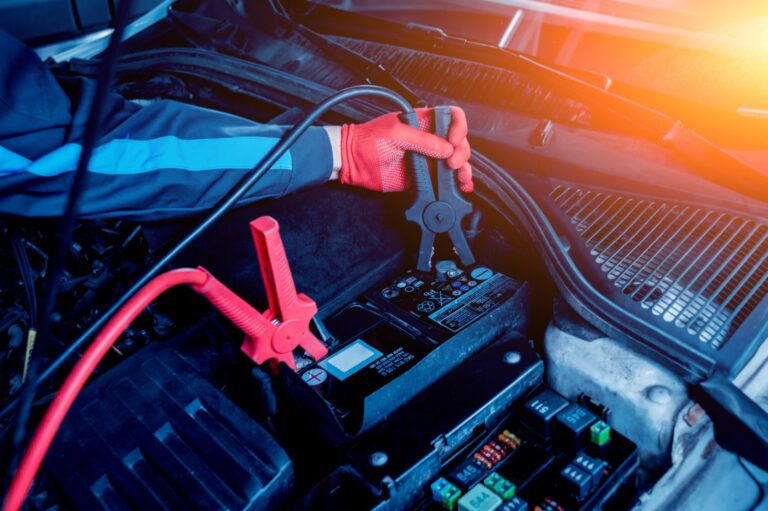
Attach one red clamp to the positive terminal of the dead battery. Make sure the clamp grips clean metal and cannot slip off.
Do not let the red clamp touch any metal part of the vehicle. This can create a short circuit.
4. Connect the Other Red Clamp
Attach the other red clamp to the positive terminal of the working battery. Check that both red clamps are secure.
At this point, do not allow the red and black clamps to touch each other.
5. Connect the Black Cable to the Working Battery
Attach one black clamp to the negative terminal of the working battery. Hold the clamp by its insulated handle while making the connection.
6. Ground the Dead Vehicle
Attach the final black clamp to an unpainted metal surface on the engine block or chassis of the vehicle with the dead battery. A solid metal bracket can work well.
Avoid placing the final black clamp directly on the dead battery’s negative terminal unless the vehicle manual specifically says to do so. A remote metal ground helps keep any spark away from the battery.
7. Start the Working Vehicle
Start the vehicle with the good battery. Let it run for about two to five minutes. This gives the weak battery time to receive some charge.
Do not race the engine. A normal idle is usually enough.
8. Start the Vehicle With the Dead Battery
Try to start the vehicle with the dead battery. Turn the key or press the start button for no more than about five seconds at a time.
If the engine does not start, wait about one minute and try again. After two or three attempts, stop and inspect the connections. The battery may be too weak, the cables may be poor, or another vehicle problem may be present.
9. Remove the Cables in Reverse Order
Once the engine starts, remove the cables in this order:
- Black clamp from the metal ground on the revived vehicle
- Black clamp from the negative terminal of the working battery
- Red clamp from the positive terminal of the working battery
- Red clamp from the positive terminal of the revived vehicle
Keep the clamps from touching each other or any metal surface while they are connected to a battery.
Why the Cable Order Matters
A car battery stores a large amount of electrical energy. Connecting the cables in the wrong order can create sparks, blow a fuse, or damage sensitive electronic parts.
The final connection should be made to a solid metal ground on the vehicle with the dead battery. This places the last spark away from the battery, where hydrogen gas may collect.
Think of the electrical system like a water system. The positive cable opens the flow, while the ground completes the path. A careful connection keeps that flow controlled instead of letting it jump to the wrong place.
Never reverse the positive and negative connections. Reversed polarity can damage the alternator, engine computer, fuses, and other costly components within seconds.
What to Do After the Car Starts
After you jumpstart a car battery, do not shut the vehicle off right away. Drive for at least 20 to 30 minutes if traffic and road conditions allow.
Driving helps the alternator replace some of the energy used during the start. However, driving may not fully recharge a deeply discharged battery. A proper battery charger is usually better for a complete recharge.
During the drive, watch for warning signs:
- The battery warning light stays on
- The headlights become dim
- The engine stalls
- The vehicle struggles to accelerate
- Electrical accessories act strangely
- The car will not restart after you stop
If the battery warning light stays on, the alternator or charging system may have a problem. A jump start can get you moving, but it cannot repair a failed alternator.
Once you reach a safe place, have the battery and charging system tested. Many auto parts stores offer basic battery testing, but a repair shop can perform a more complete diagnosis.

Common Mistakes to Avoid
Knowing what not to do is just as important as knowing how to jumpstart a car battery.
Connecting Positive to Negative
This is the most serious mistake. Always match positive to positive and use a safe metal ground for the final negative connection.
Letting the Vehicles Touch
Vehicle contact can create an unwanted electrical path. Leave space between the vehicles while keeping the cables within reach.
Using Damaged Jumper Cables
Cracked insulation, loose clamps, and thin wires can cause heat buildup. Replace damaged cables before you need them.
Trying to Start the Engine for Too Long
Long cranking can overheat the starter motor and drain both batteries. Use short attempts with a pause between them.
Revving the Working Vehicle
High engine speed is not normally needed. It can place extra stress on the charging system and does not guarantee a faster jump.
Jumping a Frozen Battery
A frozen battery may crack or explode when electricity flows through it. Let it thaw safely and inspect it before doing anything else.
Ignoring the Owner’s Manual
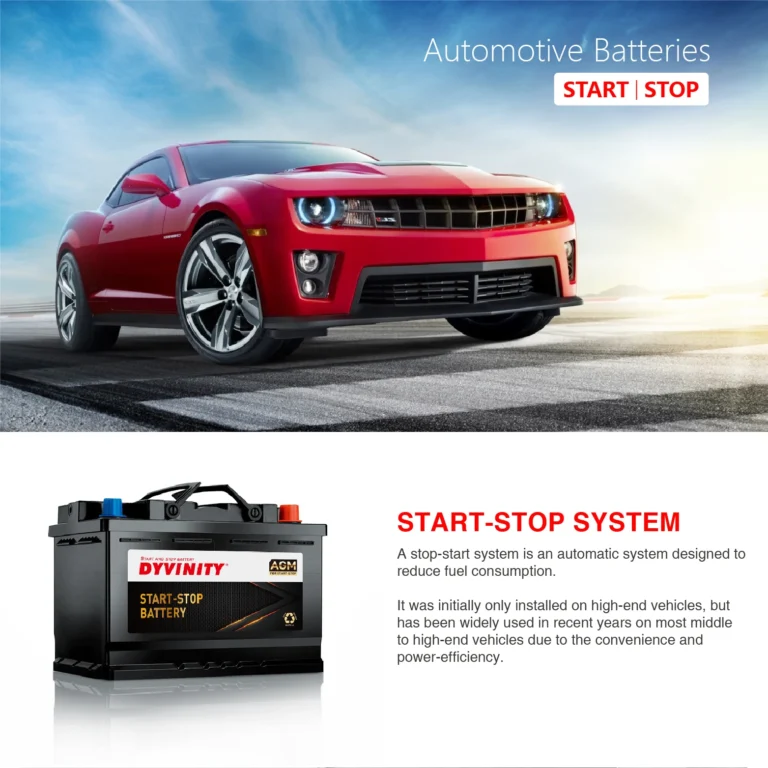
Some cars have special procedures. Electric vehicles, hybrids, luxury models, and cars with stop-start systems may require specific jump points or equipment.

How to Jumpstart a Car Battery Without Another Car
A portable jump starter can help when no second vehicle is available. These devices contain their own battery and connect directly to the vehicle’s jump points.
To use one:
- Turn off the jump starter.
- Connect the red clamp to the positive terminal.
- Connect the black clamp to a safe metal ground.
- Turn on the jump starter.
- Start the vehicle for no more than a few seconds.
- Turn off the jump starter after the engine runs.
- Remove the black clamp, then the red clamp.
Read the jump starter manual before use. The device must be rated for your engine size and vehicle type.
Portable jump starters should be charged on a regular schedule. A device left in a trunk for years may be empty when you need it. Store it in a dry place and avoid leaving it in extreme heat.
A battery charger is another option. It works more slowly but can safely restore a battery over several hours. A charger is useful when the vehicle is parked at home and does not need to move right away.
Jumpstarting Hybrids, Electric Vehicles, and Modern Cars
Hybrid and electric vehicles need extra care. Some hybrids have a small 12-volt battery that powers computers and allows the vehicle to start its control systems. The high-voltage battery is a separate system and should never be handled by an untrained person.
A fully electric vehicle may also have a 12-volt battery. It can sometimes be jumpstarted at approved terminals, but the process varies by model.
Before you jumpstart a car battery in a hybrid or electric vehicle:
- Read the owner’s manual
- Use only the marked jump points
- Never touch orange high-voltage cables
- Do not connect another vehicle to an electric vehicle unless the manual allows it
- Call roadside assistance if the instructions are unclear
Modern gasoline cars also contain sensitive computers and safety systems. Using the correct connection points and cable order helps protect them.
How to Tell if You Need a New Battery
A jump start may solve the immediate problem, but repeated dead batteries usually need further attention.
Your battery may be near the end of its life if:
- The engine cranks slowly
- The car needs frequent jump starts
- The headlights dim when the engine is off
- The battery case looks swollen
- The battery is more than three to five years old
- The engine starts normally one day but struggles the next
Battery life depends on climate, driving habits, vehicle design, and maintenance. Hot weather can speed up battery wear, while cold weather makes a weak battery harder to start.
A battery test measures starting power and charge condition. A charging-system test checks whether the alternator is replacing energy while the engine runs. Testing both parts prevents you from replacing the battery when the real problem is elsewhere.
Practical Safety Lessons From Real Roadside Situations
One common roadside mistake is placing the jumper cables on the battery before checking the cable ends. Dirty or loose clamps may look connected but fail to transfer enough power. A quick inspection can prevent repeated starting attempts.
Another useful lesson is to plan the cable path before making any connection. Keep cables away from belts, fans, pulleys, and hot exhaust parts. Once the engine starts, those parts can move or heat up quickly.
It is also wise to keep jumper cables in the vehicle, even if your battery is new. A friend, family member, or another driver may need help. Choose cables with thick, flexible wires and strong clamps rather than the cheapest thin set.
If you feel unsure, stop. A tow service is safer than guessing with a damaged battery or unfamiliar vehicle. Saving a few minutes is not worth risking an injury or expensive electrical repair.
Frequently Asked Questions About How to Jumpstart a Car Battery
Can I jumpstart a car battery in the rain?
Yes, a jump start can usually be done in light rain because the vehicle’s 12-volt system is designed for outdoor conditions. Stay away from standing water, wear dry gloves, and never work with damaged cables or a cracked battery.
How long should I let a car run after a jump start?
Let the vehicle run or drive for about 20 to 30 minutes. This may restore some charge, but a battery charger is better for fully charging a deeply drained battery.
Why will my car not start after a jump?
The cables may be connected poorly, the battery may be damaged, or the starter, alternator, or fuel system may have a fault. Check the connections once, then seek professional help if the vehicle still will not start.
Can I jumpstart a car battery with a truck?
Usually, yes, if both vehicles use compatible 12-volt systems. Keep the truck engine off while connecting the cables, and follow the vehicle manuals because some manufacturers give special instructions.
Should I replace my battery after a jump start?
Not always. A battery may go dead because someone left the lights on, but repeated jump starts suggest a weak battery or charging-system problem. Have the battery and alternator tested before replacing parts.
Can a jump start damage my car?
A correct jump start is generally safe, but reversed polarity, loose connections, or the wrong voltage can cause damage. Always follow the cable order and use the vehicle’s recommended jump points.
Conclusion
Knowing how to jumpstart a car battery gives you a useful emergency skill. Check for battery damage first, connect the cables in the correct order, use a safe ground, and remove the cables carefully after the engine starts.
A jump start is a temporary solution, not a full diagnosis. If the battery dies again, test the battery and alternator before relying on another jump. Keep quality jumper cables or a charged portable starter in your vehicle, and share this guide with someone who may need it.