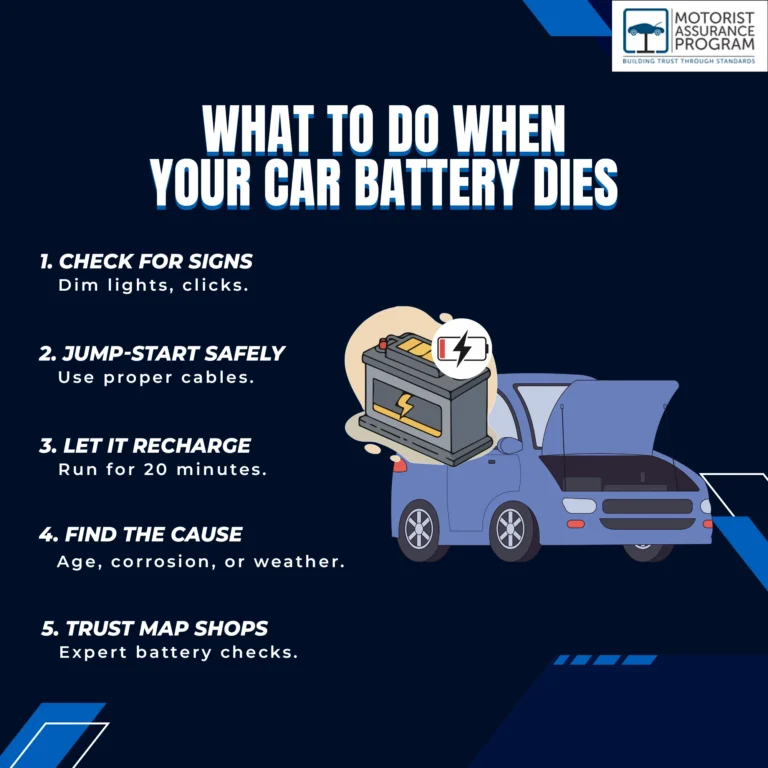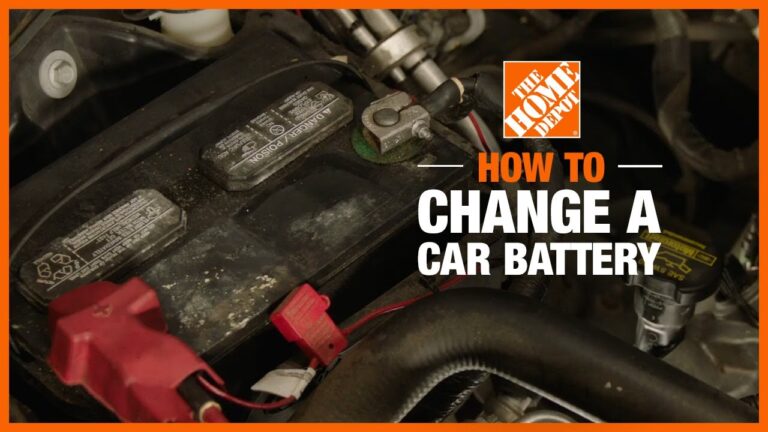
A dead battery often causes a no-start, but loose cables, bad terminals, or a failed starter can look similar.
When your battery died car wont start symptoms can feel urgent, especially when you are late, far from home, or stuck in a parking lot. This guide explains how to identify the real cause, jump-start the vehicle safely, test the battery, and prevent the same problem from happening again.
What to check when your battery died car wont start
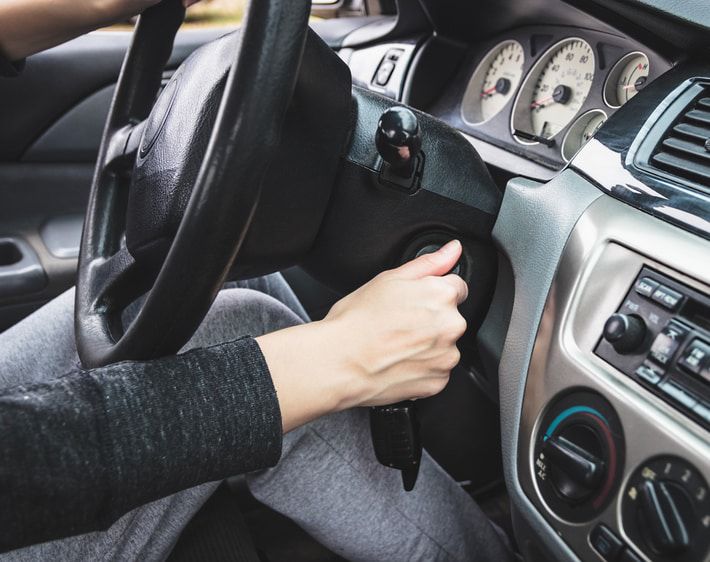
First, stay calm and observe what the car does when you turn the key or press the start button. The sound, dashboard lights, and electrical behavior can tell you a lot.
Look for these common signs:
• No lights, radio, or dashboard power: The battery may be fully discharged, or the main battery connection may be loose.
• A rapid clicking sound: The battery may be too weak to power the starter.
• One loud click: The starter, starter relay, or battery connection may have a problem.
• Normal lights but no engine crank: The issue may involve the starter, ignition switch, gear selector, or security system.
• The engine cranks slowly: The battery may be weak, or the engine may have a charging or mechanical problem.
• The engine cranks normally but does not run: The battery may not be the main problem. The vehicle could lack fuel, spark, or engine computer power.
Before testing anything, place the vehicle in Park or Neutral, set the parking brake, and turn off all accessories. If you smell gasoline, see smoke, or notice damaged cables, stop and call for professional help.

Why your battery died car wont start situation happens
A car battery does not usually lose power without a reason. Sometimes it is old and worn out. In other cases, something drained it while the car was parked.
Leaving lights or accessories on
Interior lights, headlights, a trunk light, phone chargers, and stereo systems can drain a battery. Newer cars may shut off some systems automatically, but this feature is not perfect.
A small interior bulb can run for many hours. If the battery is already weak, even a short period can leave it unable to start the engine.
An old or failing battery
Most automotive batteries last about three to five years. Heat, deep discharges, vibration, and poor maintenance can shorten that life.
A battery may appear normal one day and fail the next morning. Internal plates can lose capacity, so the battery may show some voltage but still lack enough power to crank the engine.
Corroded or loose battery terminals
White, blue, or green buildup around the terminals can block electrical flow. A loose positive or negative cable can cause the same symptom.
This is why a battery died car wont start diagnosis should include the cables, not just the battery case. The battery may be healthy while the connection is poor.
A faulty alternator
The alternator recharges the battery while the engine runs. It also supplies power to the vehicle’s electrical systems.
If the alternator fails, the car may start with a jump but stop again later. Warning signs include a battery-shaped dashboard light, dim lights, electrical glitches, or a burning rubber smell.
Parasitic electrical drain
A parasitic drain happens when a device keeps using power after the vehicle is shut off. Common causes include aftermarket alarms, dash cameras, faulty relays, glove box lights, and USB accessories.
Finding this problem often requires a professional current draw test. Replacing the battery alone may not solve it.
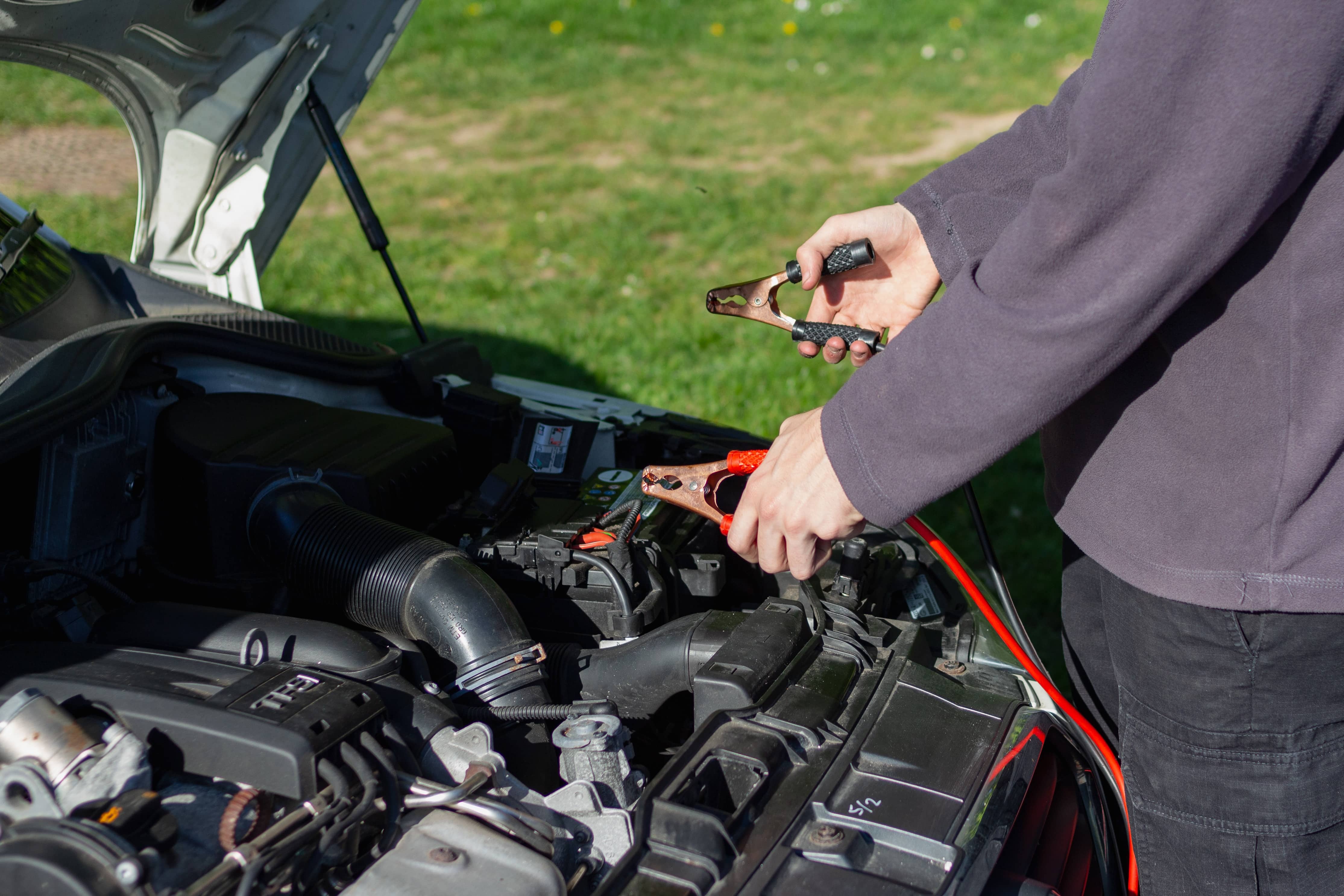
How to jump-start a car safely
A jump-start can restore enough power to start the engine, but the steps matter. Incorrect cable placement can damage sensitive electronics or cause sparks.
You need a second vehicle with a similar battery voltage, or a portable jump starter. Most passenger vehicles use a 12-volt system. Never use a 24-volt truck system on a normal car.
Using jumper cables
-
Park the working vehicle close enough for the cables to reach, but do not let the vehicles touch.
-
Turn off both vehicles. Switch off lights, radios, climate controls, and other accessories.
-
Connect the red cable to the positive terminal of the dead battery.
-
Connect the other red clamp to the positive terminal of the working battery.
-
Connect the black cable to the negative terminal of the working battery.
-
Attach the final black clamp to an unpainted metal ground on the vehicle with the dead battery. A solid engine bracket often works well.
-
Start the working vehicle and let it run for a few minutes.
-
Try to start the vehicle with the dead battery. Do not crank for more than about 10 seconds at a time.
-
Once it starts, remove the cables in reverse order.
-
Let the vehicle run or drive it for at least 20 to 30 minutes, then have the battery and charging system tested.
Keep the clamps away from moving belts and fans. Never jump a battery that is cracked, leaking, swollen, frozen, or hot to the touch. A damaged battery can release explosive gas or acid.
Using a portable jump starter
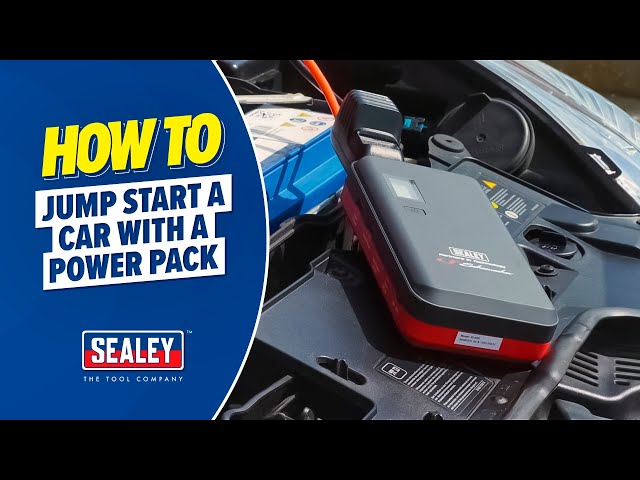
Read the jump starter instructions first. Connect the positive clamp to the positive battery terminal and the negative clamp to the correct ground point.
Turn on the pack only when instructed. After the car starts, switch off the pack before removing the clamps. Recharge the jump starter after use so it is ready for the next emergency.
A jump start is only a temporary solution. If your battery died car wont start problem returns soon after, the vehicle needs a proper test.

What to do if the car will not start after a jump
If the engine still does not start, listen carefully and check the basic connections again.
A rapid clicking sound usually points to low battery power or poor cable contact. Make sure the clamps are tight and placed on clean metal. If the battery is deeply discharged, it may need more time connected to the working vehicle.
If you hear one click but the engine does not turn, the starter or its electrical circuit may be faulty. A weak battery can cause this too, so testing both parts is important.
If the engine cranks at normal speed but will not run, stop focusing only on the battery. Check whether the vehicle has fuel, whether the security light is flashing, and whether any engine warning lights appear.
A jump may also fail when:
• The battery has an internal failure.
• The jumper cables are too thin or damaged.
• The battery terminals are badly corroded.
• The starter motor is defective.
• The alternator has failed.
• A fuse, relay, or ground cable is damaged.
• The vehicle has a fuel, ignition, or immobilizer problem.
Do not keep trying for a long time. Repeated cranking can overheat the starter and drain the assisting battery.

How to test the battery and alternator
A digital multimeter can provide useful clues. However, a voltage reading alone does not prove that a battery is healthy.
With the engine off and the car parked for several hours, measure across the battery terminals:
• About 12.6 volts usually indicates a fully charged battery.
• About 12.4 volts suggests partial charge.
• About 12.2 volts indicates a low charge.
• Below 12.0 volts suggests a deeply discharged or damaged battery.
These figures are general guides. Temperature and recent driving can affect the reading.
Next, start the engine and measure the voltage again. Many vehicles show roughly 13.7 to 14.7 volts while running, but the correct range depends on the vehicle and its charging system. Some newer cars use smart charging and may vary the voltage.
A proper battery load test is more reliable than a resting voltage test. Many auto parts stores offer basic battery and alternator checks, but ask whether the test measures starting capacity and charging performance.
If the battery tests good but your battery died car wont start issue continues, ask for a parasitic draw test. This checks whether the vehicle is using too much power while parked.

How to clean battery terminals
Corrosion can interrupt the flow of electricity. Cleaning the terminals may restore a weak connection, but use care.
Wear eye protection and gloves. Turn off the vehicle and remove the negative cable before the positive cable. Use a battery terminal brush to remove buildup.
A small amount of baking soda mixed with water can help neutralize acid residue on the outside of the battery. Do not allow the mixture to enter the battery or electrical connectors.
Dry the area, reconnect the positive cable first, and then reconnect the negative cable. Tighten the clamps so they cannot twist by hand.
Do not scrape aggressively or use metal tools in a way that could connect the positive terminal to the vehicle body. A short circuit can create sparks and damage components.
If the battery case is swollen, cracked, or leaking, do not clean or reuse it. Replace it through a proper battery recycling program.

When to replace the car battery
A jump-start does not always mean the battery must be replaced. A battery can become discharged because a light was left on and still recover after a full charge.
Replacement is more likely when:
• The battery is more than three to five years old.
• The car needs frequent jump-starts.
• The battery fails a load test.
• The case is swollen, cracked, or leaking.
• The headlights become very dim during starting.
• The battery goes flat again after a full charge.
• The vehicle has a strong sulfur or rotten-egg smell.
Choose a battery with the correct group size, terminal layout, cold-cranking rating, and reserve capacity. These details are listed in the owner’s manual or on the original battery label.
Some vehicles need battery registration after replacement. This is common in cars with battery management systems, start-stop systems, and advanced charging controls. Without registration, the charging system may not manage the new battery correctly.
Do not replace the battery before testing the alternator when possible. A failing alternator can quickly damage a new battery.
:max_bytes(150000):strip_icc()/why-does-car-battery-die-4140227-ad907eef646446d6a1306940af16410a.jpg)
Common mistakes to avoid
Many roadside problems become worse because of a rushed fix. Avoid these common errors when your battery died car wont start.
• Connecting the jumper cables backward: This can blow fuses and damage electronic modules.
• Clamping the negative cable to a painted surface: Paint may prevent a good ground connection.
• Jump-starting a damaged battery: A cracked or swollen battery is unsafe.
• Driving without checking the alternator: The car may stop again once the stored battery power runs out.
• Leaving the vehicle unattended during a jump: Watch for overheating, sparks, smoke, or cable movement.
• Buying the cheapest replacement battery without checking specifications: The wrong size or rating may cause poor starting and fitment problems.
• Assuming all no-start problems involve the battery: A starter, fuel pump, ignition, or security fault can produce similar symptoms.
One useful shop lesson is to test the complete starting and charging system as a group. The battery, starter, alternator, cables, and grounds work together like links in one chain. A weak link can affect the entire system.

How to prevent a dead car battery
Simple habits can reduce the chance of facing a battery died car wont start emergency.
• Turn off lights and accessories before leaving the vehicle.
• Check that the trunk, glove box, and interior lights turn off.
• Drive long enough for the alternator to replace energy used during starting.
• Clean corrosion from the terminals when needed.
• Secure the battery so vibration does not damage it.
• Test the battery before extreme winter or summer weather.
• Inspect aftermarket electronics for unwanted power use.
• Keep jumper cables or a charged jump starter in the vehicle.
Cold weather reduces battery output, while heat speeds up internal battery wear. A battery that barely starts the car in fall may fail during the first hard freeze.
If you drive mainly on short trips, consider having the battery charged with a quality smart charger. Short trips may not provide enough time to replace the energy used at startup.
How much does a battery no-start repair cost?
The cost depends on the actual cause. A jump-start may cost nothing if you have cables and help from another driver. A roadside service call may cost more, especially at night or in a remote area.
A replacement battery often costs about $100 to $300 for many standard vehicles. Premium batteries, electric vehicles, luxury cars, and vehicles with battery management systems can cost more.
Terminal cleaning may be inexpensive, while an alternator or starter replacement can cost several hundred dollars or more. A parasitic drain diagnosis may also require additional labor because the technician must test several circuits.
Ask for a written diagnosis before approving repairs. The estimate should identify whether the issue is the battery, alternator, starter, cable, ground, or an electrical drain.
Frequently Asked Questions About battery died car wont start
Why does my car click but not start?
Rapid clicking usually means the battery voltage drops too low when the starter tries to operate. It can also result from loose or corroded terminals, so inspect the connections before replacing the battery.
Can a completely dead battery be recharged?
Sometimes, yes. A smart charger may restore a deeply discharged battery, but a battery with internal damage may not accept or hold a charge.
How long should I drive after a jump-start?
Drive for about 20 to 30 minutes if the car is running normally and the alternator is charging. This may not fully recharge a weak battery, so have the battery tested soon.
Will a bad alternator cause the battery to die?
Yes. A failing alternator may not recharge the battery while you drive, causing the battery to lose power over time. A battery warning light, dim lights, or repeated no-starts can support this diagnosis.
Can a bad starter make it seem like the battery died?
Yes. A faulty starter can create a no-crank or single-click condition even when the battery is charged. Testing battery voltage and starter current draw can separate the two problems.
Is it safe to jump-start a car in the rain?
A jump-start can usually be done in light rain when the equipment is in good condition, but avoid standing water and never let the clamps touch each other. Do not jump a damaged, leaking, or frozen battery.
How do I know if my battery or alternator is bad?
A battery test checks starting capacity, while an alternator test checks charging voltage and current. Both should be tested when your battery died car wont start, because one problem can cause the other.
Conclusion
When your battery died car wont start, begin with the symptoms, battery connections, and safe jump-start steps. A jump may restore the engine temporarily, but repeated trouble can point to an aging battery, failed alternator, bad starter, loose cable, or hidden electrical drain.
Test the full starting and charging system instead of guessing. Keep a jump starter in the car, check the battery before extreme weather, and have a professional inspect any recurring problem. If this guide helped, share your experience or explore more vehicle maintenance resources before your next roadside surprise.