A car battery charges when the alternator converts engine power into controlled electrical current.
Knowing how does a car battery charge can save you from a dead-car surprise, a wasted battery replacement, or an unsafe jump-start. The process involves the battery, alternator, voltage regulator, cables, and engine control system working as one team. This guide explains each step in simple terms, with practical checks and safety tips you can use at home.
How does a car battery charge while you drive?
A car battery charges through the vehicle’s charging system. The main parts are the battery, alternator, voltage regulator, drive belt, wiring, and engine computer.
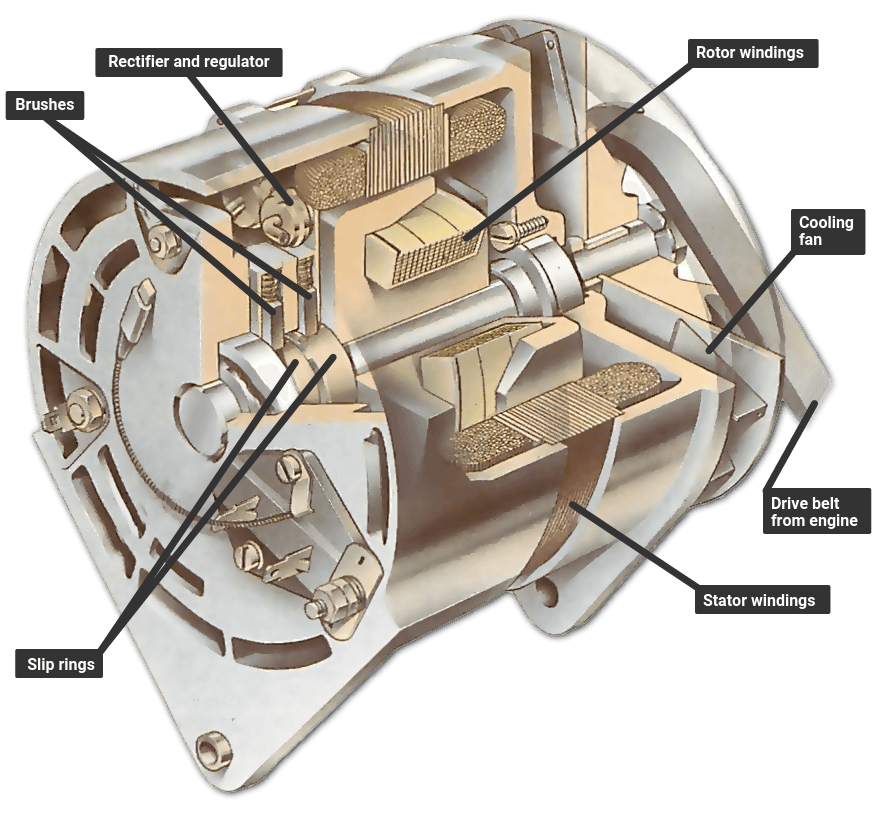
When the engine runs, it spins the alternator. The alternator creates electrical power and sends it to the battery. It also powers the lights, radio, climate controls, fuel pump, computers, and other electrical parts.
The battery supplies power mainly when the engine is off or when electrical demand briefly exceeds alternator output. Once the engine starts, the alternator usually becomes the main power source.
Think of the battery as a water tank and the alternator as a pump. The pump refills the tank while also supplying water to the house. If the pump is weak, the tank will slowly run dry.
The answer to how does a car battery charge also depends on the vehicle design. Older cars use a simpler alternator and voltage regulator. Newer cars may adjust charging voltage based on battery temperature, driving conditions, fuel-saving goals, and electrical demand.

What happens inside the car battery?
Most gasoline and diesel vehicles use a 12-volt lead-acid battery. It contains lead plates, separators, and an electrolyte made from water and sulfuric acid.
During discharge, a chemical reaction produces electrical energy. The lead plates change chemically as they release power. When the alternator sends current back into the battery, that chemical reaction reverses.
This reversal restores the battery’s stored energy. However, it does not always return the battery to perfect condition. Heat, age, vibration, deep discharge, and low electrolyte levels can permanently reduce capacity.
A healthy battery may show about 12.6 volts after resting with the engine off. A reading near 12.2 volts often suggests partial discharge. A reading near 12 volts or lower usually points to a deeply discharged battery, although voltage alone cannot prove battery health.
Battery voltage is only one clue. A battery can show a normal voltage and still fail under the heavy load needed to start an engine.
Common battery types
Different battery designs accept charge in slightly different ways:
• Flooded lead-acid batteries are common and usually cost less.
• Absorbent Glass Mat, or AGM, batteries handle higher electrical demand and are common in vehicles with start-stop systems.
• Enhanced Flooded Batteries, or EFB, offer improved cycling compared with standard flooded batteries.
• Lithium batteries appear in some specialty and electric vehicles, but they use different charging controls and safety systems.
Always replace a battery with the correct type and capacity for the vehicle. Installing the wrong type can cause poor charging and early failure.

How does a car battery charge step by step?
The charging process begins as soon as the engine starts.
-
The starter motor cranks the engine. This uses a large amount of battery power in a few seconds.
-
The engine spins the alternator through a belt connected to the crankshaft.
-
The alternator produces alternating current inside its windings.
-
Diodes change that alternating current into direct current, which the vehicle can use.
-
The voltage regulator controls the output so the battery does not receive excessive voltage.
-
Electrical current flows through the battery terminals and restores some of the energy used during starting.
-
The alternator supplies power to the vehicle’s electrical systems while the engine continues to run.
The alternator does not simply push a constant amount of power into the battery. The charging rate changes with battery state, temperature, engine speed, and electrical demand.
When the battery is very low, it may accept more current at first. As it becomes fuller, the charging rate normally decreases. This is similar to filling a cup quickly at first and slowing down near the rim.
Modern vehicles may use a battery current sensor. The engine computer can reduce or increase alternator output to improve fuel economy and protect the battery.
How long does a car battery take to charge?
How does a car battery charge quickly enough for daily driving? In many cases, a healthy battery regains the energy used during starting after roughly 15 to 30 minutes of steady driving. This estimate changes with battery condition, weather, traffic, and electrical load.
Short trips are harder on a battery. Starting the engine may use more energy than the alternator can replace during a five-minute drive. Repeated short trips can slowly leave the battery undercharged.
Driving at highway speed may provide better charging than idling in a driveway. The alternator often produces more useful output when the engine runs above idle, although modern charging systems can vary this behavior.
A battery charger is usually better for a deeply discharged battery. A quality automatic charger can refill the battery slowly and safely over several hours. A larger battery may need longer, especially if the charger uses a low current setting.
The following factors affect charging time:
• Battery capacity and current state of charge
• Battery age and internal condition
• Alternator output and belt condition
• Engine speed and driving time
• Headlights, heated seats, blower motor, and other electrical loads
• Cold temperatures, which reduce battery performance
• Charging strategy used by the vehicle computer
A long drive cannot repair a battery with a shorted cell, severe sulfation, broken plates, or another internal fault. In that case, testing or replacement is the better solution.
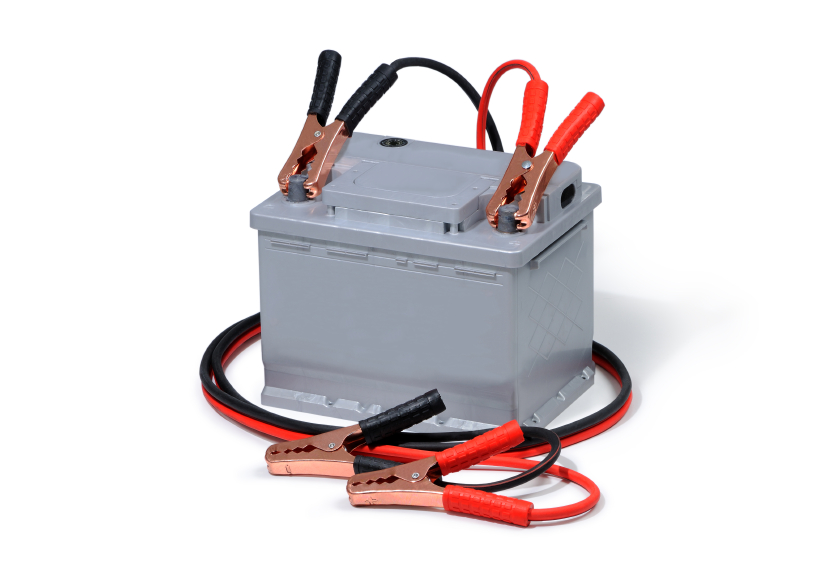
What voltage should a car battery show while charging?
A basic charging test can reveal a great deal. With the engine off and the battery rested, many healthy 12-volt batteries measure close to 12.6 volts.
With the engine running, a traditional charging system often measures around 13.5 to 14.8 volts at the battery terminals. The exact value depends on the vehicle, battery temperature, and charging strategy.
Newer vehicles may show lower or changing voltage during certain driving conditions. A reading below the usual range does not always mean the alternator has failed. Vehicle-specific testing information is important.
To test the system:
-
Turn off the engine and connect a digital multimeter to the battery.
-
Touch the red probe to the positive terminal and the black probe to the negative terminal.
-
Record the resting voltage.
-
Start the engine and measure again.
-
Turn on the headlights, blower motor, and rear defroster.
-
Watch for a major voltage drop or unstable readings.
Keep the probes away from moving belts and fans. Do not create a short circuit across the battery terminals.
A professional battery tester can perform a load test and measure conductance. This test is more useful than voltage alone because it checks whether the battery can deliver strong starting current.
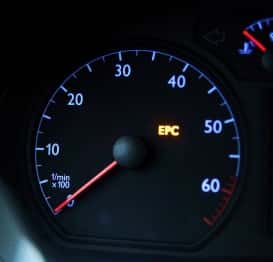
What a warning light means
The battery-shaped warning light usually points to a charging system problem. It does not always mean the battery itself is bad.
Possible causes include:
• A failing alternator
• A loose or damaged drive belt
• Corroded battery terminals
• A broken charging cable
• A failed voltage regulator
• A weak battery that is placing extra demand on the system
If the warning light appears while driving, reduce electrical use and have the vehicle checked soon. The engine may continue running until the battery’s remaining energy is gone.
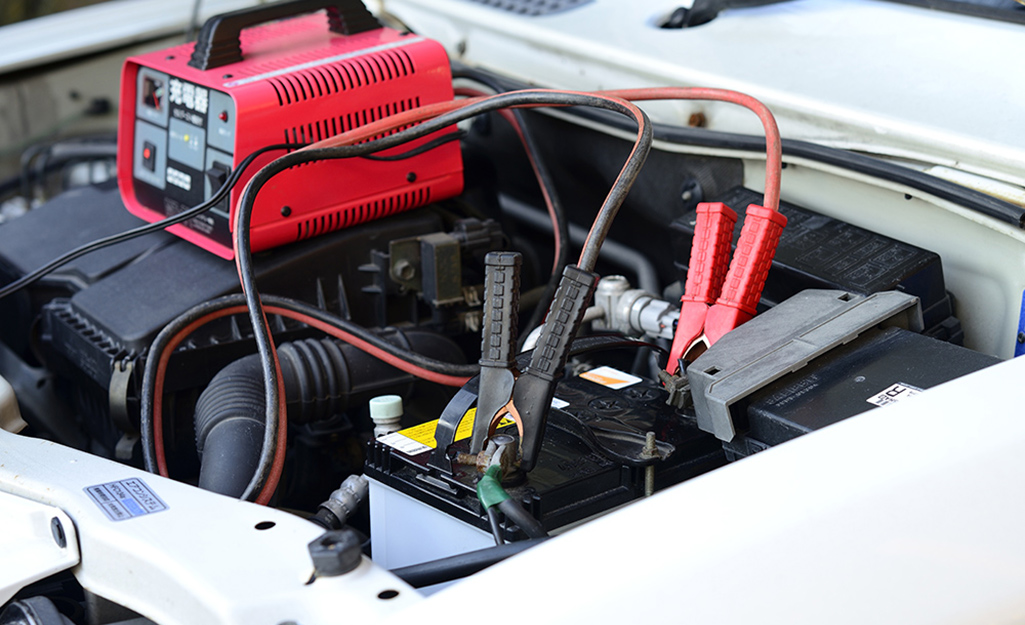
How does a car battery charge with a battery charger?
A plug-in battery charger sends controlled direct current into the battery. It does not need the engine or alternator to run.
Before charging, park in a well-ventilated area. Turn off the vehicle and inspect the battery for cracks, leaks, swelling, or heavy damage. Do not charge a battery that is frozen, leaking, or badly swollen.
For a standard charger:
-
Confirm the charger matches the battery voltage and type.
-
Turn the charger off before connecting it.
-
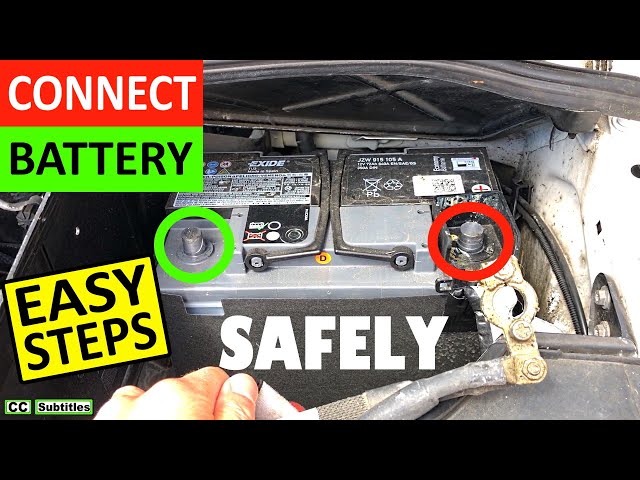
Connect the positive clamp to the positive battery terminal.
-
Connect the negative clamp to the recommended ground point or negative terminal, following the charger and vehicle instructions.
-
Select the correct charging mode and current.
-
Turn on the charger.
-
Allow the charger to finish its automatic cycle when possible.
-
Turn off the charger before removing the clamps.
A slow charge is often gentler than a very high current. A smart charger can change from bulk charging to absorption and then maintenance mode. This helps reduce overcharging.
Jump-starting is different from charging. A jump-start provides enough power to crank the engine. The alternator may then recharge the battery, but it may not fully restore a deeply discharged battery.
Wear eye protection and keep sparks, cigarettes, and open flames away from the battery. Lead-acid batteries can release hydrogen gas, which can ignite.
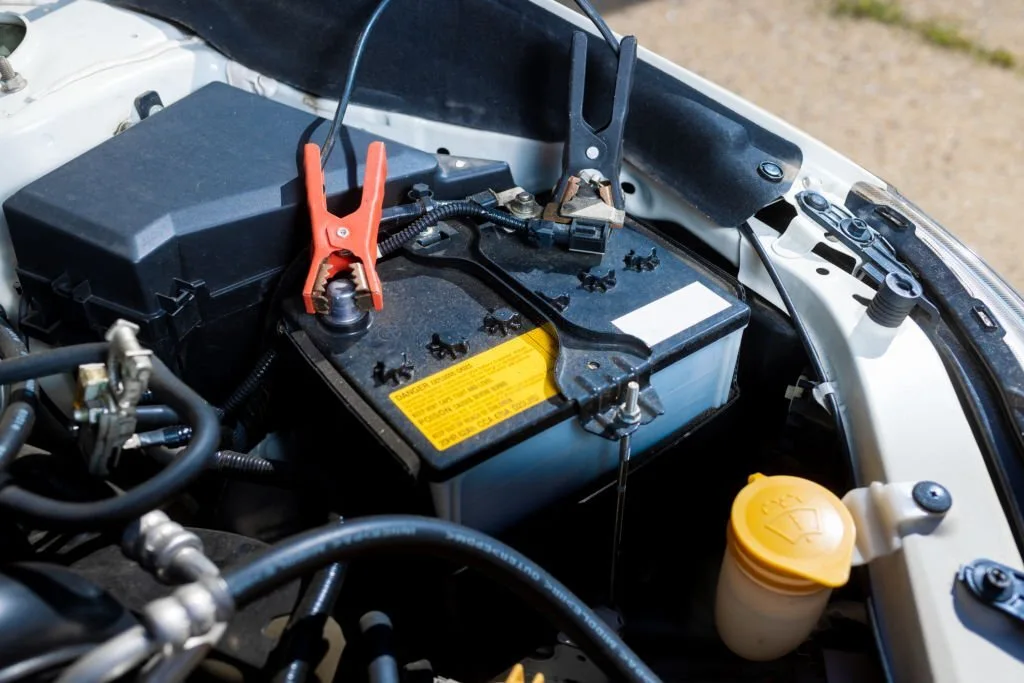
Why is my car battery not charging?
If the battery keeps going dead, the problem may be the charging system, the battery, or an electrical drain.
A failed alternator is one common cause. Worn brushes, damaged diodes, a bad regulator, or internal winding failure can reduce output.
A loose belt can also stop the alternator from working correctly. Some vehicles use a serpentine belt to drive several parts, so a broken belt may also affect the water pump, power steering, or air conditioning.
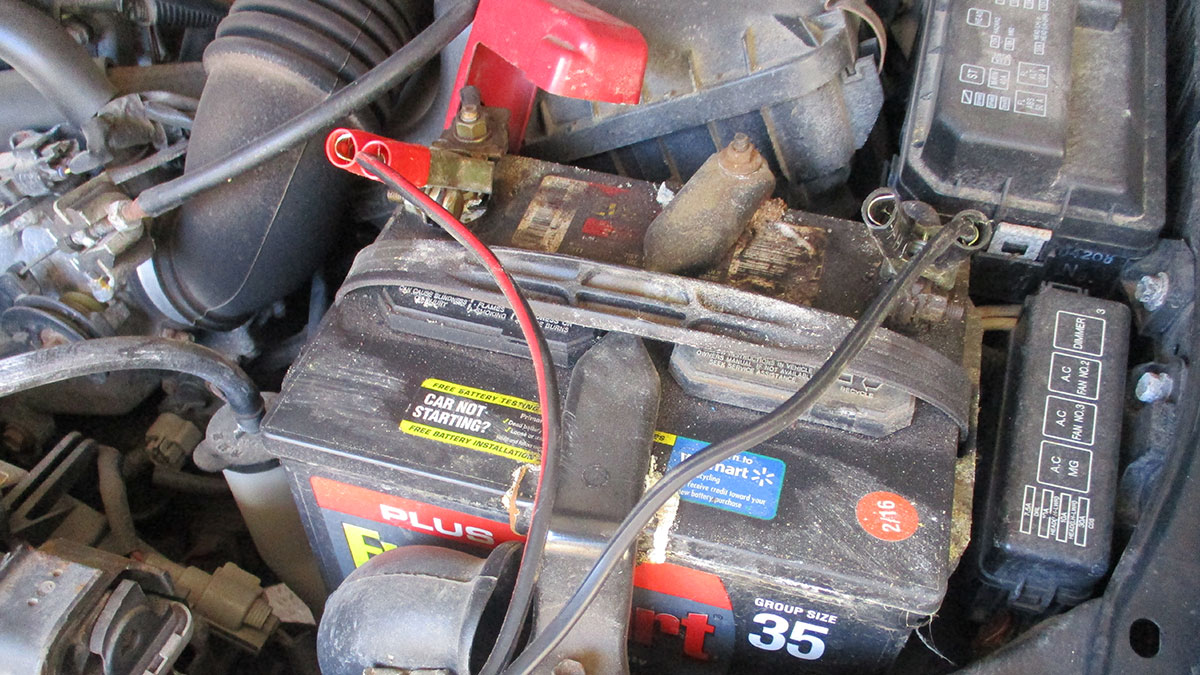
Corrosion can add resistance at the terminals and cables. Even a small layer of corrosion may limit current flow. Clean connections must be tight, but avoid overtightening battery terminals.
Other causes include:
• A battery that is several years old
• A parasitic drain from a light, module, or accessory
• A faulty battery current sensor
• Incorrect battery registration after replacement
• Extreme heat or cold
• Frequent short trips
• A replacement battery with the wrong specifications
A parasitic drain happens when something uses power after the vehicle should be asleep. Common examples include a trunk light, aftermarket alarm, dash camera, or control module that fails to shut down.
If a new battery dies within a few days, replacing it again may not solve the problem. The vehicle needs a charging and electrical drain test.
How does a car battery charge in modern vehicles?
Modern vehicles use more advanced charging systems than older cars. The alternator may not charge at its highest level all the time.
A battery management system can measure current, temperature, and state of charge. The computer then changes alternator output to balance battery health and fuel efficiency.
During braking or deceleration, some vehicles increase alternator output. During acceleration, they may reduce it to lower engine load. This strategy is common in cars designed to save fuel.
Start-stop vehicles place extra demands on the battery. They may use AGM or EFB technology because the engine starts many more times during normal driving.
Electric vehicles work differently. They do not use an alternator powered by a gasoline engine. Instead, a high-voltage battery powers the motor, while a DC-to-DC converter supplies the smaller 12-volt battery.
Knowing how does a car battery charge in your specific vehicle matters before choosing a charger or replacement battery. Check the owner’s manual for battery type, charging points, registration steps, and safe jump-start locations.

How to keep a car battery charged and healthy
Good habits can extend battery life and reduce starting trouble.
• Take longer drives when possible if your normal trips are very short.
• Turn off lights, heated accessories, and the radio before shutting down.
• Keep battery terminals clean and firmly connected.
• Inspect the drive belt for cracks, glazing, or unusual looseness.
• Test the battery before winter and before long road trips.
• Use a smart maintenance charger if the vehicle sits for weeks.
• Replace a weak battery before it leaves you stranded.
• Confirm that aftermarket accessories enter sleep mode when the car is parked.
Heat often shortens battery life, while cold weather reveals a battery that is already weak. A battery may survive summer but fail on the first cold morning because low temperatures reduce available starting power.
One practical lesson from many service calls is simple: do not trust a jump-start as a complete repair. A jump-start gets you moving, but the root cause still needs attention.
Another common mistake is leaving a vehicle idling for a few minutes and assuming the battery is fully charged. Idling may provide limited alternator output, especially when the vehicle has many electrical loads running.
Safety tips when charging a car battery
Battery charging is usually safe when you follow the correct procedure, but electricity, acid, and gas require care.
Keep these rules in mind:
• Wear safety glasses and gloves.
• Work in a well-ventilated area.
• Never charge a frozen or visibly damaged battery.
• Keep sparks and flames away from the battery.
• Use the correct charger mode.
• Follow the vehicle manufacturer’s instructions.
• Do not reverse the positive and negative connections.
• Do not place metal tools across the battery terminals.
• Stop if the battery becomes very hot, swells, leaks, or produces a strong unusual smell.
Many newer vehicles have remote jump points under the hood. Use those points when the manual recommends them. The battery may be in the trunk, under a seat, or inside another protected area.
If you are unsure about the connection order or battery condition, call a qualified technician. A few minutes of professional help is safer than damaging the vehicle’s electronics.
Frequently Asked Questions About How Does a Car Battery Charge
Does a car battery charge while the car is idling?
Yes, the alternator can charge the battery while the engine idles. However, charging may be slow, and the battery may gain little energy when many electrical accessories are running.
How long should I drive to charge a car battery?
A healthy battery may recover the energy used during starting after about 15 to 30 minutes of steady driving. A deeply discharged or damaged battery usually needs a battery charger and proper testing.
Can a completely dead battery recharge itself?
The alternator may recharge a battery that is only discharged, but it may not recover one with internal damage or severe sulfation. A smart charger and a professional battery test are safer options.
Does driving faster charge a car battery faster?
Higher engine speed can help a traditional alternator produce more output, but speed alone does not guarantee faster charging. The vehicle’s computer, electrical load, battery condition, and alternator design also matter.
How can I tell if the alternator is charging the battery?
With the engine running, battery voltage often rises above the resting level, commonly to about 13.5 to 14.8 volts in traditional systems. Because modern vehicles vary, use the manufacturer’s specifications and a proper charging-system test.
Can a bad battery damage the alternator?
A weak or internally damaged battery can make the charging system work harder. It may not immediately damage the alternator, but continued strain and excessive heat can shorten component life.
How often should I replace a car battery?
Many car batteries last about three to five years, but climate, driving habits, vibration, and maintenance can change that range. Test the battery before replacement rather than relying only on age.
Conclusion
How does a car battery charge? The alternator converts engine power into electrical current, the regulator controls that current, and the battery stores energy through a reversible chemical reaction. Short trips, extreme temperatures, poor connections, and charging-system faults can all prevent a battery from recovering fully.
Check resting and running voltage, keep the terminals clean, and use a smart charger for a deeply discharged battery. If the battery keeps dying, test the alternator and look for an electrical drain instead of replacing parts at random. Use these steps to protect your vehicle, avoid unexpected breakdowns, and explore your owner’s manual for model-specific charging guidance.