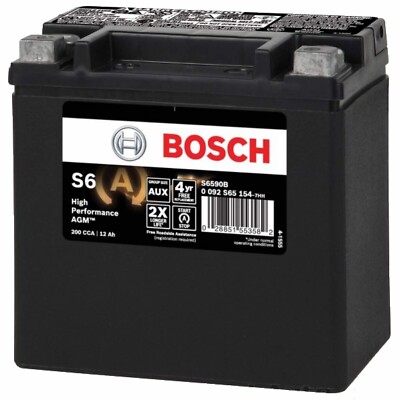
A car battery stores electrical energy and supplies power to start the engine and run key vehicle systems.
If you have ever turned the key and heard only a weak click, you have seen a car battery at work. Understanding what is a car battery helps you spot trouble early, choose the right replacement, and avoid being stranded with a dead vehicle.
What Is a Car Battery?
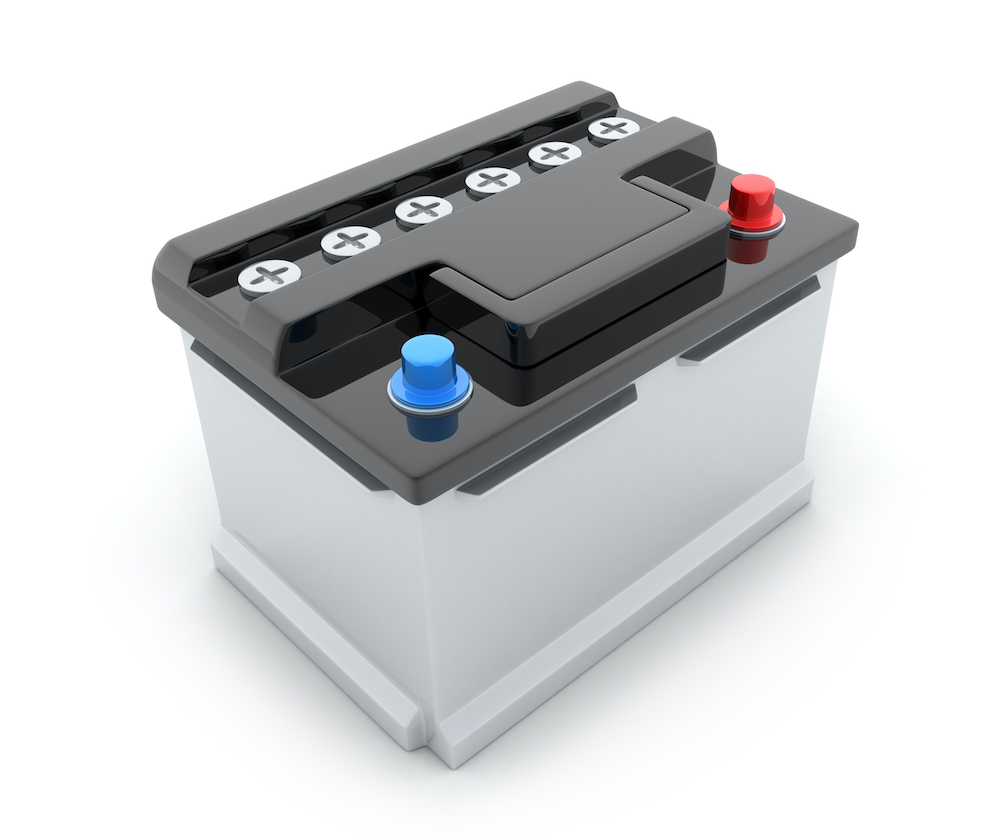
A car battery is a rechargeable electrical device. In most gasoline and diesel vehicles, it is a 12-volt lead-acid battery. It sends a strong burst of power to the starter motor when you start the engine.
The battery also supports electrical systems when the engine is off. These systems may include the lights, radio, alarm, computer memory, and door locks.
Once the engine runs, the alternator takes over most electrical duties. It also recharges the battery. In simple terms, the battery is the vehicle’s short-term power source, while the alternator is its running power source.
Knowing what is a car battery also means understanding its limits. It does not usually power every vehicle system for long periods while the engine is off. Using headlights, heated seats, or the radio for too long can drain it.
How Does a Car Battery Work?
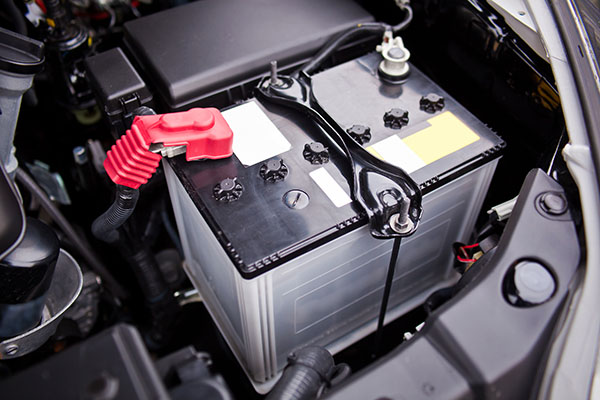
A typical car battery uses chemical reactions to create electrical energy. Inside the case are lead plates, separators, and an electrolyte solution made mainly of sulfuric acid and water.
When you start the vehicle, the battery changes chemical energy into electrical energy. This energy flows through the starter circuit and turns the engine’s crankshaft.
After the engine starts, the chemical reaction moves in the opposite direction as the alternator sends electricity back into the battery. This restores much of the energy used during starting.
The starting process usually follows these steps:
- You turn the key or press the start button.
- The battery sends power to the starter motor.
- The starter motor turns the engine.
- The engine begins combustion.
- The alternator starts producing electricity.
- The alternator recharges the battery.
A useful way to picture what is a car battery is to imagine a water tank. The battery stores electrical energy like a tank stores water. The starter draws a large amount at once, and the alternator slowly fills the battery again.
A healthy battery must provide both voltage and current. Voltage is the electrical pressure. Current, measured in amps, is the flow of electricity. Starting an engine requires high current, especially in cold weather.
Main Types of Car Batteries
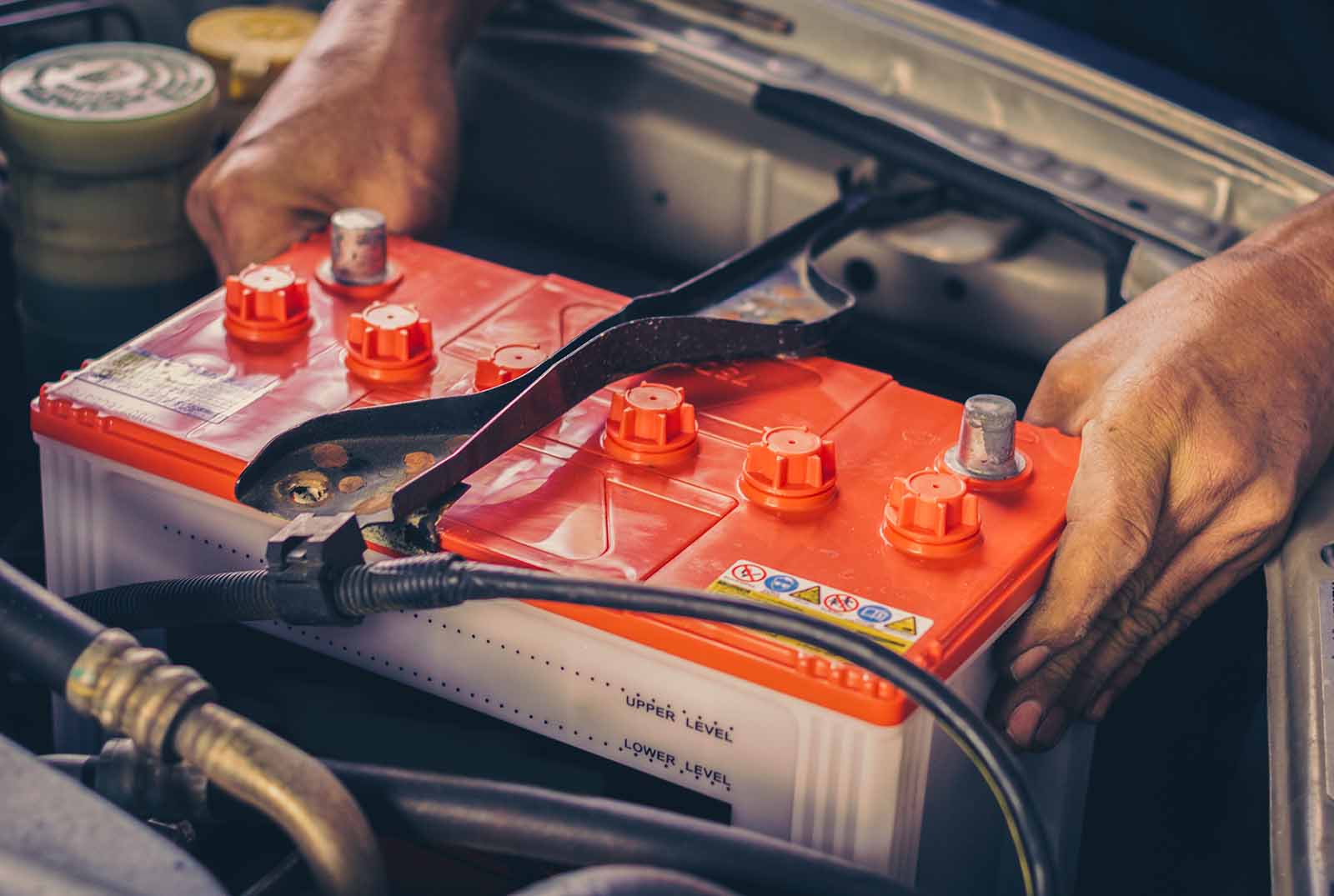
Not every vehicle uses the same type of battery. The correct choice depends on the vehicle’s engine, electrical demand, climate, and charging system.
Flooded Lead-Acid Batteries
Flooded lead-acid batteries are common and often cost less than advanced designs. They contain liquid electrolyte and may have removable caps, although many modern versions are sealed.
These batteries work well in many standard vehicles. They can, however, lose water over time and may release small amounts of gas during charging.
Absorbent Glass Mat Batteries
Absorbent glass mat, or AGM, batteries hold the electrolyte in fiberglass mats. They are more resistant to vibration and can provide strong starting power.
AGM batteries are common in vehicles with:
• Start-stop systems
• Heated seats and advanced electronics
• Large audio systems
• Regenerative braking
• High electrical demand
An AGM battery often costs more. Replacing it with a standard battery may cause poor performance or charging problems if the vehicle requires AGM technology.
Enhanced Flooded Batteries
Enhanced flooded batteries, or EFB batteries, are stronger than basic flooded batteries. They are often used in vehicles with simple start-stop systems.
They offer better cycle life than standard batteries but may not match the performance of an AGM battery. Always check the vehicle manual before choosing one.
Lithium-Ion Batteries
Many hybrid and electric vehicles use lithium-ion battery packs for propulsion. These packs are different from the small 12-volt battery used for lights, computers, and accessories.
When someone asks what is a car battery, they may mean either the 12-volt starter battery or a high-voltage electric vehicle battery. These systems have different designs, costs, risks, and service needs.
What Does a Car Battery Do?
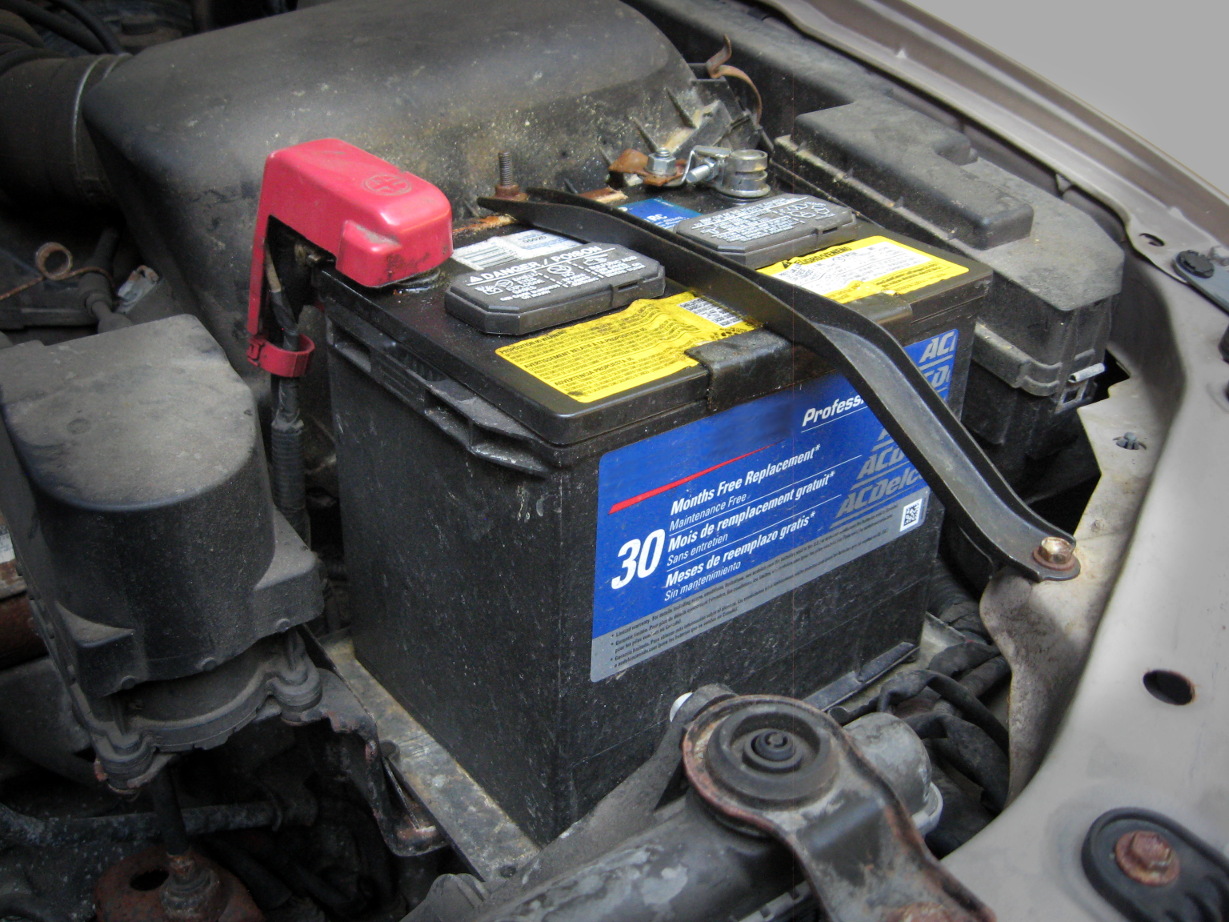
The main job of a car battery is to start the engine. It also helps keep electrical systems stable and provides backup power when the alternator cannot meet demand.
A car battery may support:
• The starter motor
• Interior and exterior lights
• Engine control modules
• Security and alarm systems
• Radio and navigation memory
• Power windows and locks
• Fuel injection electronics
• Sensors and onboard computers
Modern cars use more electronics than older vehicles. As a result, battery health affects more than starting. A weak battery can cause warning lights, slow windows, odd dashboard messages, or electronic glitches.
Still, the battery is not the only possible cause of an electrical problem. A faulty alternator, loose ground cable, damaged fuse, or poor connection can create similar symptoms.
This is why a complete test matters. Replacing a car battery without checking the charging system may solve the problem only briefly.
Signs of a Weak or Failing Car Battery
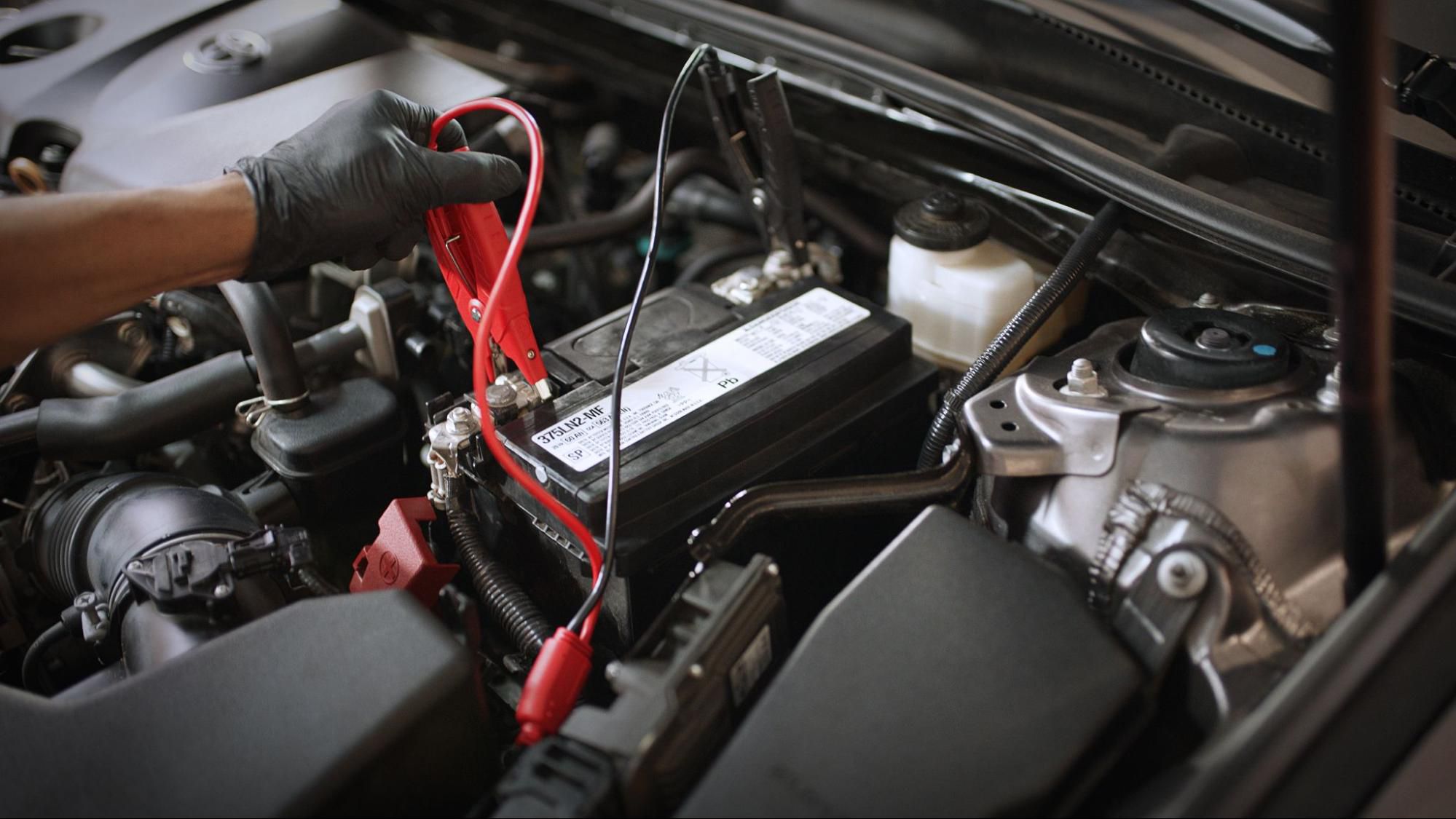
A failing battery often gives warnings before it stops working. Paying attention to these signs can prevent an emergency.
Common symptoms include:
• The engine cranks slowly
• You hear a click when starting
• Headlights look dim
• Interior lights flicker
• The battery warning light appears
• The clock or radio resets
• Electrical accessories work poorly
• The engine needs a jump-start more than once
• The battery case looks swollen or cracked
• A rotten-egg smell comes from the battery
A slow crank is one of the clearest signs. The starter should turn the engine with steady force. If it sounds sluggish, the battery may lack enough starting current.
A swollen case can point to heat damage, overcharging, or internal failure. Do not use or charge a visibly damaged battery. Arrange professional service instead.
Battery age also matters. Many conventional car batteries last about three to five years, but climate and driving habits can shorten or extend that range. Extreme heat often speeds up internal damage, while extreme cold exposes a weak battery quickly.
One practical lesson from roadside service reports is simple: many drivers wait until the first no-start event. A battery test before winter or before a long trip is a small step that can prevent a major hassle.
How to Test a Car Battery
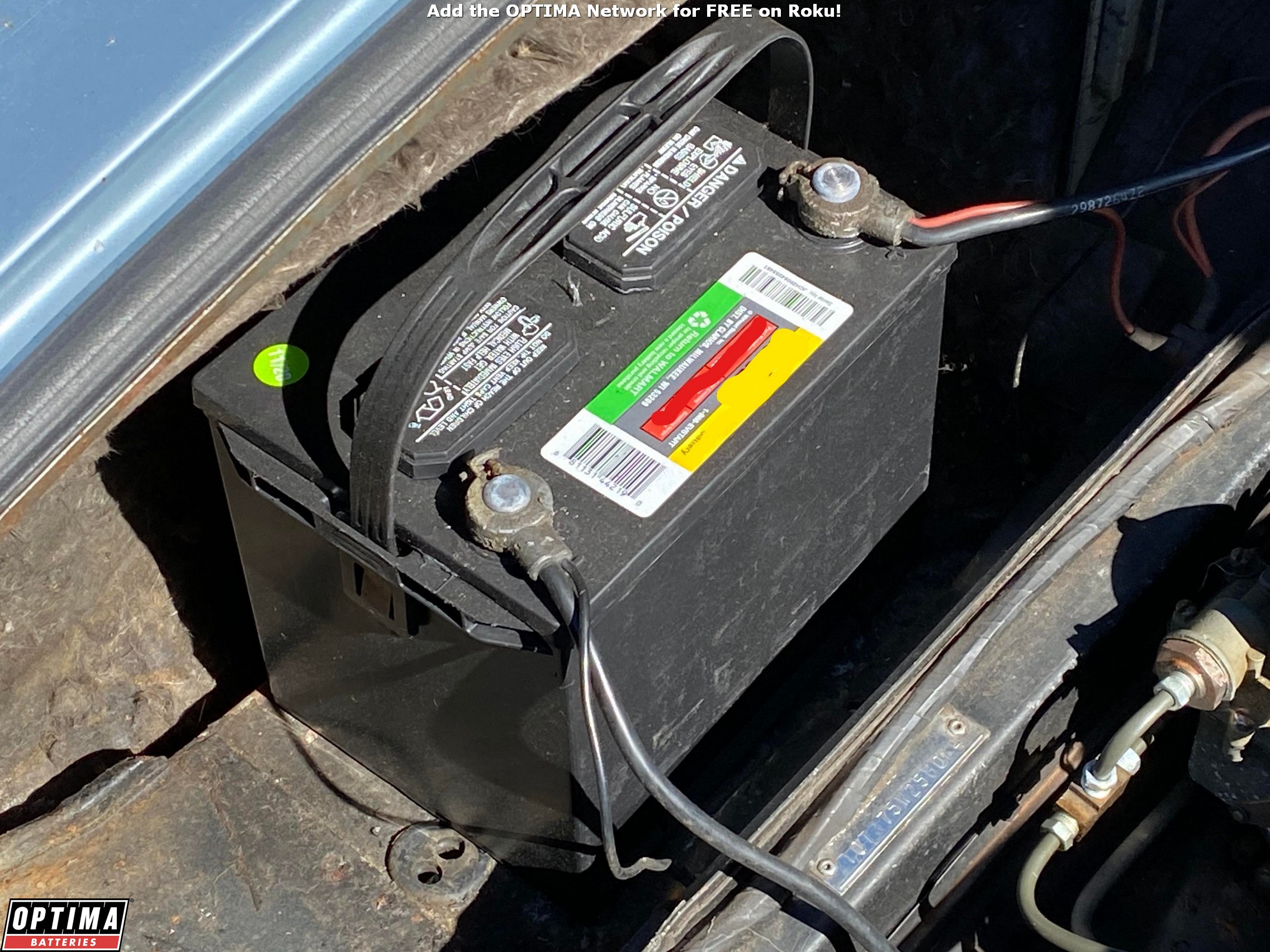
Testing helps show whether the battery, alternator, or connections are causing a problem. A basic voltage check is useful, but a full load or conductance test gives better information.
Test With a Multimeter
With the engine off and the vehicle resting for several hours, measure voltage across the battery terminals.
Typical readings are:
• About 12.6 volts: fully charged battery
• About 12.4 volts: partly charged battery
• About 12.2 volts: low charge
• Below 12.0 volts: deeply discharged or possibly damaged battery
These numbers are general guides, not final diagnoses. A battery can show normal voltage and still fail under load.
With the engine running, voltage often measures about 13.7 to 14.7 volts. This suggests that the alternator is charging, although the correct range varies by vehicle.
Get a Professional Battery Test
A professional tester can measure:
• Cold-cranking amps
• Reserve capacity
• Internal resistance
• State of charge
• Battery health
Cold-cranking amps, or CCA, describe how much current the battery can deliver in cold conditions. A battery may have enough power in warm weather but fail when temperatures drop.
When deciding what is a car battery problem, do not rely on voltage alone. Test the battery, inspect the terminals, and check alternator output together.
How to Maintain a Car Battery
Good maintenance can improve reliability and extend battery life. It cannot stop normal aging, but it can prevent avoidable damage.
Use these practical habits:
- Keep the terminals clean and tight.
- Inspect the case for cracks, swelling, or leaks.
- Turn off lights and accessories before leaving the vehicle.
- Drive long enough to replace the energy used during starting.
- Test the battery before extreme winter or summer weather.
- Secure the battery so vibration does not damage it.
- Avoid leaving the vehicle unused for many weeks.
- Use a suitable battery maintainer for long-term storage.
Short trips can slowly drain a battery. Starting the engine uses a large burst of energy, but a short drive may not give the alternator enough time to restore it.
Corrosion around the terminals can also reduce current flow. A white, blue, or green buildup may create resistance. Clean minor corrosion with the correct safety equipment, but replace damaged cables or terminals when needed.
A common mistake is assuming that a jump-start fixes the battery. A jump-start only provides temporary energy. If the battery is old or damaged, the vehicle may need another jump soon.
How to Replace a Car Battery
Replacing a car battery sounds simple, but modern vehicles may need special procedures. Some cars require battery registration or computer reset after installation.
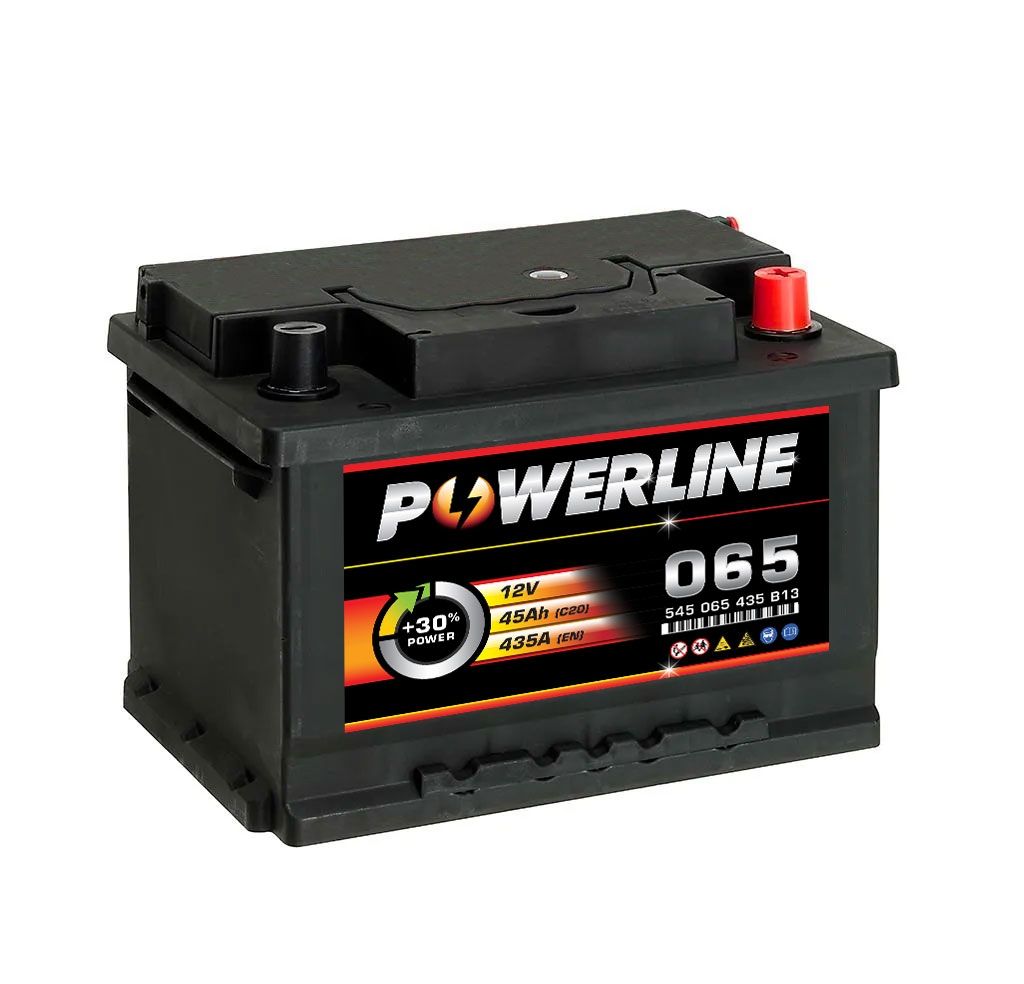
Before buying a replacement, confirm:
• The battery group size
• Terminal position
• Voltage
• Cold-cranking amp rating
• Reserve capacity
• Battery type, such as AGM or EFB
• Manufacturer requirements
The owner’s manual is the best starting point. Online fitment tools can help, but the manual and the existing vehicle specifications should take priority.
A basic replacement often follows this order:
- Turn off the vehicle and remove the key.
- Wear eye protection and gloves.
- Disconnect the negative cable first.
- Disconnect the positive cable.
- Remove the hold-down bracket.
- Lift out the old battery carefully.
- Place the new battery in the same position.
- Secure the hold-down bracket.
- Connect the positive cable first.
- Connect the negative cable last.
The negative cable is disconnected first to reduce the chance of an accidental short. Never allow a metal tool to touch both terminals or a terminal and the vehicle body.
Some vehicles lose radio settings, window calibration, or computer memory when the battery is removed. Others need a scan tool to register the new battery. Ask a qualified technician if you are unsure.
Car Battery Safety and Recycling
Car batteries contain corrosive acid and heavy metals. Handle them with care, even when they appear empty or dead.
Follow these safety rules:
• Wear eye and hand protection.
• Keep flames and sparks away.
• Do not smoke near the battery.
• Keep the battery upright.
• Do not open a sealed battery.
• Never place tools across the terminals.
• Wash skin quickly if acid contacts it.
• Seek medical help after eye exposure.
Do not throw a lead-acid battery into household trash. Most auto parts stores, repair shops, and recycling centers accept used batteries. Many also offer a refundable core charge when you buy a replacement.
Electric vehicle battery packs need even more caution. Their high-voltage systems can cause severe injury. Do not open, test, or repair them unless you have the required training and equipment.
Car Battery vs. Alternator
The battery and alternator work together, but they have different jobs. The battery supplies power for starting. The alternator produces electricity while the engine runs and recharges the battery.
A failing battery may cause slow cranking. A failing alternator may cause a battery warning light, dim lights while driving, or repeated battery discharge.
The difference can be confusing because both problems may lead to a no-start condition. For example, a new battery may go dead if the alternator does not charge it properly.
A technician can check charging voltage, belt condition, wiring, and current output. This complete approach is more reliable than guessing based on one symptom.
Choosing the Right Replacement Battery
The best replacement is not always the largest or most expensive battery. It must match the vehicle’s design.
Check the group size first. This controls the battery’s physical dimensions, terminal layout, and fit. Then compare the required CCA and reserve capacity.
Climate matters too. Drivers in cold regions may need strong cold-cranking performance. Drivers in hot regions should focus on heat resistance, warranty coverage, and proper maintenance because heat can accelerate battery wear.
Do not downgrade an AGM battery to a basic flooded battery unless the vehicle manufacturer allows it. The charging system may be designed for a specific battery type.
Warranty length can offer useful information, but it is not a perfect measure of quality. Look at specifications, fit, service support, and the battery’s manufacturing date. A battery that has sat on a shelf for a long time may need charging before use.
Frequently Asked Questions About What Is a Car Battery
What is a car battery used for?
A car battery provides the electrical power needed to start the engine. It also supports lights, computers, alarms, and accessories when the alternator is not producing enough power.
How long does a car battery last?
Many car batteries last about three to five years. Heat, vibration, short trips, poor charging, and extreme cold can change that lifespan.
Can a car run without a battery?
A vehicle may continue running briefly after starting if the alternator produces power. However, it still needs a functional battery for starting, electrical stability, and proper system operation.
How do I know if the battery or alternator is bad?
A slow start often points to a weak battery, while dimming lights and a battery warning light while driving may suggest an alternator problem. Testing both parts is the safest way to identify the cause.
Can I recharge a dead car battery?
You can often recharge a discharged battery with a suitable charger. A battery that is old, swollen, cracked, frozen, or unable to hold a charge should be replaced instead.
Is a 12-volt battery the same as an electric vehicle battery?
No. A 12-volt battery usually runs accessories and control systems, while an electric vehicle’s high-voltage battery powers the drive motor. Hybrid and electric vehicles may use both types.
Conclusion
A car battery stores energy, starts the engine, and supports many electrical systems. It works with the alternator, and both parts must be healthy for reliable vehicle operation.
Understanding what is a car battery makes it easier to recognize warning signs, choose the correct replacement, and avoid unsafe shortcuts. Test the battery regularly, keep its connections clean, and check the charging system when problems appear.
Use your owner’s manual for exact specifications, and ask a qualified technician when the vehicle has advanced electronics or high-voltage systems. Share your battery experience in the comments, or explore more vehicle maintenance guides to keep your next drive worry-free.