A typical standard car tire measures about 25 to 28 inches tall overall on average.
I’ve worked with tires for years and tested many sizes on sedans, SUVs, and compact cars. This guide explains exactly how tall is a standard car tire, what that number means, and how to choose the right tire height for safety, comfort, and fit. Read on for clear measurements, simple examples, and practical tips you can use today.
Understanding tire height and what it really means
Tire height can mean different things. Sometimes people mean overall diameter. Other times they mean sidewall height. Knowing the difference helps answer how tall is a standard car tire with clarity.
Overall diameter
- This is the full height from ground to top of the tire when mounted and inflated.
- It’s what most drivers think of when they ask how tall a tire is.
Sidewall height
- This is the distance from the wheel rim to the tread edge.
- Sidewall height usually appears as a percent on the tire sidewall, called the aspect ratio.
Wheel diameter
- This is the rim size, listed in inches (for example, 15", 16", 17").
- Wheel diameter plus twice the sidewall height equals the overall diameter.
How manufacturers list sizes
- Tire sizes look like 205/55R16.
- The first number is width in mm, the second is aspect ratio, the third is rim diameter in inches.

How tire size is measured and how to compute height
To answer how tall is a standard car tire you need a simple formula. Use the numbers on the tire sidewall.
Step-by-step
- Convert tread width from millimeters to inches by dividing by 25.4.
- Multiply width in mm by aspect ratio (as a decimal) to get sidewall height in mm.
- Convert sidewall height to inches then multiply by 2 and add wheel diameter.
Example
- For a 205/55R16 tire:
- Sidewall in mm = 205 × 0.55 = 112.75 mm.
- Sidewall in inches = 112.75 ÷ 25.4 ≈ 4.44 in.
- Overall diameter = 16 + 2 × 4.44 ≈ 24.9 inches.
What does 205/55R16 mean?
It means 205 mm width, 55% aspect ratio, and 16-inch rim diameter. This helps calculate how tall the tire is.
Does tire pressure change tire height?
Yes, slightly. Proper inflation maintains the tire’s designed height. Underinflation reduces effective diameter and affects handling.
Can I mix tire sizes?
You can, but mixing sizes changes how tall a tire is and can harm handling and drivetrain systems. Match sizes when possible.
Average heights: how tall is a standard car tire across vehicle types
Standard passenger tire heights vary by vehicle type. Here are common averages.
Compact cars
- Most compact cars use tires that measure about 23 to 25 inches tall overall.
- Examples include 185/65R15 or 195/60R15 sizes.
Midsize sedans
- A common range is 24 to 26 inches tall.
- Sizes like 205/55R16 and 215/55R16 fall here.
Large sedans and small SUVs
- Expect 26 to 28 inches tall tires.
- Sizes like 225/60R17 and 235/65R17 are typical.
Crossover SUVs and trucks
- These can be taller, often 28+ inches depending on the tire.
- Light-truck tires and off-road tires add height.
Key takeaway: how tall is a standard car tire depends on the vehicle. For most passenger cars, standard tires land between 24 and 26 inches tall.
Factors that affect overall tire height
Several factors change how tall a tire ends up on your vehicle. Know these when you ask how tall is a standard car tire.
Aspect ratio
- Lower aspect ratios create shorter sidewalls and slightly smaller overall height for a given wheel.
- Higher ratios increase height.
Wheel size
- Larger wheel diameters raise the rim baseline. The tire sidewall then changes to keep overall diameter similar.
Tire width
- Wider tires can affect sidewall shape and tire profile, which can tiny change the overall height.
Load and inflation
- Heavy loads and low pressure compress the tire and lower the height.
- Proper inflation keeps the tire at its rated height.
Tire wear
- As tread wears, overall diameter drops slightly. New vs worn tread can differ by 0.2 to 0.5 inches.
Modifications
- Lift kits, spacers, or aftermarket wheels can change the effective tire height.
How tire height impacts ride, handling, and safety
Tire height is not just a number. It affects multiple areas of driving performance.
Ride comfort
- Taller tires with larger sidewalls absorb bumps better.
- Low-profile tires feel firmer and transmit more road feel.
Handling and steering
- Smaller overall diameter can speed up steering response.
- Larger diameter changes gearing and speedometer accuracy.
Fuel economy and gearing
- Taller tires increase effective gear ratio. That can lower engine rpm at cruising speed but may reduce acceleration.
Braking and traction
- Tires that are too tall or too small for the car can upset ABS and traction control sensors.
- Correct tire height helps systems operate as designed.
Speedometer and odometer
- Changing how tall a tire is changes displayed speed and recorded mileage.

Choosing the right tire height: simple rules and tips
When deciding how tall is a standard car tire for your vehicle, follow these rules.
Stick to manufacturer specs
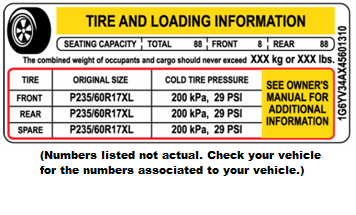
- Use the tire sizes listed in the owner’s manual or on the door placard.
- These sizes keep the car safe and accurate.
Use equivalent sizes when upsizing
- If you want a larger rim, choose a tire with a lower aspect ratio so overall height stays close to stock.
- Keep diameter changes within about 3% to avoid issues.
Check speedometer and clearance
- After changing tire height test the speedometer and check wheel well clearance.
- Look for rubbing while turning or during suspension travel.
Ask a pro
- If unsure, talk to a tire shop or mechanic. They can calculate how tall a tire is and recommend options.
Personal tip: I’ve upsized rims twice and kept overall height within 1% to avoid recalibration issues. That made the car look better without harming ride quality.

Personal experience, mistakes to avoid, and practical advice
I’ve fitted tires for family cars and a few client vehicles. Here are real lessons.
What I learned
- Keeping overall height near stock preserves handling and electronics.
- Low-profile tires make the ride harsh on rough roads.
- Always check for rubbing after a change.
Common mistakes
- Choosing a tire by rim size alone and ignoring sidewall height.
- Assuming all 17-inch tires give the same overall height.
Practical tips
- Keep records of original tire sizes for resale or service.
- Use a smartphone app or a simple calculation to confirm how tall a tire is before buying.
- Rotate and check tire wear to maintain height and safety.
Frequently Asked Questions of how tall is a standard car tire
What is the typical overall height of a passenger car tire?
Most passenger car tires range from about 23 to 28 inches in overall diameter, depending on vehicle and size. Standard midsize cars commonly sit around 24 to 26 inches tall.
How do I calculate how tall a tire will be from the size code?
Use the formula: overall diameter = wheel diameter + 2 × (tire width × aspect ratio ÷ 25.4). This converts sidewall height to inches and gives the tire’s height.
Will changing tire height affect my speedometer?
Yes. Increasing how tall a standard car tire is will make your speedometer read lower than actual speed, and vice versa. Keep diameter changes within 3% to avoid major errors.
Can I put taller tires on my car for ground clearance?
You can, but taller tires may rub, alter gearing, and affect brakes and sensors. Check clearance and consult a pro before upsizing.
How much does tread wear change tire height?
Tread wear can reduce overall tire height by about 0.2 to 0.5 inches over the tire’s life, depending on tread depth and wear pattern. Regular inspections help keep performance predictable.
Conclusion
Now you know how tall a standard car tire typically is and how to measure it. Use the sidewall numbers and the simple formula to check any tire. When changing tire size, keep overall height close to stock to protect handling, safety systems, and speedometer accuracy. Try comparing sizes before you buy, and ask your tire shop to confirm fitment.
Take action: measure your current tires, run the calculation, and if you’re thinking of a change, pick a size within 3% of stock or consult a professional. Leave a comment below if you want help calculating how tall is a standard car tire for your vehicle.