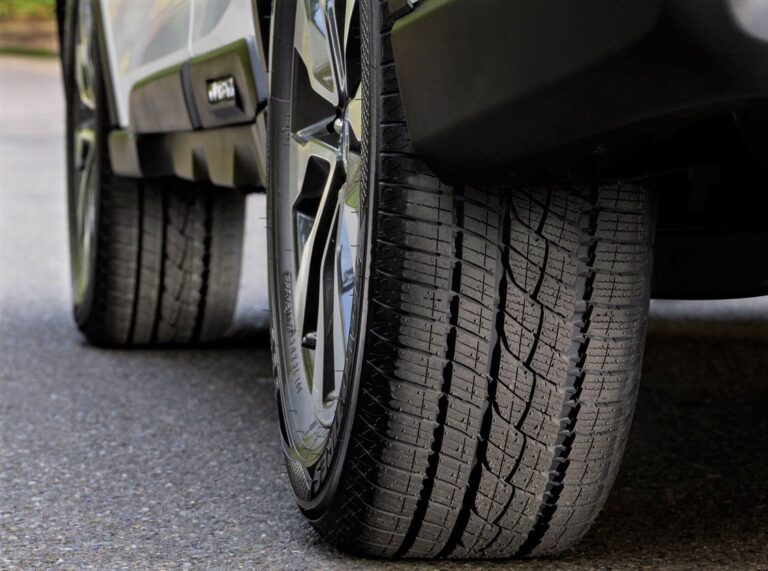
Most experts recommend replacing tires older than six to ten years, regardless of tread.
I have worked with cars and tires for over a decade. I know how old is too old for a car tire matters for safety, cost, and peace of mind. This guide explains age limits, how to read tire dates, real risks, storage tips, and clear rules you can use today. Read on to learn when to replace tires and why age matters as much as tread.
Why tire age matters
Tire age affects rubber strength, traction, and failure risk. Even if tread looks fine, rubber hardens and develops cracks over time. Asking how old is too old for a car tire helps you avoid blowouts and lost control.
Tires degrade from heat, sunlight, use, and time. Older tires lose elastic properties. That makes them less able to grip and resist impacts.

How tire age is measured: reading the DOT code and date of manufacture
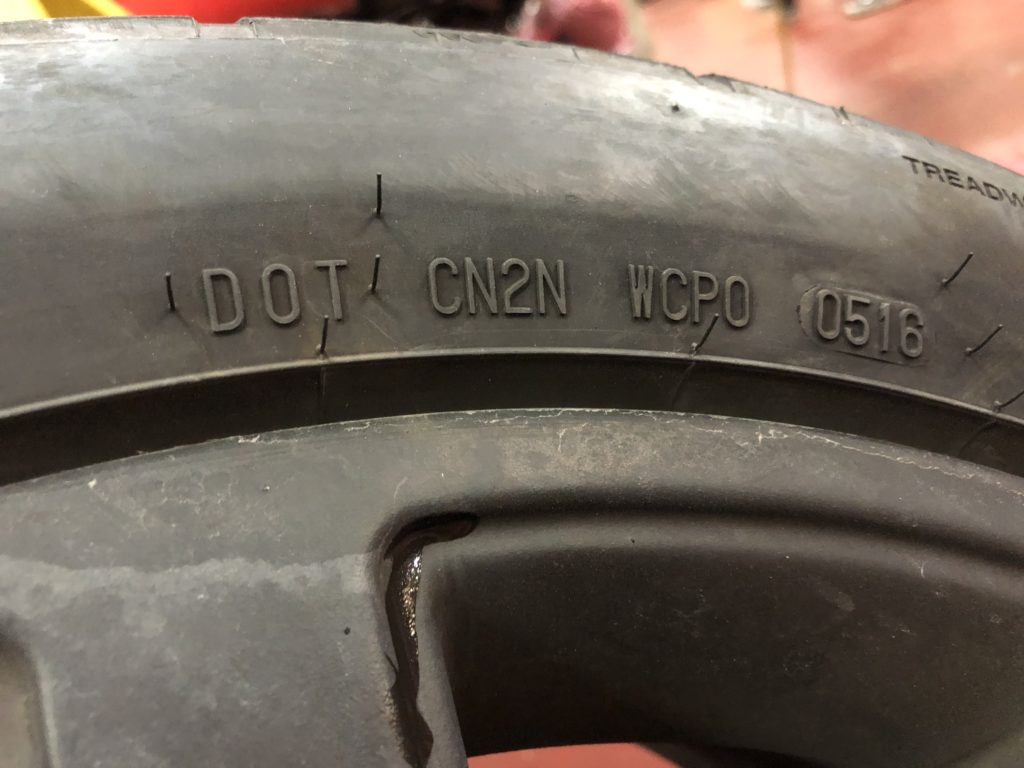
Tires carry a DOT code on the sidewall. The last four digits show week and year of manufacture. For example, 2219 means week 22 of 2019.
Check the DOT code every few months. Knowing the date is the first step to answer how old is too old for a car tire with confidence.

Industry and manufacturer guidance on age limits
Many tire makers and safety groups give similar, but not identical, advice. A common pattern appears:
- Inspect tires yearly after five years of age.
- Consider replacement at six years if you drive regularly.
- Replace tires by ten years at the latest, even if unused.
These guidelines frame how old is too old for a car tire in practical terms. Use these as a baseline and follow your vehicle maker’s advice.

Signs your tires are too old
Age is not the only factor. Watch for visible signs that show when how old is too old for a car tire has arrived.
- Cracks in the sidewall or tread that run across the rubber.
- Bulges or blisters that signal internal damage.
- Dry rot: flaky, grainy, or chalky rubber surface.
- Vibration or wobble not fixed by alignment.
- Sudden air loss without puncture.
If you see these, replace the tire regardless of its age stamp.
Risks of keeping tires past their safe age
Driving on old tires raises safety risks. Older tires are more likely to fail under load. That can lead to flat tires, blowouts, or loss of control.
Tire failure at highway speed is dangerous. Insurance and repair costs can far exceed the price of new tires. Think of age as hidden wear you cannot fix with simple maintenance.

How to store tires to extend their usable life
Good storage can help delay the moment you ask how old is too old for a car tire. Follow these simple steps:
- Store tires in a cool, dry place away from sunlight and ozone.
- Keep them upright or on racks to avoid flat spots.
- Wrap tires in opaque plastic to reduce air and moisture exposure.
- Avoid storing near heaters, generators, or electric motors.
Proper storage slows aging but does not stop it. Date matters even for spare tires.

When to replace: clear rules of thumb
Here are practical rules to help you decide how old is too old for a car tire.
- Replace tires at six years if they see regular use and varied roads.
- If you drive lightly and store tires well, consider inspection after five years and replace by ten years at the latest.
- Replace immediately if visual damage appears, regardless of age.
- For high-speed or heavy-load use, prefer replacement earlier.
Use these rules with common sense. Older tires deserve more frequent checks.

My real-world experience and lessons learned
I once drove on a spare that was over eight years old. The tire looked fine but failed on a long trip. I learned three things fast:
- Date checks are quick and lifesaving.
- Spares age too; rotate them into use or replace them.
- Cheap replacement or delay is a false saving when safety is at stake.
These lessons shaped how I answer how old is too old for a car tire: be cautious and proactive.
Cost, safety trade-offs, and practical choices
New tires cost money. Old tires can cost more in risk and repairs. Compare these points before deciding.
- Cost: New tires bring better grip and longer life.
- Safety: New tires reduce stopping distance and burst risk.
- Resale: New tires help car value.
- Frequency: Frequent drivers should replace earlier than occasional drivers.
If you must choose, prioritize safety. Tires are the only parts between you and the road.
Quick checklist before buying or keeping tires
Use this checklist to decide if how old is too old for a car tire applies to your set.
- Read the DOT date on each tire.
- Inspect for sidewall cracks, bulges, and dry rot.
- Check tread depth and look for uneven wear.
- Confirm storage history for spares.
- Replace if age is 6+ years and you drive daily; replace by 10 years in any case.
Keep this list near your car records and check it at each service.
Frequently Asked Questions of how old is too old for a car tire
How often should I check tire age?
Check tire age at least once a year and before long trips. Newer vehicles or frequent drivers should check more often.
Can I use a ten-year-old tire if it looks fine?
Using a ten-year-old tire is risky. Most experts advise replacing tires by ten years regardless of appearance.
Do winter tires age faster than all-season tires?
All tires age from time and use, but winter rubber can harden if stored badly. Proper storage slows aging for winter tires.
Is tread depth more important than tire age?
Both matter. Tread depth affects grip, while age affects rubber integrity. Replace tires if either is unsafe.
Will rotating tires stop age-related issues?
Rotation evens wear but does not stop age-related rubber breakdown. Rotation helps tread life but not the clock on age.
Can I check tire age on my spare?
Yes. Spares also have DOT codes and age. Treat spares like active tires for inspection and replacement planning.
Conclusion
Tire age matters as much as tread. Use the DOT date, look for signs of damage, and follow the simple rules: inspect after five years, consider replacement at six years for regular drivers, and replace by ten years at the latest. My experience shows small checks prevent big problems. Act today: check your tires, note their dates, and replace any that are old or damaged. Leave a comment with your tire age question or subscribe for more practical car care tips.