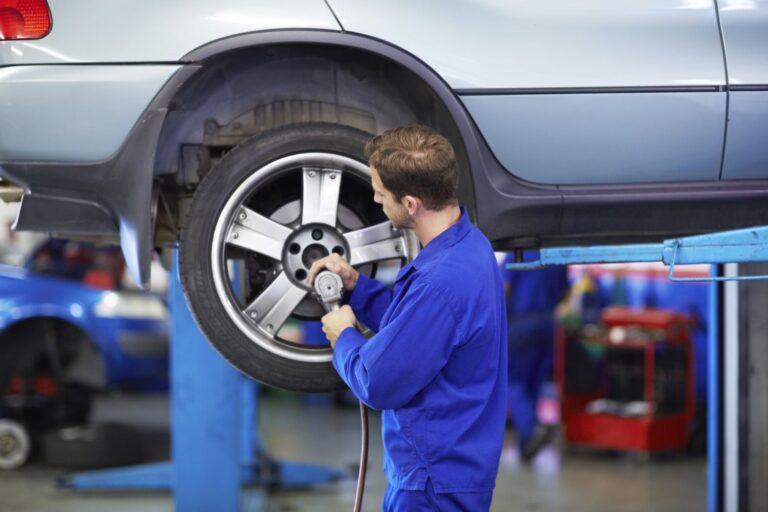
Most passenger car tires should be inflated to about 200–260 kPa (29–38 PSI).
As an auto technician with years of hands-on experience, I’ll walk you through exactly how much kPa should a car tire have, why it matters, and how to check and adjust it. This guide covers common ranges, step-by-step measurement, real-world tips, and simple rules so you can keep your car safe, efficient, and comfortable on the road.

Why tire pressure in kPa matters
Tire pressure affects safety, fuel use, tire wear, and ride comfort. Knowing how much kPa should a car tire have can prevent blowouts and uneven wear. Proper pressure helps your car stop shorter and steer better. Low or high kPa can cost you money and risk your safety.

How to find the right kPa for your car
The best source is your vehicle’s placard or owner’s manual. To know how much kPa should a car tire have, look on the driver-side door jamb or inside the fuel door. The placard shows the recommended cold inflation pressure in kPa or PSI for front and rear tires. Never use the maximum pressure stamped on the tire sidewall as the recommended value.

Common kPa ranges by vehicle type
Common answers to how much kPa should a car tire have vary by vehicle. Below are typical cold inflation ranges you’ll see.
- Small cars: 200–230 kPa (29–33 PSI). Good for compact sedans and hatchbacks.
- Midsize cars and small SUVs: 220–260 kPa (32–38 PSI). A common daily-driving range.
- Large SUVs and trucks: 240–350 kPa (35–51 PSI). Heavier vehicles need more pressure.
- Fully loaded or towing: add 10–40 kPa above the placard value, based on load limits.
Always confirm the exact recommendation for your specific model rather than relying only on general ranges.

How to measure and adjust kPa safely
Measuring how much kPa should a car tire have is easy. Use a quality digital or pencil tire gauge and measure when tires are cold (car parked for 3+ hours). Follow these steps:
- Remove the valve cap and press the gauge firmly on the valve stem. Hold steady for 1–2 seconds.
- Read the kPa value and compare it with the placard recommendation.
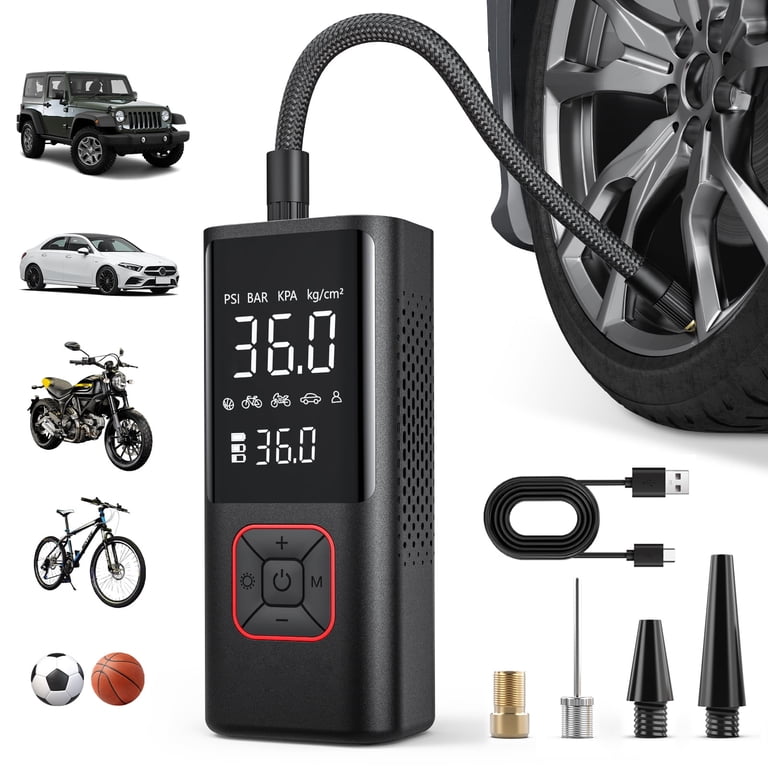
- To add air: use a regulated compressor in short bursts and recheck pressure.
- To reduce air: press the small pin in the valve stem to release air slowly and recheck.
Check all four tires and the spare. Repeat monthly or before long trips.
Factors that affect the ideal kPa
Several factors change how much kPa should a car tire have. Consider these before you adjust pressure:
- Temperature: Air expands when hot and shrinks when cold. Expect ~5–10 kPa change per 10°C.
- Load: More cargo or passengers raises the needed kPa. Follow the placard for loaded driving.
- Driving style: High-speed or performance driving may call for slight pressure changes per manufacturer advice.
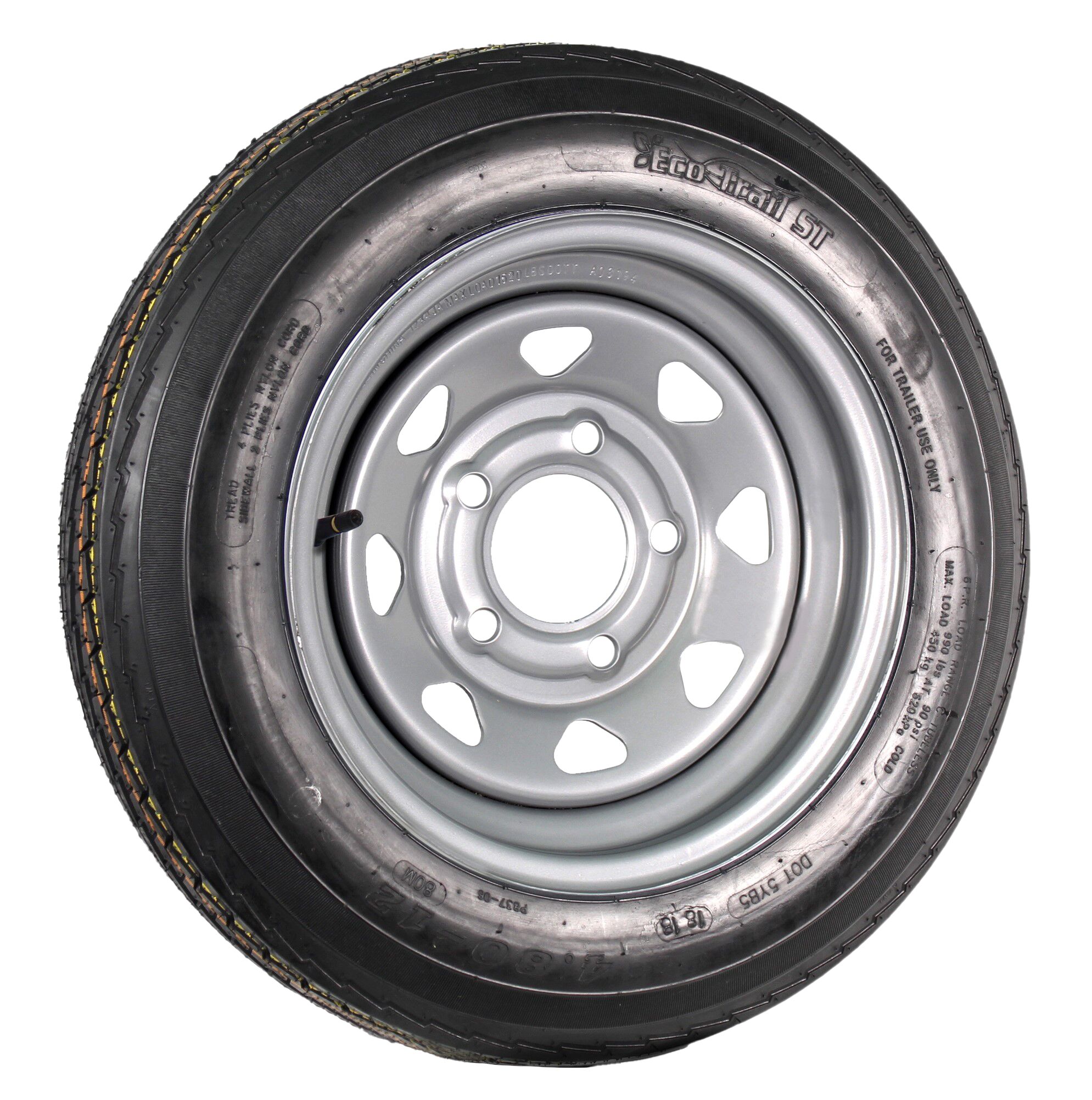
- Tire type and size: Low-profile or heavy-duty tires have different optimal kPa.
- Altitude and seasonal changes: Frequent big temperature swings require more regular monitoring.
Adjust only within manufacturer guidelines to avoid voiding warranties or causing unsafe handling.

Signs your tires are over or under the recommended kPa
Knowing how much kPa should a car tire have helps spot issues early. Look for these signs:
- Underinflated tires: softer ride, heavy steering, uneven shoulder wear, worse fuel economy.
- Overinflated tires: harsh ride, center tread wear, reduced traction on wet or uneven roads.
- Rapid pressure loss: puncture, damaged valve, or bead leak.
- Handling changes: pulling, vibration, or longer braking distances.
If you see these signs, stop and inspect tires, then measure pressure immediately.
My experience: lessons and tips from the road
In my shop, I often explain how much kPa should a car tire have to drivers who guess by feel. Guessing by touch is risky. I once had a customer driving on tires 60 kPa under the placard. The car handled poorly and fuel use rose sharply. We corrected pressure, and the ride, braking, and fuel economy improved the same day.
Practical tips I use and teach:
- Check pressure monthly and before trips.
- Carry a small quality gauge in the glovebox.
- Inflate to placard values when tires are cold, not after highway driving.
- If towing or carrying heavy loads, increase pressure per manual or tire label.
These small habits prevent big problems and save money over time.

Frequently Asked Questions of how much kpa should a car tire have
How much kPa should a car tire have for a compact car?
Most compact cars need about 200–230 kPa (29–33 PSI). Check your vehicle placard for the exact cold inflation pressure.
Will high temperature change how much kPa should a car tire have?
Yes. Heat raises tire pressure roughly 5–10 kPa per 10°C increase, so check pressure when tires are cold.
How often should I check how much kPa should a car tire have?
Check tire pressure at least once a month and before long trips. Also check after large temperature swings.
Can I use the tire sidewall to decide how much kPa should a car tire have?
No. The sidewall shows the tire’s maximum pressure, not the vehicle’s recommended pressure. Use the placard or owner’s manual.
What if my tires need different kPa for front and rear?
Some cars list different front and rear pressures. Use those values and follow placard guidance for balanced handling.
Should I change how much kPa should a car tire have when towing?
Yes. Increase to the manufacturer’s recommended towing pressure or follow load-inflation tables to handle extra weight.
Conclusion
Keeping tires at the right kPa keeps you safe, saves fuel, and makes your car feel better to drive. Use the placard or owner’s manual, check pressure monthly when tires are cold, and adjust for load and temperature. Start today: grab a reliable gauge, check your tires, and make a simple habit that protects you and your passengers. If you found this helpful, leave a comment or subscribe for more practical car care tips.