Squeaking often comes from rotors, hardware, or dirt—even when pads look new.
I’ve spent years working on cars and hearing that exact question from drivers. If your brakes squeaking but pads are good, this guide explains why it happens, how to diagnose it, and practical fixes you can try at home or with a pro. I’ll share hands-on tips I learned in the shop and clear steps to stop the noise without guesswork.
Common causes when brakes squeaking but pads are good
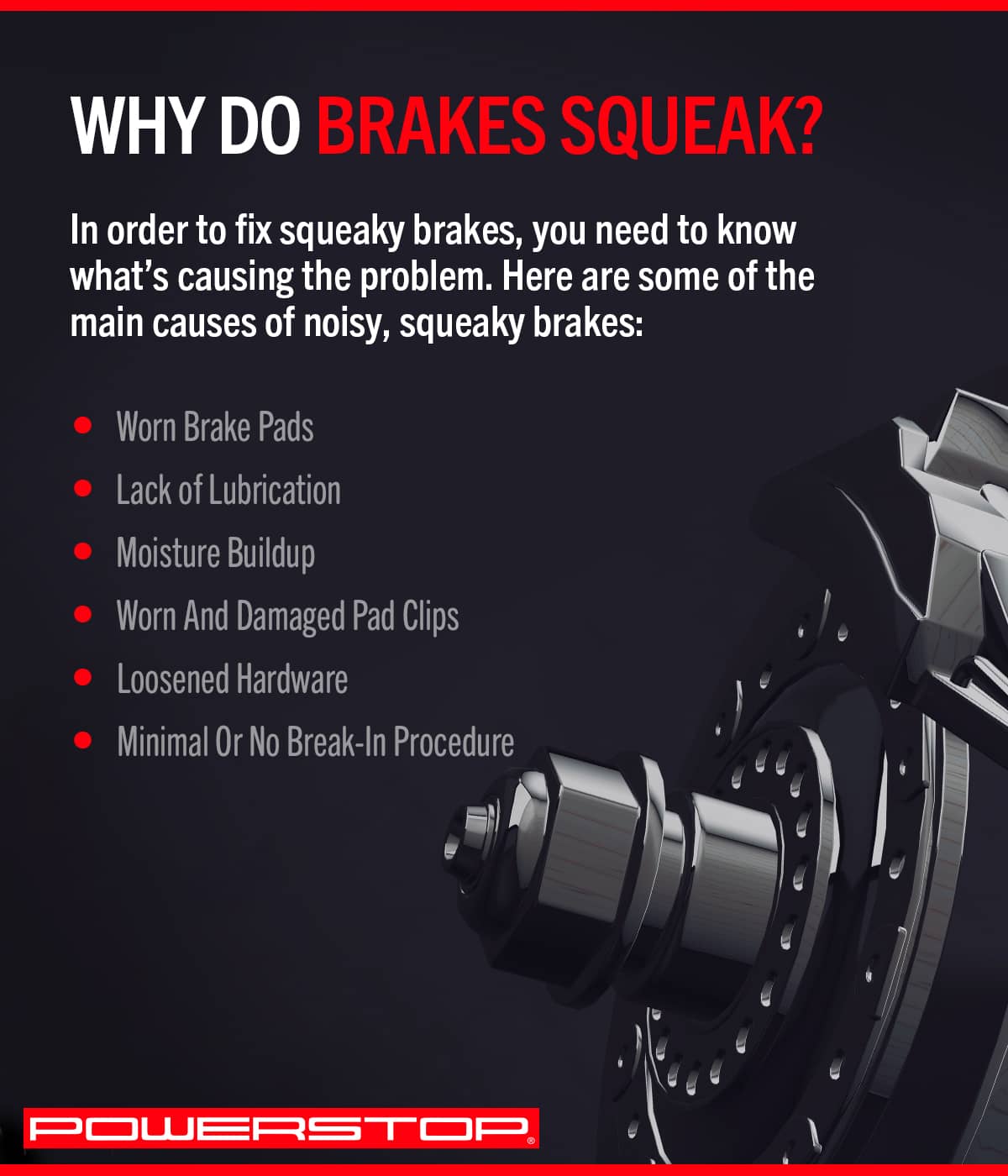
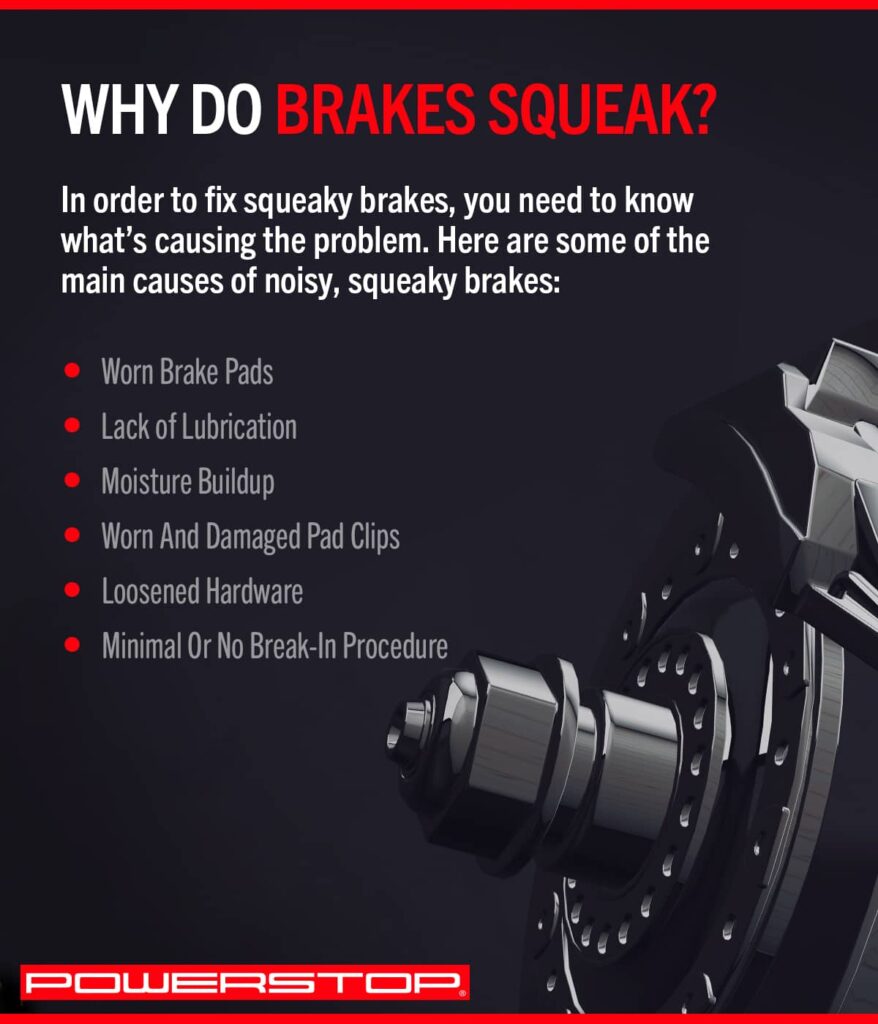
There are several common reasons your brakes squeaking but pads are good. Thin protective shims, glazed pads, or dirty rotors can all sing when you stop. Caliper hardware that’s stuck or loose anti-rattle clips also cause high-pitched sounds. Even tiny grit trapped between pad and rotor will make a squeak.
- Rotor surface issues: Uneven or glazed rotors create vibration and squeak during braking.
- Pad backing or shims: Missing or damaged shims let pads vibrate and squeak.
- Caliper slide problems: Sticking pins stop pads from retracting cleanly.
- Dust and debris: Small stones or brake dust trapped on the surface can cause noise.
- Brake hardware wear: Worn clips, springs, or anti-rattle parts increase vibration and sound.
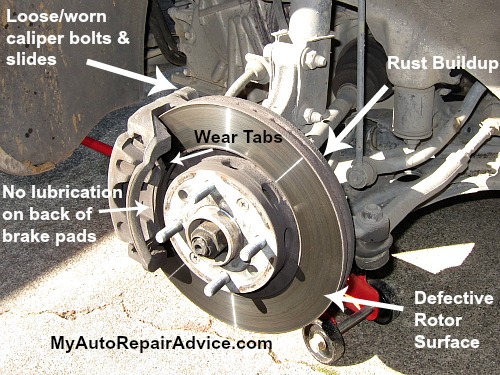
How to inspect and diagnose squeaks when pads are good
Start with a safe visual check. Park on level ground, set the parking brake, and view the wheel and caliper through the rim. Look for rust, heavy glazing, or loose hardware. If you can remove the wheel, do a hands-on check to see pad thickness, shim presence, and rotor surface.
- Visual signs to check: Shiny or glazed pad faces, scoring on the rotor, and missing shims.
- Manual wiggle test: With the wheel off, wiggle the caliper and pads to feel for excess play.
- Spin test: Rotate the wheel by hand to hear intermittent scraping or rubbing.
- Brake application test: Drive slowly and apply brakes to note when the squeak happens—cold start, slow stop, or high speed.
I once chased a persistent squeak for weeks. The pads looked fine, but a retained backing plate had bent and touched the rotor. The fix was simple: replace the thin plate and clean everything. The noise stopped immediately.
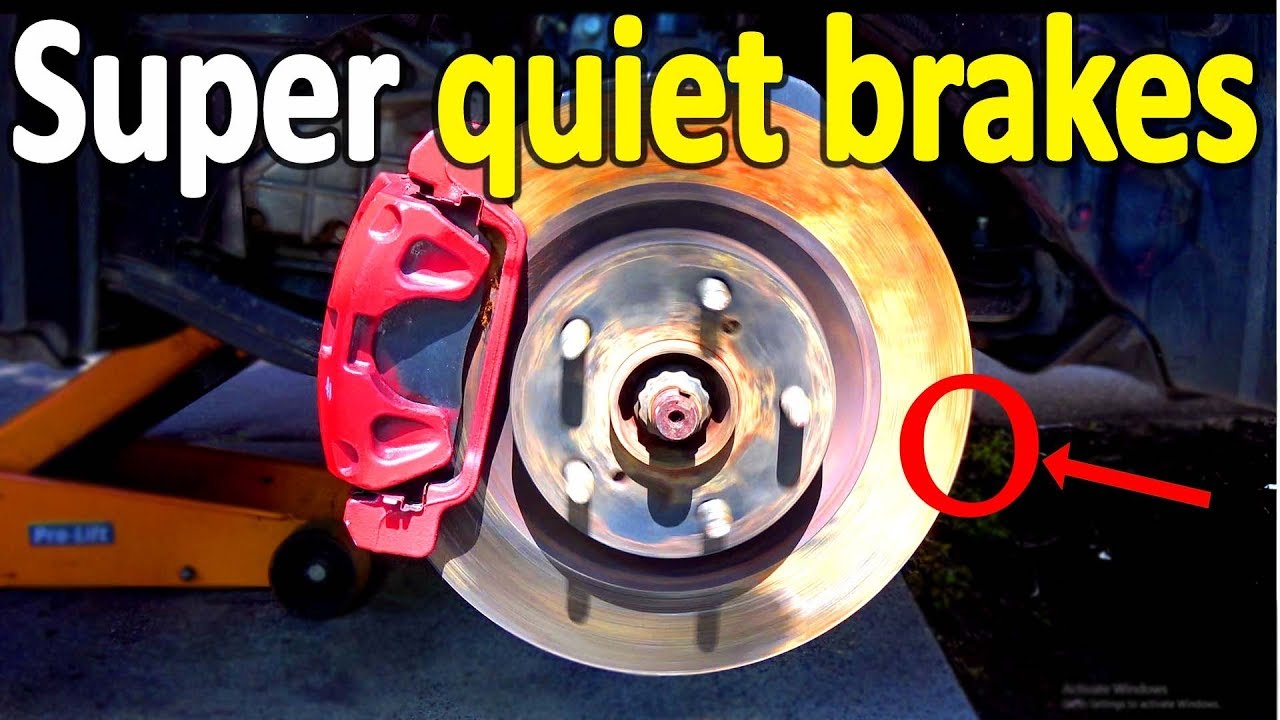
Simple fixes if brakes squeaking but pads are good
Many fixes are low-cost and straightforward. Always use proper safety steps when working on brakes. If you’re not comfortable, have a qualified technician inspect the car.
- Clean rotor and pad contact area: Use brake cleaner and a lint-free cloth to remove dust.
- Apply anti-squeal compound: Thin paste on the pad backing where the shim sits can dampen vibration.
- Replace or reinstall shims: New shims reduce metal-to-metal vibration that causes squeaks.
- Lubricate caliper slide pins: Use high-temperature brake grease to free sticking pins.
- Resurface or replace rotors: If rotors are glazed or scored, machining or replacement may be needed.
From my shop days, lubricating caliper pins solved many squeaks that looked mysterious at first. I learned to use the correct high-temp grease and never over-apply it to avoid contamination.
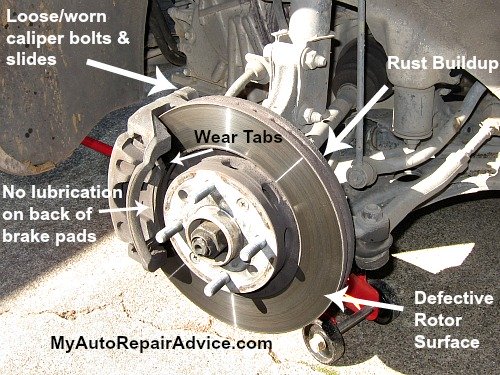
Preventive steps to stop brakes squeaking but pads are good
Preventive care keeps small problems from turning noisy. Regular checks and timely replacement of hardware will help.
- Inspect brakes at every oil change: Look at pads, rotors, and hardware for wear.
- Clean brakes regularly: Remove built-up dust and road grime to reduce noise.
- Use quality pads and hardware kits: OEM-style shims and clips cut down on vibration.
- Torque lug nuts correctly: Over- or under-torqued wheels can cause rotor distortion and noise.
- Replace brake hardware with pads: Hardware kits are cheap and prevent future squeaks.
A tight maintenance habit saved me time and parts in the long run. Replacing the small clips when I changed pads kept cars quiet and customers happy.
When brakes squeaking but pads are good needs a pro
Some issues require professional tools and judgment. If the noise persists after simple fixes, consult a certified technician.
- Complex rotor problems: Deep warping or heat cracks need expert attention.
- Caliper rebuilds or replacements: Stuck calipers may need a rebuild kit or swap.
- ABS or sensor-related noise: Electronic brake issues should be diagnosed with a scan tool.
- Safety concerns: Any grinding, heavy vibration, or brake drag needs immediate professional check.
If the brakes squeaking but pads are good and you also feel pulsation or loss of braking feel, stop driving and get a pro to inspect the system.
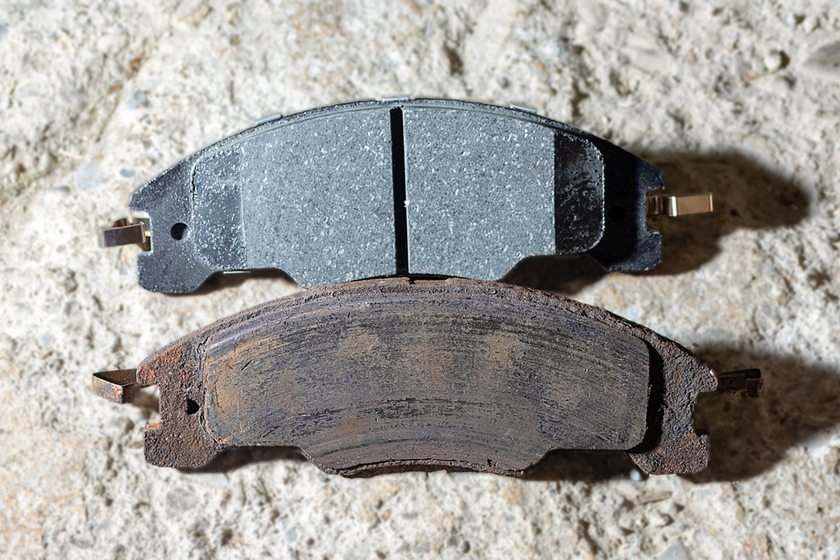
Frequently Asked Questions of brakes squeaking but pads are good
Why do my brakes squeak if the pads still have life left?
Squeaks often come from surface glazing, loose shims, or sticky hardware. Pads can be thick but still vibrate against the rotor.
Can dirt or rust make brakes squeaking but pads are good?
Yes. Small stones, brake dust, or light rust on the rotor edge can cause squeaks even with good pads. A clean and quick inspection often reveals the cause.
Will applying anti-squeal compound fix brakes squeaking but pads are good?
Anti-squeal compound helps damp vibration and often stops the noise. It works best with proper cleaning and intact shims.
Are rotor issues common when brakes squeaking but pads are good?
Rotors are a common culprit. Glazing, scoring, or uneven wear can make pads sing. Resurfacing or replacing rotors may be required.
Is it safe to drive when brakes squeaking but pads are good?
Short driving is usually safe, but watch for grinding, loss of pedal feel, or drag. If any of those occur, stop driving and get the brakes checked.
How long can I expect brakes squeaking but pads are good to go before repair?
If the issue is cosmetic or hardware-related, it may be quieted quickly. If left, small problems can lead to faster rotor or pad wear, shortening their life.
Conclusion
Noise from brakes squeaking but pads are good is common and often fixable with simple checks and small repairs. Look for rotor glazing, worn hardware, stuck calipers, and debris first. Take action early: clean, lubricate, or replace small parts before they turn into bigger repairs. Try the DIY fixes if you’re handy, or book a pro if the noise or feel seems unsafe. If this helped, leave a comment or subscribe for more practical car care tips and step-by-step fixes.