Introduction
For drivers in the United States, regular car washing helps remove road salt, dust, pollen, bird droppings, and traffic film before they dull or damage the paint. Meguiar’s makes several car wash products, so the exact mixing ratio and use method can vary by bottle.
The basic method is simple: rinse the car, mix the wash as directed, clean one section at a time with a soft wash mitt, rinse often, and dry with a clean microfiber towel. Always read the label for your specific Meguiar’s product before use.

Quick Answer: How Do You Use Meguiar’s Car Wash?
Use Meguiar’s car wash on a cool vehicle in the shade.
- Park away from direct sun and let the paint cool.
- Rinse the vehicle from top to bottom.
- Add the correct amount of Meguiar’s car wash to a bucket of water.
- Use a clean microfiber wash mitt or soft sponge.
- Wash one small section at a time, starting at the roof.
- Rinse the mitt often.
- Rinse the car well so no soap remains.
- Dry with a clean microfiber drying towel or suitable blower.
Do not let the soap dry on the paint. Do not use the same mitt or bucket for the wheels and painted panels.

What You Need Before Washing
Gather the right supplies before you start. This reduces the chance of dropping a dirty mitt, missing a panel, or allowing soap to dry.
You will need:
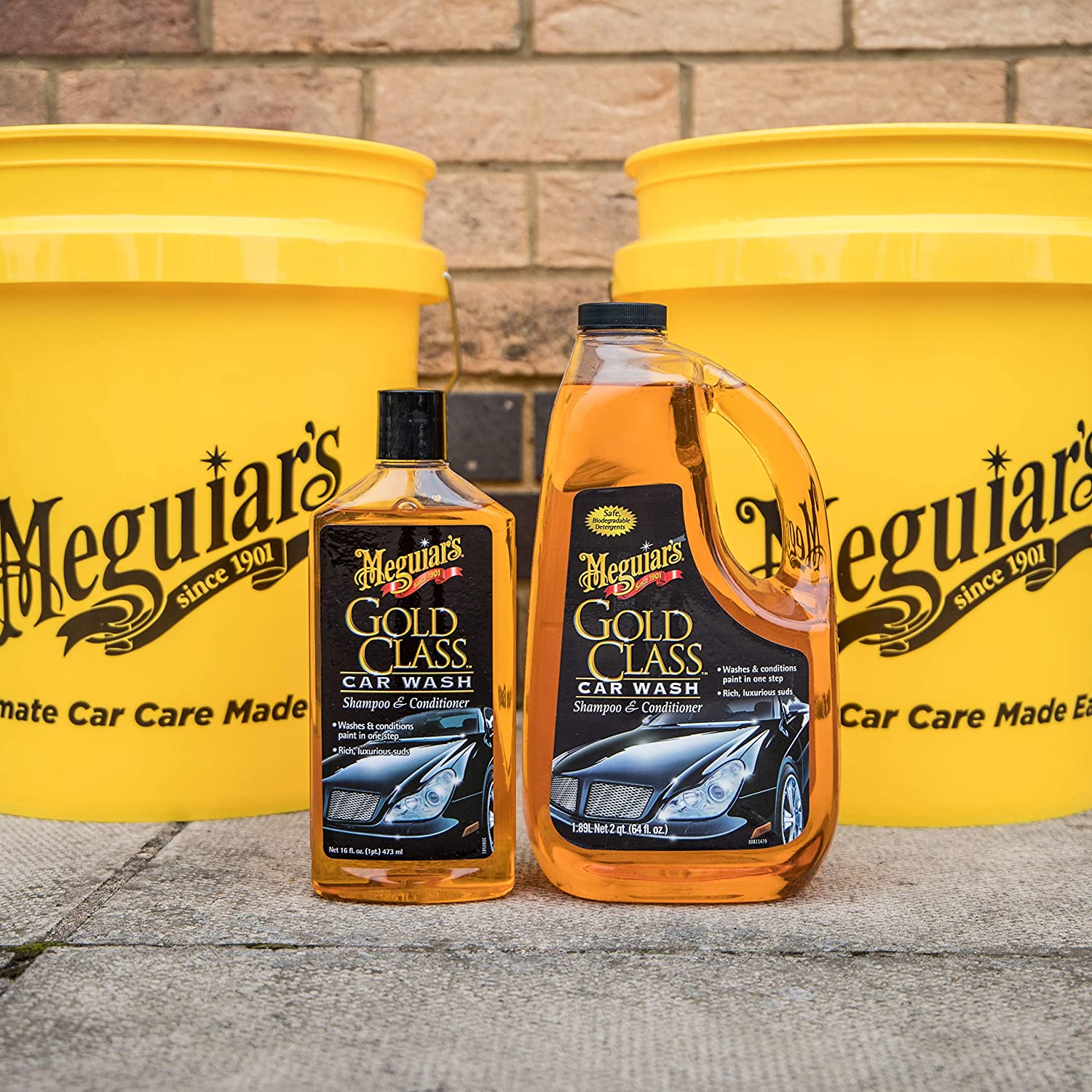
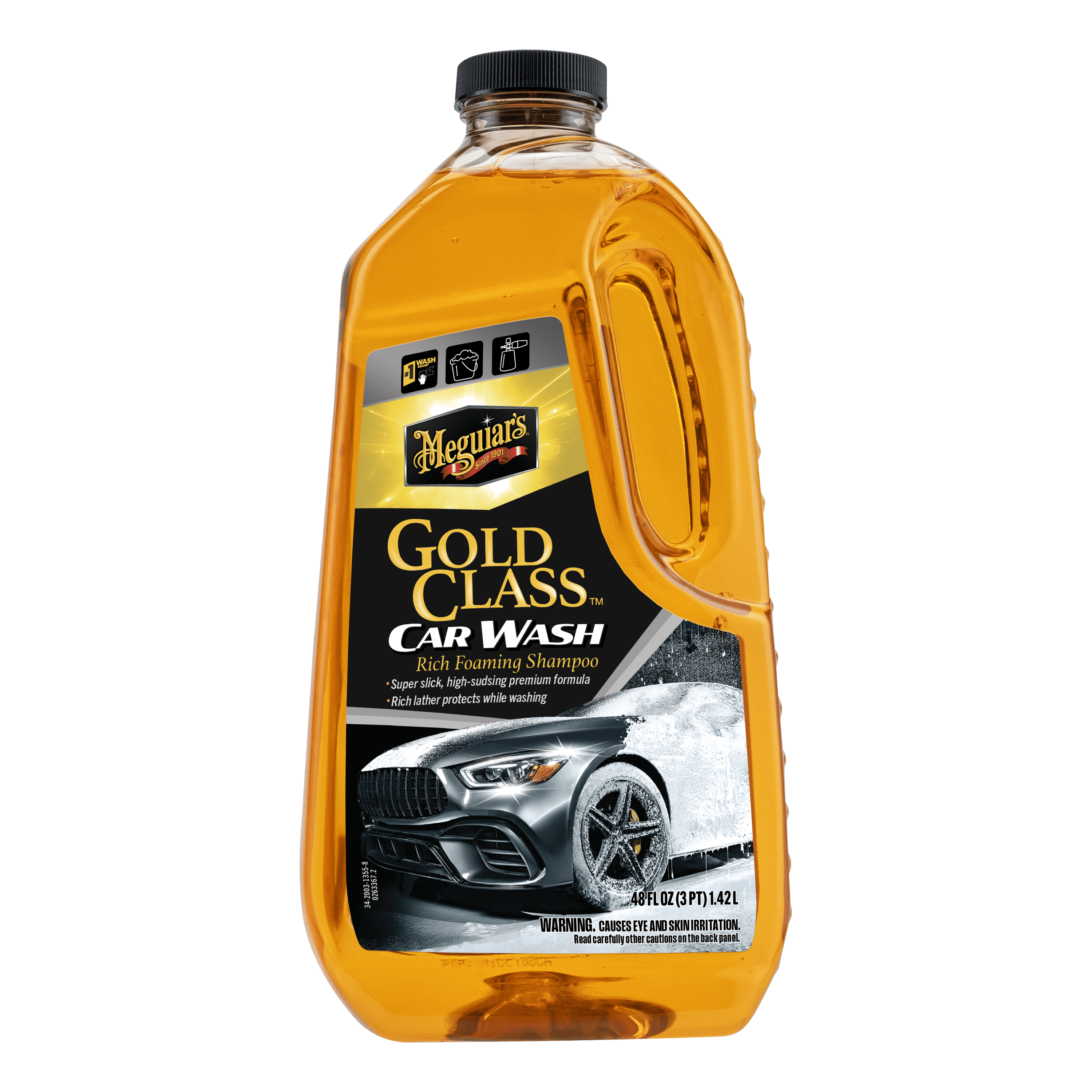
- Meguiar’s car wash
- A clean wash bucket
- A second bucket for rinsing, if possible
- A hose or pressure washer
- A soft microfiber wash mitt
- A separate wheel brush or wheel mitt
- One or more clean microfiber drying towels
- A grit guard, if available
- Wheel cleaner, if needed
- A shaded work area
A two-bucket setup is useful. One bucket holds the wash solution. The second holds plain water for rinsing the mitt. Dirt falls out of the mitt during the rinse step instead of returning to the wash water.
Choose the Right Meguiar’s Product
Meguiar’s sells more than one type of car wash. Some are concentrated soaps. Others may be ready-to-use products, foam products, or washes designed to support existing wax or protection.
Check the bottle for:
- The product name
- Whether it is a concentrate
- The recommended water amount
- Any foam cannon or pressure washer instructions
- Surface restrictions
- Storage and safety instructions
Do not assume that all Meguiar’s car washes use the same dilution. The label for your exact product is the primary guide.
Inspect the Car First
Look for heavy dirt, mud, tar, tree sap, bird droppings, and brake dust. These may need extra treatment.
Remove loose mud with water before touching the paint. A wash mitt can drag hard grit across the surface and create fine scratches.
If the vehicle has fresh touch-up paint, damaged clear coat, loose trim, or peeling graphics, wash those areas gently. Avoid aggressive rubbing.
Step-by-Step: How to Use Meguiar’s Car Wash
1. Park in the Shade
Wash on a cool surface in the shade. Early morning or late afternoon often works well in much of the United States.
The surface should not feel hot to the touch. Hot paint and glass can dry water and soap before you finish rinsing. That can leave spots or soap marks.
Avoid washing during strong wind. Wind can blow dust onto wet paint and make drying harder.
2. Prepare the buckets
fill the wash bucket with water. Add the amount of Meguiar’s car wash shown on the label.
For a concentrate, measure the soap rather than pouring an unknown amount. Too much soap does not always clean better. It can create more residue and make rinsing harder.
Fill the second bucket with clean water. Keep the wheel tools separate from the tools used on the paint.
If you use a foam cannon, follow both the car wash label and the foam cannon instructions. The amount used in a foam cannon may not match the amount used in a hand-wash bucket.
3. Rinse the Vehicle
Rinse the entire vehicle before washing it. Start at the roof and work downward.
Pay extra attention to:
- Wheel wells
- Lower doors
- Rocker panels
- Bumpers
- Behind the license plate
- Areas with visible mud
The rinse removes loose grit. It does not replace the wash.
A garden hose is enough for most home washes. If you use a pressure washer, keep the nozzle at a safe distance and avoid damaged paint, loose trim, seals, and electrical openings.
4. Wash the Wheels Separately
Clean the wheels before the painted body if they are heavily soiled. Brake dust can contain sharp particles and should not be carried onto the paint.
Use a wheel brush or separate mitt. Never put a wheel tool into the paint-wash bucket.
Check the wheel manufacturer’s care guidance if the wheels are:
- Chrome
- Polished metal
- Uncoated aluminum
- Matte-finished
- Painted
- Ceramic-coated
Some wheel cleaners are not suitable for every finish. Follow the wheel cleaner label.
5. Start at the Roof
Dip the clean wash mitt into the Meguiar’s solution. Wash the roof first, then the windows and upper panels.
Use light pressure. Let the lubricated wash solution and mitt lift the dirt. Do not scrub hard unless the product label gives a specific reason to do so.
Work in small sections. A good section may be half the roof, one side window, or one door.
Rinse the mitt in the plain-water bucket after each section. Inspect it with your fingers or eyes. If you feel or see grit, rinse it again before returning it to the wash bucket.
6. Move Down the Vehicle
Continue from cleaner areas to dirtier areas:
- Roof
- Glass
- Hood and trunk
- Upper doors and fenders
- Lower doors and bumpers
- Rear panel and rocker panels
Use a separate mitt for the lower panels if the car is very dirty. These areas collect sand, road salt, and oily traffic film.
Do not let the wash solution dry. If the weather is warm, wash smaller sections and rinse them sooner.
7. Rinse the Car Thoroughly
Rinse from top to bottom. Make sure water reaches panel gaps, mirrors, handles, trim, and the spaces around the license plate.
A final gentle rinse can help carry soap from the surface. Do not allow soap to remain in cracks or around emblems.
Inspect the vehicle under good light. Look for dry soap, missed dirt, and areas that still feel rough.
8. Dry Without Grinding Dirt Into the Paint
Dry the car soon after rinsing. Water left on the surface can evaporate and leave mineral spots, especially if the local water is hard.
Use a clean, soft microfiber drying towel. Lay the towel flat and pull it gently across the panel. Avoid pressing down hard.
You can also use a clean car-drying blower to remove water from:
- Mirrors
- Door handles
- Grilles
- Emblems
- Trim
- Wheel spokes
Use a second towel for the wheels and door jambs. Do not use a towel that touched the ground.

How Much Meguiar’s Car Wash Should You Use?
The correct amount depends on the product. Use the dilution printed on the bottle rather than a general internet ratio.
If the label says to use a certain amount per gallon, use this basic calculation:
Total product = label amount per gallon × gallons of water
For example, if a label directs you to use 1 ounce per gallon and you fill a 4-gallon bucket, the calculation is:
1 ounce × 4 gallons = 4 ounces of product
This is a hypothetical example. It does not represent the correct ratio for every Meguiar’s product.
Avoid these common measuring errors:
- Using a concentrated product without adding water
- Filling the bucket with soap first and guessing the amount
- Using a kitchen cup that may retain product
- Assuming more soap means more cleaning power
- Mixing different cleaners in the same bucket
If you are unsure whether your product is concentrated or ready to use, check the label or the product instructions from Meguiar’s.
Two-Bucket Washing Versus One-Bucket Washing
A two-bucket wash gives you a cleaner rinse source and can reduce the amount of grit returned to the paint.
| Method | Main benefit | Main limitation |
|---|---|---|
| One bucket | Simple and uses less equipment | Dirt can build up in the wash water |
| Two buckets | Separates wash solution from rinse water | Needs more space and supplies |
| Bucket plus foam pre-wash | Helps loosen surface dirt before contact washing | Needs extra equipment and careful rinsing |
A two-bucket system does not make scratches impossible. The result still depends on the mitt, the amount of dirt, the rinse method, and the pressure used.
The safest approach is to remove as much loose dirt as possible before touching the paint. Use clean tools and replace towels that become dirty.

Can You Use Meguiar’s Car Wash in a Foam Cannon?
You can use a Meguiar’s product in a foam cannon only when the product label or manufacturer guidance supports that use.
A foam cannon mixes car wash solution with water and air. It spreads foam over the vehicle before the contact wash. Foam may help loosen some surface dirt, but it does not remove every contaminant by itself.
For a foam pre-wash:
- Confirm that the product is suitable for the device.
- Use the recommended amount for the foam cannon.
- Apply the foam to a cool, dry, or damp vehicle as directed.
- Allow the product to dwell only for the stated time.
- Do not let it dry.
- Rinse well.
- Complete the hand wash with a clean mitt.
Do not assume thick foam means better cleaning. Foam thickness depends on the soap, water, equipment, nozzle, and air setting.

How to Wash a Car With Meguiar’s in Direct Sun
Direct sun makes car washing harder because water and soap dry quickly. A shaded location is the better choice.
If shade is not available:
- Wash during cooler hours.
- Work on one small panel at a time.
- Keep the surface wet.
- Rinse sooner.
- Use less wash solution on the panel if the label permits.
- Dry immediately after the final rinse.
- Stop if soap begins to dry.
Do not spray cold water onto extremely hot glass or metal as a way to cool the car quickly. Sudden temperature changes can stress glass, and the practice does not solve the main problem: rapid drying.

What to Do if Meguiar’s Car Wash Leaves Streaks or Spots
Streaks usually come from product drying, poor rinsing, dirty towels, or mineral-heavy water.
Try this sequence:
- Move the car into the shade.
- Rinse the affected area with clean water.
- Wash the panel again with the correct product ratio.
- Rinse until no soap remains.
- Dry with a clean microfiber towel.
- Inspect the surface after it cools.
If white mineral spots remain after a normal rewash, they may be water spots rather than soap residue. A suitable water-spot remover may be needed. Test any new product on a small, hidden area first and follow its label.
If the surface feels rough after washing, bonded contamination may be present. Tar, industrial fallout, tree sap, and overspray often need a separate treatment. Do not use a clay bar, solvent, polish, or abrasive product without learning whether it is suitable for the paint and protection on the vehicle.

Common Mistakes to Avoid
Using Dish Soap
Dish soap is made for household grease and food residue, not vehicle paint systems. Some formulas may affect wax or other protection. Use a car wash product instead.
Washing With a Dirty Sponge
A dirty sponge or mitt can carry grit across the clear coat. Rinse the tool often and replace it when it becomes worn or contaminated.
Using One Tool for Wheels and Paint
Wheel grime can include abrasive brake dust. Keep wheel brushes, mitts, and towels separate.
Scrubbing Bird Droppings
Bird droppings can contain hard particles. Soak them with water or car wash solution first. Let the material soften, then lift it away gently.
Washing in Circles With Heavy Pressure
Heavy pressure can increase the risk of visible wash marks. Use straight, light passes and let the wash solution provide lubrication.
Letting Soap Dry
Dry soap can leave a film that is harder to remove. Work in small areas and rinse before the product dries.
Drying With Household Towels
Some household towels are rough, retain grit, or contain fabric softener. Use clean towels made for automotive surfaces.
Reusing a Dropped Towel or Mitt
If a towel or mitt falls on the ground, set it aside. Ground grit can scratch paint.

How Often Should You Use Meguiar’s Car Wash?
Wash the vehicle when it has visible dirt, road salt, bird droppings, or other contamination. There is no single schedule that fits every American driver.
Washing needs can change with:
- Winter road salt
- Coastal air
- Pollen season
- Construction dust
- Long highway trips
- Covered or uncovered parking
- Rain and storm debris
- How often the vehicle is driven
A lightly used garage-kept car may need less frequent washing than a daily commuter in a snowy state. Remove bird droppings and other acidic contamination as soon as practical.
Frequent washing is not harmful when you use a suitable car wash, clean tools, light pressure, and proper drying. Poor technique causes more concern than a reasonable wash schedule.

Is Meguiar’s Car Wash Safe for Wax or Ceramic Coatings?
A Meguiar’s car wash may be suitable for a waxed or coated vehicle, but the exact product matters. Check the product label and the instructions from the coating maker.
For a protected vehicle:
- Use a wash labeled for automotive paint.
- Avoid harsh household cleaners.
- Do not use abrasive pads.
- Keep wheel chemicals away from painted panels.
- Rinse all product residue.
- Use the coating maker’s recommended drying method.
A car wash does not repair worn protection. If water no longer beads, that alone does not prove that the coating or wax has failed. Beading can change with dirt, oils, weather, and the type of protection.

Signs You Washed the Car Correctly
After the wash, the paint should look clean without a visible soap film. It should feel free of loose dirt, and the trim should not have dried cleaner residue.
Check these areas:
- Door handles
- Side mirrors
- Panel gaps
- Behind the license plate
- Lower bumpers
- Wheel wells
- Windshield edges
- Wiper arms
- Trunk and hood seams
Run a clean, dry hand lightly over the paint only after the vehicle is clean and dry. If it feels rough, stop and investigate the contamination rather than rubbing harder.
A clean wash removes loose dirt. It does not automatically remove tar, tree sap, paint overspray, oxidation, scratches, or swirl marks.

Key Takeaways
- Read the instructions for your exact Meguiar’s product.
- Wash on a cool surface in the shade.
- Rinse loose dirt away before using a mitt.
- Measure concentrate instead of guessing.
- Use separate tools for wheels and paint.
- Wash from the roof downward.
- Rinse the mitt often.
- Never let the soap dry.
- Dry with clean microfiber towels.
- Treat heavy contamination separately.
Frequently Asked Questions
Can I use Meguiar’s car wash on glass?
Yes, a car wash made for automotive surfaces can generally be used on exterior glass when the label does not state otherwise. Rinse the glass well and dry it with a clean towel to reduce streaks.
Can I use cold or warm water?
Use clean water at a normal household temperature. Avoid extreme water temperatures, especially on hot glass or panels.
Should I wash the car before or after cleaning the wheels?
Clean very dirty wheels first with separate tools, then wash the body. If the wheels are only lightly dusty, you can wash the body first and clean the wheels with separate supplies afterward.
Can Meguiar’s car wash remove wax?
A compatible car wash is designed to clean the vehicle without being a strong paint stripper. However, protection can wear over time from weather, abrasion, chemicals, and repeated cleaning. Check the product label if preserving a specific wax or coating is a priority.
What should I do if the car wash freezes?
Do not use frozen or partially frozen product until it returns to the storage conditions listed on the label. Inspect the product for changes in texture or separation. If the product no longer looks normal, contact Meguiar’s before using it.
Can I use Meguiar’s car wash on a motorcycle?
Check the product label and the motorcycle manufacturer’s guidance. Keep wash solution away from brake components, electrical connectors, air intakes, and controls. Never ride until the brakes and controls are clean, dry, and working properly.
Conclusion
Using Meguiar’s car wash is straightforward when you follow the product label and use safe wash habits. Rinse first, mix the correct amount, work from clean areas to dirty areas, keep wheel tools separate, and dry the vehicle before water spots form.
Start with a shaded work area, two buckets, a clean microfiber mitt, and clean drying towels. If a mark remains after washing, treat it as a possible contaminant or water spot instead of applying more pressure.