Add air at a gas station by checking the tire pressure, using the station's gauge, and filling to the recommended PSI.
I’ve spent years maintaining cars and teaching friends simple fixes, so this guide on how to add air to car tire at gas station gives clear, practical steps you can use today. You’ll learn what to check first, how to use the air machine safely, tips for accurate pressure, and when to see a mechanic. Read on to get confident, save gas, and extend tire life.

Why tire pressure matters
Proper tire pressure keeps you safe and saves money. Underinflated tires reduce fuel economy and increase wear. Overinflated tires cut traction and can make your ride harsh.
You should check pressure monthly and before long trips. The correct PSI is on the driver’s door jamb or owner’s manual. Cold tires show the most accurate pressure reading, so check before driving or after the car sits for a few hours.

What you need at the gas station
Here’s what to bring or look for before you start adding air.
- Tire pressure gauge (digital or stick) for accuracy.
- A coin or flashlight to inspect tread and valve caps.
- Cash or card if the air machine charges.
- A clean rag to wipe the valve stem if it’s dirty.
Many stations have built-in pressure gauges. These are handy, but a personal gauge is more accurate. Always return the valve cap when you’re done to prevent leaks.

Step-by-step: how to add air to car tire at gas station
Follow these short steps for a smooth, safe fill.
- Park close to the air machine so the hose reaches all tires. Turn off the engine and set the parking brake.
- Find the recommended PSI on the sticker inside the driver door or in the owner’s manual. Do not use the max pressure on the tire sidewall.
- Remove the valve cap on the tire you’ll fill. Keep it in your hand or pocket.
- Press your gauge on the valve stem to get a reading. If you hear a hissing sound, press firmer for a solid seal. Record the current PSI.
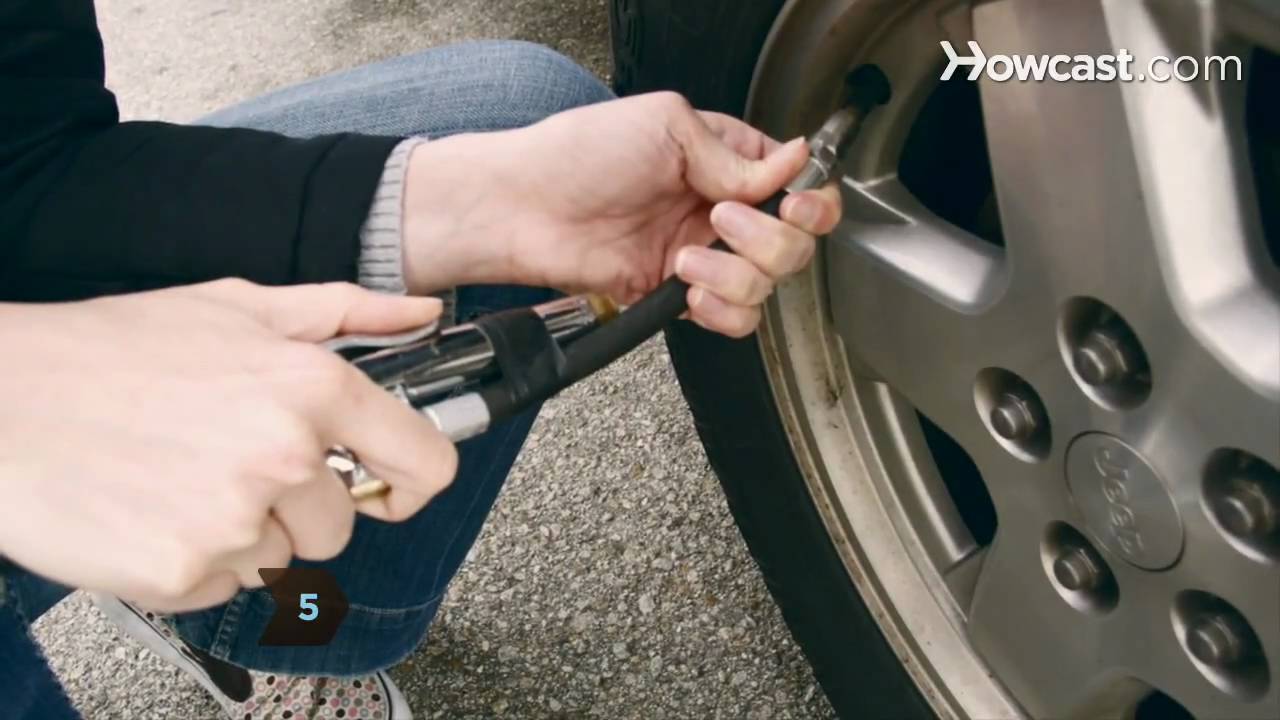
- Attach the air hose nozzle. Some nozzles have a lever or button. Push or flip it to lock on. Begin adding short bursts of air.
- Check pressure after a few seconds using your gauge. Repeat filling in short bursts until you reach the target PSI. Avoid overfilling.
- When the pressure is right, remove the nozzle quickly and screw the valve cap back on.
- Repeat for each tire, including the spare if accessible. Re-check all tires after a short drive.
When you follow these steps, how to add air to car tire at gas station becomes fast and routine. If your car has a tire pressure monitoring system, it may take a minute to update after you inflate.

Common mistakes and quick tips
Small habits make a big difference. Avoid these errors.
- Relying on the tire sidewall number for PSI. That number is the maximum, not the recommended pressure.
- Filling only when tires are hot. Always check cold pressure for accuracy.
- Overfilling to compensate for visual “softness.” Use a gauge instead of judging by sight.
- Forgetting the valve cap. It helps keep dirt out and prevents slow leaks.
Extra tips from experience: keep a compact gauge in your glove box. Use short air bursts and recheck often. If the air machine’s gauge seems off, trust your handheld gauge.

Dealing with TPMS and slow leaks
Modern cars use TPMS to warn you of low pressure, but it’s not a replacement for manual checks. TPMS may not trigger until a tire is significantly low.
If your TPMS light stays on after adding air, drive a few miles then recheck. If the light remains, it could be a slow leak, a faulty sensor, or a puncture. For slow leaks, inspect the valve stem and tread. If you find a nail or other object, visit a tire shop for repair.
When to see a professional
Some issues need expert care. Visit a pro if you spot any of these.
- Repeated rapid pressure loss after filling.
- Visible tire damage, bulges, or sidewall cracks.
- TPMS light stays on after proper inflation.
- Severe vibration or pulling while driving.
A mechanic can perform a bead seal, patch, or replace the tire if needed. Professional balancing and alignment improve tire life and handling.

My experience and lessons learned
I once drove 200 miles with one tire 10 PSI low. The car felt sluggish and the tire wore unevenly. After a quick fill at a station and proper checks, fuel economy improved and the tire lasted longer.
Lessons I apply every time:
- Check tires monthly.
- Carry a simple gauge and a small inflator for emergencies.
- Clean the valve area before attaching the hose to avoid false readings.
These small steps make how to add air to car tire at gas station quick and reliable.

Frequently Asked Questions of how to add air to car tire at gas station
How often should I check tire pressure?
Check tire pressure at least once a month and before long trips. Temperature changes can alter PSI, so more frequent checks help.
Can I use the gas station gauge instead of a personal gauge?
Yes, but station gauges can be less accurate. Carry a personal gauge for precise readings.
Should I add air when the tire is warm?
No. Check and fill tires when they are cold for the most accurate reading. Warm tires show higher pressure.
What PSI should I fill my tires to?
Use the recommended PSI from the driver’s door sticker or owner’s manual. Typical values are 30–35 PSI, but follow your vehicle’s recommendation.
What if the TPMS light stays on after adding air?
Drive a few miles and recheck pressure. If the light remains, visit a tire shop to inspect for leaks or sensor issues.
Can I overinflate a tire at the gas station?
Avoid overinflation. Too much air reduces traction and causes uneven wear. Use a gauge and follow the recommended PSI.
Conclusion
You now have a clear, practical plan for how to add air to car tire at gas station. Check cold pressure, use a reliable gauge, add air in short bursts, and recheck often. These simple habits boost safety, save fuel, and extend tire life.
Try it this week: check your tires, top off any low pressure, and keep a compact gauge in your car. If you found this guide useful, leave a comment, share your own tip, or subscribe for more easy car care advice.