
Introduction
For drivers in the United States, you can spray car shampoo onto a vehicle and rinse it off without scrubbing. However, this method usually removes only loose dust, light pollen, and some fresh road film. It will not reliably remove bonded dirt, grease, bug remains, tree sap, brake dust, or dried mud.
The safest answer is: use spray-on shampoo as a pre-wash, not as a complete car wash. A proper wash normally needs water, a suitable car shampoo, gentle contact with a clean wash mitt, and thorough drying.
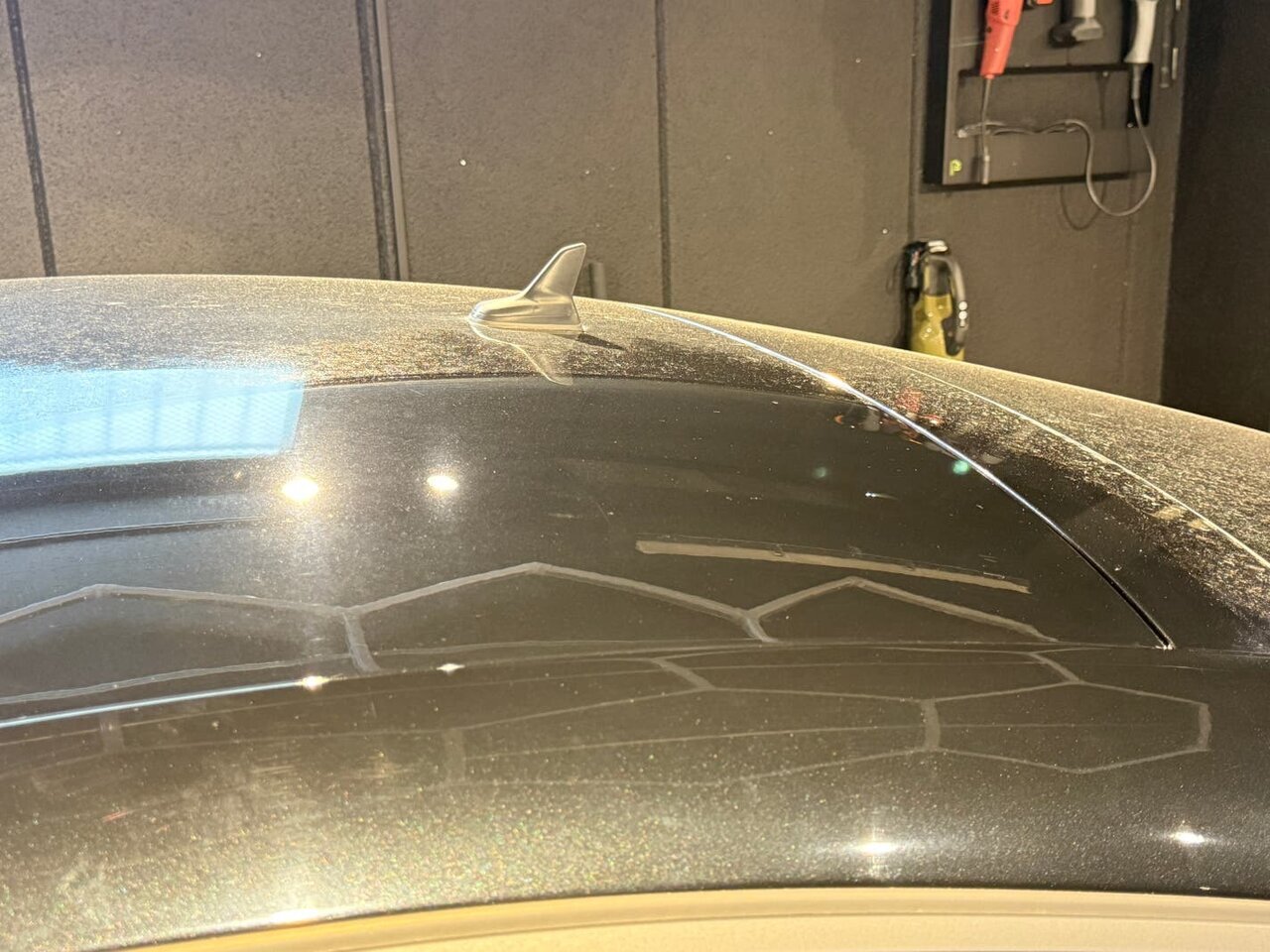
Does Spray-On Car Shampoo Actually Clean Without Scrubbing?
Spray-on shampoo can clean without scrubbing when the dirt is loose and the product is designed for touchless washing. The soap helps soften and lift grime from the paint. Water pressure then carries away the loosened dirt.
The process has limits. Soap does not dissolve every type of contamination, and water cannot always remove dirt that is stuck to the clear coat. A car may look clean after rinsing but still have a thin layer of road film.
What touchless washing can remove
A spray-and-rinse wash may remove:
- Loose dust
- Light pollen
- Fresh mud
- Salt residue
- Some road film
- Loose bird droppings after soaking
- Light dirt on wheels and tires
What it may leave behind
It may not fully remove:
- Dried bugs
- Tree sap
- Grease
- Tar
- Heavy brake dust
- Old road film
- Water spots
- Paint overspray
- Dried mud in seams and trim
The key issue is contact. spraying provides chemical action and water pressure, but scrubbing provides the physical action needed to remove stuck dirt. That physical action must be gentle because hard rubbing can drag grit across the paint.
When Is It Safe to Spray Shampoo and Rinse?
Spray shampoo without scrubbing is safest when the vehicle has light dirt, the paint is cool, and the soap is made for automotive use. It is less suitable for a heavily dirty vehicle or one covered in abrasive grit.
Follow these conditions:
- Work in the shade. Direct sun can dry shampoo before you rinse it.
- Make sure the surface is cool. A hot hood can dry soap quickly.
- Rinse away loose dirt first. This reduces the amount of grit that the soap must loosen.
- Use car shampoo, not household soap. Dish soap and general cleaners may remove wax and can be harsh on some trim or coatings.
- Follow the label dilution. Stronger is not always better.
- Keep the soap wet. Do not let it dry on paint, glass, plastic, or chrome.
- Rinse from the top down. This carries dirty water toward the lower panels.
- Dry the vehicle after rinsing. Air-drying can leave mineral spots, especially with hard water.
A touchless wash is also useful when the car has a delicate finish, ceramic coating, vinyl wrap, or paint protection film. Still, the product label and care instructions for that finish take priority.
Use the right spray method
A pump sprayer, foam cannon, foam gun, or pressure washer can apply shampoo. The tool matters less than the product, dilution, dwell time, and rinse quality.
For most home washes:
- Use a wide spray pattern.
- Start at the roof and upper glass.
- Move down toward the rocker panels.
- Keep the nozzle moving.
- Avoid spraying directly into door seals, open windows, electrical connectors, and damaged paint.
- Keep a safe distance from the surface when using a pressure washer.
A pressure washer can help remove dirt, but very close or powerful spraying can damage loose trim, weather seals, decals, and chipped paint. The vehicle owner’s manual and the pressure washer manufacturer’s instructions should control the safe distance.
How to Wash a Car With Shampoo Without Scrubbing
Use the following touchless process when the car has light or moderate dirt.
1. Park in a suitable place
Park on a level surface with access to clean water and drainage. Choose shade if possible. Avoid washing near loose gravel, dusty construction areas, or sprinklers that may add grit or minerals to the paint.
2. Rinse the car thoroughly
Rinse the vehicle from top to bottom. Focus on:
- Wheel arches
- Lower doors
- Bumpers
- Rocker panels
- Behind the license plate
- Spaces around mirrors and trim
This first rinse removes loose grit. It also lowers the chance that dirt will be dragged across the paint if you later decide to use a wash mitt.
3. Apply the diluted shampoo
Apply the shampoo evenly. Foam may look impressive, but thick foam does not automatically mean better cleaning. The soap must stay wet long enough to soften the dirt.
Use the amount and dilution listed on the product label. Different shampoos contain different surfactants, lubricants, waxes, and cleaning agents, so one product’s ratio should not be used for another.
4. Let the shampoo dwell
Allow the product to sit for the time listed on its label. If no time is given, watch the surface closely and rinse before the product begins to dry.
Do not allow shampoo to dry in hot weather, direct sun, or strong wind. Dried soap can leave streaks and residue that require another wash to remove.
5. Rinse from top to bottom
Rinse until no visible foam remains. Work in overlapping passes. Pay extra attention to panel gaps, emblems, mirrors, wiper arms, and trim where soap can collect.
6. Inspect the paint
Run your eyes over the vehicle rather than touching it immediately. Look for:
- Remaining gray or brown film
- Bug marks
- Greasy spots
- Streaks
- Mud in cracks
- Brake dust on wheels
- Soap residue
If the car still looks dirty, do not increase pressure or use a rough brush on the paint. Move to a gentle contact wash instead.
7. Dry the vehicle
Use a clean microfiber drying towel or a suitable air blower. Drying reduces water spots and removes leftover droplets from mirrors, trim, and door handles.
Do not use an old bath towel, rough cloth, or dirty towel. These materials can hold grit and create fine scratches.
Spray-Only Washing vs. Hand Washing
Spray-only washing is faster and creates less direct contact with the paint. Hand washing is usually more effective because a clean mitt can remove the film that rinsing leaves behind.
| Washing method | Cleaning ability | Paint contact | Best use |
|---|---|---|---|
| Spray and rinse | Low to moderate | Very low | Light dust and fresh dirt |
| Foam, dwell, and rinse | Moderate | Very low | Light to moderate dirt |
| Two-bucket hand wash | High | Controlled | Regular full cleaning |
| Automatic brush wash | Moderate to high | High | Convenience, with greater swirl risk |
| Professional touchless wash | Moderate to high | Very low | Quick cleaning without brushes |
A touchless method reduces the risk of contact scratches, but it may leave more dirt behind. A hand wash cleans more completely, but poor technique can cause scratches.
A practical decision rule
Use spray-only washing when:
- The car has light dirt.
- You washed it recently.
- There is no thick road film.
- The paint is cool.
- You can rinse and dry it promptly.
Use a gentle hand wash when:
- The paint still looks dull after rinsing.
- The car has dried mud or bug remains.
- The lower panels are heavily dirty.
- You plan to apply wax, sealant, or a coating.
- You need the vehicle genuinely clean rather than merely improved.
The best compromise is often a touchless pre-wash followed by a careful contact wash. The first stage removes loose grit. The second stage removes the remaining film.
Can You Use Dish Soap or Any Shampoo on a Car?
Use a shampoo labeled for automotive paint. Do not assume that any product called “shampoo” is safe for a vehicle.
Car shampoo
Car shampoos are generally made for automotive finishes. Many contain lubricants that help a wash mitt move across paint. Some also contain waxes or gloss agents.
A car shampoo is usually the correct choice for routine washing, but it still must be diluted and used according to its label.
Dish soap
Dish soap can remove oils and waxes. That may be useful in a narrow situation, such as preparing an older car for polishing, but it is not the best routine cleaner for a protected finish.
Dish soap may also leave the surface less protected. It does not repair scratches, remove bonded contamination, or replace a dedicated automotive cleaner.
Hair shampoo
Hair shampoo is not designed for automotive paint, plastic trim, rubber seals, or glass. It may contain conditioners, fragrances, oils, or additives that leave residue.
Avoid using hair shampoo on a car unless the product specifically states that it is safe for automotive surfaces.
Household cleaners
Avoid using:
- Laundry detergent
- Bathroom cleaner
- Glass cleaner on the entire car
- Bleach
- Strong degreasers
- Abrasive powders
- Solvent-based cleaners without automotive instructions
These products can stain trim, damage coatings, strip protection, or create a new problem while removing the old one.
Common Problems With Spray-Only Car Washing
Spray-only washing can fail for several reasons. The most common problem is not weak soap. It is dirt that needs physical removal.
The car still feels gritty
The surface may have bonded contamination or leftover road film. Do not rub it with a dry towel. Rinse again, then use a clean wash mitt with plenty of lubricated shampoo.
The paint has streaks
Streaks often come from shampoo drying, too much product, poor rinsing, or hard water. Rewash the affected area in the shade and dry it with a clean microfiber towel.
Bug marks remain
Bug residue contains material that can cling strongly to paint. Soak the area with automotive shampoo or a bug remover approved for the finish. Let it soften, then wipe gently. Do not scrape it with a blade or dry cloth.
Water spots appear
Water spots form when minerals remain after water evaporates. Dry the car promptly. Light spots may respond to a paint-safe water-spot remover. Older or etched spots may need polishing.
The lower panels remain dirty
Lower doors and rocker panels collect tar, grease, mud, and road salt. Spray-only washing may not remove this mix. Use a suitable automotive cleaner and a controlled contact wash.
The car looks clean but feels rough
A rough feel may indicate bonded contaminants such as tree residue, industrial fallout, or overspray. Shampoo alone may not remove them. A detailing professional can select the right decontamination method.
How to Avoid Scratches During a Car Wash
The main scratch risk comes from abrasive dirt being moved across the paint. Avoiding contact altogether lowers that risk, but a proper contact wash can also be safe when done carefully.
Use these habits:
- Rinse before touching the paint.
- Use a clean microfiber wash mitt.
- Keep a separate tool for wheels and tires.
- Wash from the roof downward.
- Rinse the mitt often.
- Use separate buckets if you use the two-bucket method.
- Do not drop a mitt and continue using it without rinsing it well.
- Use straight, light passes rather than hard circular scrubbing.
- Do not press harder when dirt does not release.
- Replace towels that are worn, dirty, or contaminated.
Never use the same sponge, brush, or towel on wheels and painted panels. Brake dust can contain sharp particles that may scratch clear coat.
If the vehicle has matte paint, a vinyl wrap, or a special coating, use care instructions made for that finish. Polishing, waxes, and aggressive cleaners may change the appearance of matte surfaces.
Key Takeaways
- Yes, you can spray shampoo on a car and rinse it without scrubbing.
- This works best for loose dust, pollen, light dirt, and fresh road film.
- Spray-only washing may not remove grease, bugs, tar, dried mud, or heavy brake dust.
- Rinse first, keep the shampoo wet, and never let it dry on the paint.
- Use automotive shampoo rather than hair shampoo, dish soap, or household cleaner.
- If the car still looks dirty after rinsing, use a careful hand wash instead of more pressure.
- Dry the car after washing to reduce water spots and residue.
Frequently Asked Questions
Can I spray car shampoo directly onto a dry car?
You can, but rinsing first is usually better. A pre-rinse removes loose grit and lowers the chance of scratching if you later touch the surface. Always follow the product label because some cleaners are intended for wet panels.
How long should I leave shampoo on a car?
Use the dwell time listed on the product label. If the label gives no clear time, rinse before the shampoo starts to dry. Hot panels, direct sunlight, and wind shorten the safe working time.
Does foam from a foam cannon replace scrubbing?
Usually, no. Foam can loosen and carry away dirt, but it does not guarantee that bonded grime will be removed. Foam is most useful as a pre-wash or as part of a touchless cleaning process.
Can spray-on shampoo remove car wax?
Some shampoos are designed to preserve wax, while strong cleaners and dish soap may reduce or remove some protection. Check the product label if you want to maintain wax, sealant, or a ceramic coating.
Should I scrub if spray shampoo does not remove the dirt?
Use a gentle wash mitt only after rinsing away loose grit. Add more lubricant and use light pressure. If the mark does not release, stop rubbing and use a cleaner made for that type of contamination.
Is a touchless car wash better for paint?
A touchless wash reduces brush contact, which can lower the chance of contact-induced scratches. It may not clean as completely as a careful hand wash, and some commercial systems use strong chemicals. Inspect the finish and choose the method that matches the level of dirt.
Conclusion
You can spray shampoo on a car and rinse it without scrubbing, but the result depends on the dirt and the product. For a lightly dusty vehicle, this touchless method may be enough. For road film, bugs, grease, and dried mud, it usually is not.
Start with a pre-rinse, use automotive shampoo, keep the surface wet, rinse well, and dry the car. If dirt remains, switch to a gentle contact wash rather than using more pressure or harsher soap.