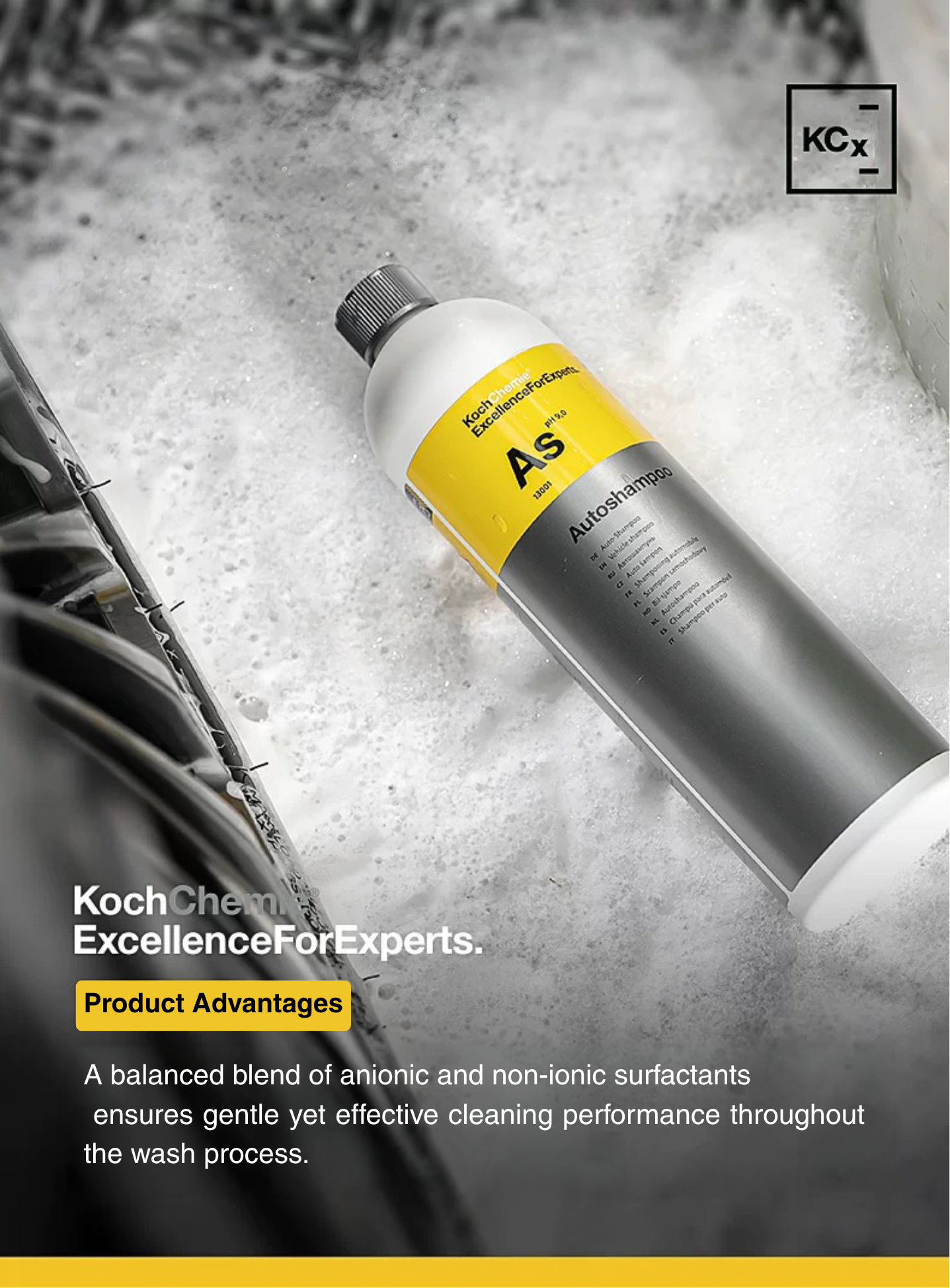
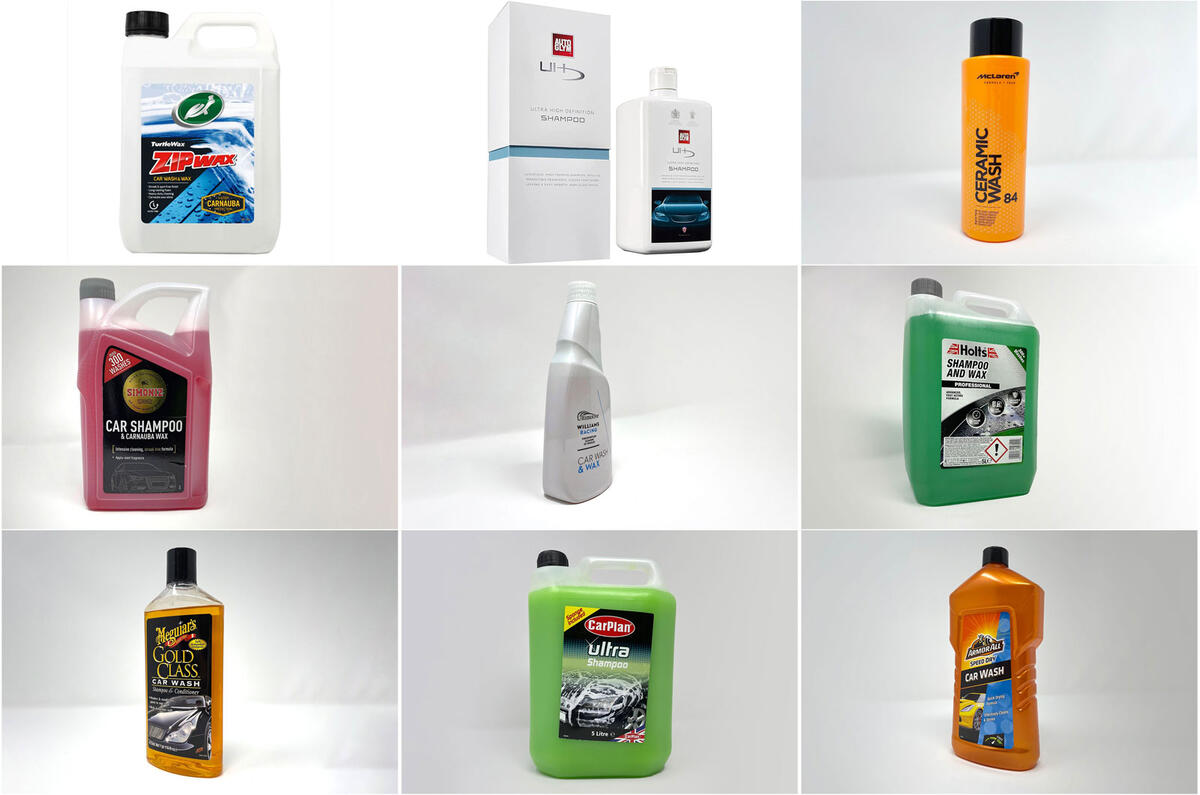
For most cars in the United States, the best choice is a pH-balanced automotive car shampoo made for clear coats, wax, sealants, and modern plastic trim. If you do not have car shampoo, use clean water with a soft microfiber wash mitt for a short-term rinse, or use a properly labeled rinseless or waterless wash product.
You can use a small amount of mild dish soap once in an emergency, but it is not a good regular car wash soap. Avoid laundry detergent, hand soap, household cleaners, bleach, and strong degreasers. These products may strip wax, dry rubber, stain trim, or leave a film.
The right product matters more than the name on the bottle. A safe car wash should loosen dirt while letting it glide away without scratching the paint.
The Best Substitutes for Car Shampoo
The safest substitute depends on how dirty the vehicle is, how much water you have, and whether the paint has wax or a ceramic coating.
| Product or method | Safe for regular use? | Best use | Main limitation |
|---|---|---|---|
| Automotive car shampoo | Yes | Normal washing | Requires a separate product |
| Rinseless wash solution | Yes, when used as directed | Washing with limited water | Not ideal for heavy mud or thick sand |
| Waterless wash spray | Yes, when used as directed | Light dust and fingerprints | Can scratch heavily dirty paint |
| Plain water and a microfiber mitt | Occasionally | Removing loose dust or pollen | Does not clean bonded grime well |
| Mild dish soap | Emergency only | One-time wash when no better option exists | Can remove wax and dry trim |
| Hand soap or body wash | Generally no | Not recommended | May leave residue or contain oils |
| Laundry detergent or powder | No | Never use | Too harsh and may leave gritty residue |
| Household cleaner or bleach | No | Never use on paint | Can damage finishes and trim |
1. Automotive car shampoo
A dedicated car shampoo remains the most reliable option. It is designed to clean painted panels without adding unnecessary solvents, abrasives, or harsh builders.
Choose a product labeled:
- pH balanced
- safe for clear coats
- safe for wax and sealants, if your car has them
- safe for ceramic coatings, if the coating maker allows it
- free of added abrasives, unless you are using a separate polishing product
Some car shampoos contain wax or gloss additives. These can improve the look for a short time, but they do not replace a true wax or paint sealant.
2. Rinseless wash solution
A rinseless wash is one of the best alternatives when you cannot use a hose. It uses a concentrated solution mixed with water. The solution helps surround dirt so a damp microfiber towel can lift it from the surface.
Use a rinseless wash only when the vehicle has light to moderate dirt. Heavy mud, road salt, sand, and gritty deposits need more water and more careful pre-rinsing.
Follow the mixing rate on the label. Using more product does not always make the wash safer. Too much solution can leave a film, while too little may not provide enough lubrication.
3. Waterless wash spray
A waterless wash can work on a lightly dusty vehicle. It is not a good choice for a car covered with mud, sand, salt, or gritty road film.
To reduce the chance of scratches:
- Work on one small panel at a time.
- Spray enough product to soften and surround the dirt.
- Use several clean microfiber towels.
- Wipe in straight lines with very light pressure.
- Turn the towel often.
- Stop if the surface feels gritty or the towel becomes dirty.
Never try to force a dry, dirty panel clean with a single towel. That action can drag grit across the clear coat.
4. Plain water
Plain water is useful for rinsing loose dust, pollen, and light dirt. It is not a full replacement for shampoo because water alone does not provide much cleaning or lubrication.
If you use only water, rinse from the top down and use a clean microfiber mitt. Do not rub a dry surface. Water can also leave mineral spots, especially in areas with hard water.
Can You Use Dish Soap to Wash a Car?
You can use mild dish soap for a one-time emergency wash, but it should not be your normal car shampoo. Dish soap is designed to break down food grease and oils. That cleaning power can remove some waxes, spray sealants, and dressing from exterior trim.
A single wash will not usually destroy a healthy automotive paint finish. The larger problem is repeated use. Regular dish soap may leave the paint without its previous protection and can make rubber or plastic surfaces look dry over time.
If dish soap is your only option:
- Use a mild liquid dish soap, not dishwasher detergent or powdered detergent.
- Mix a small amount in a bucket of clean water.
- Rinse the vehicle first to remove loose grit.
- Wash from the roof downward.
- Use a clean microfiber mitt.
- Rinse the mitt often.
- Rinse the car well.
- Dry with a clean microfiber drying towel.
- Reapply wax or another paint protectant later if needed.
Do not use dish soap on a vehicle with a product that requires a specific maintenance wash. A ceramic coating manufacturer may recommend a particular type of cleaner or forbid products with certain additives.

Why Household Soaps Are Usually a Poor Choice
Household soaps are made for different surfaces and soils. A product that works well on dishes, clothing, skin, or floors may not be suitable for automotive paint.
Modern vehicles often have several exterior materials:
- Clear-coated paint
- Unpainted black plastic
- Rubber seals
- Chrome or bright metal
- Glass
- Vinyl or synthetic trim
- Painted wheels
- Powder-coated or finished brake components
Each material can react differently to cleaners. A strong product may clean one area while drying, staining, or dulling another.
Laundry detergent
Do not use laundry detergent on a car. It can contain strong cleaning agents, fragrances, enzymes, brighteners, or alkaline builders. Powdered detergent may also fail to dissolve fully and can leave particles behind.
Laundry detergent is made for fabric. It is not formulated for clear-coated automotive paint, exterior rubber, or trim.
Hand soap and body wash
Hand soap and body wash are not good car shampoos. They may contain moisturizers, oils, fragrances, skin conditioners, or other ingredients that leave a film.
That film can make glass streak, attract dust, or interfere with wax and sealant bonding. These products also may not provide the lubrication needed to safely move grit over paint.
Household glass cleaner
Use automotive glass cleaner or a product specifically labeled for vehicle glass. Some household glass cleaners contain ammonia or other ingredients that may be unsuitable for aftermarket window tint, plastic surfaces, or interior materials.
Do not use glass cleaner as a substitute for car shampoo. It is meant to remove film from glass, not to wash painted panels.
Bleach and disinfectants
Never use bleach as a general car wash product. It can damage clothing, affect trim, corrode some metals, and create hazardous fumes if mixed with other cleaners.
Disinfectants, kitchen cleaners, and bathroom cleaners also have no place in a routine exterior wash unless the vehicle manufacturer specifically approves them for a narrow purpose.
Strong degreasers
A degreaser may be useful for a specific task, such as removing heavy grease from a mechanical part. It is not a safe substitute for shampoo across the entire vehicle.
If a degreaser is needed, read the label carefully. Keep it off delicate trim, avoid letting it dry, and rinse the surface fully. Use it only where necessary.
How to Wash a Car Without Car Shampoo
If your vehicle has normal road dirt, you can wait until you obtain proper car shampoo. If you must wash it now, use the gentlest suitable method and reduce contact with the paint.
What you need
Gather:
- A hose or two buckets of clean water
- A clean microfiber wash mitt
- Several microfiber drying towels
- A grit guard, if available
- A mild dish soap for emergency use only, or a rinseless wash product
- Separate brushes or towels for wheels
- A shaded work area
Do not use one towel or sponge on the wheels and paint. Wheels collect brake dust and metal particles that can scratch body panels.
Step-by-step method
1. Park in the shade
Wash when the paint is cool to the touch. A hot panel can dry soap and water before you rinse it. This increases the chance of spots and streaks.
Avoid washing in direct afternoon sun when possible.
2. Rinse the vehicle
Start at the roof and work downward. The rinse removes loose dust, sand, and grit before the mitt touches the paint.
Pay extra attention to:
- Lower doors
- Rocker panels
- Wheel arches
- Rear bumpers
- Areas behind the wheels
These areas often hold the most abrasive dirt.
3. Clean the wheels separately
Use a wheel-specific cleaner only if needed and if the label allows it for your wheel finish. Use a separate mitt or brush.
Clean the wheels before washing the body so wheel grime does not splash onto freshly washed paint.
4. Wash from top to bottom
The roof, glass, hood, and upper doors usually have less dirt than the lower panels. Wash the cleanest areas first.
Use straight, light passes. Do not scrub in circles. Rinse the mitt after each small section or whenever it feels gritty.
5. Rinse often
Do not let soap dry on the surface. Rinse one section before moving to another if the weather is warm or windy.
If you are using dish soap, rinse especially well because residue can remain around badges, trim, door handles, and panel gaps.
6. Dry without rubbing hard
Use a clean microfiber drying towel. Lay it flat and gently pull it across the surface, or blot the panel.
Do not use an old bath towel, paper towel, rough cotton rag, or squeegee unless it is specifically designed for automotive paint and used correctly.
7. Check the finish
After drying, inspect the surface in good light. Look for:
- Remaining grit
- Soap residue
- Water spots
- Streaks
- New marks
- Film on the glass
- White residue around trim
If the surface still feels rough, do not keep scrubbing. The vehicle may have bonded contamination that requires a dedicated decontamination process.
How Much Soap Should You Use?
Use the amount stated on the product label. If you are using mild dish soap in an emergency, less is generally better than a large amount, because excess soap is harder to rinse away.
There is no universal safe ratio for every dish soap. Formulas vary by brand and concentration. A practical approach is to add a small amount to a bucket of water, create light suds, and focus on lubrication rather than foam.
Foam alone does not prove that a wash is cleaning safely. A product can create lots of bubbles while providing little protection against friction.
For a two-bucket wash:
- One bucket holds the wash solution.
- The second bucket holds rinse water.
- Dip the mitt in the wash bucket.
- Wash a small area.
- Rinse the mitt in the rinse bucket.
- Return the cleaner mitt to the wash bucket.
This method helps keep removed grit away from the paint. A grit guard can add another barrier, but it does not make careless washing safe.
What Should You Use on a Ceramic-Coated Car?
Use a shampoo approved by the ceramic coating manufacturer. In many cases, that means a pH-neutral or pH-balanced product without abrasive polish, wax, or harsh solvents.
A ceramic coating does not make paint scratch-proof. Dirt can still cause marks if you drag it across the surface. The coating may make cleaning easier, but you still need a clean mitt, plenty of lubrication, and careful drying.
Avoid assuming that a “wash and wax” product is suitable for every coating. Some coatings may tolerate it, while others are designed to work with a specific maintenance product. Check the coating warranty or care guide.
What Should You Use on Matte Paint?
Use a matte-finish car shampoo or a mild product approved for matte paint. Matte finishes can develop uneven patches if you polish, wax, or use products that add gloss.
Do not use:
- Abrasive polish
- Traditional rubbing compound
- Wax made to increase gloss
- Aggressive scrubbing pads
- Household cleaners
Wash matte paint with light pressure. If the finish has a stain or mark, follow the vehicle maker’s care instructions rather than trying to polish the spot away.
What Should You Use When Washing Road Salt?
For road salt on vehicles in northern parts of the United States, water and frequent rinsing are more important than extra soap. Salt can collect underneath the car and around wheel wells, so a thorough rinse helps remove it from those areas.
Use a car shampoo when available. If not, rinse the vehicle well and avoid rubbing dry salt across the paint. Pay attention to:
- Undercarriage areas
- Brake and suspension zones
- Wheel wells
- Rocker panels
- Seams and drain points
Do not spray high-pressure water directly into electrical connectors, wheel bearings, door seals, or other sensitive areas. Use sensible distance and moderate pressure.
Common Car-Washing Mistakes to Avoid
The cleaner you choose matters, but washing technique often has a larger effect on paint marks.
Using a kitchen sponge
Kitchen sponges can hold grit against the paint. Their texture may also be too rough for clear coat. Use a clean microfiber wash mitt instead.
Washing with one bucket
A single bucket can quickly fill with dirt. A two-bucket method helps separate rinse water from wash solution.
Washing in circles
Circular scrubbing can create visible swirl patterns. Straight, light passes make it easier to control the direction of any contact.
Letting the product dry
Water spots and soap residue become harder to remove after drying. Work in small areas and rinse before the surface dries.
Cleaning the wheels with the paint mitt
Brake dust may contain abrasive particles. Keep wheel tools separate from paint tools.
Washing in direct sun
Sun can dry the panel too quickly. Shade, cool paint, and smaller wash sections make the job easier.
Using a leaf blower without clean air
A blower can help remove water from mirrors, emblems, and trim. However, do not direct dusty air at wet paint. Airborne grit can create marks.
Reusing dirty towels
A towel that touched the ground should not touch the paint again. Keep used towels separate and wash them without fabric softener, which can reduce absorbency and leave residue.

When Should You Wait Instead of Washing?
Wait if the vehicle is covered with heavy mud, thick sand, or large amounts of gritty salt and you cannot rinse it first. Rubbing that material over the paint can cause scratches.
You should also wait if:
- The water will freeze on the vehicle.
- Strong wind is blowing dust onto the car.
- The paint is too hot to touch.
- You have no clean towels or mitt.
- You cannot rinse away the selected cleaner.
- The product label says not to use it on automotive finishes.
If the car is heavily soiled and you lack proper supplies, a professional wash with a good rinse may be safer than an improvised hand wash.
Frequently Asked Questions
Can I use baby shampoo to wash my car?
Baby shampoo is not the best car shampoo. It may contain conditioners, fragrances, or other ingredients that leave a film. Use automotive shampoo instead. If you have no alternative, plain water with a clean microfiber mitt is usually preferable for a light rinse.
Can I use hair shampoo on a car?
Hair shampoo is not designed for automotive paint, trim, or exterior glass. It may contain oils and conditioning agents that leave residue. It is not a recommended substitute for car wash soap.
Can I wash my car with only water?
Yes, for loose dust, pollen, or a light rinse. Water alone is less effective on road film, grease, bird droppings, and bonded dirt. Do not rub heavily soiled paint with only water.
Is dish soap bad for car paint?
A single careful wash with mild dish soap is unlikely to ruin healthy automotive paint. Repeated use can remove wax or sealant and may dry exterior trim. Dish soap is best treated as an emergency option, not a maintenance product.
Can I use laundry detergent on my car?
No. Laundry detergent may contain strong cleaners, brighteners, enzymes, or gritty material that is unsuitable for automotive finishes. Use car shampoo or a properly labeled rinseless wash instead.
What is the safest option if I have no car shampoo?
For light dirt, rinse the vehicle and use a clean microfiber mitt with plenty of water, then dry gently. For heavier dirt, wait until you can use automotive shampoo or a rinseless wash. If you must use soap, choose a small amount of mild dish soap for one wash and rinse it thoroughly.
Key Takeaways
- Automotive car shampoo is the best regular choice.
- Rinseless and waterless wash products can work when used for the right level of dirt.
- Mild dish soap is acceptable only as a short-term emergency option.
- Do not use laundry detergent, bleach, household cleaners, or strong degreasers as car shampoo.
- Rinse loose grit before touching the paint.
- Use separate tools for wheels and body panels.
- Wash in the shade and dry with clean microfiber towels.
- Check the vehicle or coating manufacturer’s care instructions for special finishes.
Conclusion
If you need a substitute for car shampoo, choose a properly labeled rinseless wash or use plain water for a light rinse. Mild dish soap can work once when no better option exists, but it may remove wax and should not become your regular wash routine.
The safest wash combines the right cleaner with low-friction technique: rinse first, use a clean microfiber mitt, work from top to bottom, rinse often, and dry gently. For most American drivers dealing with road salt, pollen, dust, and road film, keeping a small bottle of automotive shampoo or rinseless wash in the garage is the simplest way to avoid risky household substitutes.