Yes, you can use some Method cleaners in your car, but only on the right surfaces. A Method all-purpose or glass cleaner may work on sealed plastic, vinyl, and some hard interior trim. It is not a universal car cleaner.
Do not use it on leather, suede, cloth seats, touchscreens, steering wheels, pedals, seat belts, or painted exterior surfaces unless the product label and your vehicle manual allow it. Household cleaners may leave residue, cause streaks, damage coatings, or make controls unsafe to grip.
This guide explains where Method cleaner is suitable, how to use it, and when to choose an automotive product instead.

Quick answer: Is Method cleaner safe for car interiors?
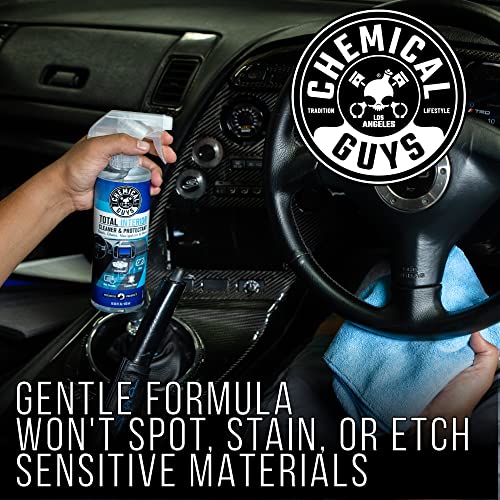
Method cleaner is usually suitable for small areas of hard, sealed interior surfaces, such as plastic door trim, vinyl panels, and some cup holders. Spray the cleaner onto a microfiber cloth, not directly onto the surface.
Before use:
- Read the cleaner’s label.
- Check your vehicle owner’s manual.
- Test a hidden spot.
- Use a small amount.
- Wipe the area dry.
The exact Method product matters. An all-purpose cleaner, glass cleaner, disinfecting cleaner, and specialty cleaner may have different directions and limits.
Which car surfaces can you clean with Method?
The safest uses are hard, sealed surfaces that do not absorb liquid. Even then, a spot test is wise.
| Car surface | Use Method cleaner? | Safer approach |
|---|---|---|
| Hard plastic trim | Usually, with care | Apply to a cloth and wipe dry |
| Vinyl door panels | Often, after a spot test | Use little moisture |
| Rubber floor mats | Sometimes | Rinse or wipe away all residue |
| Cup holders | Usually | Clean, then dry fully |
| Interior glass | Use glass cleaner only | Use a clean glass microfiber cloth |
| Leather seats | Not unless the label allows it | Use a leather cleaner |
| Cloth seats | Generally no | Use an upholstery cleaner |
| Suede or microsuede | No | Follow the material maker’s care guide |
| Touchscreens | Usually no | Use the screen maker’s method |
| Steering wheel | Avoid general cleaner | Use a residue-free, material-safe cleaner |
| Pedals | No | Clean with a damp cloth only |
| Exterior paint | Not recommended | Use car wash soap |
| Engine parts | No | Use products made for engine cleaning |
Hard plastic and vinyl
A diluted-looking or matte finish does not prove that a surface is safe. Some dashboards and trim pieces have soft-touch coatings. These coatings can become shiny, sticky, or patchy after contact with the wrong cleaner.
Use a small amount on a microfiber cloth. Wipe one section at a time. Then use a second damp cloth if the label permits, followed by a dry cloth.
Glass
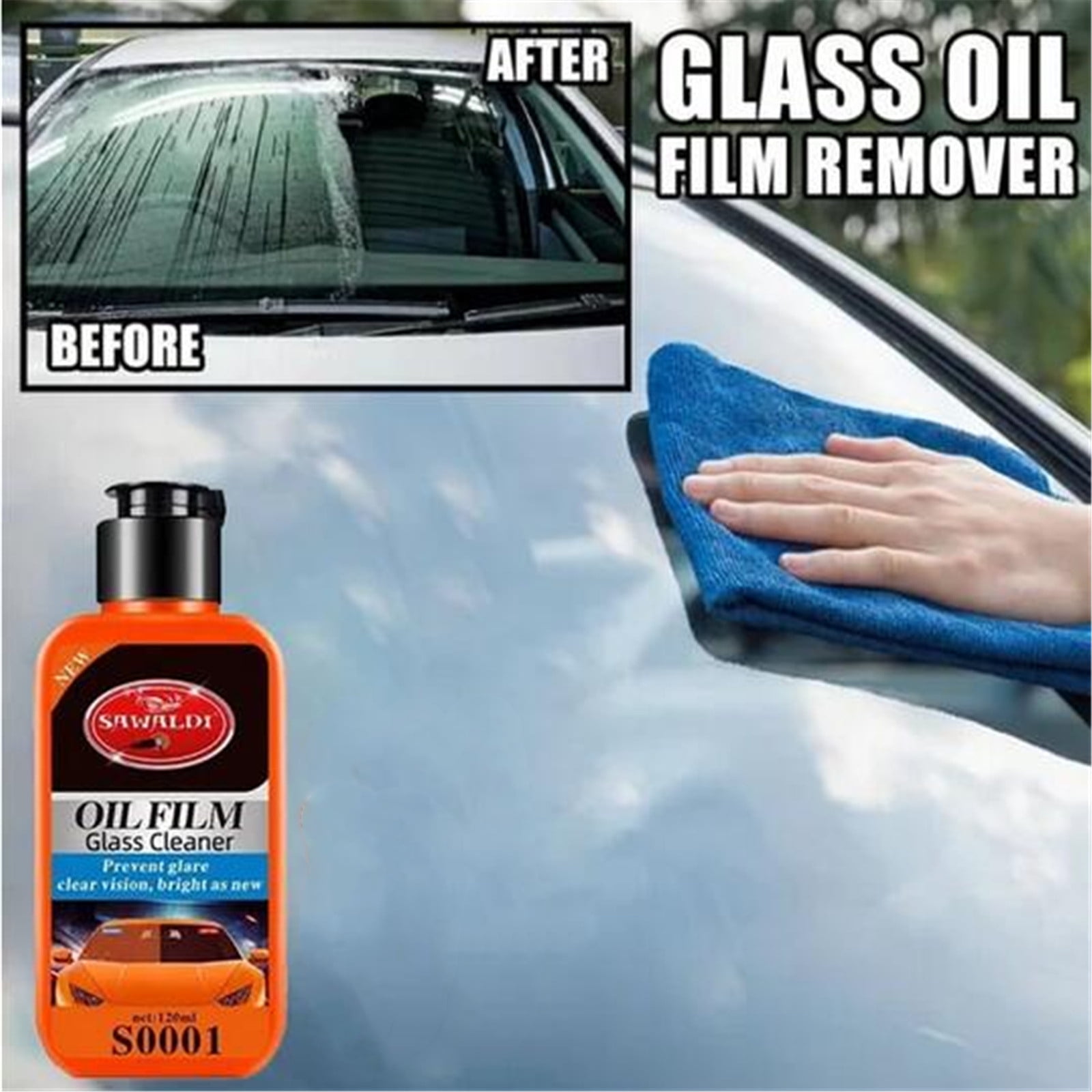
Use a Method glass cleaner only if its label supports the surface. Never let cleaner run into vents, buttons, speakers, or the dashboard.
For inside windshield glass, spray the cloth instead of the glass. This helps prevent drips. Use a dry microfiber cloth to remove haze and streaks.
If your car has window tint, clean the glass gently. Avoid rough towels and products that the tint installer says may harm the film.
Rubber mats and plastic cup holders
These areas can handle more cleaning than a dashboard, but residue still matters. A slippery film on a mat can affect foot control. After cleaning, wipe the mat well and let it dry before driving.
For removable rubber mats, take them out of the car first. Clean them away from switches and upholstery. Do not reinstall them while wet.
Which parts of a car should not be cleaned with Method?
Avoid general household cleaner on surfaces that are porous, coated, electrical, or safety-critical. These areas need a product made for their material.
Leather seats
Leather can have a protective finish, but it is still different from sealed plastic. A general cleaner may dry the surface, dull the finish, or leave a film.
Use a leather cleaner that states it is suitable for automotive leather. Follow the vehicle maker’s care instructions. If the seat is perforated, use very little liquid and keep cleaner out of the holes.
Cloth seats and carpet
Household all-purpose cleaner may spread a stain instead of removing it. It can also leave soap in the fabric. That residue may attract more dirt.
Use an automotive upholstery cleaner. Apply it lightly. Avoid soaking seats because moisture can remain inside the foam and create odor or mold problems.
Suede, microsuede, and Alcantara-style materials
These materials can change texture or color when wet. Do not use Method cleaner unless the material maker specifically approves it.
Use the care guide for the vehicle or seat material. When in doubt, ask a professional detailer before applying a liquid cleaner.
Touchscreens and instrument displays
Do not spray cleaner on a screen. Household cleaners can harm anti-glare or fingerprint-resistant coatings.
Use the screen instructions in your owner’s manual. In many cases, a clean, soft, slightly damp microfiber cloth is the safer choice. Keep moisture away from screen edges.
Steering wheels, pedals, and controls
A cleaner may make the steering wheel or shift knob slick. That can reduce grip while driving. Residue on pedals can also affect foot traction.
Use a barely damp cloth first. If more cleaning is needed, choose a product made for that material. Keep all controls dry before driving.
Seat belts and airbag areas
Do not saturate seat belts. Moisture and cleaner can remain in the belt webbing. Do not spray the steering-wheel hub, dashboard airbag covers, or seat-mounted airbag panels.
These areas are part of the vehicle’s safety system. Follow the owner’s manual rather than using a general cleaner.
How to use Method cleaner in a car
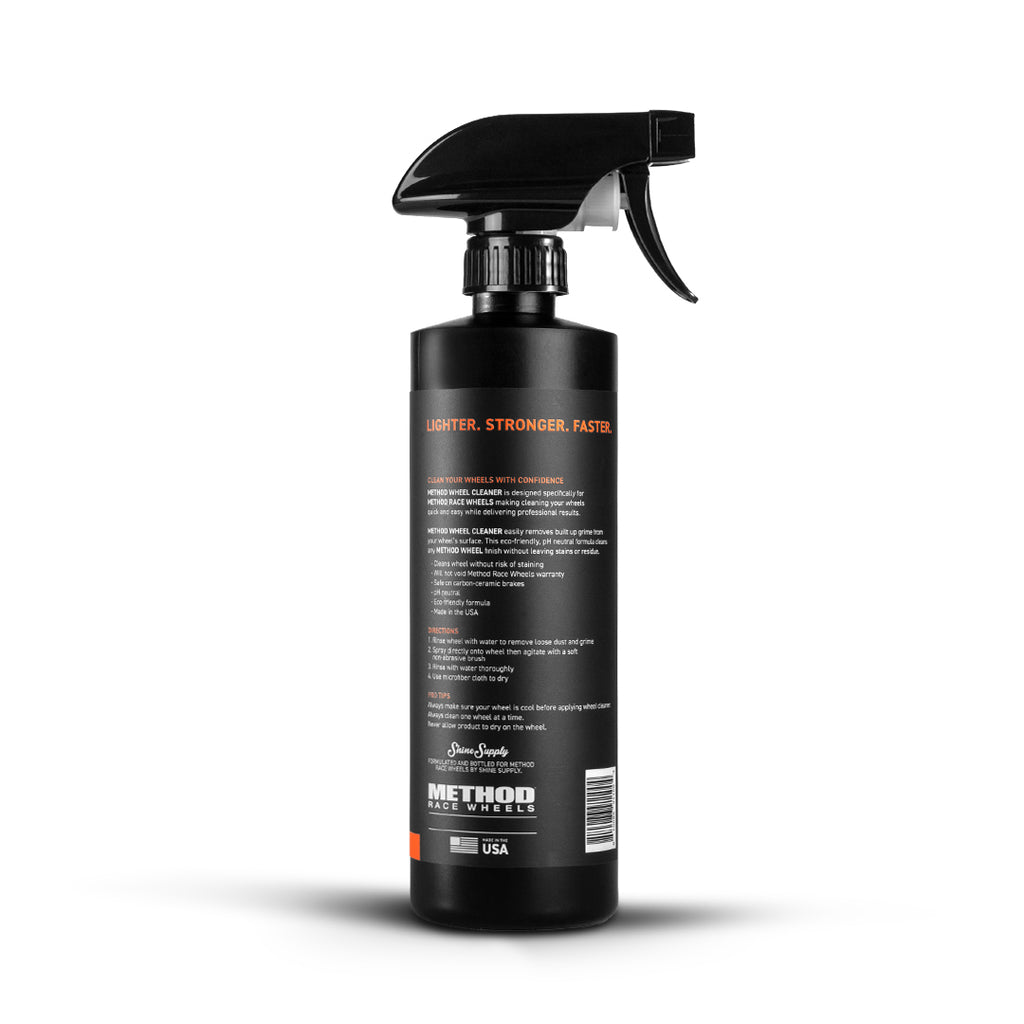
Use this process for a small area of hard, sealed interior trim.
What you need
- The correct Method product
- Two or three clean microfiber cloths
- A soft detailing brush, if needed
- Clean water
- Gloves, if the product label recommends them
- Good airflow
Step-by-step method
-
Remove loose dirt.
Vacuum dust and crumbs first. Dirt can scratch plastic when you wipe. -
Read both labels.
Check the Method label and the vehicle manual. Do not assume that one Method product has the same use instructions as another. -
Test a hidden area.
Apply a small amount to an unseen section. Wait until it dries. Look for color change, tackiness, dullness, or streaks. -
Put cleaner on the cloth.
Do not spray near vents, screens, switches, speakers, or seams. -
Wipe a small section.
Work in short areas. Do not let the product dry on the surface. -
Remove residue.
Use a clean, slightly damp cloth if the label allows it. Then dry the surface. -
Check for slipperiness.
Run a clean hand over the area. It should not feel greasy or slick. -
Let the area dry.
Keep doors open when possible. Do not drive until the steering wheel, pedals, seats, and controls are dry and safe to touch.
Signs the cleaner worked
A properly cleaned hard surface should look even and feel clean, not oily. It should not have:
- A cloudy film
- Sticky patches
- Strong lingering fumes
- Color transfer
- A new glossy spot
- Streaks that return after drying
If you see any of these signs, stop using the product on that material.
Can Method cleaner be used on a car’s exterior?
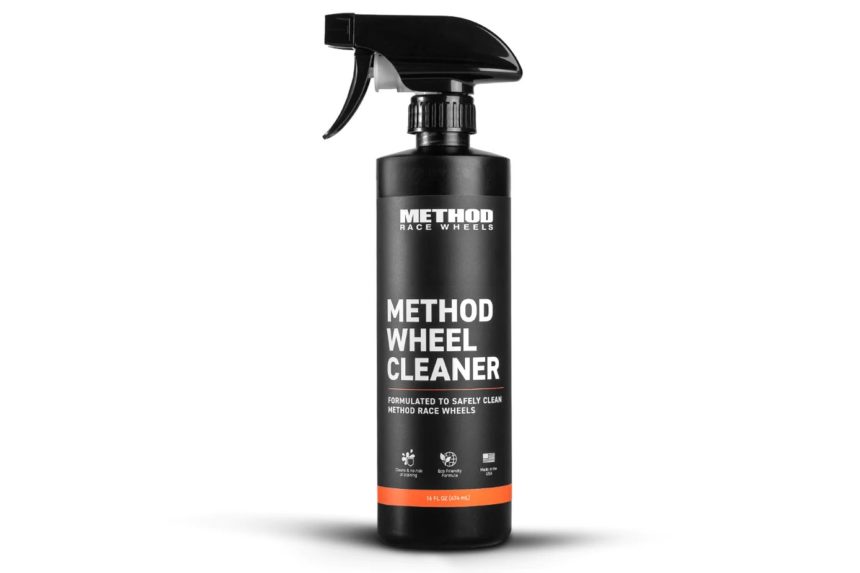
Method cleaner is not the best choice for exterior paint, clear coat, wheels, tires, or trim. A household cleaner may remove wax or protection, leave streaks, or fail to remove road film safely.
Use automotive car-wash soap and plenty of water for painted panels. Car-wash soap is designed to loosen dirt while reducing the risk of scratching during washing.
Avoid using Method cleaner on:
- Automotive paint
- Clear-coated wheels
- Tires
- Convertible tops
- Exterior plastic trim
- Chrome or polished metal
- Windshield washer systems
- Engine bays
If you need to remove grease, tar, bugs, or brake dust, choose a product made for that specific job. Follow its label and keep it away from materials it does not list.

Method cleaner versus automotive interior cleaner
The main difference is not simply strength. It is surface compatibility.
A household cleaner may be useful for sealed plastic. An automotive cleaner is more likely to explain its use on materials found in cars, such as vinyl, leather, fabric, rubber, and coated trim.
Choose Method cleaner when:
- You are cleaning a small area of sealed plastic.
- The label does not prohibit that surface.
- You have tested the product first.
- You can wipe away all residue.
Choose an automotive product when:
- The surface is leather, cloth, suede, or rubber.
- The area is safety-critical.
- The material has a special coating.
- You need to remove grease, stains, or odors.
- You are cleaning the exterior.
- The vehicle manual warns against household cleaners.
The least risky cleaner is the one made for the material in front of you, not necessarily the strongest one.
Common mistakes to avoid
Spraying too much
More cleaner does not mean better cleaning. Extra liquid can run into electrical parts, seams, and vents.
Spraying the dashboard directly
Direct spray can reach the instrument cluster, infotainment system, vents, and switches. Spray a cloth instead.
Skipping the spot test
A surface may look fine while wet and show damage after drying. Always test hidden trim first.
Using one cloth for every area
A dirty cloth can move grit from the floor to the dashboard. Use separate cloths for glass, trim, and dirtier areas.
Leaving residue behind
Residue can make plastic look uneven and controls feel slick. Wipe the surface again with a clean cloth.
Cleaning in strong heat
A hot dashboard can dry cleaner too quickly and cause streaks. Park in shade and let the surface cool first.
Mixing products
Never mix Method cleaner with bleach, ammonia, acids, or another household cleaner. Mixing cleaning chemicals can create harmful fumes or unexpected reactions.
Cleaning before reading the manual
Some vehicles have special screen coatings, leather finishes, or trim materials. The owner’s manual takes priority.

What should you do if Method cleaner damages a surface?
Stop using the product if the surface changes color, becomes sticky, turns cloudy, or develops a strong odor.
For a hard plastic surface, wipe it with a clean, damp microfiber cloth if the vehicle manual permits water. Do not scrub hard. Scrubbing may spread the damage or remove more of the finish.
For leather, suede, a screen, or a coated surface, avoid home remedies. Contact the vehicle dealer, material maker, or a qualified auto detailer. Tell them the exact Method product used and the affected material.
If cleaner entered a vent, switch, screen edge, or electrical part, do not add more liquid. Turn the vehicle off and seek professional advice if the part behaves oddly.
Key takeaways
- Yes, Method cleaner may be used on some sealed hard interior surfaces.
- Spray it onto a microfiber cloth, not directly onto the car.
- Test a hidden spot before cleaning a visible area.
- Avoid leather, cloth, suede, screens, steering wheels, pedals, seat belts, and airbag areas.
- Do not use general Method cleaner as a substitute for car-wash soap on exterior paint.
- Remove all residue and let safety-critical surfaces dry before driving.
- When the label or vehicle manual is unclear, choose a cleaner made for that car material.
FAQs
Can I use Method all-purpose cleaner on my car dashboard?
You may use it on some hard, sealed dashboard trim after checking the label and testing a hidden spot. Use a small amount on a cloth. Do not spray near vents, screens, buttons, or airbag panels. Avoid soft-touch coatings unless the vehicle manual approves the product.
Can I use Method cleaner on car leather?
Do not use a general Method cleaner on automotive leather unless the product label specifically allows it. Use an automotive leather cleaner instead. Leather finishes vary, and household cleaner may cause drying, dullness, or discoloration.
Can I use Method glass cleaner on car windows?
A Method glass product may be suitable for automotive glass if its label does not restrict that use. Apply it to a microfiber cloth, especially near the dashboard and window seals. Check tint-care instructions before cleaning tinted windows.
Can Method cleaner remove stains from car seats?
It is not the best first choice for cloth or leather seats. Use an automotive upholstery or leather product made for the seat material. Apply little liquid and avoid soaking the seat foam.
Is Method cleaner safe for a car’s exterior?
General Method cleaner is not the preferred option for painted panels, wheels, tires, or exterior trim. Use automotive car-wash soap or a product made for the exact exterior material.
What is the safest cleaner for a car interior?
The safest choice depends on the material. Use a plastic or vinyl cleaner for those surfaces, a leather cleaner for leather, an upholstery cleaner for cloth, and the vehicle maker’s recommended method for screens and special trim.
Conclusion
You can use Method cleaner in your car, but only in a limited way. It is most suitable for small areas of hard, sealed interior trim when the label permits it.
For the safest result, use a microfiber cloth, apply very little product, test first, and remove all residue. For leather, fabric, screens, safety controls, and exterior paint, use a cleaner made for that specific automotive surface.