What Does the Tire Pressure Monitor Light Mean? Causes, Fixes, and Safety Tips
The tire pressure monitor light means your vehicle’s TPMS has detected that one or more tires may have incorrect air pressure, usually because a tire is underinflated. It can also indicate a TPMS sensor problem or system malfunction.
Drivers across the United States rely on tire pressure monitoring systems (TPMS) to warn them when tire pressure falls outside the recommended range. If the tire pressure monitor light appears on your dashboard, it is a safety alert that requires attention because incorrect tire pressure can affect handling, braking, fuel economy, and tire lifespan.
The warning light does not always mean you have a flat tire. It may turn on because of normal pressure changes caused by temperature shifts, a slow leak, a damaged tire, or a faulty sensor. Checking tire pressure with a reliable gauge and following the vehicle manufacturer’s recommended pressure is the correct first step.
Source: Bing
What Does the Tire Pressure Monitor Light Mean?
The tire pressure monitor light is a dashboard warning indicator connected to your vehicle’s tire pressure monitoring system. Its main purpose is to alert you when tire pressure is significantly below the recommended level or when the TPMS cannot properly monitor tire pressure.
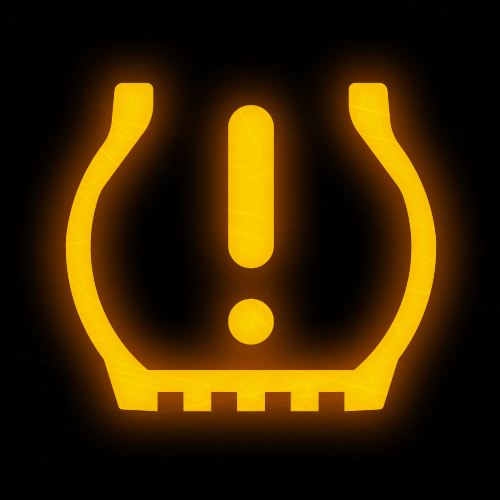
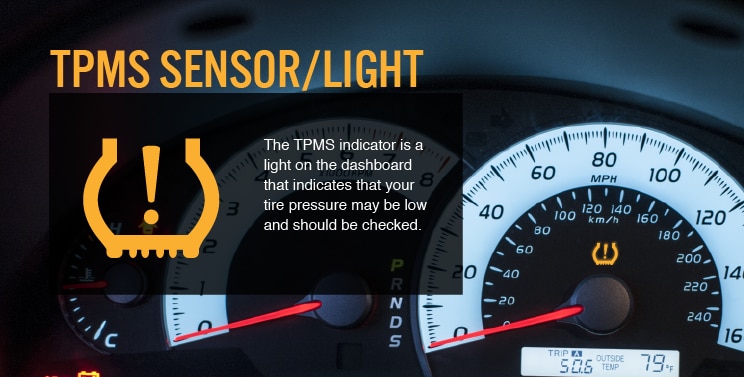
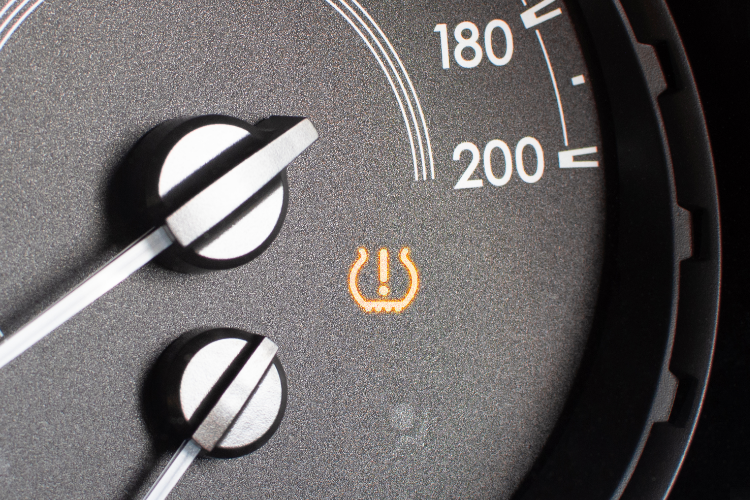
In most U.S. vehicles, the TPMS warning symbol looks like a yellow horseshoe-shaped tire with an exclamation mark in the center. When the light stays on continuously, the system usually detects a pressure issue. When it flashes and then stays illuminated, it often indicates a TPMS malfunction.
Source: Bing
Solid TPMS light
Usually means one or more tires have low pressure and should be checked as soon as possible.
Flashing TPMS light
Often indicates a problem with a TPMS sensor, communication system, or vehicle monitoring system.
How the TPMS Warning System Works
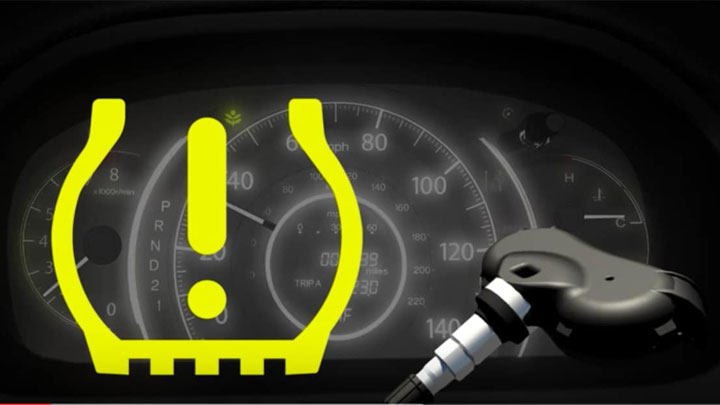
A TPMS uses sensors and vehicle software to monitor tire pressure. Direct TPMS systems use pressure sensors inside the tires, while indirect systems estimate pressure changes using wheel-speed sensors from the anti-lock braking system.
Direct TPMS
Uses physical tire pressure sensors that measure air pressure inside each tire.
Indirect TPMS
Uses wheel rotation data to detect possible pressure differences between tires.
Common Reasons the Tire Pressure Monitor Light Comes On
The most common reason for a TPMS warning light is low tire pressure. Tires naturally lose air over time, and colder weather can reduce tire pressure enough to trigger the warning system.
Other causes include tire damage, recent tire service, sensor battery failure, or problems with the TPMS system itself.
Source: Bing
Low tire pressure
A tire may be below the recommended inflation level because of normal air loss, temperature changes, or a slow leak.
Temperature changes
Cold weather can reduce tire pressure because air contracts as temperatures drop.
Puncture or tire damage
A nail, cut, or damaged valve stem can allow air to escape slowly.
Faulty TPMS sensor
A damaged sensor or depleted sensor battery can prevent accurate pressure readings.
Why the TPMS Light Often Appears in Cold Weather
Many drivers notice the tire pressure warning light during colder months. This happens because tire pressure decreases as outside temperatures fall. A significant temperature drop can lower tire pressure enough for the TPMS to activate.
Recommended action
Check tire pressure when tires are cold and adjust them to the manufacturer’s recommended specification.
What Should You Do When the Tire Pressure Light Comes On?
When the tire pressure monitor light appears, do not ignore it. The safest approach is to inspect tire pressure before continuing normal driving, especially before highway trips or long journeys.
A TPMS warning does not replace regular tire inspections. The system alerts you to pressure changes but may not identify tire damage, uneven wear, or other problems.
Source: Bing
Step 1: Check tire pressure
Use a tire pressure gauge to measure each tire when the tires are cold.
Step 2: Compare pressure readings
Match the readings with the recommended pressure listed on the driver’s door label or owner’s manual.
Step 3: Add air if needed
Inflate tires to the correct pressure and avoid exceeding the recommended limit.
Step 4: Inspect for damage
Look for visible punctures, cuts, bulges, or objects stuck in the tire.
When You Should Stop Driving
You should avoid driving if a tire appears severely deflated, damaged, or unsafe. A tire with very low pressure can overheat and may fail while driving.
Seek professional help
Contact a qualified tire professional if you find major damage or cannot identify why the warning light remains on.
How to Tell the Difference Between Low Tire Pressure and a TPMS Problem
A steady TPMS light usually points toward a tire pressure issue, while a flashing light often suggests a sensor or system problem. However, the exact behavior depends on the vehicle manufacturer and model.
Source: Bing
Light stays on
Check tire pressure first because low inflation is the most common cause.
Light flashes before staying on
The TPMS may need diagnosis because a sensor or communication issue may exist.
A tire may have a slow leak, or the TPMS may require recalibration or repair.
Why the TPMS Light May Stay On After Adding Air
Some vehicles require time or a reset procedure after tire pressure is corrected. If the light remains on after proper inflation, check the owner’s manual for the correct reset process or have the system inspected.
Possible causes
Incorrect pressure, sensor issues, recent tire replacement, or a TPMS calibration requirement.
Common TPMS Mistakes to Avoid
Many drivers treat the tire pressure monitor light as a minor dashboard notification, but incorrect tire pressure can affect vehicle control and tire performance. Avoiding common mistakes helps maintain safer driving conditions.
Source: Bing
Ignoring the warning light
A small pressure issue can become a larger tire problem if left unchecked.
Using the tire sidewall pressure number
The maximum pressure printed on the tire is not always the recommended vehicle inflation pressure.
Checking pressure only after driving
Driving heats tires and changes pressure readings, making cold checks more accurate.
Frequently Asked Questions
Q
Can I drive with the tire pressure monitor light on?
You may be able to drive a short distance if the tires appear normal, but you should check tire pressure as soon as possible. Avoid continuing to drive if a tire is visibly low, damaged, or unsafe.
Q
Does the TPMS light mean I have a flat tire?
Not always. The TPMS light usually means pressure is below the recommended level, but it can also indicate a sensor or system issue.
Q
Why is my tire pressure light on after filling my tires?
The system may need time to update, a TPMS reset, or there may still be a pressure problem or sensor malfunction.
Q
How often should I check tire pressure?
Tire pressure should be checked regularly, including before long trips and when seasonal temperature changes occur.
Q
What does a flashing tire pressure light mean?
A flashing TPMS light often indicates a malfunction with the tire pressure monitoring system rather than only low tire pressure.
✦ Wrapping Up
Conclusion
The tire pressure monitor light is a safety warning designed to alert drivers about possible tire pressure problems or TPMS system issues. In most cases, the correct response is to check tire pressure, adjust it to the recommended level, and inspect for damage.
Understanding what the TPMS warning light means can help prevent avoidable tire problems and improve driving safety. If the warning remains after correcting tire pressure, professional diagnosis may be necessary.
💡 Key Takeaway
When the tire pressure monitor light appears, check your tire pressure first, inspect for damage, and address any continuing warning before relying on normal driving.
Tyron Torres is an automotive diagnostics writer and hands-on vehicle maintenance enthusiast with years of experience troubleshooting brake systems, suspension issues, and everyday car performance problems. He specializes in breaking down complex mechanical issues into simple, practical guides that drivers can use to quickly identify and fix common vehicle faults.
Is Apple CarPlay wireless? Learn how Apple CarPlay works, which cars support wireless CarPlay, how to make wired CarPlay wireless, and common setup issues.
Learn whether tire pressure monitors have batteries, how TPMS sensors are powered, how long batteries last, warning signs of failure, and when replacement is needed.
Can CarPlay be wireless? Learn how wireless Apple CarPlay works, which cars support it, how to convert wired CarPlay, setup steps, limitations, and troubleshooting tips.
Learn how to make wired CarPlay wireless using compatible adapters. This guide explains requirements, setup steps, troubleshooting, limitations, and what to consider before converting your car.
Learn what tire pressure monitor inoperative means, why the TPMS warning appears, common causes, troubleshooting steps, repair options, and when professional service is needed.