Indirect Tire Pressure Monitoring System: How It Works, Benefits, and Limitations
An indirect tire pressure monitoring system detects low tire pressure by analyzing wheel speed and other vehicle data through existing sensors instead of using pressure sensors inside each tire.
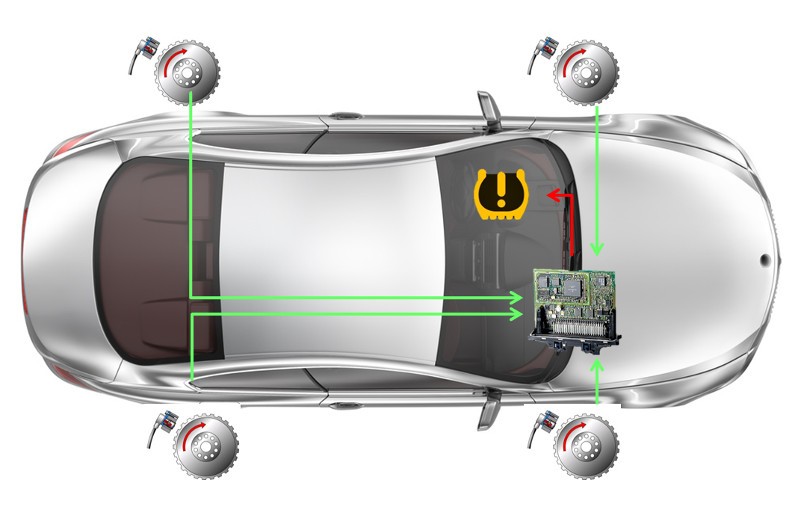
For drivers in the United States, an indirect tire pressure monitoring system is a common safety feature found in many passenger vehicles. Unlike direct TPMS designs that measure air pressure inside each tire, an indirect system uses the vehicle’s anti-lock braking system (ABS) wheel speed sensors to identify changes caused by underinflated tires.
An indirect TPMS does not directly read tire pressure in pounds per square inch (PSI). Instead, it compares rotational differences between tires and looks for patterns that suggest one tire has lost air. This approach reduces hardware complexity but also creates limitations that drivers should understand before relying on the warning system.
Source: Bing
What Is an Indirect Tire Pressure Monitoring System?
An indirect tire pressure monitoring system is a vehicle safety technology that estimates tire pressure changes without installing dedicated pressure sensors inside the tires. It uses existing vehicle sensors, especially ABS wheel speed sensors, to monitor how each tire rotates.
When a tire loses air, its diameter becomes slightly smaller. A smaller tire completes more rotations than properly inflated tires while traveling the same distance. The TPMS computer detects this difference and can alert the driver when the pattern indicates possible underinflation.
Source: Bing
Main components
The system typically uses ABS wheel speed sensors, an electronic control unit, and software algorithms that analyze wheel rotation data.
Primary purpose
The purpose is to warn drivers about possible tire pressure loss before it creates increased wear, reduced fuel efficiency, or handling problems.
How Indirect TPMS Differs From Direct TPMS
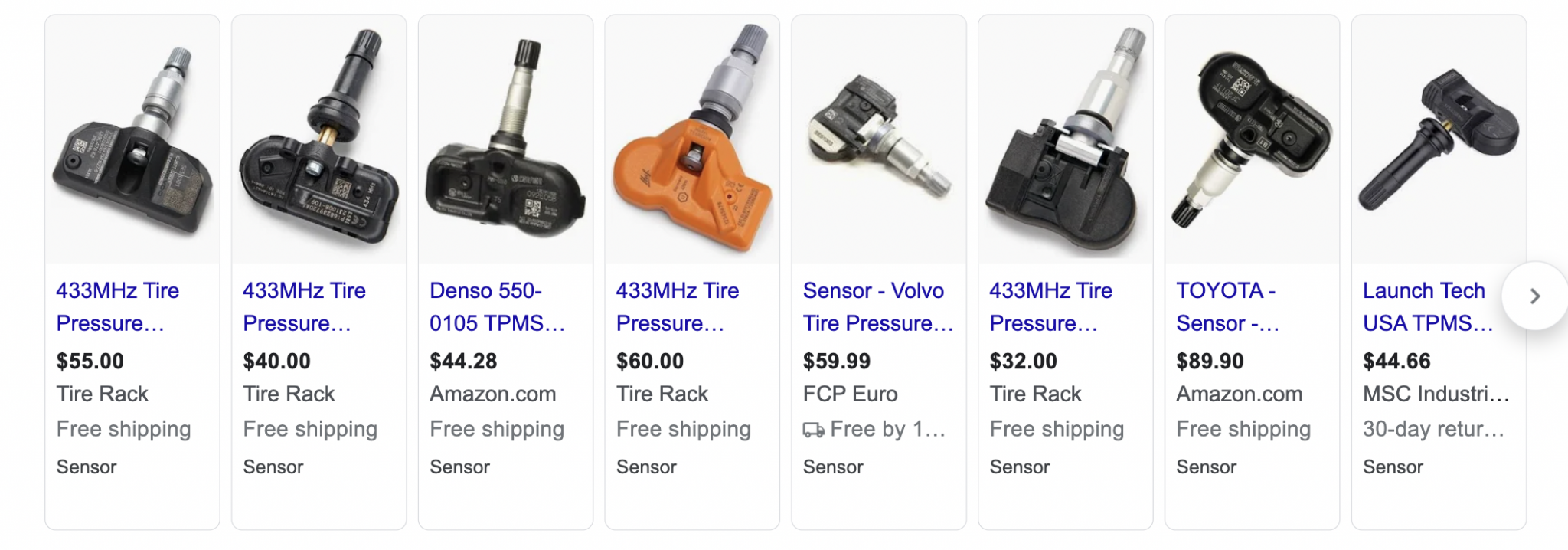
Direct TPMS uses individual pressure sensors mounted inside each wheel to measure actual tire pressure and often temperature. Indirect TPMS does not measure PSI directly and instead calculates possible pressure loss from wheel behavior.
The main trade-off is simplicity versus measurement accuracy. Indirect systems usually have fewer components to maintain, while direct systems provide actual pressure readings.
Indirect TPMS
Uses wheel speed information and software calculations without dedicated tire pressure sensors.
Direct TPMS
Uses battery-powered sensors inside tires to send measured pressure information to the vehicle.
How Does an Indirect Tire Pressure Monitoring System Work?
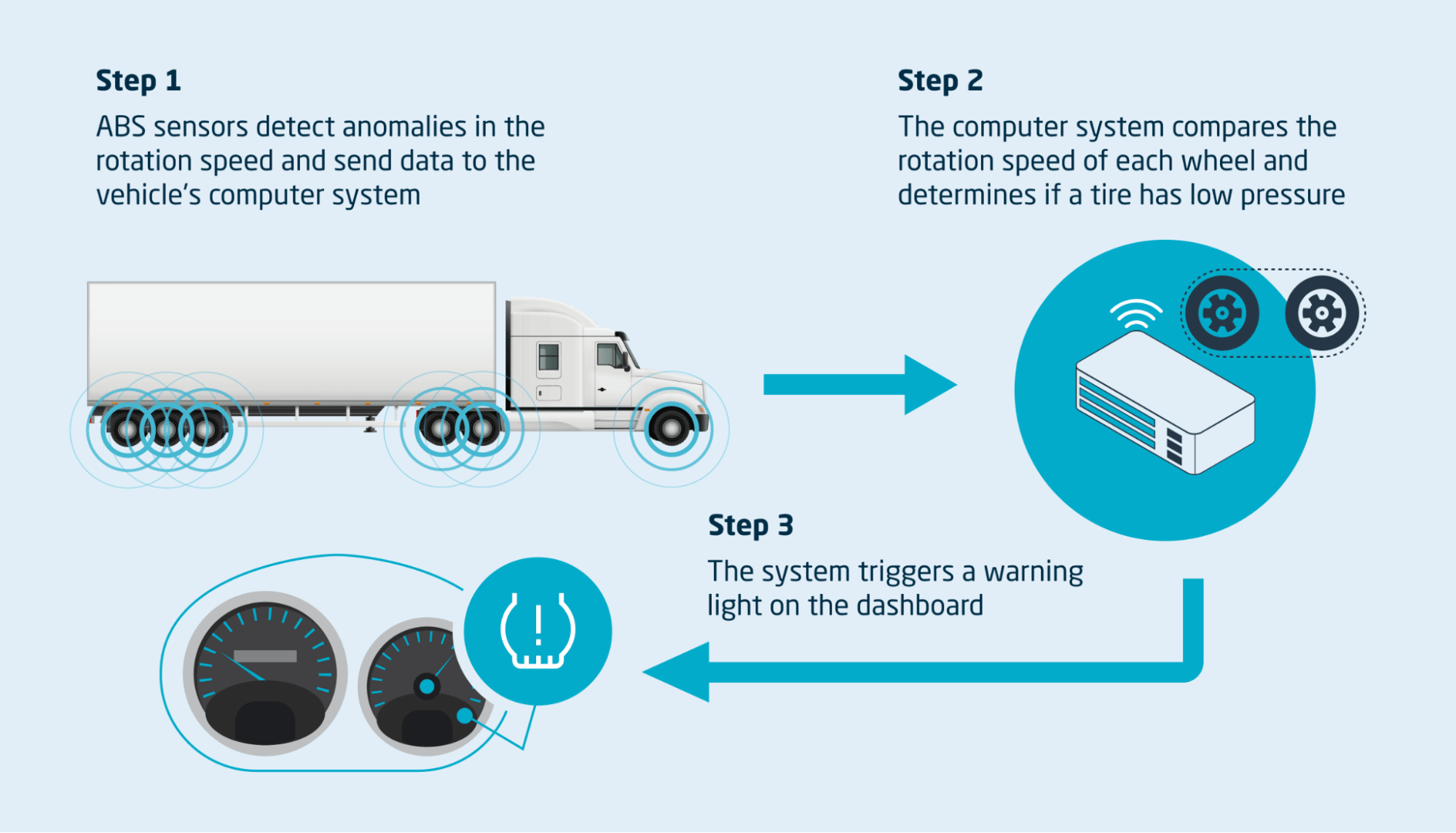
An indirect TPMS works by detecting changes in tire rotation speed. The vehicle computer receives wheel speed data from ABS sensors and compares the behavior of all four wheels.
If one tire becomes underinflated, it has a smaller rolling circumference. The tire must rotate faster than the others to maintain the same vehicle speed. The system recognizes this difference and activates a warning light when the change exceeds programmed limits.
Source: Bing
Step 1: Wheel speed monitoring
ABS sensors continuously measure how quickly each wheel rotates while the vehicle is moving.
Step 2: Data comparison
The vehicle computer compares wheel rotation patterns to identify unusual differences.
Step 3: Driver warning
If the system determines that pressure loss may exist, it turns on the TPMS warning indicator.
Why Tire Size Changes Affect the System
Because indirect TPMS depends on wheel rotation, anything that changes tire circumference can influence system accuracy. Different tire sizes, uneven tread wear, or mismatched tires may affect calculations.
For this reason, many vehicles require a TPMS reset or calibration after adjusting tire pressure, replacing tires, or rotating tires.
Calibration importance
A calibration procedure allows the system to establish a new baseline for properly inflated tires.
Advantages and Limitations of Indirect TPMS
Indirect TPMS provides a practical way to monitor possible tire pressure problems by using sensors already installed in the vehicle. However, the technology has limitations because it estimates pressure loss rather than measuring air pressure directly.
Understanding these strengths and weaknesses helps drivers know when the system can assist them and when manual inspection is still necessary.
Source: Bing
Advantages
Indirect systems generally require fewer specialized components because they use existing ABS sensors instead of individual tire pressure sensors.
Lower maintenance needs
There are no tire-mounted pressure sensor batteries to replace because the system does not use dedicated pressure transmitters.
Limitations
The system may not detect gradual pressure changes quickly and usually cannot display the exact PSI of each tire.
Common Situations Where Indirect TPMS May Struggle
Indirect TPMS performance depends on accurate wheel rotation comparisons. Certain conditions can reduce its ability to identify pressure problems immediately.
Drivers should not assume that the absence of a warning light means every tire is perfectly inflated.
All tires lose pressure equally
If all four tires gradually lose air at a similar rate, rotation differences may be too small for the system to detect.
Incorrect calibration
A system calibrated with incorrect tire pressures may use an inaccurate baseline.
Uneven tire wear
Different tread depths or tire sizes can affect wheel rotation calculations.
How to Maintain an Indirect TPMS System
Maintaining an indirect TPMS mainly involves keeping tires properly inflated and ensuring the system is calibrated according to the vehicle manufacturer’s instructions.
Because the system depends on accurate tire conditions, regular tire checks remain necessary even when the warning light is working correctly.
Source: Bing
Check tire pressure manually
Use a reliable tire pressure gauge regularly and compare readings with the recommended PSI listed on the vehicle information label.
Perform TPMS calibration after tire inflation changes, rotations, or replacements when required by the vehicle manufacturer.
Respond to warning lights
Inspect tire pressure promptly when the TPMS warning indicator appears instead of continuing to drive without checking.
Signs Your Indirect TPMS May Need Attention
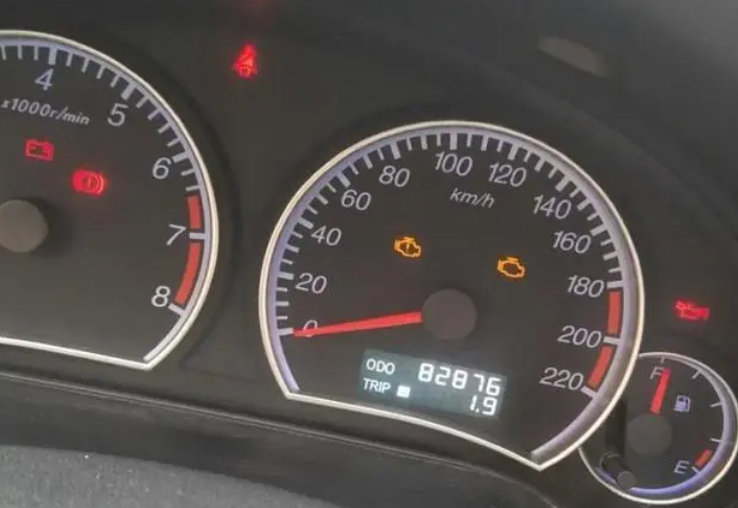
A TPMS warning light that remains on after correcting tire pressure may indicate a calibration issue, sensor-related problem, or another vehicle system fault.
The correct troubleshooting approach is to verify tire pressure first, then follow the vehicle manufacturer’s reset procedure.
Warning light stays on
Possible causes include incorrect pressure, incomplete calibration, or a system malfunction.
False warnings
Incorrect tire sizes or uneven wear may cause inaccurate system calculations.
Indirect TPMS vs Direct TPMS Comparison
Both TPMS types are designed to warn drivers about possible tire pressure problems, but they use different methods. The best choice depends on whether the priority is direct measurement or simpler system design.
Source: Bing
Measurement method
Indirect TPMS estimates pressure changes from wheel speed. Direct TPMS measures pressure using sensors inside each tire.
Pressure display
Direct TPMS can usually provide PSI readings, while indirect TPMS typically only provides a warning.
Maintenance
Indirect systems avoid tire-mounted sensor battery replacement but depend heavily on proper calibration.
Frequently Asked Questions
Q
Does an indirect TPMS measure actual tire pressure?
No. An indirect tire pressure monitoring system does not measure PSI directly. It estimates possible pressure loss by analyzing wheel rotation differences using ABS sensor data.
Q
Can an indirect TPMS detect a slow tire leak?
It may detect a slow leak if the pressure difference becomes large enough to change wheel rotation patterns. However, gradual pressure loss across all tires may be harder for the system to identify.
Q
Why is my TPMS light on after filling my tires?
An indirect TPMS may need to be recalibrated after tire pressure is corrected. If the warning remains, check pressures again and follow the vehicle manufacturer’s reset instructions.
Q
Do indirect TPMS systems need batteries?
No. Indirect TPMS systems usually do not use tire-mounted pressure sensor batteries because they rely on existing vehicle sensors.
Q
Is indirect TPMS reliable for everyday driving?
Indirect TPMS can provide useful warnings when properly maintained, but drivers should continue regular manual tire pressure checks because the system does not replace routine tire care.
✦ Wrapping Up
Conclusion
An indirect tire pressure monitoring system is a safety feature that helps detect possible underinflated tires by analyzing wheel speed differences rather than measuring tire pressure directly. Its design makes it simpler and avoids tire-mounted sensor maintenance, but it also means the system has limits.
For US drivers, the best approach is to use TPMS warnings as an early alert and continue regular tire inspections. Proper inflation, correct calibration, and timely attention to warning lights help ensure the system works as intended.
💡 Key Takeaway
Use your vehicle’s indirect TPMS as a helpful warning tool, but verify tire pressure manually with a gauge and maintain tires according to the vehicle manufacturer’s recommendations.
Tyron Torres is an automotive diagnostics writer and hands-on vehicle maintenance enthusiast with years of experience troubleshooting brake systems, suspension issues, and everyday car performance problems. He specializes in breaking down complex mechanical issues into simple, practical guides that drivers can use to quickly identify and fix common vehicle faults.