Direct Tire Pressure Monitoring System: How It Works, Benefits, and Common Issues
A direct tire pressure monitoring system uses individual sensors installed inside each tire to measure actual air pressure and send real-time pressure information to the vehicle’s monitoring system.
In the United States, a direct tire pressure monitoring system is a common safety feature in modern passenger vehicles, light trucks, and SUVs. Federal regulations require most new passenger vehicles sold in the U.S. to include tire pressure monitoring systems because underinflated tires can affect handling, fuel efficiency, and tire durability.
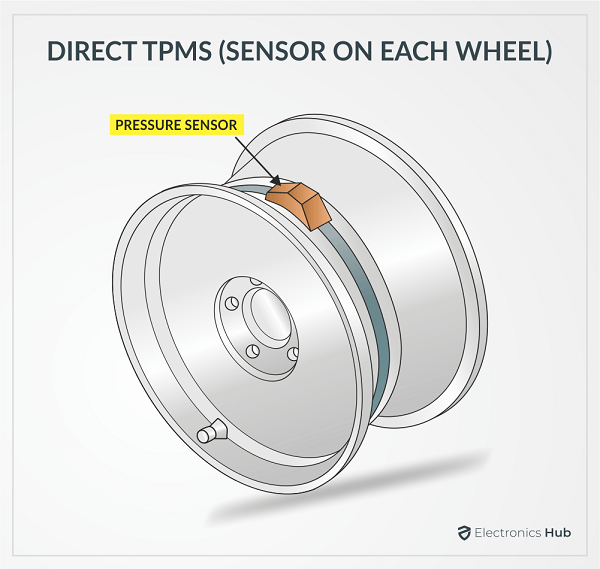
Unlike indirect TPMS systems that estimate pressure changes through wheel speed data from the anti-lock braking system, direct TPMS uses physical pressure sensors mounted on each wheel. These sensors measure tire pressure directly and often transmit temperature and battery information along with pressure readings.
Understanding how direct TPMS works helps U.S. drivers respond correctly when a tire pressure warning light appears, avoid unnecessary sensor replacements, and maintain safer tire performance.
Source: Bing
What Is a Direct Tire Pressure Monitoring System?
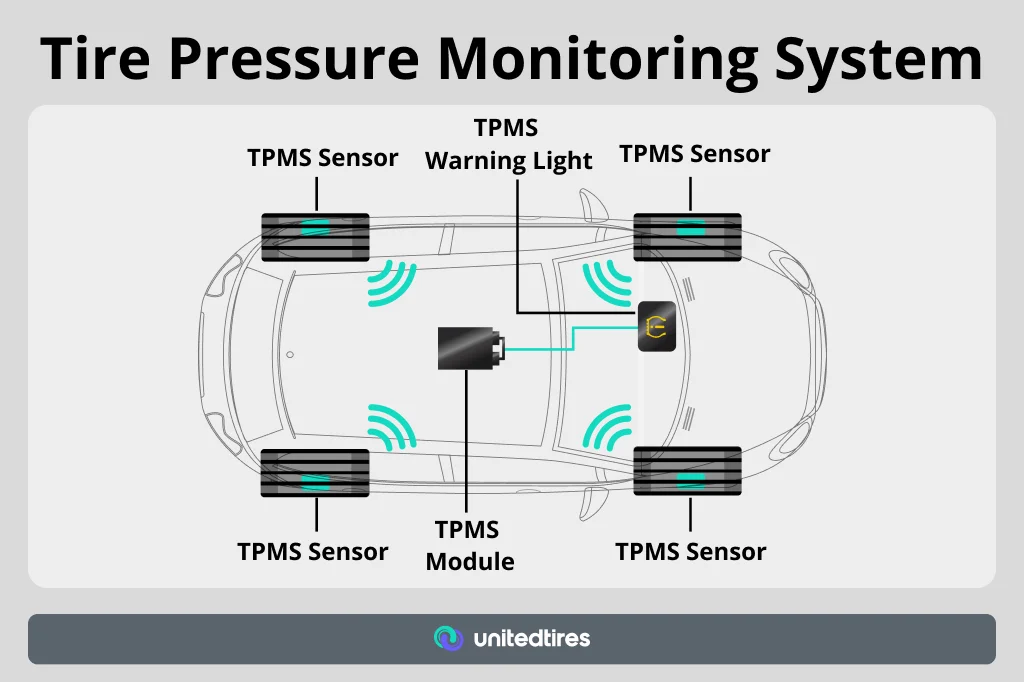
A direct tire pressure monitoring system is a vehicle safety technology that uses dedicated sensors inside each tire to measure the actual air pressure. Each sensor collects pressure data and sends it wirelessly to the vehicle’s TPMS control module, which displays warnings or readings for the driver.
The main purpose of direct TPMS is to alert drivers when one or more tires fall below the recommended pressure level. Maintaining correct tire pressure can support safer handling, reduce uneven tire wear, and help maintain expected fuel economy.
Source: Bing
Direct measurement
The system measures air pressure inside the tire instead of estimating pressure from wheel behavior.
Individual tire monitoring
Each wheel typically has its own sensor, allowing the system to identify pressure problems at specific tires.
Wireless communication
Sensors transmit data through radio frequency signals to the vehicle’s TPMS receiver.
Main Components of a Direct TPMS
A direct TPMS includes several connected parts that work together to measure and communicate tire conditions.
TPMS sensors
Small electronic units mounted inside the tire assembly that measure pressure and often temperature.
TPMS control module
The vehicle computer that receives sensor signals and determines whether a warning should appear.
Dashboard warning system
The display or warning light that informs the driver about possible tire pressure problems.
How Does a Direct Tire Pressure Monitoring System Work?
A direct TPMS works by continuously or periodically measuring tire pressure with sensors installed on each wheel. When pressure changes beyond the vehicle manufacturer’s programmed limit, the system sends a warning to the driver.
The process begins when each sensor measures the air pressure inside its tire. The sensor then sends a radio signal containing pressure information to the vehicle’s receiver. The control unit compares the data with programmed pressure thresholds and activates a warning if a problem is detected.
Source: Bing
Pressure measurement
The sensor detects the current air pressure inside the tire.
Data transmission
The sensor sends information wirelessly to the vehicle’s TPMS computer.
Driver notification
The vehicle displays a warning when pressure falls below the acceptable range.
Direct TPMS vs Indirect TPMS
The primary difference between direct and indirect TPMS is how tire pressure information is obtained. Direct systems use physical sensors, while indirect systems calculate possible pressure loss by analyzing wheel speed differences.
Direct TPMS
Provides actual pressure measurements from sensors inside the tires.
Indirect TPMS
Uses existing vehicle systems such as ABS wheel speed sensors to estimate pressure changes.
Benefits of a Direct Tire Pressure Monitoring System
Direct TPMS provides several practical advantages because it measures tire pressure directly rather than relying on estimates. The system helps drivers identify pressure problems before they become more serious.
However, TPMS should be considered a warning tool, not a replacement for regular tire maintenance. Drivers still need to check tire condition, tread wear, and inflation levels manually when required.
Source: Bing
More accurate pressure information
Direct sensors provide real pressure measurements from individual tires.
Early warning of pressure loss
The system can alert drivers before a severely underinflated tire creates additional risks.
Better maintenance decisions
Knowing which tire has low pressure makes inspections and corrections easier.
What Direct TPMS Cannot Detect
A direct tire pressure monitoring system mainly measures pressure-related conditions. It does not replace a complete tire inspection and may not detect every type of tire problem.
Tire damage
Cuts, punctures, sidewall damage, and tread problems require physical inspection.
Incorrect tire installation
TPMS cannot confirm whether a tire was mounted correctly.
Tire age
Drivers must check tire age and condition separately.
Common Direct TPMS Problems and Troubleshooting Steps
When a TPMS warning light appears, the cause may be simple low tire pressure or a more complex sensor-related issue. Checking the safest and easiest possibilities first can prevent unnecessary repairs.
Source: Bing
Low tire pressure
Check all tires with an accurate gauge and inflate them according to the vehicle manufacturer’s recommended pressure.
Temperature changes
Cold weather can reduce tire pressure and trigger warnings even without a puncture.
Weak sensor battery
Many TPMS sensors contain sealed batteries that eventually stop working.
Sensor relearning required
Some vehicles require TPMS programming after tire rotation, sensor replacement, or wheel changes.
Signs of a Failing TPMS Sensor
A failing TPMS sensor may show warning signs beyond normal low-pressure alerts.
Persistent warning light
The TPMS light remains on after tire pressures are corrected.
Missing tire information
The vehicle cannot display data from one or more sensors.
Incorrect readings
Displayed pressure values may not match actual measurements.
Direct TPMS Maintenance and Replacement Considerations
Direct TPMS sensors require little routine maintenance, but they may eventually need replacement because their internal batteries have a limited service life. Battery replacement is often not practical because many sensors are sealed units.
When replacing tires or sensors, the correct sensor type, vehicle compatibility, and programming requirements should be confirmed before installation.
Source: Bing
Check during tire service
Have TPMS sensors inspected during tire replacement or wheel service.
Use compatible sensors
Sensors must match the vehicle’s communication system and specifications.
Complete programming when required
Some vehicles need sensor registration before accurate readings appear.
Frequently Asked Questions
Q
How accurate is a direct tire pressure monitoring system?
A direct TPMS generally provides accurate tire pressure measurements because it uses sensors inside each tire. Accuracy can vary depending on sensor condition, calibration, temperature, and vehicle design.
Q
Does a direct TPMS sensor have a battery?
Yes, most direct TPMS sensors contain built-in batteries. These batteries typically last several years, but the exact lifespan depends on usage, sensor design, and driving conditions.
Q
Can I drive with the TPMS warning light on?
A TPMS warning light should not be ignored. Check tire pressure as soon as possible because driving with underinflated tires can affect vehicle control and tire performance.
Q
Does rotating tires affect direct TPMS?
Tire rotation may require a TPMS relearn procedure on some vehicles because the system needs to recognize the new sensor positions.
Q
Is direct TPMS better than indirect TPMS?
Direct TPMS provides actual pressure measurements, while indirect TPMS estimates pressure changes. The better system depends on vehicle design, cost considerations, and the driver’s needs.
✦ Wrapping Up
Conclusion
A direct tire pressure monitoring system helps improve vehicle safety by measuring tire pressure through sensors installed in each wheel. Its ability to provide actual pressure data makes it a valuable tool for identifying low-pressure conditions early.
Although direct TPMS reduces the chance of unnoticed tire pressure problems, it does not replace regular tire inspections. Drivers should continue checking inflation levels, tire condition, and manufacturer recommendations to maintain safe operation.
💡 Key Takeaway
When a TPMS warning appears, check tire pressure first, inspect the tires for visible issues, and seek professional diagnosis if the warning remains after proper inflation.
Tyron Torres is an automotive diagnostics writer and hands-on vehicle maintenance enthusiast with years of experience troubleshooting brake systems, suspension issues, and everyday car performance problems. He specializes in breaking down complex mechanical issues into simple, practical guides that drivers can use to quickly identify and fix common vehicle faults.
Learn why your transmission whining noise at low speed happens, signs to watch, and quick fixes to save money. Expert tips to diagnose and fix it fast.
Learn what causes a tire pressure monitor problem, how TPMS works, warning signs, troubleshooting steps, reset methods, and when professional repair is needed.