What Is Car Polish? A Complete Guide to How It Works, Benefits, and Proper Use
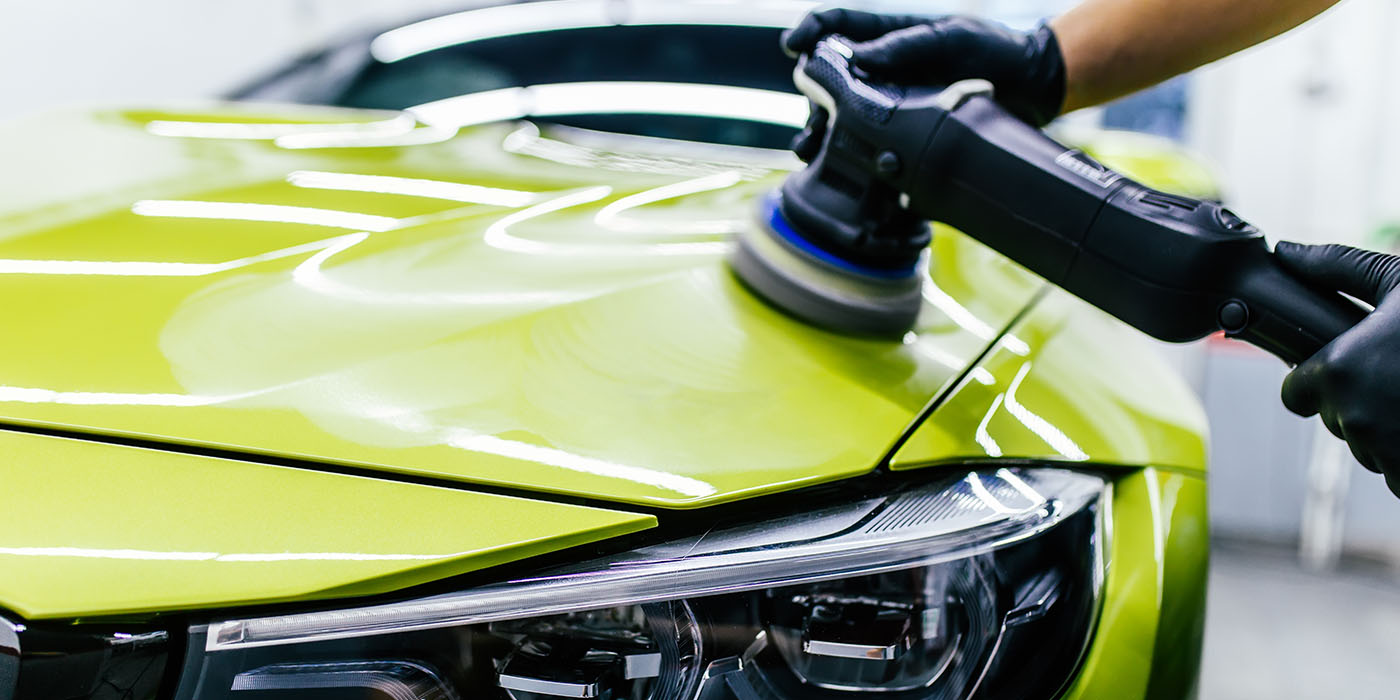
Car polish is an abrasive detailing product used to remove minor paint imperfections, smooth the clear coat surface, and restore gloss by leveling a thin layer of damaged or uneven paint.
For vehicle owners across the United States, car polish is a common part of automotive detailing because daily driving exposes paint to road debris, weather conditions, automatic car washes, and environmental contaminants. Car polish helps improve the appearance of a vehicle by correcting surface-level defects instead of simply covering them.
Unlike car wax, which mainly adds a protective layer, car polish works by using fine abrasives or chemical cleaners to refine the paint surface. When used correctly, it can reduce the appearance of swirl marks, oxidation, light scratches, and dullness while creating a smoother surface for protective products such as wax or paint sealants.
Source: Bing
What Is Car Polish and How Does It Work?
Car polish is a liquid, cream, or compound-based automotive detailing product designed to refine a vehicle’s painted surface. Most polishes contain microscopic abrasives that remove extremely small amounts of clear coat to create a flatter, smoother surface.
Modern vehicles usually have a clear coat layer over the colored paint. Over time, this clear coat develops imperfections such as swirl marks, oxidation, water spots, and light scratches. Car polish works by reducing these irregularities so light reflects more evenly, making the paint look cleaner and shinier.
Source: Bing
Surface correction
Polish levels tiny imperfections in the clear coat rather than simply hiding them with oils or fillers.
Gloss improvement
A smoother paint surface reflects light more consistently, creating a brighter finish.
Preparation step
Polishing creates a cleaner surface that helps protective coatings bond more effectively.
What Does Car Polish Remove?
Car polish can reduce the appearance of many minor paint defects, but it cannot remove every type of damage. Deep scratches that extend through the clear coat into the color layer or primer usually require professional repair.
Swirl marks
Fine circular marks commonly caused by improper washing or drying methods.
Light scratches
Small surface scratches that remain within the clear coat may be reduced with the correct polishing product.
Oxidation
Faded or chalky paint caused by environmental exposure can often be improved with appropriate polishing.
Car Polish vs Car Wax: What Is the Difference?
Car polish and car wax serve different purposes. Polish is mainly used for paint correction, while wax is used after polishing to add a protective barrier and enhance shine.
A vehicle may look glossy after waxing, but wax generally does not remove surface imperfections. If paint has swirl marks or oxidation, polishing is usually the corrective step before applying wax.
Source: Bing
Car polish
Corrects minor paint defects by refining the surface.
Car wax
Adds a temporary protective layer that helps shield the paint from contaminants.
Best approach
Clean, polish when needed, then protect the surface with wax or another protective product.
Can You Use Wax Without Polishing?
Yes. A vehicle with healthy paint and minimal imperfections may only need regular washing and protection. Polishing is typically used when the goal is improving paint clarity or correcting visible defects.
Newer vehicles
May not require frequent polishing if the paint remains in good condition.
Older vehicles
May benefit from occasional polishing to restore a smoother appearance.
Types of Car Polish and When to Use Them
Different car polishes provide different levels of correction. Choosing the right product depends on the condition of the paint and the amount of material that needs to be removed.
Using the least aggressive product that achieves the desired result is generally recommended because clear coat removal is permanent and cannot be restored through polishing.
Source: Bing
Finishing polish
Designed for minor imperfections and improving paint clarity after heavier correction.
Medium polish
Used for moderate swirl marks and visible surface defects.
Compound polish
More aggressive products intended for heavier defects and often followed by a finishing polish.
Hand Polishing vs Machine Polishing
Hand polishing offers more control and is suitable for small areas or light correction. Machine polishing can provide more consistent results and faster correction but requires proper technique to avoid paint damage.
Hand application
A safer option for beginners because less correction power is applied.
Orbital polisher
A popular machine option that can improve efficiency while reducing some risks compared with more aggressive tools.
How to Use Car Polish Correctly
Proper preparation is essential before polishing a vehicle. Dirt and contamination left on the surface can create additional scratches during the polishing process.
The process involves cleaning the paint, selecting the correct polish, applying controlled pressure, and inspecting the results before adding protection.
Source: Bing
Wash the vehicle
Remove dirt, dust, and road contaminants before polishing.
Inspect the paint
Identify scratches, oxidation, and other defects to choose the correct polishing approach.
Apply polish carefully
Work in small sections and avoid excessive pressure or repeated passes in one area.
Protect the paint
Apply wax, sealant, or another protective product after polishing when appropriate.
Signs That Car Polishing Was Successful
A successful polishing process usually produces a smoother surface, improved reflection, reduced visible swirl marks, and a cleaner overall appearance.
Improved reflection
Light appears clearer because surface irregularities have been reduced.
Smoother touch
The paint feels more uniform after proper correction.
Common Car Polishing Mistakes to Avoid
Car polishing can improve paint appearance, but incorrect methods may cause unnecessary clear coat wear or uneven results. Understanding common mistakes helps protect the vehicle finish.
Source: Bing
Polishing a dirty vehicle
Contaminants on the paint can create additional scratches during polishing.
Using too aggressive a product
Heavy correction products remove more clear coat and should only be used when necessary.
Skipping protection afterward
Freshly polished paint may need protection because polishing itself does not create a durable protective layer.
Expecting polish to fix deep damage
Deep scratches, peeling clear coat, and major paint failure often require professional repair.
When Should You Avoid Polishing?
Avoid polishing when the paint surface has severe damage, exposed metal, failing clear coat, or other conditions where removing more material could worsen the problem.
Damaged clear coat
Peeling or cracking clear coat usually requires repair rather than polishing.
Very thin paint
Repeated correction may reduce remaining protection and should be approached carefully.
Frequently Asked Questions
Q
Does car polish remove scratches?
Car polish can reduce the appearance of minor scratches that are limited to the clear coat. Deeper scratches that reach the paint color or primer usually require repair methods beyond polishing.
Q
How often should you polish a car?
The frequency depends on paint condition, driving environment, washing habits, and previous polishing history. Because polishing removes a small amount of clear coat, it should not be performed unnecessarily.
Q
Does car polish protect paint?
Car polish improves the paint surface but does not provide long-term protection. A separate protective product such as wax, sealant, or coating is normally used afterward.
Q
Can beginners polish a car at home?
Beginners can polish a car at home by using suitable products, proper preparation, and careful technique. Starting with a mild polish and practicing on a small area can help reduce mistakes.
Q
Is car polish the same as rubbing compound?
No. Rubbing compounds are generally more aggressive and designed for heavier correction, while many polishes are intended for lighter refinement and finishing.
✦ Wrapping Up
Conclusion
Car polish is a paint correction product that helps improve a vehicle’s appearance by refining the clear coat surface and reducing minor imperfections. It is different from wax because polish corrects the surface while wax mainly protects it.
Choosing the right polish and using proper preparation techniques are essential for safe results. For most vehicle owners, the best approach is to assess the paint condition first, use the least aggressive correction method needed, and protect the finish afterward.
💡 Key Takeaway
Before polishing your car, inspect the paint condition, choose a suitable polish for the level of correction needed, and remember that polishing improves appearance but does not replace paint protection.
Tyron Torres is an automotive diagnostics writer and hands-on vehicle maintenance enthusiast with years of experience troubleshooting brake systems, suspension issues, and everyday car performance problems. He specializes in breaking down complex mechanical issues into simple, practical guides that drivers can use to quickly identify and fix common vehicle faults.
Learn what an indirect tire pressure monitoring system is, how it works without pressure sensors, its advantages, limitations, and common troubleshooting tips for US drivers.