Car Wax or Car Polish: Which One Does Your Car Need?
Car polish removes minor paint imperfections, while car wax protects the paint and adds shine. Most vehicles benefit from polishing only when needed and waxing after the paint is clean and prepared.
For drivers across the United States, choosing between car wax or car polish depends on the condition of the vehicle’s paint rather than simply wanting a shinier finish. A daily commuter exposed to road salt, UV rays, rain, dust, and automatic car washes may need a different approach than a garage-kept vehicle with well-maintained paint.
Car polish and car wax serve different purposes. Polish contains mild abrasives or cleaning agents that can reduce the appearance of swirl marks, oxidation, and surface imperfections by refining the clear coat. Wax does not correct paint defects; instead, it creates a protective layer that helps improve gloss and reduce exposure to environmental contaminants.
Understanding when to polish, when to wax, and when to use both helps prevent unnecessary paint wear while keeping your vehicle looking clean and protected.
Source: Bing
What Is the Difference Between Car Wax and Car Polish?
The main difference between car wax and car polish is their function. Car polish works on the paint surface to improve defects, while car wax sits on top of the paint to provide protection and gloss.
Although the products are often mentioned together, they are not interchangeable. Using wax on damaged paint may improve shine temporarily, but it will not remove scratches, swirl marks, or oxidation. Using polish without protection may leave freshly refined paint more exposed to contaminants.
Source: Bing
Car polish
A surface-refining product that can remove or reduce minor imperfections such as light scratches, swirl marks, oxidation, and dullness.
Car wax
A protective coating product that enhances gloss and helps shield paint from dirt, moisture, and environmental exposure.
How Car Polish Works
Car polish uses abrasive particles or chemical cleaners to level small irregularities in the clear coat. By smoothing the upper paint surface, polish can help light reflect more evenly and make the finish appear clearer.
Best used for
Vehicles with faded paint, swirl marks, light oxidation, or a rough-looking finish.
Important limitation
Polish cannot repair deep scratches that extend through the clear coat or paint layers.
How Car Wax Works
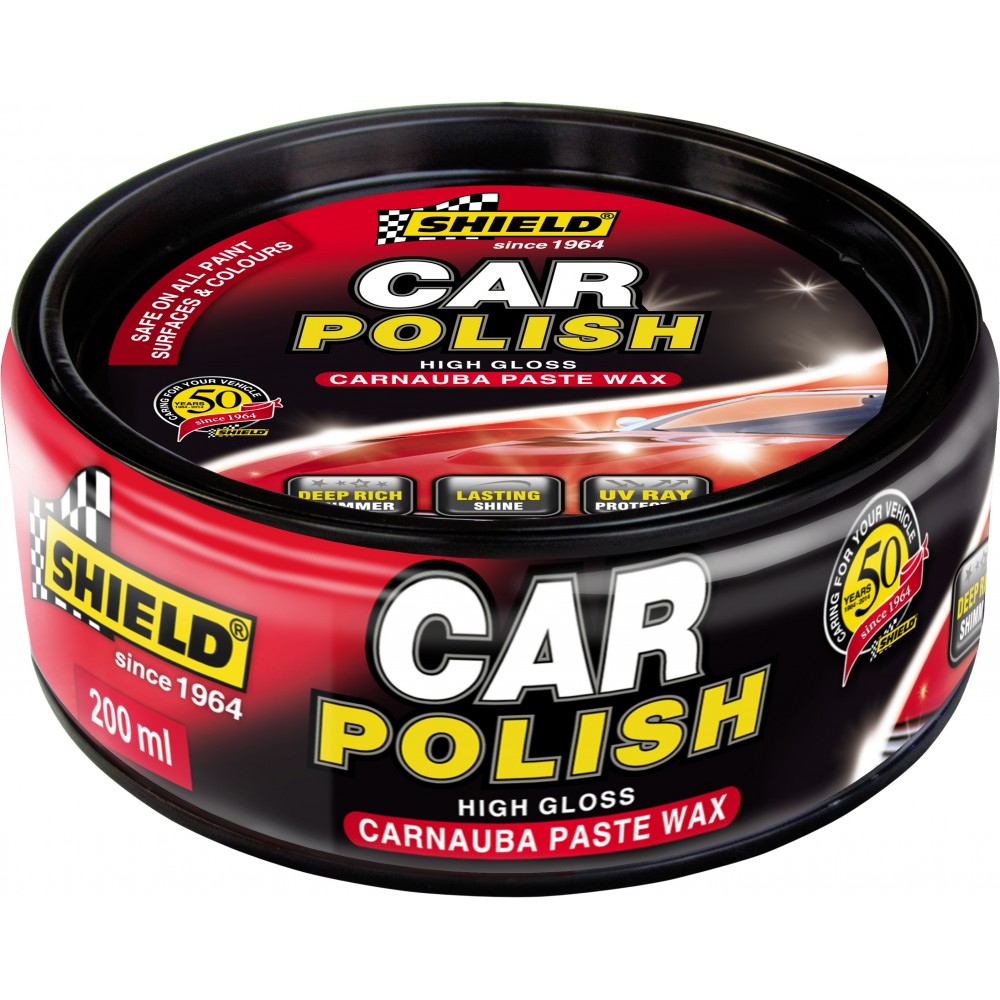
Car wax creates a temporary protective layer over the paint surface. Traditional waxes often contain natural carnauba wax or synthetic ingredients designed to improve water behavior and surface shine.
Best used for
Maintaining clean, healthy paint and adding a glossy finish after washing or polishing.
Important limitation
Wax does not remove paint defects or permanently prevent all environmental damage.
Should You Wax or Polish Your Car First?
If your vehicle needs both paint correction and protection, polishing should come before waxing. The reason is that polish needs direct contact with the paint surface to refine imperfections, while wax works best as the final protective step.
A typical detailing process starts with washing and drying the vehicle, checking the paint condition, polishing if needed, and applying wax after the surface has been cleaned and prepared.
Source: Bing
Step 1: Wash the vehicle
Remove dirt, dust, and contaminants that could interfere with polishing or create additional scratches.
Step 2: Inspect the paint
Look for swirl marks, oxidation, dull areas, or scratches that determine whether polishing is necessary.
Step 3: Polish if required
Use an appropriate polish method based on the severity of paint imperfections.
Step 4: Apply wax
Protect the finished surface with wax after polishing or whenever paint protection is needed.
Car Wax vs Car Polish Comparison Table
The best choice depends on your vehicle’s current paint condition and your goal. This comparison shows how each product fits into a car care routine.
Source: Bing
For removing imperfections
Car polish is the better option because it works on the paint surface.
For adding protection
Car wax is the better option because it adds a protective layer.
For routine maintenance
Regular washing and occasional waxing are usually enough for vehicles with healthy paint.
Choosing Based on Your Car’s Condition
A newer vehicle with good paint may only need washing and waxing. An older vehicle with faded or dull paint may require polishing before protection can be restored.
New or well-maintained paint
Focus on protection with wax and proper washing techniques.
Dull or lightly damaged paint
Consider polishing before applying wax.
Common Mistakes When Using Car Wax or Polish
Incorrect use of wax or polish can reduce results and may even harm the paint finish. Understanding common mistakes helps protect your vehicle.
Source: Bing
Using wax to hide serious paint damage
Wax can improve gloss temporarily but cannot repair deep scratches or major oxidation.
Polishing too frequently
Many polishing products remove a small amount of clear coat, so unnecessary polishing should be avoided.
Applying products on dirty paint
Dirt and debris can create additional marks during application.
Working in direct sunlight
Heat can make products dry too quickly and make application more difficult.
How Often Should You Polish or Wax a Car?
Waxing frequency depends on the product type, weather exposure, washing habits, and vehicle storage conditions. Many drivers apply wax periodically as part of routine maintenance, while polishing is generally performed less often because it affects the clear coat surface.
Vehicles exposed to harsh conditions such as winter road salt, strong sunlight, frequent outdoor parking, or heavy contamination may require more attention than cars stored indoors.
Source: Bing
Waxing
Usually performed as needed to maintain paint protection and appearance.
Polishing
Performed when visible paint imperfections require correction rather than on a fixed schedule.
Frequently Asked Questions
Q
Is car wax better than car polish?
Neither product is better because they perform different jobs. Polish improves paint appearance by correcting minor imperfections, while wax protects the surface and adds shine.
Q
Can I use car wax without polishing?
Yes. If your paint is already smooth and in good condition, waxing alone can help maintain protection and gloss.
Q
Does car polish remove scratches?
Car polish may reduce the appearance of light scratches and swirl marks, but deeper scratches may require professional paint correction or repair.
Q
How long does car wax last?
Wax durability varies depending on the formula, weather conditions, washing methods, and vehicle storage. It should be reapplied when protection and water behavior noticeably decrease.
Q
Can I apply wax after polishing my car?
Yes. Applying wax after polishing is a common approach because the polish improves the surface and the wax adds a protective layer.
✦ Wrapping Up
Conclusion
Choosing between car wax or car polish depends on what your vehicle needs. If the paint has swirl marks, oxidation, or dullness, polishing may improve the finish. If the paint is already healthy, waxing can help maintain shine and protection.
For many car owners, the most effective routine is to clean the vehicle properly, polish only when necessary, and use wax as a protective finishing step.
💡 Key Takeaway
Inspect your car’s paint condition first: use polish for surface improvement and wax for ongoing protection.
Tyron Torres is an automotive diagnostics writer and hands-on vehicle maintenance enthusiast with years of experience troubleshooting brake systems, suspension issues, and everyday car performance problems. He specializes in breaking down complex mechanical issues into simple, practical guides that drivers can use to quickly identify and fix common vehicle faults.
Learn how wireless CarPlay screen mirroring works, what devices support it, how to set it up, common problems, and what to consider before using a wireless car screen solution.