A battery maintainer for a car battery keeps charge steady without overcharging a healthy battery.
A battery maintainer for a car battery is a smart tool for vehicles that sit unused, including classic cars, seasonal cars, motorcycles, and emergency vehicles. Unlike a basic charger, it checks battery voltage and adjusts its output as needed. This guide explains how maintainers work, when to use one, how to choose safely, and which mistakes can shorten battery life.
What Is a Battery Maintainer for a Car Battery?
A battery maintainer is a small electronic device that keeps a 12-volt car battery near its proper charge level. It sends a low, controlled current into the battery when needed. When the battery reaches a suitable voltage, the maintainer reduces or stops charging.
This process is often called float charging or smart maintenance charging. Think of it as a slow drip of water that prevents a glass from becoming empty without overflowing it.
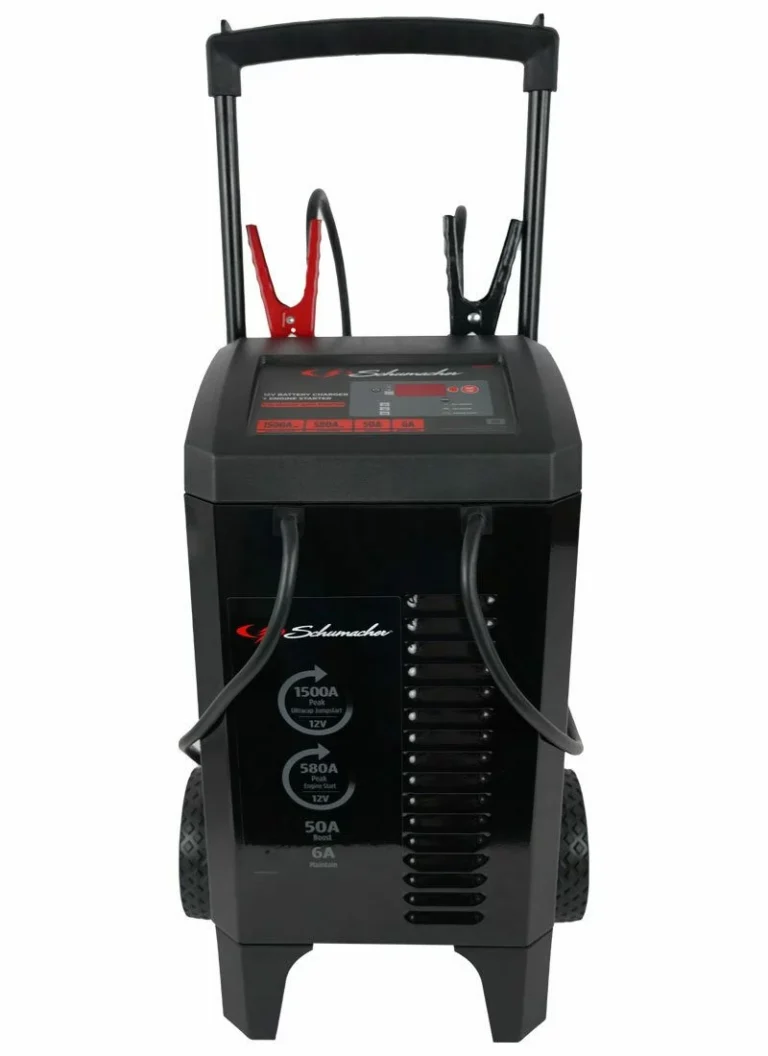
A battery maintainer for a car battery is different from a standard battery charger. A charger may provide a strong current to refill a low battery. A maintainer is designed for long-term connection after the battery is already mostly charged.
Most modern maintainers use several charging stages:
• Bulk charging adds more current when the battery needs it.
• Absorption charging slowly finishes the charge.
• Float charging holds the battery at a safe level.
• Monitoring pauses and restarts charging as battery voltage changes.
A good maintainer may also include reverse-polarity protection, short-circuit protection, temperature compensation, and automatic shutoff. These features help reduce risk, but they do not replace careful setup.

How Does a Battery Maintainer Work?
A battery maintainer watches the battery’s voltage and charging response. It does not simply push electricity into the battery at one fixed rate. Instead, its internal circuit changes the charge level based on what the battery needs.
When a battery loses charge through natural self-discharge or the vehicle’s small electrical loads, the maintainer supplies a little power. When the battery is full, it drops to a very low maintenance current.
This matters because lead-acid batteries can suffer from overcharging. Too much charge for too long may cause heat, water loss, corrosion, or damage to the battery plates. A smart battery maintainer for a car battery helps prevent these problems by regulating its output.
Some devices use a pulse or desulfation mode. This mode may help reduce certain forms of sulfate buildup on lead-acid battery plates. However, it cannot restore every weak or damaged battery. A battery with a shorted cell, cracked case, or severe internal damage usually needs replacement.
A maintainer also cannot fix a mechanical problem. If a car has a parasitic drain from a faulty alarm, light, computer module, or accessory, the device may keep the battery alive while hiding the real fault.
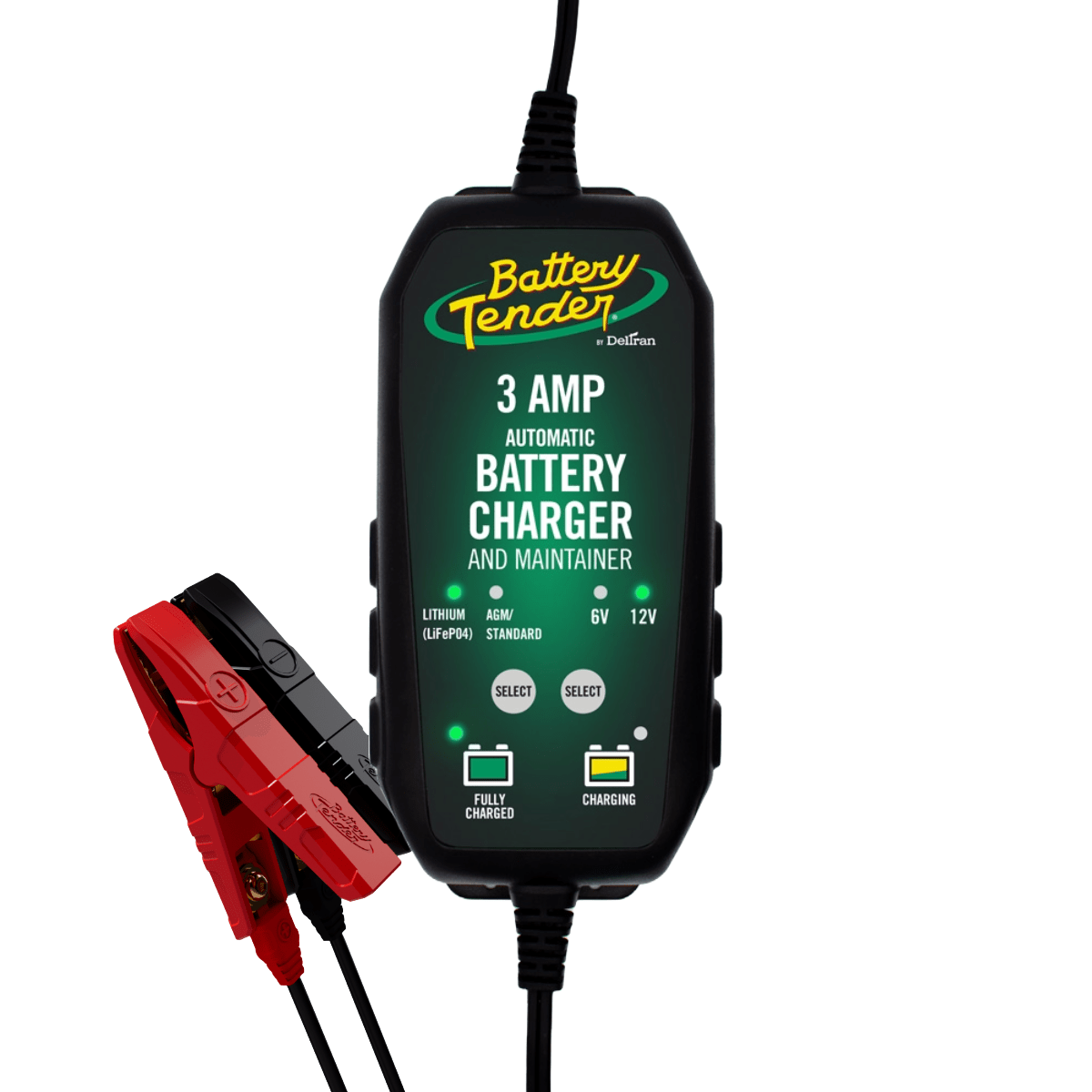
Battery Maintainer vs. Battery Charger
The terms charger and maintainer are often used together, but they serve different purposes.
A battery charger is best when the battery needs a significant amount of energy. A battery maintainer is best when the battery is already charged and needs support during storage or long periods of nonuse.
| Feature | Battery charger | Battery maintainer |
|---|---|---|
| Main purpose | Recharges a low battery | Holds a healthy battery at a proper level |
| Typical current | Moderate to high | Low and controlled |
| Long-term connection | Depends on the model | Designed for long-term use |
| Automatic monitoring | Some models | Common on smart models |
| Best use | Recovery and regular charging | Storage and standby protection |
A smart charger may include a maintenance mode, which means one device can perform both jobs. Always read the product instructions. Some low-cost chargers should not remain connected for weeks.
A battery maintainer for a car battery is not the same as a jump starter. A jump starter provides a short burst of power to start an engine. It does not keep the battery charged after the vehicle is parked.
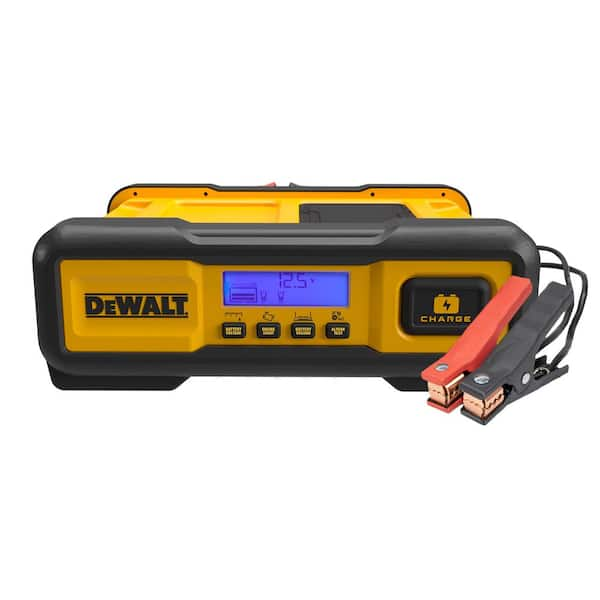
Why Use a Battery Maintainer for a Car Battery?
A parked vehicle can slowly lose battery power even when the engine is off. Modern vehicles use small amounts of electricity for computers, security systems, keyless entry, clocks, and memory settings. Battery self-discharge also occurs naturally over time.
A battery maintainer for a car battery can help in these situations:
• A classic car is stored during winter.
• A convertible is used only on sunny weekends.
• A work truck sits unused for several weeks.
• An RV or boat vehicle remains parked between trips.
• A second family car is driven only occasionally.
• A vehicle is kept in a garage during a long vacation.
• A lawn tractor or utility vehicle shares the same battery storage needs.
Keeping a battery charged can also reduce deep discharges. Repeated deep discharge may shorten the life of many lead-acid batteries. The exact effect depends on battery type, age, temperature, condition, and use.
In practical service work, one of the most common avoidable mistakes is allowing a vehicle to sit until the starter only clicks. A maintainer helps prevent that surprise, especially before a holiday trip or the first cold morning of the season.
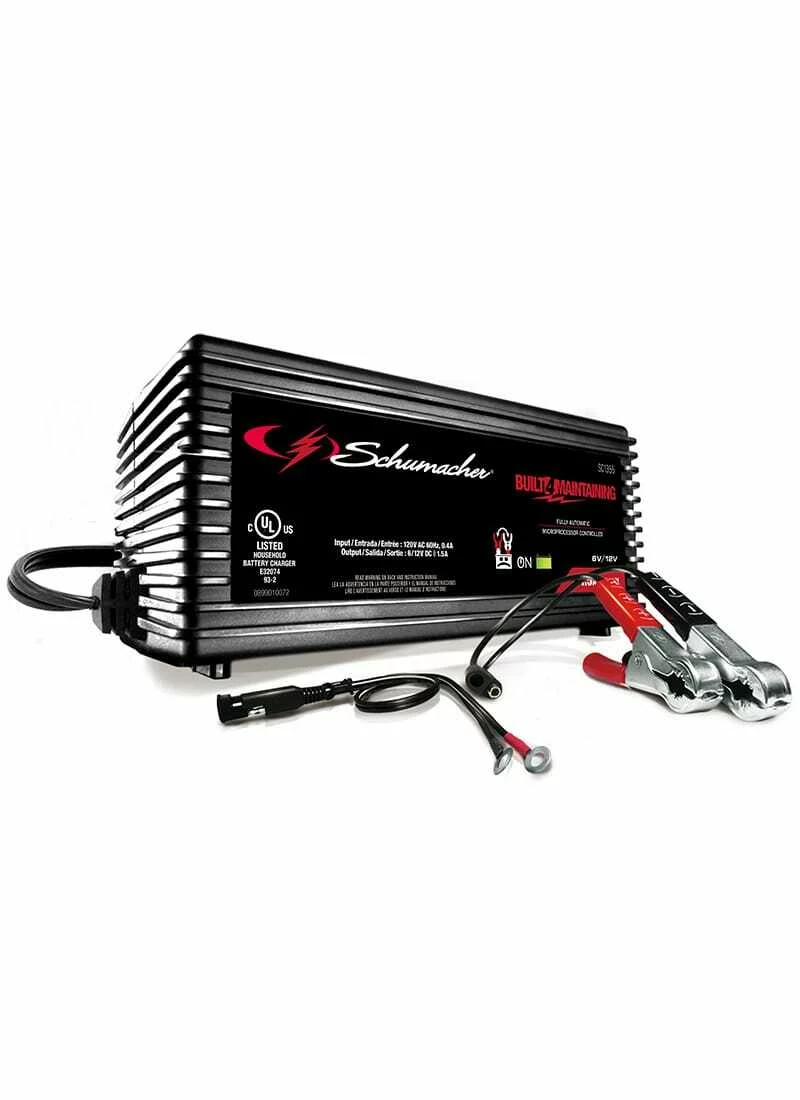
Benefits and Limitations
A battery maintainer offers several clear benefits, but it is not a cure-all device.
Main benefits
• It helps keep a stored battery ready to start.
• It can reduce discharge caused by normal standby loads.
• It may extend battery service life when used correctly.
• It reduces the need for repeated jump-starts.
• It is useful for seasonal and rarely driven vehicles.
• It uses little power compared with repeatedly charging a dead battery.
• It can maintain some AGM and gel batteries when the device supports those types.
The biggest benefit is convenience. You connect the maintainer, confirm the indicator shows the correct mode, and let the device monitor the battery.
Important limitations
• It cannot repair a battery with internal damage.
• It may not overcome a serious parasitic drain.
• It does not replace correct battery testing.
• It may be unsafe for a damaged, leaking, or frozen battery.
• A model made for lead-acid batteries may not suit lithium batteries.
• Some maintainers are too weak to recharge a deeply discharged battery.
A small maintainer may take many hours or days to recover a low battery. If the battery is completely flat, use a suitable charger first, or have the battery tested by a qualified technician.
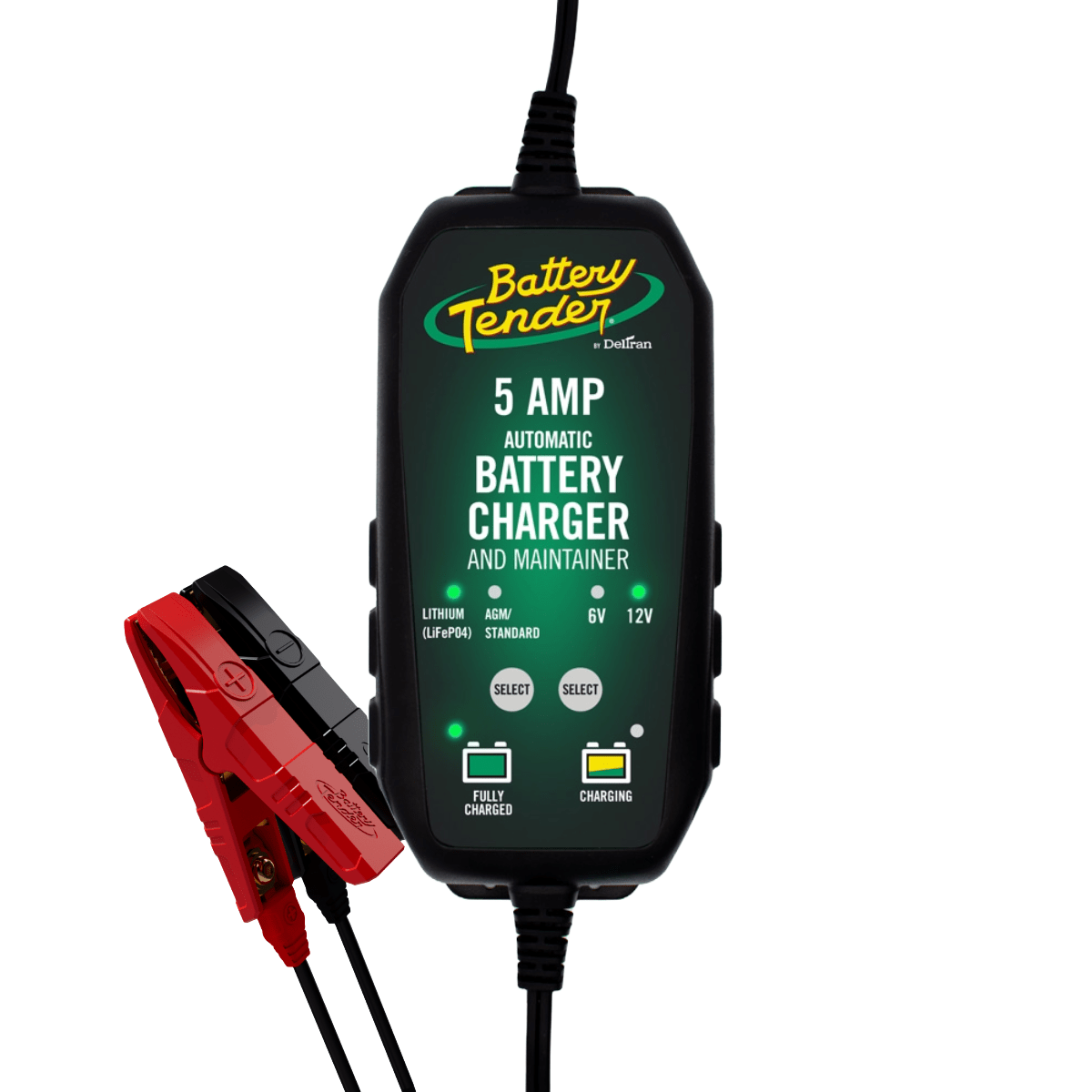
Types of Battery Maintainers
Choosing the right type starts with identifying the battery chemistry and voltage.
Lead-acid battery maintainers
These are made for conventional flooded lead-acid batteries. They often support standard automotive batteries and may include a mode that accounts for electrolyte charging behavior.
Flooded batteries can release gas during charging. Use them in a well-ventilated area, and keep sparks and flames away.
AGM battery maintainers
AGM batteries use an absorbed glass mat design. They are common in vehicles with start-stop systems and higher electrical demands.
An AGM battery maintainer should have an AGM setting or clear compatibility information. The charging voltage profile may differ from that of a standard flooded battery.
Gel battery maintainers
Gel batteries need careful voltage control. A charger that is not designed for gel batteries may cause damage or excessive gas formation.
Always confirm that the device supports gel batteries before connecting it.
Lithium battery maintainers
Lithium batteries, including lithium iron phosphate batteries, require a compatible charging system. A regular lead-acid battery maintainer may not be safe or effective.
Some lithium batteries include built-in battery management systems. Even so, follow the battery maker’s charging instructions and never assume that all 12-volt batteries use the same charging method.
Solar battery maintainers
A solar maintainer uses a small solar panel to provide power. It can work well for outdoor vehicles without easy access to a wall outlet.
Look for a model with a charge controller. Directly connecting an unsuitable solar panel to a battery can cause overcharging or poor performance.
How to Choose the Right Battery Maintainer
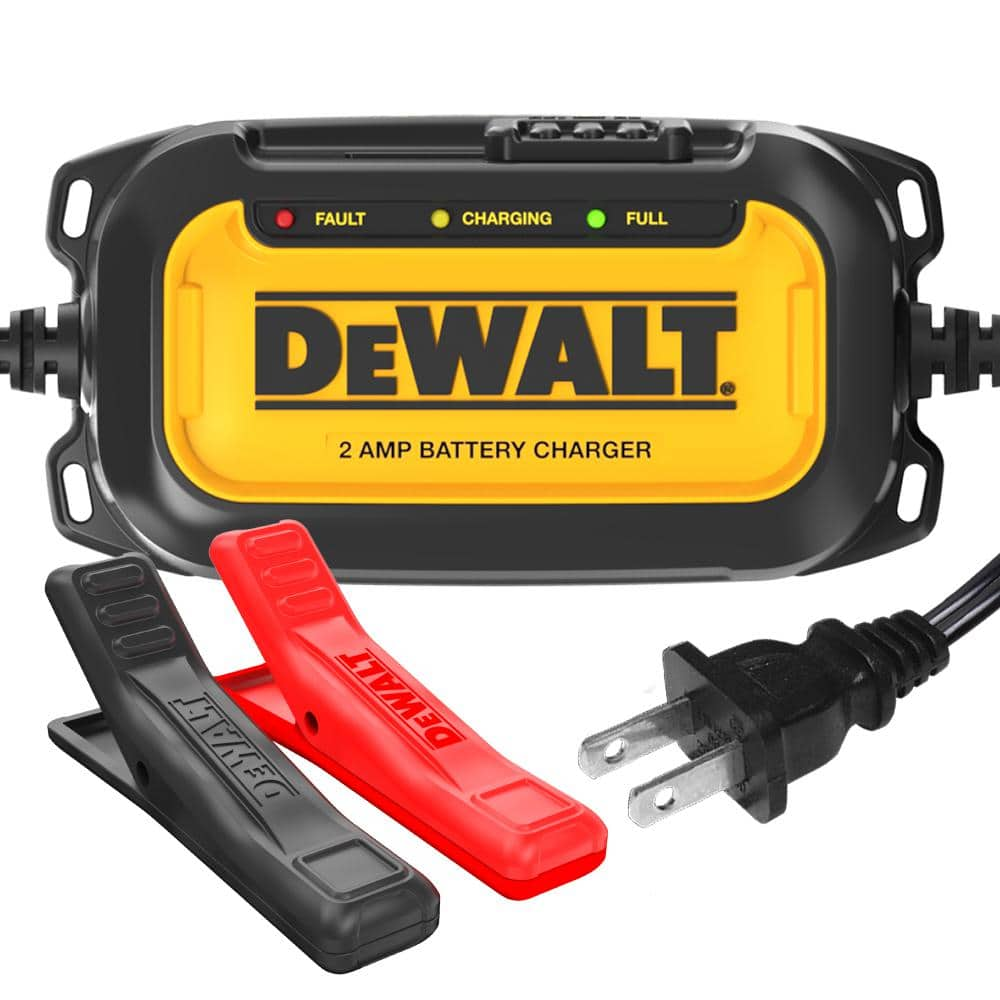
The best battery maintainer for a car battery should match the vehicle, battery type, storage location, and expected use.
Check these features before buying:
• Voltage: Most cars use a 12-volt battery, but confirm before connecting any device.
• Battery chemistry: Check whether it supports flooded, AGM, gel, or lithium batteries.
• Automatic operation: Choose a smart model that adjusts charging and enters float mode.
• Current rating: A maintainer often uses a low current, while a charger may use more.
• Safety protection: Look for reverse-polarity, short-circuit, overcharge, and spark protection.
• Cable length: A longer cable can make garage placement easier.
• Connection options: Ring terminals work well for permanent installation, while clamps are useful for temporary use.
• Weather rating: Choose a weather-resistant model if it may be exposed to moisture.
• Temperature support: Some devices adjust charging for very hot or cold conditions.
• Manufacturer instructions: Clear instructions are a useful sign of a responsible product.
For a normal stored car, a smart 1-amp to 2-amp maintainer is often suitable. The correct size still depends on the battery and the product design. Bigger is not always better when the goal is long-term maintenance.
If you want one device for both recovery and maintenance, consider a smart charger with a dedicated maintenance mode. It may cost more, but it can be more useful for households with several vehicles.

How to Use a Battery Maintainer Safely
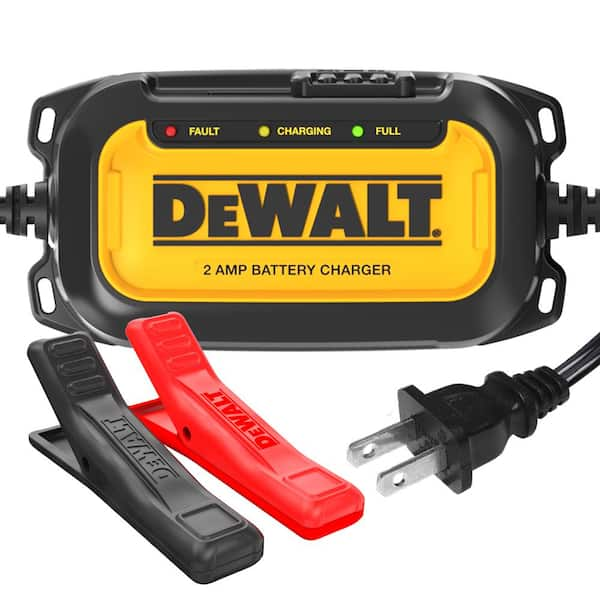
Always read the manual before use. The steps below apply to many 12-volt lead-acid systems, but product instructions take priority.
-
Park the vehicle in a dry, ventilated area.
-
Turn off the ignition, lights, radio, and accessories.
-
Inspect the battery for cracks, leaks, swelling, or heavy corrosion.
-
Do not charge a battery that is frozen, damaged, or leaking.
-
Confirm the maintainer voltage and battery chemistry match.
-
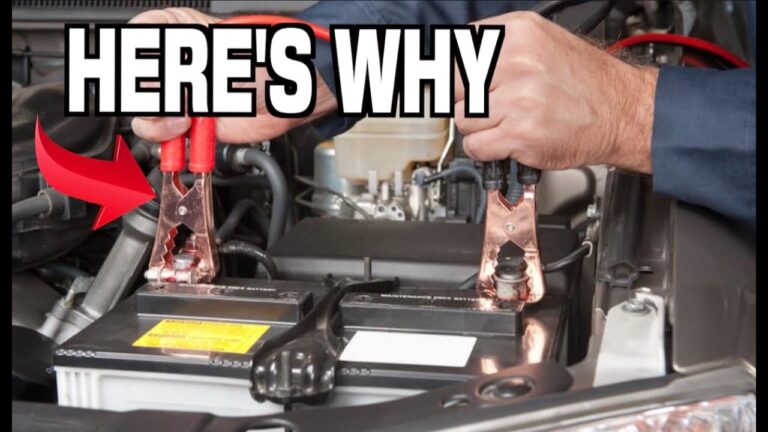
Connect the positive lead to the positive battery terminal.
-
Connect the negative lead to the negative terminal or an approved vehicle ground point.
-
Plug the maintainer into the wall outlet only after the battery leads are secure, unless the manual says otherwise.
-
Check the indicator lights and confirm that charging has started.
-
Keep the cables away from belts, fans, hot parts, and sharp edges.
-
Disconnect the wall power before removing the battery leads.
-
Store the device in a dry place after use.
Some vehicle makers recommend connecting the negative lead to a chassis ground instead of directly to the negative terminal. This can help reduce the chance of a spark near battery gases. Follow the vehicle and maintainer instructions.
Do not place a charging device on top of a battery unless the manufacturer allows it. Heat, vibration, acid residue, and moisture can damage the case or electronics.
Common Mistakes to Avoid
Even a good battery maintainer can cause trouble when used incorrectly.
Using the wrong voltage
A 6-volt maintainer connected to a 12-volt battery will not perform correctly. A 12-volt device may also be wrong for a 24-volt system. Confirm the voltage before every connection.
Reversing the terminals
Connecting positive to negative can damage the maintainer or create sparks. Many modern devices have reverse-polarity protection, but you should not depend on it as a normal safety step.
Maintaining a bad battery
A maintainer can keep a weak battery alive for a while, but it cannot make a failed battery reliable. If the battery loses voltage soon after charging, test it.
Ignoring corrosion
Corrosion can create resistance between the terminal and cable. Clean the connection safely, wear eye protection, and avoid spreading corrosion onto nearby parts.
Charging in a closed space
Lead-acid batteries may release hydrogen gas during charging. Hydrogen can ignite. Ventilation is essential, especially in small garages or sheds.
Leaving a basic charger connected
Not every device called a charger has smart maintenance control. Check whether it is approved for continuous connection.
Hiding a parasitic drain
If the maintainer runs constantly, the vehicle may have an electrical fault. Have the charging system and key-off current checked rather than treating the maintainer as a permanent fix.
Battery Maintainer Troubleshooting
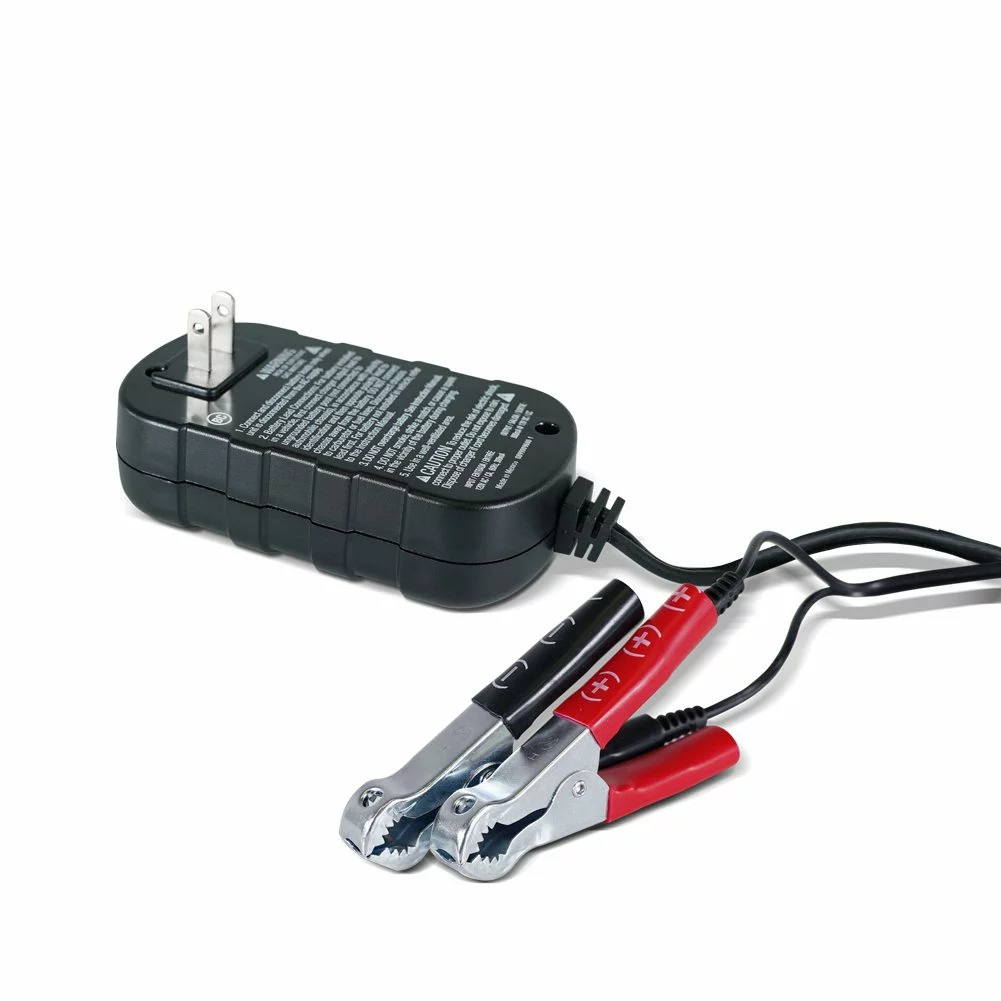
If the device does not seem to work, start with simple checks.
• Confirm that the wall outlet has power.
• Check that the clamps or ring terminals are clean and tight.
• Verify the positive and negative connections.
• Confirm the maintainer supports the battery chemistry.
• Check whether the battery voltage is too low for automatic detection.
• Inspect the cables for cuts, melted areas, or loose plugs.
• Read the indicator light meanings in the manual.
A deeply discharged battery may fall below the device’s detection threshold. Some smart maintainers will not begin charging if they detect an unsafe voltage. In that case, a suitable recovery charger or professional battery test may be needed.
If the maintainer shows a fault, disconnect it and inspect the battery. Swelling, a rotten-egg smell, leaking fluid, or unusual heat means you should stop charging immediately.
A healthy, fully charged 12-volt lead-acid battery often measures around 12.6 volts at rest, though readings vary with temperature, battery design, and how long the battery has rested. Voltage alone does not prove that the battery can start an engine. A load or conductance test gives better information about starting ability.
Does a Battery Maintainer Extend Battery Life?
A battery maintainer may help extend battery life by preventing long periods of low charge. This is especially useful for lead-acid batteries, which can develop sulfation when left partially discharged.
However, battery life also depends on:
• Weather and storage temperature
• Driving distance and charging time
• Vehicle electrical demand
• Alternator health
• Battery quality
• Vibration and mounting
• Terminal cleanliness
• Number of deep discharges
A battery maintainer cannot prevent normal aging. Most automotive batteries eventually lose capacity because of chemical and physical changes inside the cells.
One useful habit is to test the battery before storage and again before returning the vehicle to service. This gives you a better picture than simply checking whether the engine starts.
Best Practices for Seasonal Vehicle Storage
A battery maintainer for a car battery works best as part of a complete storage plan.
Before storage:
-
Clean and dry the battery case.
-
Check the terminals and cable connections.
-
Fully charge the battery.
-
Test the battery if it is more than a few years old.
-
Inflate the tires to the recommended pressure.
-
Protect the vehicle from moisture and pests.
-
Use a compatible maintainer in a ventilated area.
For long storage, follow the vehicle maker’s advice about alarm systems and battery disconnection. Disconnecting the battery may erase settings or affect certain vehicle systems, so it is not always the best choice for newer cars.
Inspect the setup every few weeks. Look for moisture, damaged cables, corrosion, and unusual heat. A quick check can prevent a small issue from becoming an expensive repair.
Frequently Asked Questions About Battery Maintainers for Car Batteries
Can I leave a battery maintainer connected all winter?
You can leave a smart battery maintainer connected for long periods when it is designed for continuous maintenance use. Make sure the battery type matches the device, the area is ventilated, and the cables remain dry and secure.
Is a battery maintainer safe for a car battery?
A compatible automatic maintainer is generally safe when used as directed. Do not connect one to a frozen, swollen, cracked, leaking, or badly damaged battery.
Can a battery maintainer charge a dead battery?
Some maintainers can slowly charge a very low battery, but many cannot start if the voltage is below their detection level. A larger smart charger or professional battery service may be needed first.
What is the difference between a trickle charger and a battery maintainer?
A basic trickle charger may send a steady current and can overcharge a battery if left connected too long. A smart battery maintainer for a car battery monitors voltage and changes its output to support safer long-term use.
Can I use a battery maintainer on an AGM battery?
Yes, but the maintainer must support AGM batteries and use the correct charging profile. Select the AGM mode when the product provides one.
Can a maintainer fix a battery that keeps going dead?
It may keep the battery charged, but it will not repair a failing battery or a vehicle with a parasitic drain. Test both the battery and the vehicle’s charging and electrical systems.
Should I disconnect the car battery before using a maintainer?
Not usually, but follow the vehicle and product instructions. Many smart maintainers can connect while the battery remains installed, provided the connections are correct and the area is safe.
[CodeImg not included in FAQ per instructions.]
Conclusion
A battery maintainer for a car battery is a simple way to protect vehicles that sit unused. The right model can reduce discharge, support battery health, and help your vehicle start when you need it.
Choose a smart maintainer that matches the battery voltage and chemistry. Inspect the battery first, connect the leads carefully, provide ventilation, and treat warning signs such as swelling, leaks, or excess heat seriously.
Take a few minutes to check your stored vehicle and choose the right maintenance plan today. For more practical car care guidance, explore related battery and charging resources or share your maintenance experience in the comments.