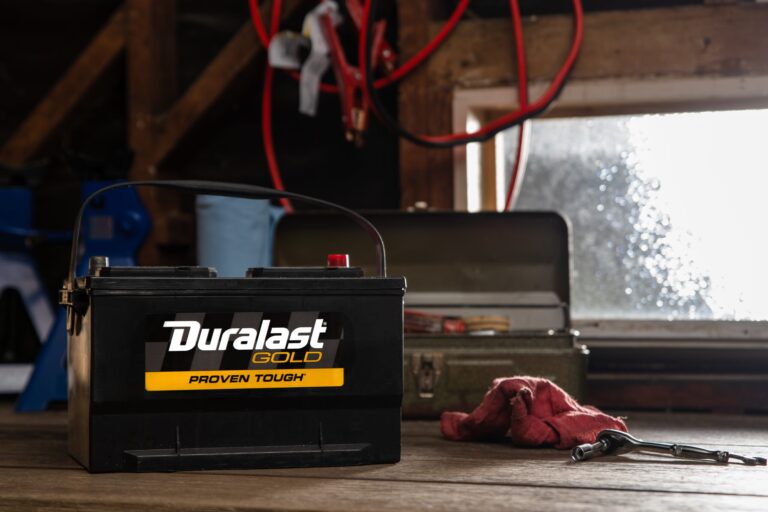
The positive side of a car battery is marked with a plus sign (+) and usually has a red cable.
Knowing what side is positive on a car battery is vital before you connect jumper cables, install a new battery, or test voltage. The positive terminal may sit on the left or right, depending on the battery design, so never rely on position alone. Look for the clear “+” or “POS” mark, then confirm the cable color and terminal size for a safe connection.
What Side Is Positive on a Car Battery?
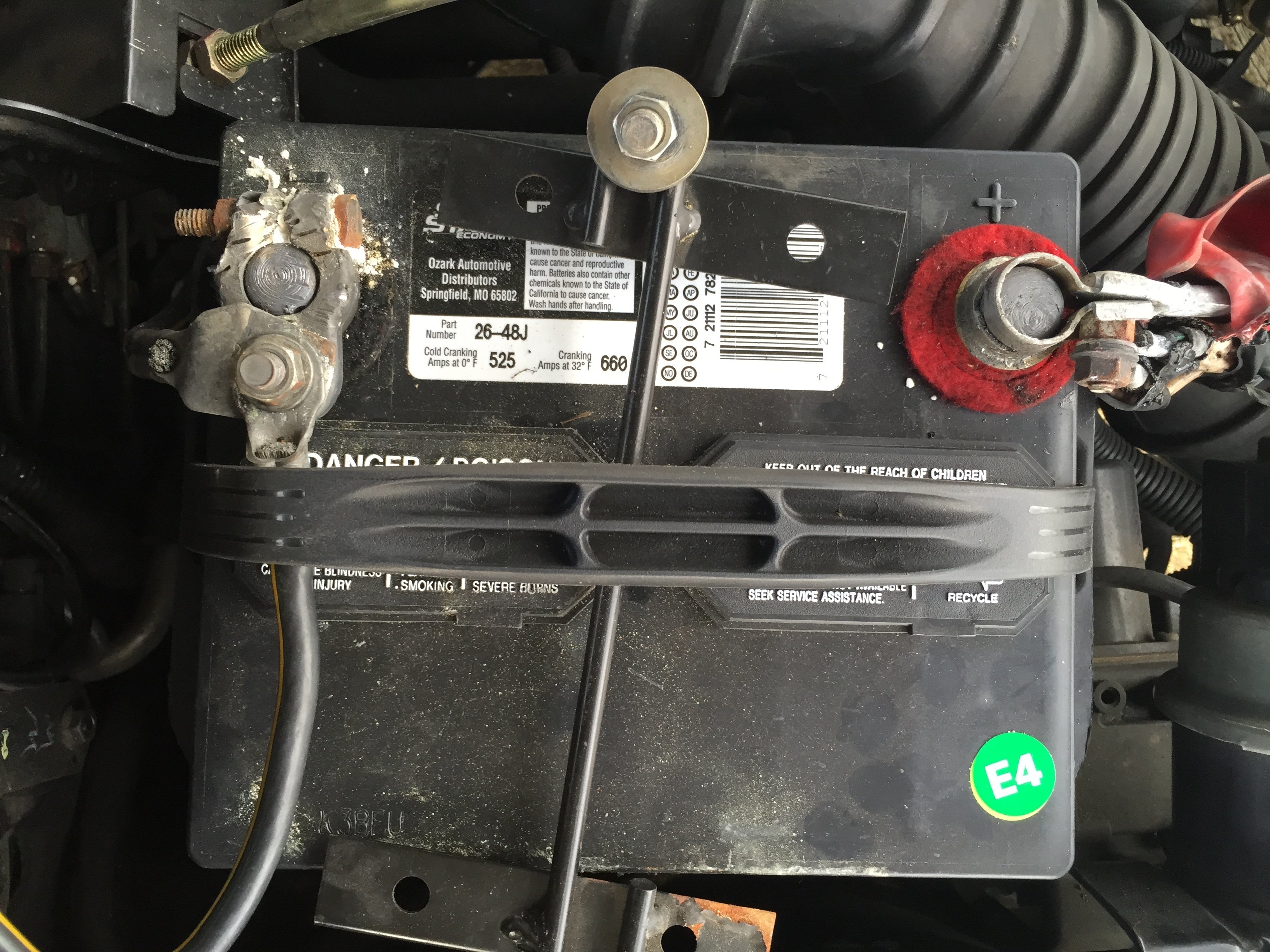
The positive side of a car battery is the terminal marked with a plus sign (+). It may also say “POS” or have a red plastic cover. In most vehicles, the red cable connects to this terminal.
The positive terminal is often slightly larger than the negative terminal. However, size and cable color are only clues. The plus symbol is the most reliable way to identify the positive battery terminal.
When asking what side is positive on a car battery, remember that “side” does not always mean left or right. Battery layouts vary by vehicle and battery group size. One car may have the positive post on the left, while another may place it on the right.

How to Identify the Positive Battery Terminal
Use these signs to find the positive terminal:
• Look for a raised “+” symbol near the post.
• Check for “POS” or “POSITIVE” molded into the battery case.
• Find the red cable or red protective cover.
• Compare terminal sizes. The positive post is often larger.
• Follow the cable to the starter or main power connection.
The positive cable is usually red, but cable color can fade or change after repairs. Older vehicles may have dirty, painted, or nonstandard cables. That is why the marking on the battery matters more than color alone.
If the battery is covered by dirt, wipe the case with a dry cloth. Do not place metal tools across both terminals. A wrench touching the positive terminal and the car body can create a short circuit, sparks, or burns.
Positive and Negative Symbols
The positive symbol is “+.” The negative symbol is “−.” These marks may appear beside the terminals, on the battery label, or on the plastic case.
The negative terminal usually connects to a black cable. It often runs to the vehicle body or engine block, creating the ground path for the electrical system.
Is the Positive Side Always on the Left or Right?
No. The positive side of a car battery is not always on the left or right. Its location depends on the battery group size, vehicle design, and how the battery is installed.
Battery manufacturers use different terminal layouts. A battery may be labeled left positive, right positive, or reversed polarity. The correct layout must match the vehicle’s original battery.
To identify what side is positive on a car battery, stand where you can clearly read the battery markings. Then find the plus sign. Do not assume the positive terminal is closest to the front of the vehicle or closest to the engine.
Before buying a replacement battery, check:
• The battery group number
• The terminal position
• The cold cranking amp rating
• The reserve capacity
• The physical length, width, and height
• The type of battery, such as flooded lead-acid, AGM, or EFB
A battery can fit in the tray but still have the wrong terminal layout. If the cables cannot reach the correct posts, forcing the connection may damage the cables or create a dangerous short.

Why Battery Polarity Matters
A car’s electrical system depends on correct polarity. The positive terminal sends power into the vehicle’s electrical circuits, while the negative terminal provides the return path through the ground system.
Connecting the battery backward can cause serious problems. Possible damage includes:
• Blown fuses
• Damaged electronic control modules
• Burned wiring
• A failed alternator diode
• Melted battery cables
• Sparks or battery damage
Modern cars contain many sensitive computers. These systems can react badly to reverse polarity, even when the mistake lasts only a few seconds.
If you are unsure what side is positive on a car battery, stop before connecting anything. Check the symbols, read the vehicle manual, or test the battery with a multimeter.
What Happens When You Connect a Battery Backward?
A reversed connection can make current flow through circuits that are not designed for it. Some vehicles protect themselves with fusible links or large fuses, but that protection is not guaranteed.
Never “try both ways” to see which connection works. That approach can turn a simple battery job into a costly electrical repair.
How to Connect Jumper Cables Correctly
Correct jumper cable order helps reduce sparks and protects the vehicle’s electrical system. Always check both batteries first. Do not jump a battery that is cracked, leaking, frozen, or badly damaged.
Follow these steps:
-
Park the working vehicle close enough for the cables to reach, but do not let the vehicles touch.
-
Turn off both vehicles and switch off lights, radios, and accessories.
-
Connect the red cable to the positive terminal of the dead battery.
-
Connect the other red clamp to the positive terminal of the charged battery.
-
Connect the black cable to the negative terminal of the charged battery.
-
Connect the other black clamp to an unpainted metal ground on the dead vehicle, away from the battery.
-
Start the vehicle with the charged battery.
-
Wait a few minutes, then try starting the vehicle with the dead battery.
-
Remove the cables in reverse order.
The final black connection should usually go to a solid metal ground, such as an engine lifting point. This keeps a possible spark away from battery gases.
A common mistake is connecting the last black clamp directly to the dead battery’s negative post. Some vehicle makers allow this, but using a clean engine or chassis ground is often safer. Always follow the vehicle owner’s manual.

How to Disconnect and Replace a Car Battery
Battery removal and installation require the correct order. This prevents accidental short circuits when your tool touches the car body.
Disconnecting the Old Battery
-
Turn off the vehicle and remove the key.
-
Locate what side is positive on a car battery before touching the cables.
-
Disconnect the negative cable first.
-
Move the negative cable away from the battery post.
-
Disconnect the positive cable.
-
Remove the battery hold-down bracket.
-
Lift the battery out with both hands.
Disconnecting the negative terminal first reduces the chance of a short. If your wrench touches the body while working on the negative terminal, there is usually no complete circuit through the positive post.
Installing the New Battery
-
Place the new battery in the tray.
-
Secure the hold-down bracket.
-
Connect the positive cable first.
-
Connect the negative cable second.
-
Tighten both connections firmly.
-
Check that the cables do not move or touch hot engine parts.
-
Start the vehicle and check for warning lights.
The installation order is the opposite of removal. Positive first, negative second. This order helps prevent a tool from creating a path between the positive post and the vehicle body.
Some newer cars may need battery registration after replacement. This is common in vehicles with battery monitoring systems. The process may require a scan tool or professional service.
Can a Multimeter Confirm Battery Polarity?
Yes. A digital multimeter can confirm what side is positive on a car battery. Set the meter to DC voltage, often shown as V with a straight line.
Touch the red probe to one terminal and the black probe to the other. If the meter displays a positive number, the red probe is touching the positive terminal. A typical healthy, fully charged car battery will show about 12.6 volts with the engine off.
If the meter shows a negative number, the probes are reversed. Swap them, then confirm the positive terminal using the plus marking.
Use this guide as a general reference:
• About 12.6 volts: fully charged battery
• About 12.4 volts: partly charged battery
• About 12.2 volts: low charge
• Below 12.0 volts: deeply discharged battery
Voltage alone does not prove that a battery is healthy. A weak battery can show normal voltage but fail under the heavy load needed to start an engine. A proper load test or conductance test gives better information.
Common Mistakes to Avoid
Many battery problems happen because someone guesses instead of checking. The most common mistake is assuming the positive side is always on the same side of the battery.
Avoid these errors:
• Do not rely only on red and black cable colors.
• Do not connect cables by left and right position alone.
• Do not let a metal tool touch both terminals.
• Do not smoke near a charging or recently used battery.
• Do not jump a swollen, cracked, or leaking battery.
• Do not connect the negative cable first when installing a battery.
• Do not remove the battery while the engine is running.
• Do not force cables onto the wrong battery posts.
I once saw a battery installed with the correct size but the wrong terminal layout. The cables were stretched across the battery, and the positive connection sat dangerously close to the hood. The car started, but the setup was unsafe. The lesson is simple: fit, polarity, and cable reach all matter.
If a battery sparks heavily when you connect it, stop and check the cable order. A small spark may occur in some vehicles because of electronic memory systems, but loud popping, smoke, heat, or melting insulation means something is wrong.
Battery Safety Tips
Lead-acid batteries contain sulfuric acid and can release flammable hydrogen gas. Treat the battery like a small chemical and electrical power source, not just a plastic box.
For safer work:
• Wear safety glasses.
• Keep flames and cigarettes away.
• Remove metal jewelry before working.
• Use insulated tools when possible.
• Keep the battery upright.
• Wash skin quickly if battery acid touches it.
• Follow the warning labels on the battery.
• Recycle old batteries through an approved collection point.
If acid reaches your eyes, rinse with clean water and seek urgent medical care. Do not delay treatment. Battery acid injuries can become serious quickly.
A cold battery may freeze if deeply discharged. Trying to jump a frozen battery can cause the case to crack or explode. Let it warm naturally and inspect it before making any connection.
Positive Battery Terminal Problems
The positive terminal can develop corrosion, looseness, or heat damage. White, blue, or green powder around the post may point to corrosion, although the exact color can vary by battery chemistry and cable material.
Warning signs include:
• Slow engine cranking
• Flickering lights
• A clicking sound when starting
• A hot battery cable
• A burning smell
• Corrosion around the positive post
• A battery warning light
Turn off the engine before inspecting the terminal. A loose connection can create resistance, and resistance produces heat when high starter current flows through the cable.
Clean light corrosion with a battery terminal brush. Wear eye protection and avoid touching the residue with bare hands. Do not scrape aggressively if the battery case or post is damaged.
A loose terminal should be tightened, but do not overtighten it. Excess force can damage the battery post. If the cable is burned, swollen, or brittle, replace the cable rather than cleaning it repeatedly.
Frequently Asked Questions About What Side Is Positive on a Car Battery
What color is the positive cable on a car battery?
The positive cable is usually red and connects to the terminal marked with a plus sign (+). Cable colors can change after repairs, so confirm the symbol before making a connection.
Is the positive battery terminal on the left or right?
It can be on either side. The location depends on the battery design and vehicle layout, so use the “+” or “POS” marking instead of guessing.
Which battery terminal do I connect first?
Connect the positive terminal first when installing a battery, then connect the negative terminal. When removing a battery, disconnect the negative terminal first.
Can I use a multimeter to find the positive terminal?
Yes. Touch the red probe to one terminal and the black probe to the other while measuring DC voltage. A positive voltage reading means the red probe is on the positive terminal.
What happens if I connect car battery terminals backward?
Reverse polarity can blow fuses and damage wiring, alternators, computers, or other electrical parts. Disconnect the battery at once if you notice the mistake, and have the vehicle inspected if sparks, smoke, or heat occurred.
Is the larger battery post always positive?
In many automotive batteries, the positive post is slightly larger. Still, post size is not a substitute for the plus marking because battery designs and terminal types can vary.
Can I connect the negative jumper cable to the battery negative post?
Some vehicles permit this, but an unpainted metal ground on the engine or chassis is often preferred for the final connection. Follow the instructions in the vehicle owner’s manual.
Conclusion
The positive side of a car battery is the terminal marked “+” or “POS,” and it usually connects to the red cable. Its position can be on the left or right, so never identify it by location alone. Use the battery markings, check cable colors, and confirm polarity with a multimeter when needed.
Connect the positive cable first during installation, use safe jumper cable order, and wear eye protection. A few seconds of careful checking can prevent sparks, electrical damage, and injury. If this guide helped, share it with another driver or explore your vehicle’s owner’s manual for battery-specific instructions.