Most jobs need safety glasses, gloves, a wrench or socket set, and a memory saver.
Knowing the tools needed to replace a car battery makes the job safer, faster, and less stressful. This guide explains what each tool does, which items are optional, and how to avoid common mistakes that can damage your vehicle or cause injury.
Essential tools needed to replace a car battery
Most battery changes need only a few basic tools. Before you begin, park on level ground, turn off the engine, remove the key, and set the parking brake.
The core tools needed to replace a car battery include:
• Safety glasses to protect your eyes from sparks, dirt, and battery fluid
• Chemical-resistant work gloves to protect your hands from acid and corrosion
• A 10 mm, 12 mm, or 13 mm wrench or socket, depending on the vehicle
• A ratchet to loosen and tighten battery terminals
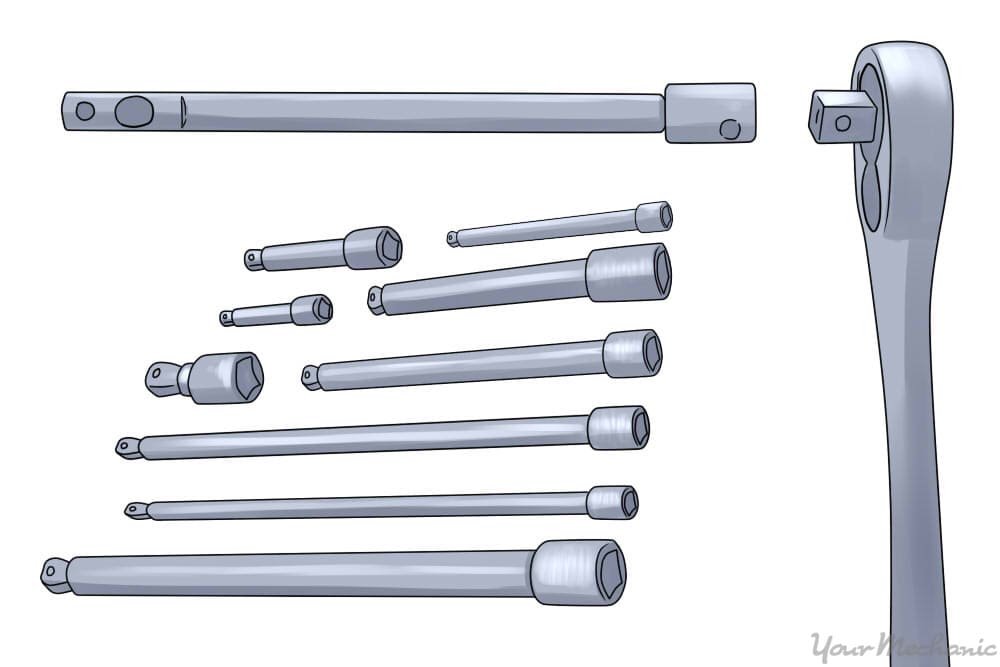
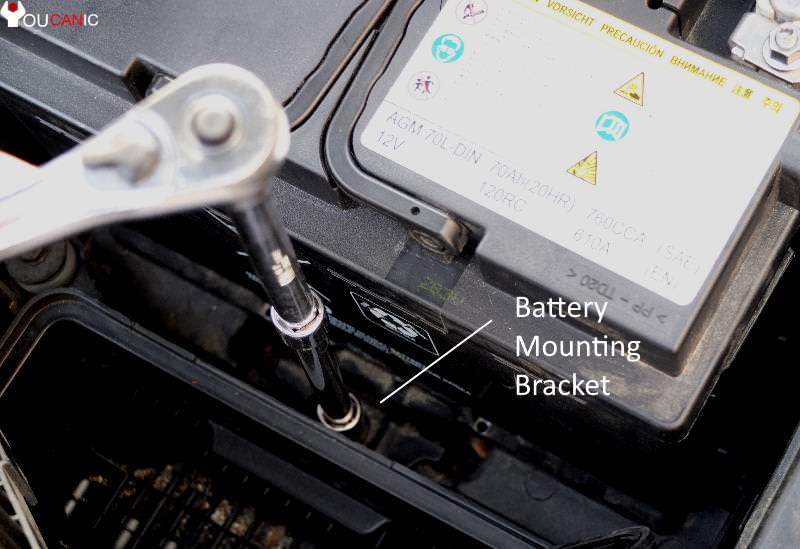
• A socket extension for battery hold-down bolts in tight spaces
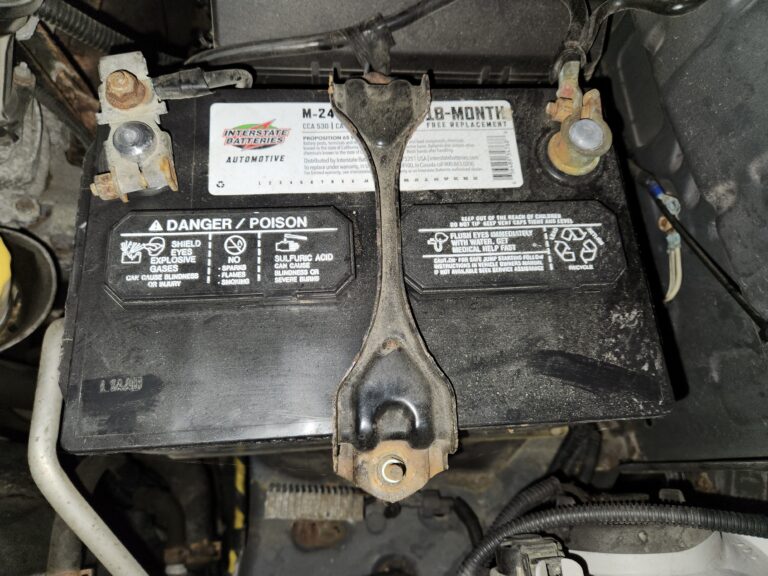
• A battery terminal brush to clean corrosion from the posts and clamps
• A small flashlight or work light for dark engine bays
• A clean rag or paper towel to wipe away dirt and moisture
Car makers use different battery trays and fasteners. A 10 mm socket is common, but never assume it will fit. Test the tool gently before applying force to avoid rounding the fastener.
Safety gear for a battery replacement
A car battery contains sulfuric acid and can produce flammable hydrogen gas. The risk is low during a normal replacement, but a small spark near the battery can still cause trouble. Good safety gear acts like a seat belt: you may not need it often, but you will be glad it is there when something goes wrong.
Use these protective items:
• Safety glasses or sealed eye protection
• Nitrile-coated or chemical-resistant gloves
• Long sleeves and sturdy work clothes
• Closed-toe shoes with good grip
• A fender cover or old blanket to protect the paint
Never smoke or use an open flame near a battery. Keep metal jewelry, such as rings and watches, away from the terminals. A metal tool can create a short circuit if it touches the positive terminal and the vehicle body at the same time.
If battery acid touches your skin, rinse the area with plenty of clean water. If it reaches your eyes, flush them with water and seek medical help promptly.

Wrenches and sockets that fit battery terminals
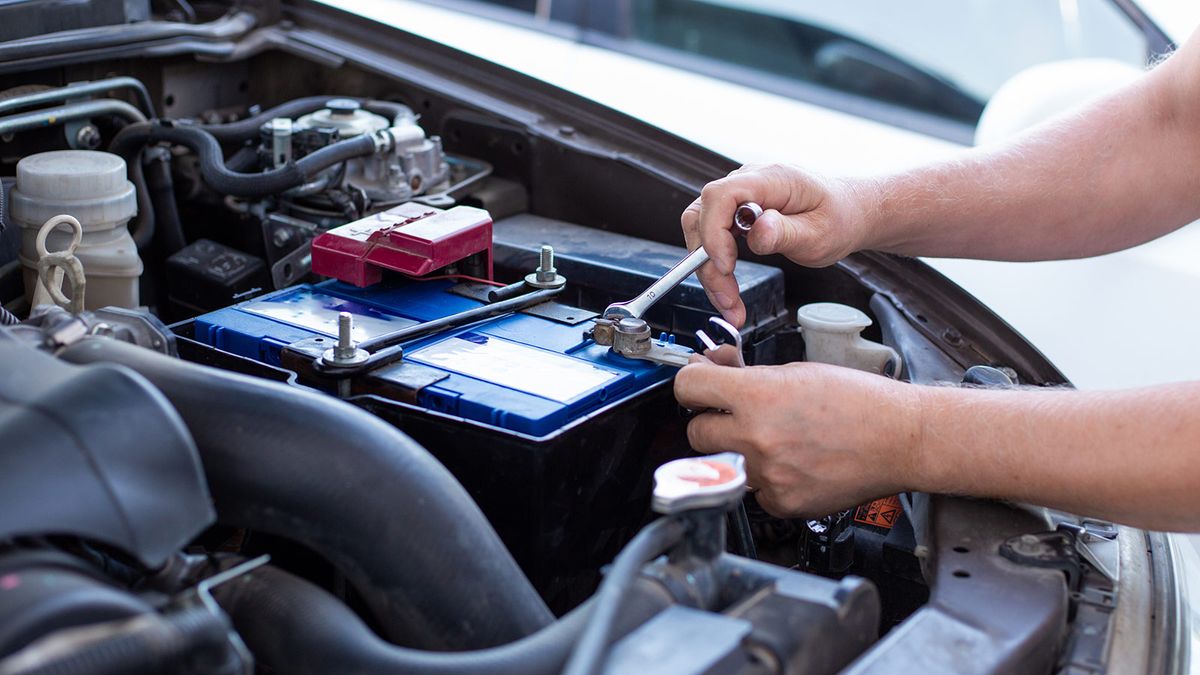
The main hand tool in a battery replacement is usually a combination wrench or socket. Most terminals use a small nut that holds a clamp around the battery post.
A socket set is often easier than a single wrench because it gives you better grip and reach. A ratchet also helps when the battery sits below a plastic cover or near the fender.
Useful sizes may include:
• 8 mm for some small terminal clamps
• 10 mm for many battery terminals and hold-down bolts
• 12 mm or 13 mm for some clamps and battery brackets
• 15 mm or larger for certain tray brackets or vehicle-specific parts
Use a six-point socket when possible. It grips the sides of the nut better than a twelve-point socket and lowers the chance of slipping. Do not use excessive force if the fastener feels stuck. Spray a small amount of approved penetrating oil on the fastener, wait several minutes, and try again.
One lesson I learned early is to place the socket on the fastener before turning the ratchet. Working by feel in a tight engine bay can make it easy to grab the wrong nut.
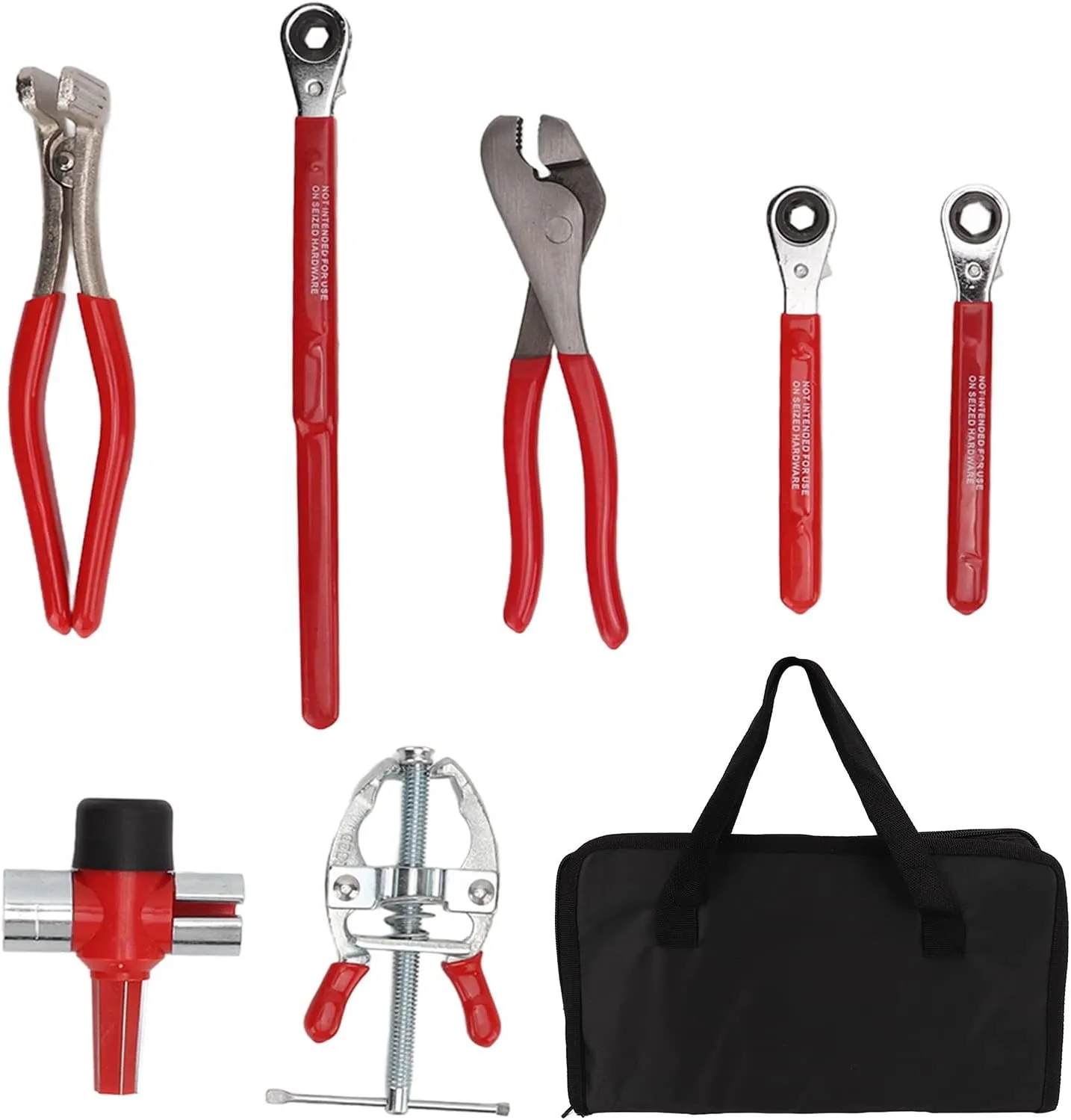
Tools for removing battery corrosion
White, blue, or green buildup around a battery terminal is corrosion. It can increase electrical resistance and make the vehicle slow to start. A dirty terminal may also make a new battery seem faulty.
The best tools needed to replace a car battery with corroded terminals include:
• A battery terminal cleaning brush
• A small wire brush
• A plastic scraper
• Baking soda and water for light external corrosion
• A clean cloth
Mix a small amount of baking soda with water to make a thin paste. Apply it only to external corrosion around the terminal area, not inside the battery. Keep the mixture away from open battery vents and rinse or wipe the area clean after the corrosion is removed.
Do not pour large amounts of water into the engine bay. Water can reach electrical connectors, sensors, or fuse boxes. Clean carefully, then dry the area before installing the replacement battery.
After installation, a thin layer of battery terminal protectant can help slow future corrosion. Do not coat the contact surfaces before the clamp is tightened.
Optional tools that make the job easier
Some vehicles are simple to service. Others have hidden batteries, tight brackets, or electronic systems that need extra care. These optional tools needed to replace a car battery can save time and prevent frustration.
• A digital multimeter to check voltage
• A 12-volt memory saver for vehicles that may lose radio or seat settings
• A long extension bar for deep battery trays
• A universal joint for awkward socket angles
• A magnetic pickup tool for dropped nuts
• A battery carrier strap or lifting handle
• A jump starter for emergency testing
• A portable work light
A memory saver may connect through the diagnostic port or accessory socket. Follow the device instructions carefully. Some vehicles should not use a memory saver during battery replacement, especially if the car has special electrical systems or an unknown battery fault.
A battery is heavy and awkward to lift. A carrier handle can reduce strain and help keep the battery level. If you have back problems or the battery is in a difficult location, ask for help.
How to test the battery before replacing it
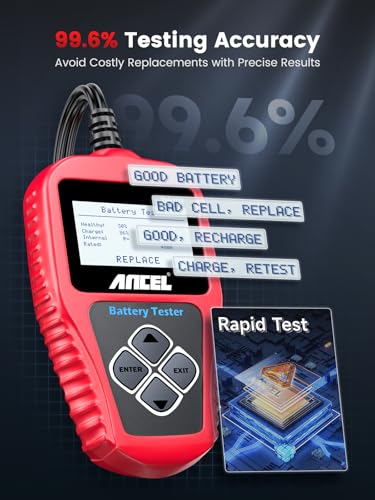
A test can prevent you from replacing a good battery. A digital multimeter is one of the most useful tools needed to replace a car battery because it provides basic electrical information before and after the job.
Set the meter to DC voltage. With the engine off and the vehicle resting for several hours, touch the red probe to the positive terminal and the black probe to the negative terminal.
A rough guide is:
• About 12.6 volts may indicate a fully charged healthy battery
• About 12.4 volts may indicate a partly charged battery
• About 12.2 volts or less suggests a low state of charge
These readings are only a guide. Temperature, recent driving, and the battery’s age can affect the result. A battery can show normal voltage and still fail a load test.
If the battery is low, charge it and test it again. If it loses charge quickly, fails a load test, or cannot start the vehicle after a full charge, replacement may be needed. A repair shop can perform a professional battery and charging-system test.
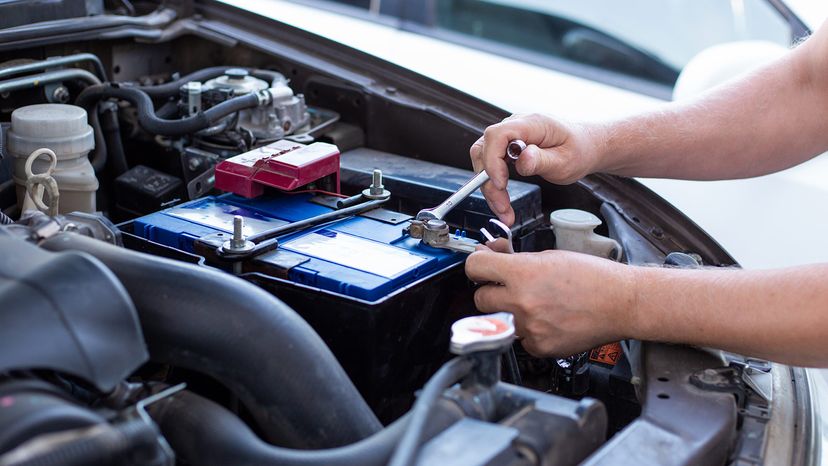
Tools needed to replace a car battery safely
The order of removal matters. Removing the wrong cable first can create a short circuit if your tool touches the vehicle body.
Follow these steps:
-
Turn off the engine and all electrical accessories.
-
Open the hood and locate the battery.
-
Identify the positive terminal, usually marked with a plus sign and covered by a red cap.
-
Identify the negative terminal, usually marked with a minus sign and connected to the vehicle body.
-
Remove the negative cable first.
-
Remove the positive cable second.
-
Remove the battery hold-down bracket or strap.
-
Lift the old battery straight out using both hands or a battery handle.
-
Clean the tray and terminal clamps if needed.
-
Place the new battery in the same direction as the old one.
-
Install and tighten the hold-down bracket.
-
Connect the positive cable first.
-
Connect the negative cable second.
-
Check that both clamps are tight and cannot twist by hand.
The negative cable comes off first because it is connected to the vehicle body. If a wrench touches the body while you remove the negative clamp, it usually will not complete a circuit. If you remove the positive cable first, the same contact can cause a dangerous short.

How to choose the right replacement battery
The tools needed to replace a car battery will not help if the replacement battery is the wrong type. Match the new battery to the vehicle’s required group size, terminal layout, power rating, and battery design.
Check the old battery label and the vehicle owner’s manual for:
• Battery group size
• Cold cranking amps, or CCA
• Reserve capacity
• Terminal position
• Battery type, such as flooded lead-acid, AGM, or enhanced flooded battery
Vehicles with start-stop systems often need an AGM or other specified battery. Installing the wrong type can shorten battery life and cause charging problems. Some modern cars also need the new battery registered in the vehicle’s computer after installation.
Do not choose a battery only because it fits the tray. The terminals must be in the correct position, and the battery must meet the vehicle maker’s electrical requirements.
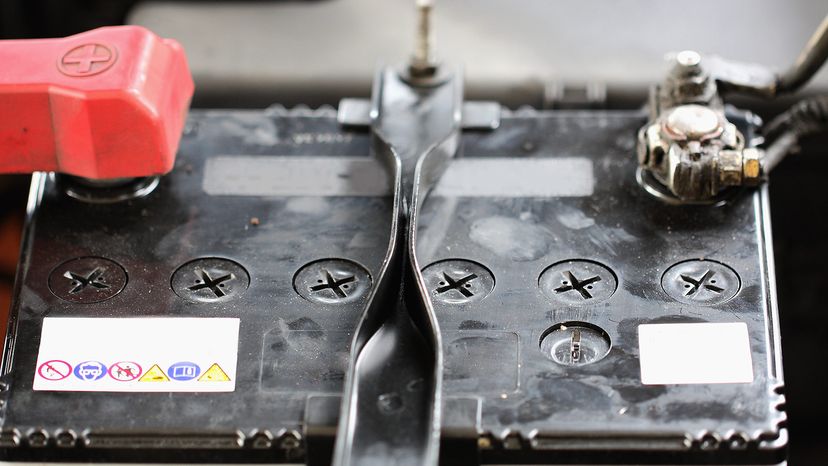
Battery replacement tools for modern cars
Newer vehicles use computers to manage charging, safety systems, and power-saving features. The basic tools needed to replace a car battery may still remove the battery, but special procedures may be needed afterward.
Some vehicles may require:
• A scan tool for battery registration
• A memory saver
• A battery monitoring sensor reset
• A special terminal connector tool
• Manufacturer-specific service instructions
Battery registration tells the vehicle that a new battery has been installed. Without it, the charging system may use the wrong charging strategy. This can reduce battery life or cause warning messages.
If your vehicle has a start-stop system, hybrid technology, extensive electronic settings, or a battery located in the trunk, review the manual before starting. When the procedure is unclear, professional service is the safer choice.
Common mistakes to avoid
Even a simple battery replacement can go wrong when the process is rushed. These mistakes are common among first-time DIY mechanics.
• Removing the positive cable first
• Installing the battery backward
• Leaving the hold-down bracket loose
• Using the wrong battery group size
• Over-tightening the terminal clamps
• Dropping a metal tool across the terminals
• Forgetting to reconnect a small sensor wire
• Cleaning corrosion with too much water
• Replacing the battery without testing the charging system
• Disposing of the old battery in household trash
A loose hold-down can let the battery move while you drive. That movement can damage the case, terminals, or nearby wiring. A loose terminal can also cause intermittent starting problems that are difficult to diagnose.
One mistake worth avoiding is assuming every no-start problem is caused by the battery. A bad alternator, damaged cable, poor ground, blown fuse, or starter problem can create similar symptoms.
Battery disposal and cleanup
Lead-acid car batteries should not go into regular household trash. They contain lead and corrosive electrolyte, but they are also highly recyclable.
Place the old battery upright in a sturdy container. Keep it away from children, pets, heat, and metal objects. Many auto parts stores, recycling centers, and battery retailers accept used car batteries.
Clean your tools after the job. Wipe away any residue, wash reusable gloves if the manufacturer allows it, and store the wrench or socket set in a dry place. Remove the fender cover carefully so any residue does not spread across the paint.
Recycling the old battery is often simple because many retailers offer a refundable core charge. Ask about the policy before buying the new battery.
A simple battery replacement checklist
Use this checklist before starting:
• Confirm the correct battery size and type
• Gather the tools needed to replace a car battery
• Wear eye protection and gloves
• Turn off the engine and remove the key
• Disconnect the negative cable first
• Disconnect the positive cable second
• Remove the hold-down bracket
• Lift the battery with care
• Clean the tray and terminals
• Install the new battery in the correct direction
• Secure the hold-down bracket
• Connect the positive cable first
• Connect the negative cable second
• Test the vehicle and check for warning lights
• Recycle the old battery
A short checklist can prevent most avoidable errors. Keep it near the vehicle while you work, especially if you are replacing a battery for the first time.
Frequently Asked Questions
What tools are needed to replace a car battery?
The basic tools needed to replace a car battery are safety glasses, gloves, a wrench or socket set, a ratchet, and a battery terminal brush. A flashlight, multimeter, and memory saver are useful extras.
Do I need a special tool to change a car battery?
Most cars do not need a special tool. Some vehicles need a battery registration scan tool, a long extension, or a special tool for a hidden hold-down bracket.
Which terminal should I disconnect first?
Disconnect the negative terminal first, then the positive terminal. When installing the new battery, connect the positive terminal first and the negative terminal second.
Can I replace a car battery without a memory saver?
Yes, many vehicles can be repaired without one. However, the car may lose clock, radio, seat, window, or computer settings, and some modern vehicles may need battery registration afterward.
How do I know if my battery needs replacement?
A slow engine crank, dim lights, repeated jump-starts, swelling, leaks, or a failed battery test can indicate a bad battery. A charging-system test is also useful because an alternator problem can look like a battery problem.
Can I use pliers instead of a wrench?
Pliers may work in an emergency, but they can slip and damage the terminal nut. A correctly sized wrench or socket gives better control and is safer.
How long does it take to replace a car battery?
A basic replacement often takes about 15 to 30 minutes. The job may take longer when the battery is hidden, the terminals are corroded, or the vehicle requires electronic registration.
Conclusion
The tools needed to replace a car battery are simple, but using them in the right order matters. Safety glasses, gloves, a correctly sized wrench or socket, a ratchet, and a terminal brush cover most basic jobs. A multimeter, memory saver, and battery carrier can make the work easier on modern or hard-to-reach vehicles.
Confirm the correct battery before you begin, disconnect the negative cable first, secure the new battery firmly, and recycle the old one. With the right tools and a calm approach, you can complete the job safely and avoid many common electrical problems. Share your battery replacement experience or explore more vehicle maintenance guides for your next DIY repair.