Most push button starts fail due to a dead key fob battery, weak car battery, or a fault.
If your push button start not working, you’re not alone — I’ve fixed and tested many vehicles with the same issue, and I’ll walk you through what causes it, how to diagnose it, and when to get expert help. This guide blends hands-on tips, clear troubleshooting steps, and real-world experience so you can quickly find and fix the problem or know what to tell your mechanic.
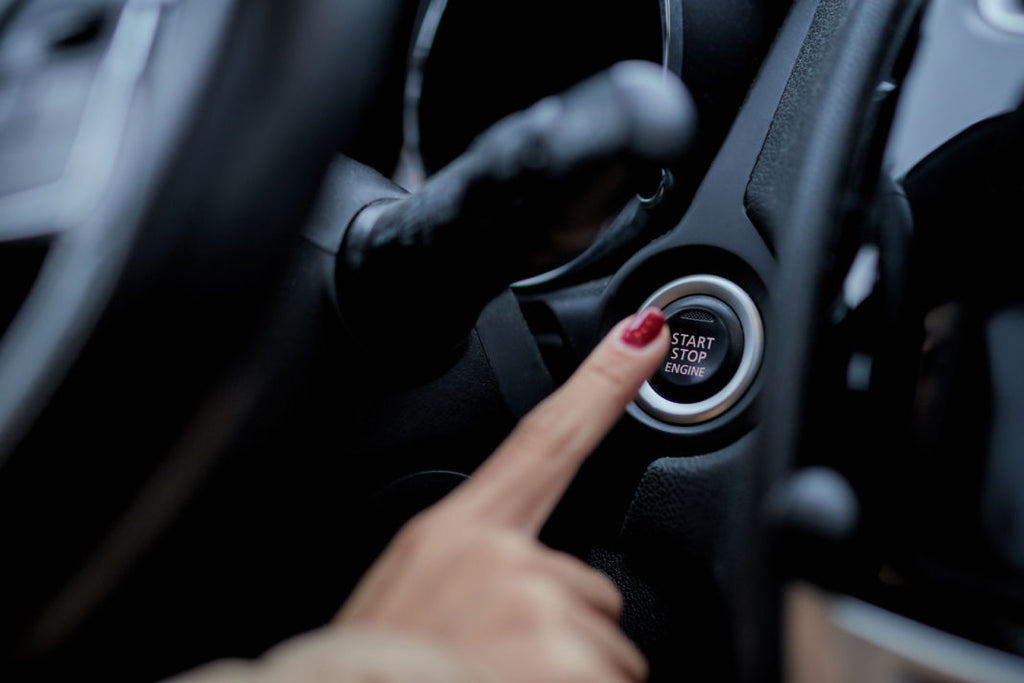
How the push button start system works
A push button start system replaces a traditional key turn. It uses a key fob that talks to your car’s computer. The car checks the fob, the brake pedal, the transmission position, and the battery before starting.
Most systems use low-frequency antennas in the car and a radio signal from the fob. If any part of that chain fails, the push button start not working is the result. Knowing the pieces helps you find the problem faster.

Common causes of push button start not working
Here are the usual suspects when a push button start not working happens:
-
Key fob battery drained
Short, cheap fix. A weak fob battery often stops the fob from communicating. -
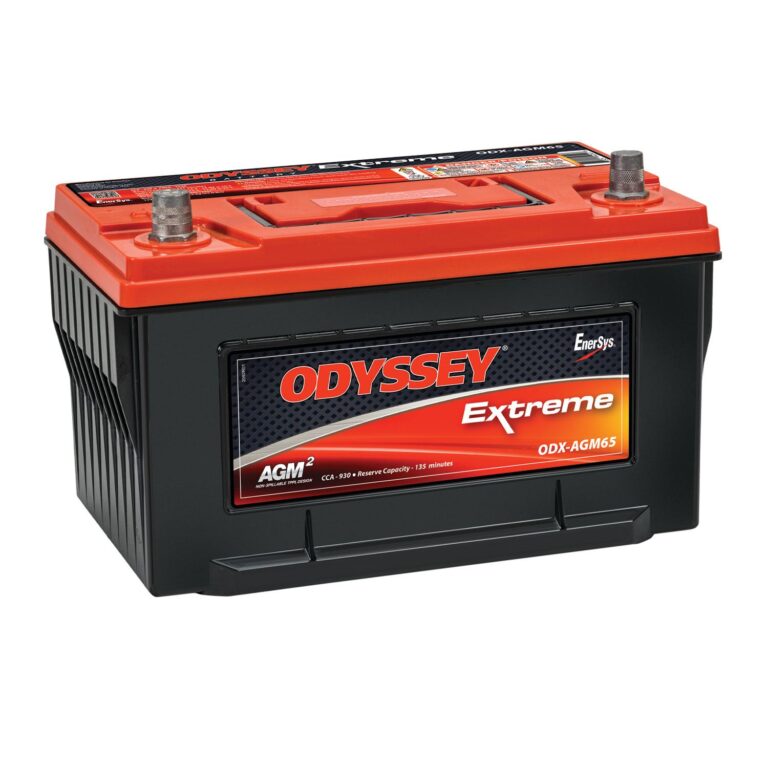
Car battery weak or dead
If the car battery is low, the electronics that read the fob may not power up. -
Faulty brake switch
The start system usually requires the brake pedal to be pressed. A bad switch can block that signal. -
Blown fuse or relay
A blown fuse or bad starter relay can interrupt power to the start circuit. -
Faulty immobilizer or key programming
If the car doesn’t recognize the fob due to immobilizer or programming issues, push to start won’t work. -
Poor key fob signal or antenna fault
Damaged antennas or radio interference can block the handshake between fob and car. -
Starter motor or wiring issues
Mechanical or wiring faults can keep the engine from cranking even when the system tries. -
Software glitches or BCM (body control module) errors
Sometimes a software fault or module problem prevents the system from accepting the fob.
Each of these causes can make your push button start not working. The fix ranges from a simple battery swap to more in-depth diagnostics.

Step-by-step troubleshooting when push button start not working
Follow these short checks in order. They are low-cost and often solve the problem fast.
-
Check the key fob battery
Replace the fob battery and try again. Many fobs use a CR2032 coin cell that you can swap at home. -
Try a spare key fob
Use a spare fob. If the spare works, the original fob is the issue, not the car. -
Confirm the car battery health
Turn on headlights and accessories. Dim lights or clicking sounds point to a weak car battery. Jump-start if needed. -
Ensure the transmission is in Park or Neutral
The car won’t start unless it detects Park or Neutral. Shift fully and try again. -
Press the brake firmly
Some systems require a firm brake press. If the brake switch is bad, try starting without the brake (some cars allow this in neutral) to test. -
Check fuses and relays
Inspect the under-hood and dash fuse boxes for blown fuses or faulty relays tied to starting or the keyless system. -
Hold the fob near the start button
Many cars can detect a weak fob signal if you hold it against the start button or center console. This helps if the fob battery is low. -
Look for immobilizer or security messages
Dash warnings about immobilizer or an unrecognized key mean the car doesn’t trust the fob. Try reprogramming or dealer help. -
Listen for the starter and fuel pump
If you don’t hear the fuel pump or starter click, the problem may be external to the push button system. -
Scan for error codes
A simple OBD-II scan can show BCM or immobilizer errors that explain why the push button start not working.
If these steps don’t fix it, the issue may be a failed module, damaged wiring, or starter failure. Those need professional tools and knowledge.

Real experience: what I’ve seen and lessons learned
I’ve worked on several cars with push button start not working. A few lessons stand out.
- Replacing a cheap CR2032 fixed many no-start calls.
- One case looked like immobilizer failure but was a corroded antenna under the center console.
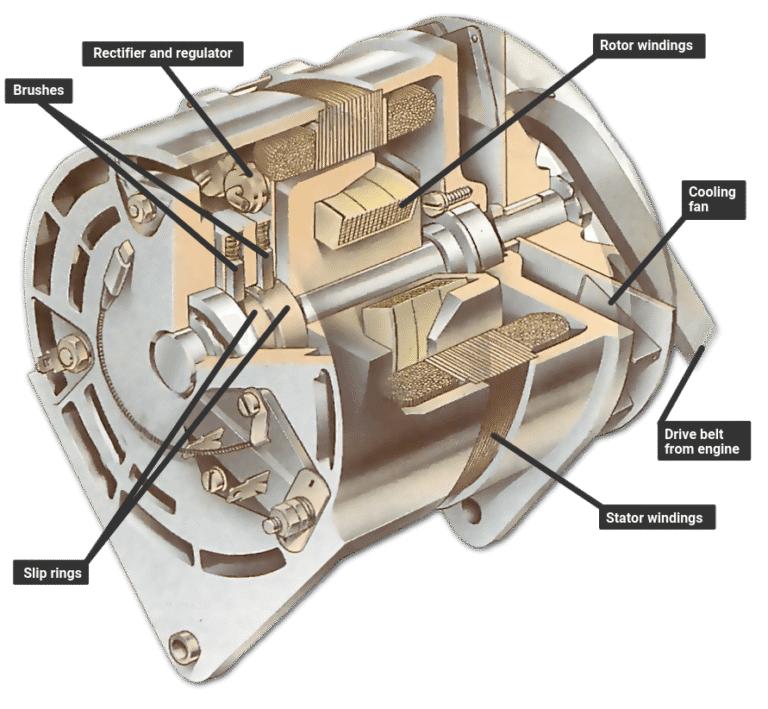
- Jump-starts revived cars that seemed dead, but repeated failure traced back to an old alternator.
From those cases, don’t rush to swap expensive parts. Start with batteries, fuses, and simple checks. Keep receipts and note what you tried before visiting a shop.

When to call a professional
Call a mechanic when you see any of these signs:
- The car shows immobilizer errors or won’t recognize any fob.
- Multiple electrical systems fail at once.
- You suspect damaged wiring, water intrusion, or module failure.
- The starter cranks but the engine won’t run, or there’s grinding.
A certified technician can run module-level diagnostics and safely replace or reprogram smart key systems. For many modern cars, dealer-level tools are needed to program fobs.

Cost estimates and parts to expect
Here are ballpark costs you might expect when push button start not working requires repair:
-
Key fob battery
Cost: $3–$10. -
Key fob replacement or reprogramming
Cost: $100–$400 depending on make; dealer reprogramming adds labor. -
Car battery replacement
Cost: $80–$250 plus installation. -
Starter motor
Cost: $150–$700 parts + labor depending on access. -
Immobilizer or BCM repair/replacement
Cost: $200–$1,200 depending on the module and programming needs.
Prices vary by make, model, and location. Ask the shop for a written estimate and parts list.
Preventive maintenance and tips to avoid push button start failure
Keep your car’s push button start reliable with these habits:
-
Replace fob and car batteries on schedule
A fresh battery is cheap insurance. -
Keep spare fob batteries in your glove box
That quick swap can save a tow. -
Protect fobs from water and extreme heat
Water and heat can kill fob electronics. -
Regularly inspect fuses and wiring
Look for corrosion or loose connectors during routine care. -
Update software when recommended
Dealer updates can fix bugs that affect the start system. -
Avoid storing fobs near strong magnets or electronics
Interference can block the fob signal.
These steps reduce the odds that your push button start not working at an inconvenient time.

Related concepts and safety considerations
Understanding related systems helps when push button start not working:
-
Immobilizer systems
They block engine start if the fob isn’t authenticated. While secure, they add another point of failure. -
Passive entry and start
Some cars unlock and start automatically when the fob is near. Interference or low batteries can disrupt this. -
Valet or limp modes
Some vehicles restrict functions if a problem is detected. Check your manual for modes that affect starting. -
Cold weather effects
Cold reduces battery output and fob performance. Keep batteries warm and test before winter.
Always take safety first. If the car behaves oddly or warning lights appear, don’t attempt risky repairs. A stable environment and the right tools matter.

Frequently Asked Questions of push button start not working
Why does my car not start when I press the push button?
A weak key fob battery, dead car battery, or bad brake switch often prevents start. Check the fob battery and car battery first before deeper diagnostics.
Can a bad key fob stop the car from starting?
Yes. If the car can’t read the fob signal, the immobilizer may block starting. Replacing the fob battery or using a spare key fob often fixes this.
Will jump-starting help if the push button start not working?
Jump-starting helps when the car battery is low and electronics won’t power up. If the issue is the fob or immobilizer, jump-starting won’t solve it.
How long does key fob programming take?
Programming a fob usually takes 15–60 minutes with the right tools. Dealer-level programming can be faster but may cost more.
Is it safe to drive if the push button start acts up?
Driving is okay if the engine runs normally and no warning lights indicate major faults. If the car stalls or shows security warnings, stop and seek help.
Conclusion
A push button start not working is usually fixable with simple steps: check the key fob battery, car battery, fuses, and brake switch first, then move to module-level diagnostics if needed. Use the troubleshooting order here to save time and money, and call a professional when errors point to immobilizer or module faults. Take action now: swap a fob battery, try a spare key, and note any error messages to help a mechanic diagnose the issue faster. If this guide helped, leave a comment with your car make and symptom — I’ll share tailored tips.