Transmission not shifting properly often signals fluid, sensor, or internal wear issues.
I write about cars every day and have worked alongside technicians on driveability problems for years. This guide explains why a transmission not shifting properly happens, how to diagnose it, and what to do next. Read on for clear steps, real-world tips, and cost expectations so you can act with confidence.

Symptoms and signs of a transmission not shifting properly
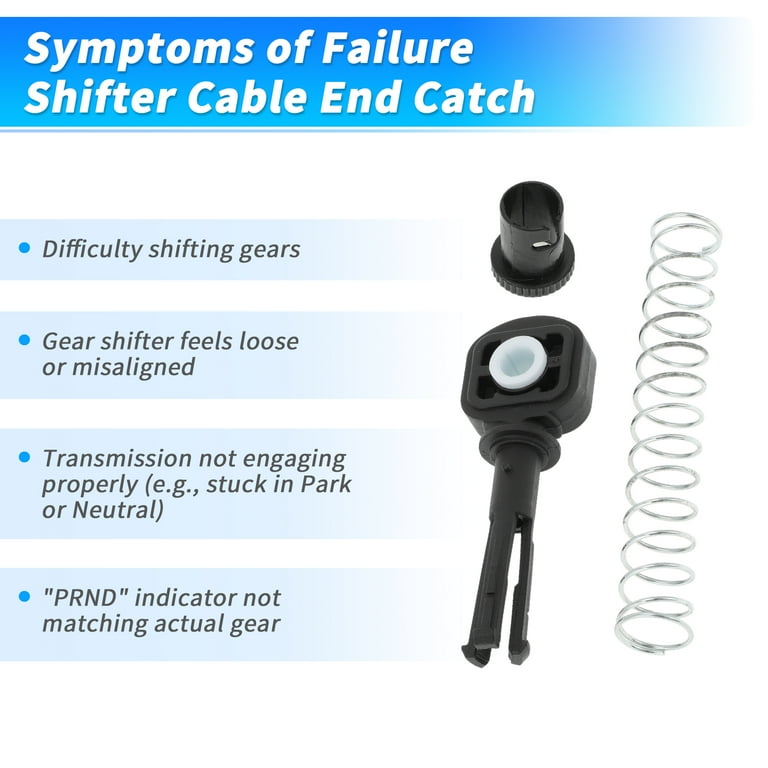
A transmission not shifting properly shows clear, repeatable signs while driving. You may feel delayed gear engagement, hard shifts, slipping, or strange noises. These symptoms often get worse over time and may vary by speed or load. Noticing patterns helps pinpoint whether the issue is electrical, fluid-related, or mechanical.

Common causes of a transmission not shifting properly
Many problems can make a transmission not shifting properly. Here are the usual suspects:
- Low or dirty transmission fluid. Old fluid or low level can cause delayed or harsh shifts.
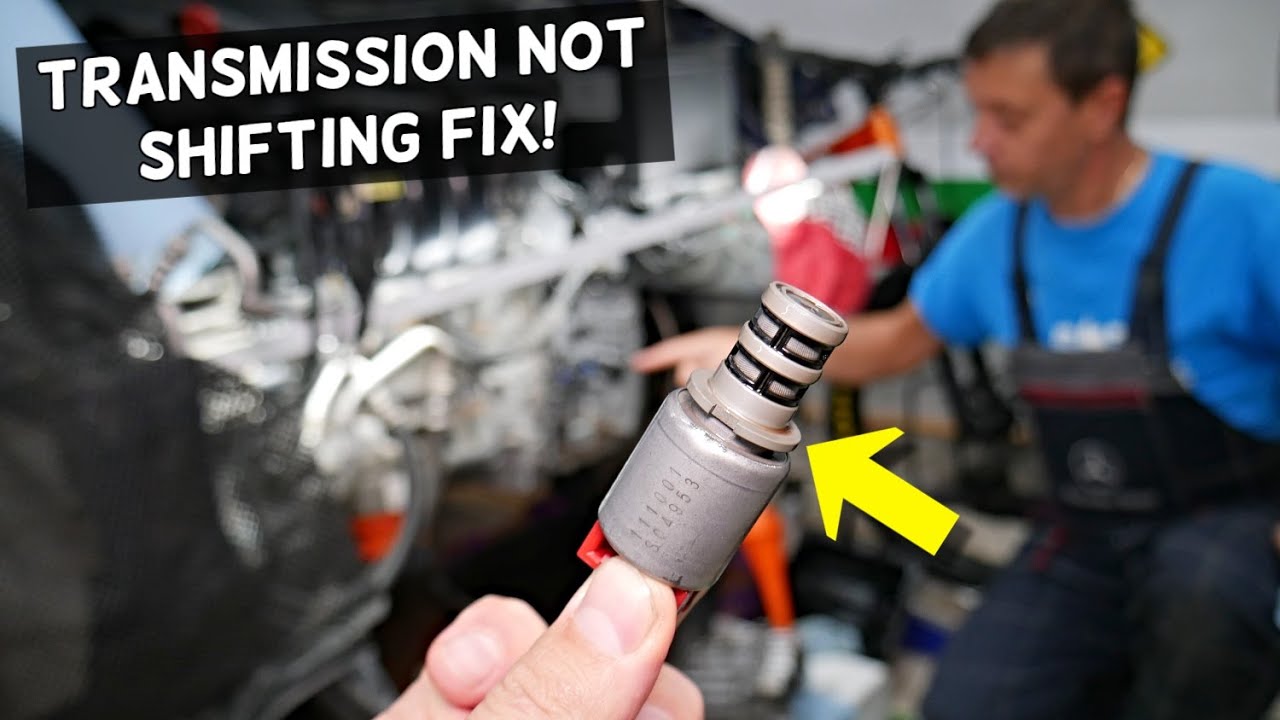
- Faulty shift solenoids or sensors. These control gear changes and can fail electrically.
- Worn clutch packs or bands. Internal wear leads to slipping and poor gear engagement.
- Torque converter problems. If the converter fails, the car may hesitate or stall.
- Valve body faults. A sticking valve can change shift timing or pressure.
- Transmission control module or wiring issues. Bad wiring or software errors may confuse gear commands.
- External leaks or overheating. Heat damages components and breaks down fluid fast.
Each cause produces different clues. Start with fluid checks and simple diagnostics to narrow it down.

How to diagnose and troubleshoot a transmission not shifting properly
Diagnosing a transmission not shifting properly starts with simple checks. Use this step-by-step approach.
- Check the transmission fluid level and color.
- Park on level ground and read the dipstick if your car has one.
- Fluid should be pink or red and smell clean. Dark or burnt-smelling fluid signals trouble.
- Scan for trouble codes.
- A basic OBD2 scanner can reveal transmission and sensor codes.
- Note codes and look them up before replacing parts.
- Listen and feel while driving.
- Note when the issue shows up: cold start, after warm-up, at specific speeds, or under load.
- Test for slipping.
- Accelerate gently in a safe area. If RPMs rise without speed, the transmission may be slipping.
- Check for leaks and overheating.
- Look under the car and check for hot-smelling fluid after driving.
- Inspect wiring and connectors.
- Corrosion or loose plugs to the transmission control module can cause erratic shifts.
PAA-style question: What should I check first if my transmission not shifting properly?
- Check fluid level and fluid condition first. Then scan for fault codes to guide repairs.
PAA-style question: Can a transmission control module cause a transmission not shifting properly?
- Yes. Faulty modules or wiring can mismanage shift timing and cause poor shifting.

When to see a professional mechanic for a transmission not shifting properly
If basic checks don’t fix the issue, get professional help. Serious signs include burning smells, metal flakes in fluid, complete loss of drive, or repeated limp-mode errors. A pro can perform pressure tests, remove the transmission pan, and test solenoids and valve body behavior. Early professional diagnosis often saves money by preventing more damage.
Repair options and typical costs for a transmission not shifting properly
Options depend on diagnosis. Typical choices and rough costs:
- Fluid and filter change. Often the first fix. Costs range from low to moderate depending on fluid type.
- Solenoid replacement. Moderate cost and commonly fixes electrical shift problems.
- Valve body repair or rebuild. Higher cost; sometimes needed for persistent shift timing issues.
- Rebuild transmission. Extensive repair when internal wear or clutch packs fail. Cost is higher but can extend life.
- Replace transmission. The most expensive option. Considered when damage is severe or salvage/used units are practical.
Expect wide price ranges based on vehicle make, model, and labor rates. Always get a written estimate and ask about warranties.
Preventive maintenance to avoid a transmission not shifting properly
Simple habits keep the transmission healthy and reduce the chance of a transmission not shifting properly.
- Check fluid regularly. Follow the owner’s schedule.
- Change filter and fluid when recommended. Prevents debris buildup.
- Avoid heavy towing beyond vehicle limits. Heat and strain shorten transmission life.
- Keep the cooling system in good shape. Overheating damages fluid and parts.
- Install an auxiliary cooler if you tow often. It reduces heat stress.
- Drive gently during warm-up in cold weather. Cooler fluid shifts poorly when cold.
Small actions now save big repair bills later.

Personal experience and practical tips
I once helped diagnose a truck that felt like it was slipping. The owner thought it needed a rebuild. I checked the fluid and found it dark and burnt. A fluid and filter change fixed most symptoms. Lesson learned: check the easy things first. Another time, a friend had erratic shifts caused by a damaged transmission wiring harness after an off-road trip. Replacing the harness restored normal shifting. My advice: document symptoms, avoid driving when severely impaired, and get clear quotes before authorizing major work.
Frequently Asked Questions of transmission not shifting properly
Why does my transmission not shifting properly only when cold?
Cold fluid is thicker and shifts can feel hard until the fluid warms. If the issue persists after warm-up, it may indicate deeper mechanical or electronic problems.
Can low fluid cause a transmission not shifting properly?
Yes. Low fluid reduces hydraulic pressure and often causes slipping, delayed engagement, or harsh shifts. Always check fluid level and top up with the correct type.
Is it safe to drive with a transmission not shifting properly?
Short, cautious drives are okay for diagnosis, but prolonged driving risks more damage. If you smell burning or lose drive, stop and tow the vehicle.
Will changing the fluid fix a transmission not shifting properly?
Sometimes. If old or contaminated fluid is the cause, a fluid and filter change can restore proper shifts. It won’t fix internal mechanical failure.
How long does a transmission repair take for a transmission not shifting properly?
Minor repairs like solenoid changes can take a few hours. Rebuilds or replacements may take several days. Time depends on complexity and parts availability.
Can software updates fix a transmission not shifting properly?
Yes. Manufacturers sometimes release TCM software updates that improve shifting. A dealer or shop with the right tools can apply these updates.
What are signs of a failing torque converter when a transmission not shifting properly?
Symptoms include shuddering, slipping under load, and poor acceleration. Diagnosis may require a stall test or professional inspection.
Conclusion
A transmission not shifting properly is a common but fixable problem when you act early. Start with fluid checks, scan for codes, and note patterns. Use basic troubleshooting and get professional help for serious signs. Take preventive steps to protect your transmission and save money long term. Try the checks outlined here, share your experience, or ask a mechanic for a clear estimate—then decide the next step. If this guide helped, leave a comment or subscribe for more car-care tips.