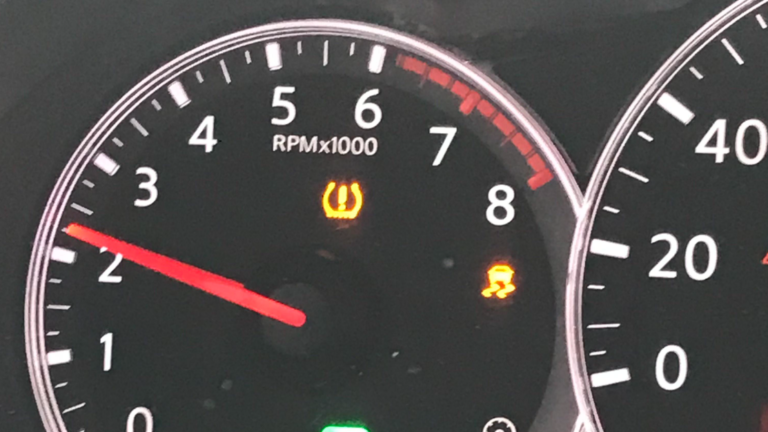
A blown fuse, bad motor, or faulty switch often causes power windows not working.
I’ve spent years fixing cars and troubleshooting electrical problems, so I know how frustrating it is when power windows not working cuts into your day. This guide explains why power windows stop working, how to diagnose the issue step by step, simple DIY fixes, cost and time estimates, safety tips, and when to call a pro — everything you need to get your window moving again.
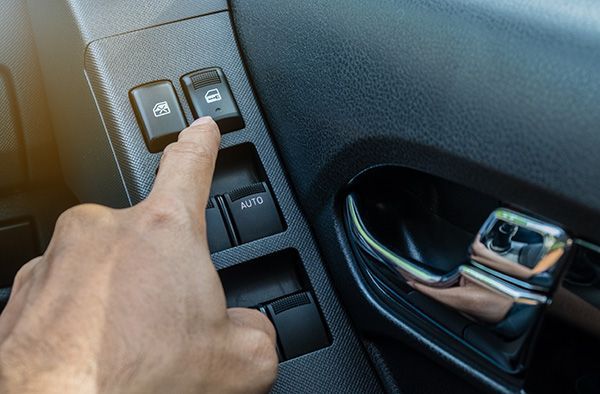
How power windows work
Power windows use a few simple parts to move glass up and down. Key parts are the switch, wiring, fuse, motor, and regulator. When you press the switch, it sends current through wiring to the motor. The motor drives the regulator, which moves the window.
Knowing these parts helps you find why power windows not working. Most problems stem from one of these components failing or losing power. A clear idea of the system makes troubleshooting faster and cheaper.
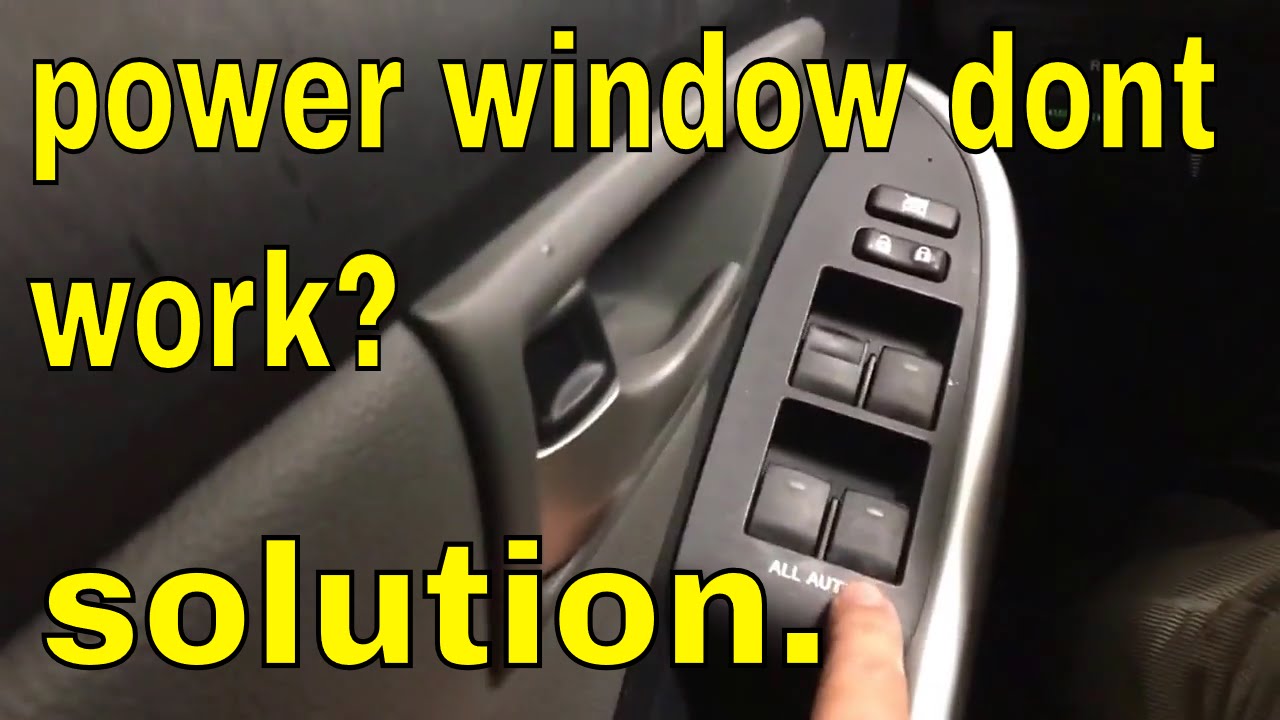
Common causes of power windows not working
Here are the usual suspects when power windows not working:
- Blown fuse: A protective fuse may blow and cut power to the circuit.
- Faulty switch: The door switch can wear out or lose contact.
- Bad motor: Window motors can burn out or become weak.
- Broken regulator: The mechanical regulator can fail or the cable can snap.
- Wiring issues: Corrosion, broken wires, or poor grounds interrupt power.
- Window off track: Glass or sliders can bind and overload the motor.
- Body control module or relay failure: Some cars use modules and relays that can fail.
Understanding these causes helps you target the right test and avoid unnecessary parts replacement. I’ve seen simple fuse changes fix noisy shop visits and major repairs avoided by good diagnosis.
Tools and safety checklist before you start
Basic tools and safety items to have ready:
- Screwdrivers: Phillips and flathead for panels.
- Socket set: 8mm to 13mm commonly used on door bolts.
- Multimeter: For testing power, continuity, and grounds.
- Trim tools: To remove door panels without damage.
- Gloves and safety glasses: Protect your hands and eyes.
- Tape and marker: Mark fastener locations and hold glass if needed.
Safety tips when working on power windows not working:
- Disconnect the battery before heavy motor work.
- Support the window glass before removing the regulator.
- Keep fingers clear of moving parts.

Step-by-step troubleshooting for power windows not working
Follow these steps in order to find the issue quickly.
-
Check the obvious
- Try other windows to see if the problem is isolated.
- Test the master switch and the individual door switch.
-
Inspect the fuse and relay
- Locate the fuse box and check the window fuse.
- Replace the fuse with same amp rating if blown.
- Swap a similar relay to test if available.
-
Test power at the switch
- Use a multimeter to check for 12V at the switch connector when pressed.
- No voltage suggests wiring, fuse, or relay issues.
-
Bypass the switch to test the motor
- Apply 12V directly to the motor terminals briefly to see if it runs.
- If the motor runs, the switch or wiring is the likely cause.
-
Check the regulator and track
- Remove the door panel and inspect regulator cables and sliders.
- Manually move the window to see if it binds or falls.
-
Inspect wiring and grounds
- Check wiring in the door jamb for broken conductors.
- Clean and tighten ground connections.
These tests isolate whether the problem is electrical or mechanical. Work stepwise to avoid replacing parts you don’t need.

Quick PAA-style questions
What if only one window is slow but still works?
- Slow operation usually means a weak motor or dirty tracks causing extra friction. Clean the tracks and check motor current draw to confirm.
Can a bad switch cause all windows to fail?
- Yes. On some cars the master switch or a body control module can affect all windows. Test individual door switches to isolate the master switch.
How do I know if the motor is dead?
- Bypass the switch and apply 12V directly to the motor. No response means the motor is likely bad; a weak or intermittent response suggests failing brushes or internal wear.
DIY repair guide for common fixes
Replace a blown fuse
- Find the fuse box and the window fuse location in the manual.
- Replace with the same amp fuse and test the window.
Fix a faulty switch
- Remove the switch panel and inspect for corrosion or broken clips.
- Swap switches from another door if compatible, or replace the switch assembly.
Replace a motor
- Remove door panel and regulator as needed.
- Unplug motor wiring, unbolt the motor, and install the new motor.
- Test motor before reinstalling the panel.
Repair a regulator or cable
- Inspect for broken gears, bent arms, or snapped cables.
- Replace the regulator assembly or repair the cable mechanism.
- Re-lubricate tracks and rollers before reassembly.
Realistic expectations: some jobs take 30 minutes; others, like replacing a regulator, can take 2–4 hours. Keep instructions simple and always support the glass to prevent damage.
Costs and time estimates
Typical cost and time ranges when power windows not working:
- Fuse replacement: Parts $5–$20, time 5–15 minutes.
- Switch replacement: Parts $20–$150 depending on car, time 30–60 minutes.
- Motor replacement: Parts $50–$200, time 1–2 hours.
- Regulator replacement: Parts $50–$300, time 1.5–4 hours.
- Professional labor: $80–$150 per hour depending on shop and region.
DIY can save money but requires tools and patience. If you’re unsure, get a shop estimate first to avoid surprises.

When to call a professional
Call a professional if any of these are true:
- The wiring looks damaged or you find electrical shorts.
- The window glass is shattered, or the regulator is badly bent.
- A body control module or complex electrical diagnosis is needed.
- You don’t have the tools or time for a safe repair.
A pro has diagnostic gear and replacement parts access. They also offer warranty and safety for complex repairs.

Preventive maintenance and tips to avoid future issues
Simple habits prolong window life and reduce the chance of power windows not working:
- Clean and lubricate window tracks once a year.
- Avoid holding the switch when window is obstructed; use short presses.
- Keep door seals and drainage holes clear to prevent rust and corrosion.
- Use windows regularly to prevent motors from seizing.
These small steps prevent many common failures and save money over time.
Personal experiences and lessons learned
From my time fixing cars, I learned three things fast. First, always check the fuse and try a switch swap before buying major parts. Second, a stuck window often damages the motor if you keep powering it — stop and inspect. Third, gently supporting the glass saves hours and costly mistakes.
One memorable repair: a 10-year-old sedan had all windows dead. The shop wanted a full wiring harness replacement. I found a single corroded relay in the cabin fuse box. Swapping it fixed every window in five minutes. That taught me to diagnose carefully and not assume the worst.
Frequently Asked Questions of power windows not working
Why does my power window work sometimes and not other times?
Intermittent operation usually points to a loose connection, worn switch, or failing motor brushes. Check switch contacts and wiring for corrosion and test while wiggling connectors.
Can a dead car battery cause power windows not working?
Yes. If the battery is low, there might not be enough voltage to run the motor. Test battery voltage and try starting the car; windows often run better with the engine on.
Is it safe to force a stuck window by hand?
Forcing the window can damage the glass, regulator, or motor. If it’s stuck, disconnect power and inspect the track or mechanism before moving the glass.
How long do power window motors typically last?
A motor can last 5–15 years depending on use and maintenance. Frequent heavy use, dirt, or binding tracks shorten motor life.
Will using silicone spray help power window problems?
Silicone spray can reduce friction and help a binding track, but it won’t fix electrical problems or a burned motor. Use it as part of maintenance after cleaning the tracks.
Conclusion
Power windows not working is a common, fixable problem when you approach it with a clear plan. Start with simple checks like fuses and switches, then move to wiring tests and motor checks. Small preventative steps can keep windows working for years, and careful diagnosis saves time and money. Try the troubleshooting steps here, and if the issue feels beyond a safe DIY fix, contact a trusted technician. Share your experience or questions below, and subscribe for more practical car repair guides.