For drivers in the United States, car shampoo is a cleaning product made for a vehicle’s painted surfaces, glass, trim, wheels, and other exterior parts. It uses water, surfactants, and lubricating agents to loosen road film, dust, salt, grease, and dirt while reducing the chance of scratches during washing.
Unlike household dish soap, car shampoo is designed to work with automotive paint, clear coats, waxes, and sealants. The right formula helps clean a vehicle without needlessly removing its protective finish.
What Does Car Shampoo Do?
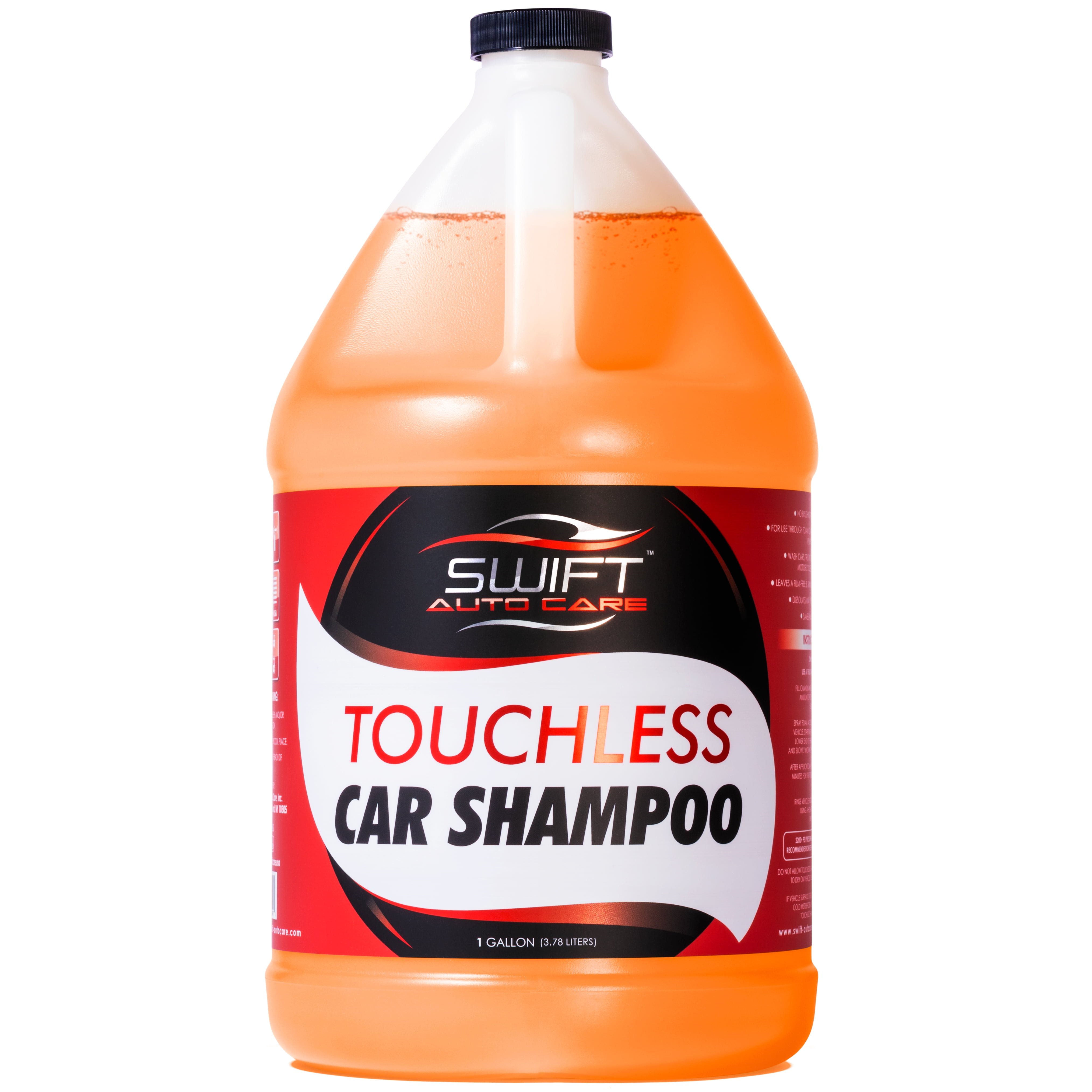
Car shampoo lifts dirt from a vehicle so it can be rinsed away with less rubbing. Its main job is to clean the surface while adding enough lubrication to help a wash mitt glide over the paint.
A typical car shampoo may contain:
- Surfactants: Ingredients that break the bond between dirt and the paint.
- Lubricants: Ingredients that help reduce friction during washing.
- Water softeners: Ingredients that help the product work in hard water.
- Foam agents: Ingredients that create visible suds and spread the product.
- Gloss or protection additives: Optional ingredients that may leave a slick feel or light protection.
Foam looks useful, but foam alone does not prove that a car shampoo cleans well. A low-foam product can still provide strong cleaning and lubrication. The formula, dilution, wash method, and amount of dirt on the vehicle matter more than the height of the foam.
How car shampoo cleans
Dirt can contain dust, sand, oil, asphalt residue, pollen, bird droppings, and road salt. Some particles sit loosely on the paint. Others cling to the surface through oils or static charge.
Surfactants help surround these particles. Water then carries the loosened material away. Lubricants help the wash mitt move across the surface instead of dragging dry grit over the clear coat.
Car shampoo does not make a dirty wash mitt safe. If the mitt holds sand or road grit, rubbing it across the paint can still cause fine scratches.
Car shampoo versus car soap
The terms car shampoo and car soap are often used for the same type of product. In everyday automotive care, both usually mean a liquid cleaner intended for exterior vehicle surfaces.
The word “soap” can also mean a true soap made by reacting fats or oils with an alkaline substance. Many modern automotive cleaners are technically detergents, not traditional soaps. For buyers, the more useful questions are:
- Is the product made for automotive paint?
- Does it provide good lubrication?
- Is it safe for the protection already on the vehicle?
- Does the label give a clear dilution ratio?
- Is it suitable for a bucket, foam cannon, or both?

Why Use Car Shampoo Instead of Dish Soap?
Car shampoo is usually the better choice because it is made for automotive finishes and wash conditions. Dish soap is designed to cut cooking oils from dishes. That strong degreasing action may also reduce or remove some waxes, spray sealants, and other temporary protection.
This does not mean one wash with dish soap will destroy a vehicle’s clear coat. Modern automotive clear coats are generally durable. The concern is repeated use, poor lubrication, strong dilution, and aggressive washing.
Dish soap can also leave a surface that feels less slick. That change may mean the wax or sealant has been reduced. It does not necessarily mean that the paint itself has been damaged.
When dish soap may be useful
Dish soap may have a limited role when you deliberately want to remove oily residue or old protection before a correction or coating process. Even then, a purpose-made automotive prep cleaner may be easier to control.
Do not use dish soap as a regular maintenance wash if you want to preserve wax, a paint sealant, or a ceramic coating.
What about laundry detergent or household cleaners?
Laundry detergent, bathroom cleaner, glass cleaner, and multipurpose household products may contain ingredients that are too harsh, too alkaline, abrasive, or unsuitable for automotive trim.
Avoid using products unless the label clearly says they are suitable for the surface. The wrong cleaner can cause:
- Dull or stained trim
- Streaked glass
- Dry rubber seals
- Faded unpainted plastic
- Reduced wax or sealant life
- Surface marks on delicate finishes
Types of Car Shampoo
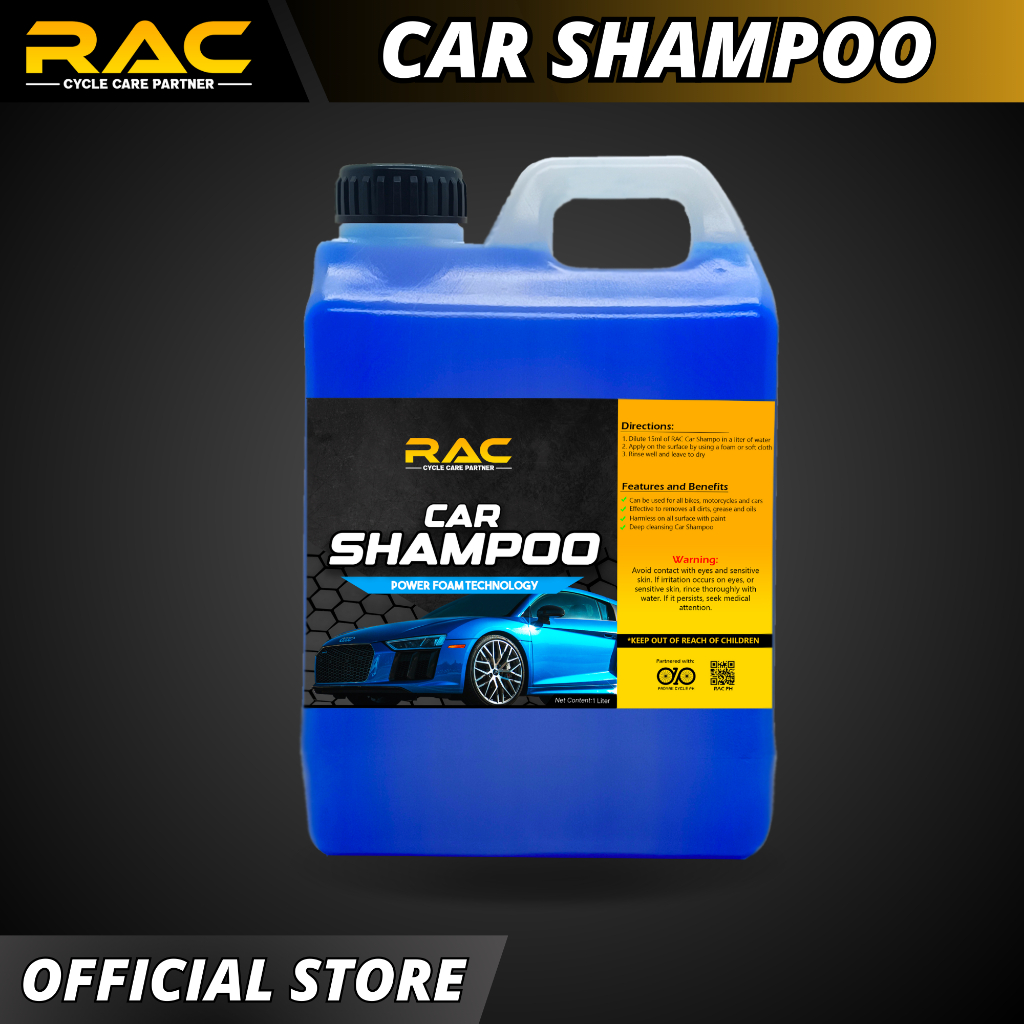
Different car shampoos serve different washing goals. The best type depends on the vehicle’s condition, the existing protection, and the cleaning method.
| Type of car shampoo | Main purpose | Best use | Key limitation |
|---|---|---|---|
| pH-neutral shampoo | Routine cleaning | Regular maintenance washes | May be too mild for heavy grease |
| High-lubricity shampoo | Safer hand washing | Dusty or moderately dirty paint | Still needs a clean mitt |
| Wash-and-wax shampoo | Cleaning with a light gloss effect | Vehicles washed often | Does not replace a durable wax |
| Ceramic or SiO2 shampoo | Adds temporary slickness or water behavior | Vehicles with compatible coatings | Results vary by formula and surface |
| Heavy-duty or alkaline shampoo | Stronger cleaning | Very dirty vehicles or pre-wash work | May reduce existing protection |
| Waterless wash product | Low-water cleaning | Light dust on a cool, smooth surface | Unsafe for heavy dirt or grit |
| Rinseless wash solution | Cleaning with very little water | Garages, apartments, and water limits | Requires correct towels and method |
pH-neutral car shampoo
A pH-neutral shampoo is close to neutral on the pH scale when mixed as directed. It is commonly used for routine maintenance because it is less likely to affect waxes and sealants than a strong acidic or alkaline cleaner.
“pH-neutral” does not mean harmless in every situation. Concentration, contact time, temperature, and friction still matter.
Wash-and-wax shampoo
Wash-and-wax products may leave a temporary gloss or slick feel. They can be useful for a vehicle that already has protection and needs a simple maintenance wash.
They should not be confused with a dedicated wax or paint sealant. A wash-and-wax shampoo usually does not provide the same durability or coverage as a separate protection product.
Ceramic or SiO2 shampoo
Some shampoos contain silica-based additives marketed for coated or protected vehicles. They may improve slickness or water behavior for a short time.
These products do not automatically create a professional ceramic coating. Follow the product label, especially if the vehicle has a coating from a manufacturer with specific maintenance instructions.
Heavy-duty shampoo
Heavy-duty formulas can help remove oily road film, traffic grime, and neglected dirt. They are often more useful as part of a deep-cleaning process than as a weekly wash.
If the vehicle has wax, a sealant, or another temporary protectant, a strong cleaner may shorten its life. Use it when the cleaning benefit is worth that trade-off.
How to Choose the Right Car Shampoo
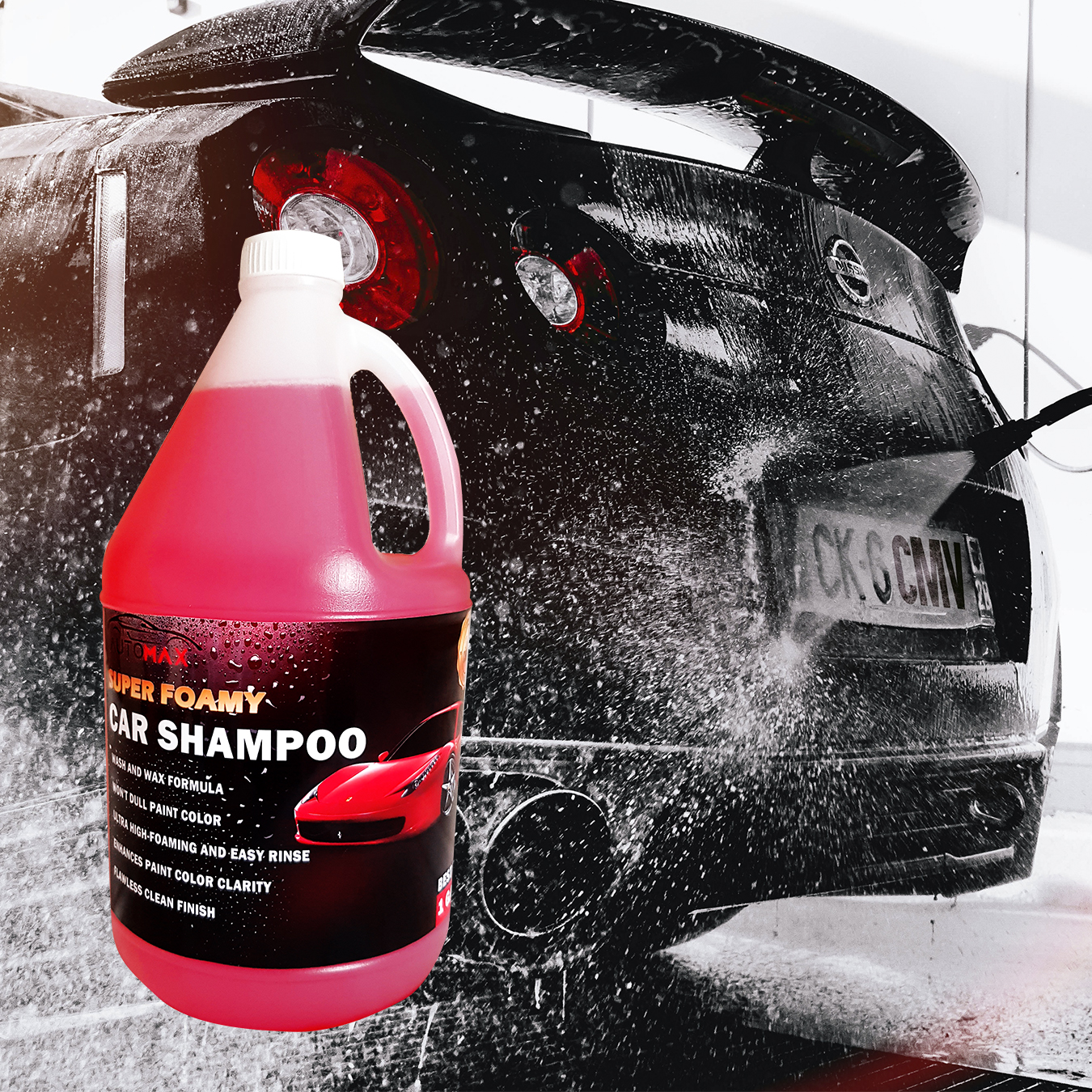
Choose car shampoo based on the vehicle’s dirt level and the protection you want to keep. A mild, lubricating shampoo is usually the starting point for a maintained vehicle.
Use this simple guide
- Light dust or normal weekly dirt: Choose a pH-neutral maintenance shampoo.
- A waxed or sealed vehicle: Choose a product labeled safe for waxes or sealants.
- Heavy road film: Use a pre-wash product or stronger cleaner before hand washing.
- A ceramic-coated vehicle: Follow the coating maker’s care guide.
- Hard water: Choose a shampoo with good rinsing behavior and dry the car promptly.
- A water-restricted location: Consider a rinseless wash for light to moderate dirt.
- A very dirty vehicle: Do not use a waterless wash method unless the product specifically supports that condition.
Check the dilution ratio
A shampoo that says “one ounce per gallon” is not directly comparable to one that says “10 milliliters per 5 liters.” Convert the instructions before comparing cost or strength.
For example, a hypothetical product used at 1 fluid ounce per 5 gallons uses:
- 0.2 fluid ounce per gallon
- About 6 milliliters per gallon
Always follow the label. More product does not always mean better cleaning. Too much shampoo can make rinsing harder and may leave residue.
Look for useful label information
A trustworthy label should state:
- Intended surfaces
- Recommended dilution
- Suitable wash tools
- Whether it is safe for waxes or coatings
- Whether it is designed for foam guns, foam cannons, buckets, or rinseless use
- Basic handling and storage instructions
Do not choose a product only because it makes thick foam or has a strong fragrance. Those features do not prove better cleaning or better paint safety.

How to Wash a Car With Car Shampoo
A safe wash starts with loose dirt removal. The less grit you drag across the paint, the lower the risk of wash marks.
What you need
Gather:
- Automotive car shampoo
- Two clean buckets, if using the two-bucket method
- A hose or pressure washer
- A soft microfiber wash mitt
- A separate wheel brush or mitt
- Several drying towels
- A grit guard, if you use one
- Wheel cleaner, if needed
Keep wheel tools separate from paint-washing tools. Brake dust and road grit can scratch painted surfaces.
Step-by-step method
-
Park in a shaded, cool area.
Avoid washing a hot vehicle or allowing shampoo to dry on the paint. -
Rinse the vehicle first.
Remove loose dust, sand, and salt with water. Start at the top and work downward. -
Clean the wheels separately.
Wheels often carry the most abrasive dirt. Use the correct cleaner for the wheel finish and follow its label. -
Mix the shampoo as directed.
Do not guess at the concentration. Use clean water and the label’s ratio. -
Wash from top to bottom.
The roof, glass, and upper panels are often cleaner than the lower doors, rocker panels, and rear bumper. -
Work in small sections.
Use light pressure. Let the shampoo and mitt do the work. -
Rinse the mitt often.
Dip it in a separate rinse bucket before returning it to the shampoo bucket. -
Rinse the vehicle fully.
Remove all shampoo from panel gaps, trim, mirrors, and emblems. -
Dry without letting water evaporate.
Use a clean microfiber drying towel or a suitable air blower. Do not use a dirty towel. -
Inspect the finish.
Look for remaining tar, sap, bug residue, or bonded contamination. Do not scrub hard to remove it.
The two-bucket wash method
The two-bucket method uses:
- One bucket for shampoo
- One bucket for rinsing the wash mitt
The rinse bucket helps remove grit before the mitt returns to the shampoo. It does not make an unsafe wash method safe by itself. You still need to rinse the vehicle first, use clean tools, and apply light pressure.
Signs of a successful wash
After washing, the paint should be:
- Free of loose dirt
- Free of visible shampoo residue
- Even in appearance
- Dry without heavy water spots
- Free of new obvious wash marks under suitable light
If the paint still feels rough, the problem may be bonded contamination rather than poor shampoo. Tar, tree sap, industrial fallout, and overspray may need a separate treatment.

Common Car Shampoo Mistakes
Many wash problems come from technique, not the shampoo itself.
Washing in direct sun
Sun and hot panels make water and shampoo dry quickly. Dried minerals can leave water spots, while dried product can leave streaks.
Wash when the surface is cool. If the product starts to dry, rinse that section at once.
Using one mitt for everything
A mitt used on wheels should not be used on paint. Wheel dirt may contain metal particles, brake dust, and coarse grit.
Use separate tools and label them if needed.
Scrubbing bird droppings or bug remains
Bird droppings and bug residue may contain material that can mark paint if rubbed while dry. Soak the area with water or a suitable cleaner first. Allow time for it to soften, then lift it gently.
Do not scrape with a blade, rough sponge, or dry towel.
Using too much pressure
Pressure can grind grit into the clear coat. Use a light touch and make more than one gentle pass when needed.
A car shampoo cannot prevent scratches caused by hard rubbing or contaminated tools.
Letting shampoo dry
Dried shampoo can leave spots or a dull film. Work in small areas and rinse before the product dries.
Skipping the rinse
A strong stream of water removes much of the loosened dirt before contact washing. Skipping this step increases the amount of grit handled by the mitt.
Mixing chemicals
Do not mix car shampoo with bleach, acids, ammonia, solvents, or other cleaners. Chemical mixtures can create harmful vapors or damage the vehicle. Use each product as directed.
Is Car Shampoo Safe for Wax, Ceramic Coatings, and Paint Protection Film?
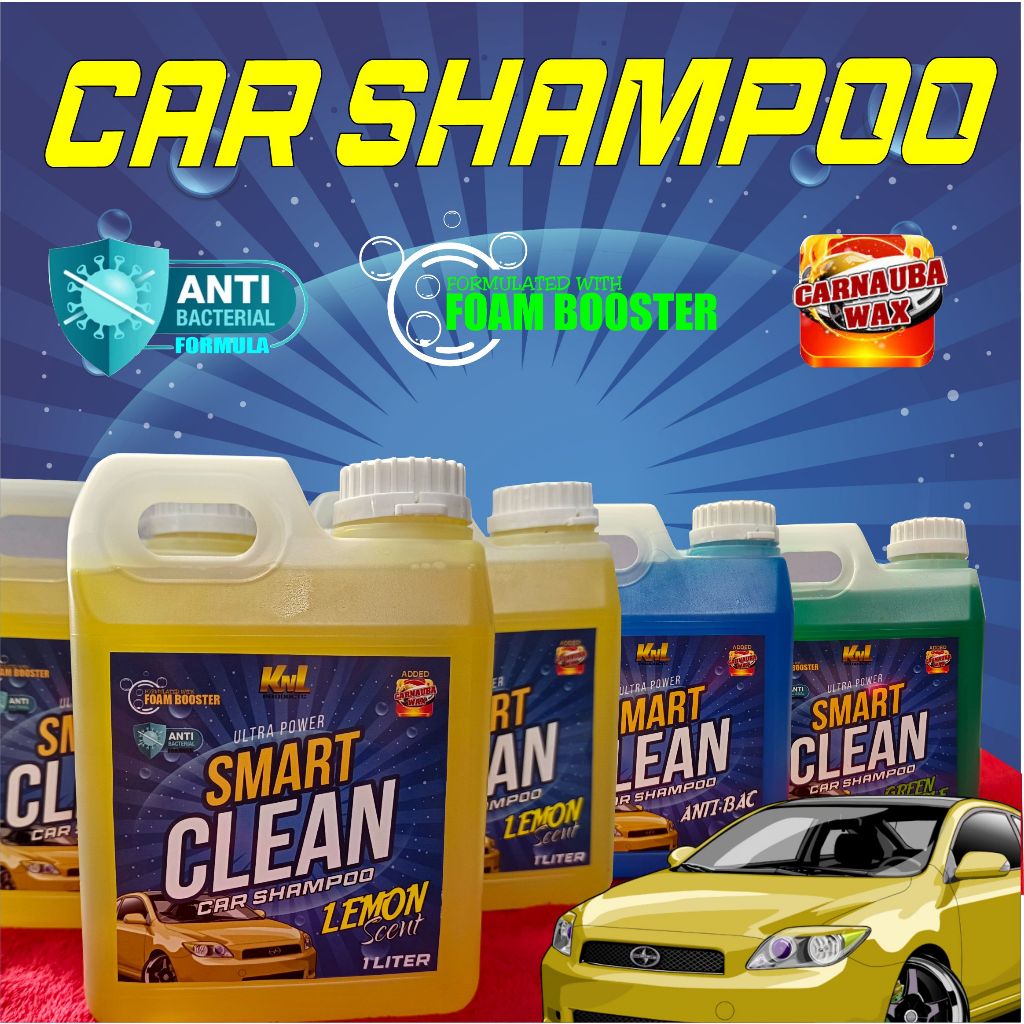
A suitable car shampoo is generally intended to be safe for common automotive surfaces when used as directed. The exact answer depends on the product and the protection system.
Wax and paint sealants
A mild maintenance shampoo usually has a lower chance of reducing wax or sealant than a strong degreaser. However, every wash adds some exposure to water, chemicals, and friction.
A product labeled “wax-safe” is not a guarantee that the wax will last forever. It means the formula is intended for maintenance use under the stated conditions.
Ceramic coatings
Ceramic coatings are hard protective layers, but they are not scratch-proof. Use a clean mitt, proper rinsing, and a coating-compatible shampoo.
Avoid strong cleaners unless the coating maker allows them. A shampoo may be safe for the coating but still fail to remove mineral deposits, tar, or iron particles.
Paint protection film
Paint protection film, or PPF, has its own care requirements. Use a product approved for the film when possible. Avoid harsh solvents, abrasive tools, and aggressive scrubbing.
Check the installer’s instructions for self-healing film, matte film, and special top coats. Matte and satin finishes should not be polished like glossy paint.
Vinyl wraps and matte paint
Gloss products can change how matte or satin surfaces look. Avoid products that contain gloss-enhancing additives unless the manufacturer says they are suitable.
Never use abrasive polish on a matte finish. It can create uneven shiny spots that are difficult to repair.

How Much Car Shampoo Do You Need?
The correct amount depends on the label, bucket size, water hardness, dirt level, and product design. There is no universal dose for every shampoo.
A simple calculation is:
Product needed = water volume × label dilution rate
For a hypothetical label that calls for 1 ounce per 5 gallons:
- A 5-gallon bucket needs 1 ounce.
- A 3-gallon bucket needs 0.6 ounce.
- A 2-gallon bucket needs 0.4 ounce.
These are examples, not universal instructions. Use the product’s own ratio.
Using extra shampoo can cause:
- More residue
- Harder rinsing
- Higher cost
- More product drying on the surface
- No meaningful improvement in cleaning
If the vehicle is very dirty, improve the pre-rinse and wash process rather than simply adding more shampoo.
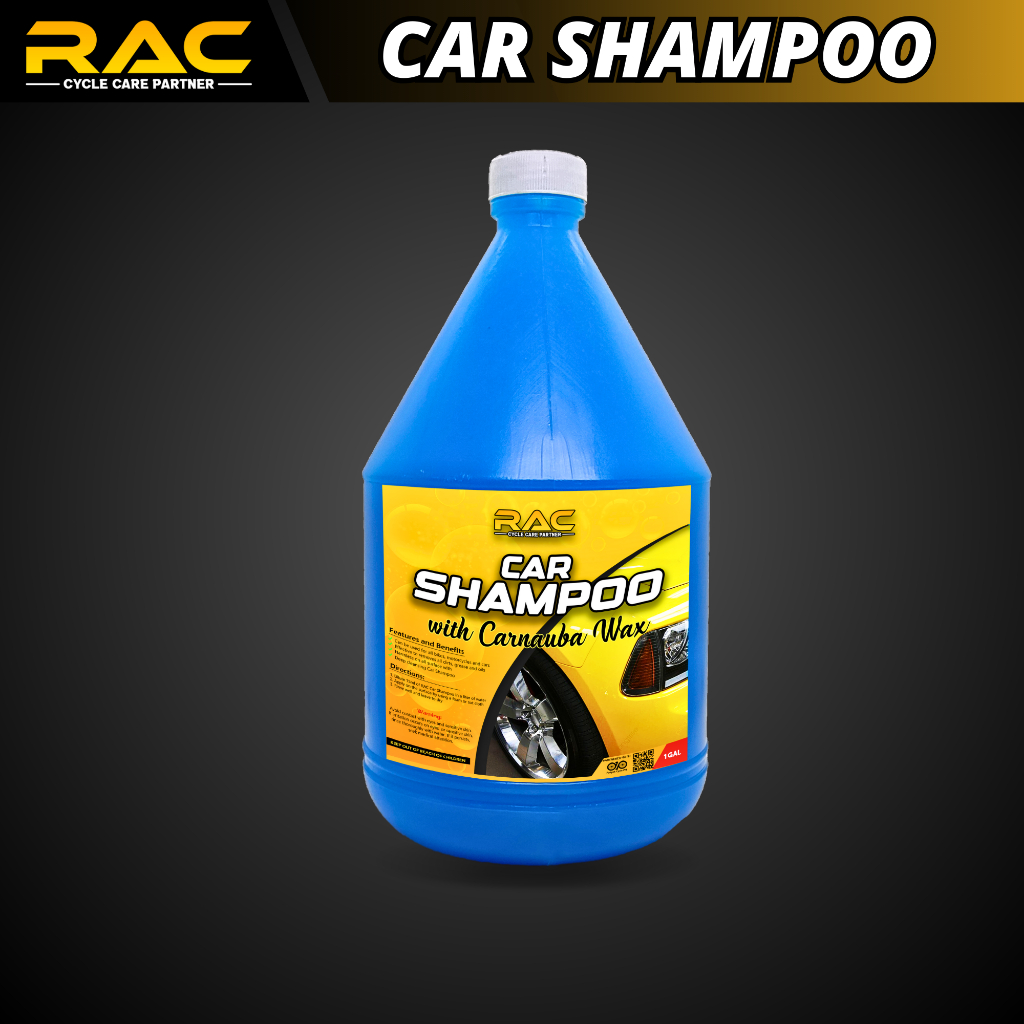
Car Shampoo FAQs
Can I use car shampoo in a foam cannon?
Only if the product is suitable for foam-cannon use. A foam cannon also needs the correct equipment settings, water supply, and dilution. Thick foam does not guarantee better cleaning.
Does car shampoo remove wax?
A mild maintenance shampoo may preserve much of the existing protection when used correctly. Strong alkaline cleaners, degreasers, heat, friction, and repeated washing can reduce wax or sealant performance over time.
Can car shampoo remove scratches?
No. Car shampoo removes dirt. It does not repair scratches, swirl marks, oxidation, or clear-coat damage. Paint correction or professional refinishing may be needed for those problems.
Is more foam better?
No. Foam can help spread a product and make coverage easy to see, but foam volume is not a reliable measure of lubrication or cleaning power.
Can I use car shampoo on the interior?
Usually not. Exterior car shampoo may leave residue or an unwanted sheen on dashboards, leather, fabric, or screens. Use a cleaner made for the specific interior material.
How often should I wash my car?
Wash when the vehicle has visible dirt, salt, bird droppings, or road film. Many U.S. drivers wash every one to two weeks in normal conditions, but winter road salt, coastal air, pollen, construction dust, and heavy rain may change that schedule.
What should I do if water spots remain?
First, wash and dry the vehicle correctly. If spots remain, they may be mineral deposits. Use a paint-safe water-spot remover according to its instructions. Do not use abrasive household powders or hard scrubbing.
Key Takeaways
- Car shampoo is a vehicle-specific cleaner for removing dirt while adding lubrication during washing.
- It is usually a better maintenance choice than dish soap.
- Pick the formula based on dirt level, existing protection, surface type, and wash method.
- Rinse first, use clean tools, wash from top to bottom, and avoid strong pressure.
- Keep wheel tools away from painted surfaces.
- Follow the label’s dilution and safety instructions.
- Car shampoo cannot repair scratches or replace a wax, sealant, ceramic coating, or paint correction service.
Conclusion
Car shampoo is more than a scented soap. It is a purpose-made automotive cleaner designed to loosen dirt and reduce friction during a vehicle wash.
For most maintained vehicles in the United States, a mild, lubricating shampoo used with proper rinsing and clean microfiber tools is the sensible starting point. Choose a stronger formula only when the extra cleaning power is needed, and check compatibility before using it on wax, ceramic coatings, PPF, vinyl, or matte finishes.
The next step is simple: read the label, mix the correct amount, rinse the car well, and wash gently from the cleanest panels to the dirtiest.