What Does Tire Pressure Monitor Fault Mean? Causes, Fixes, and Safety Guide
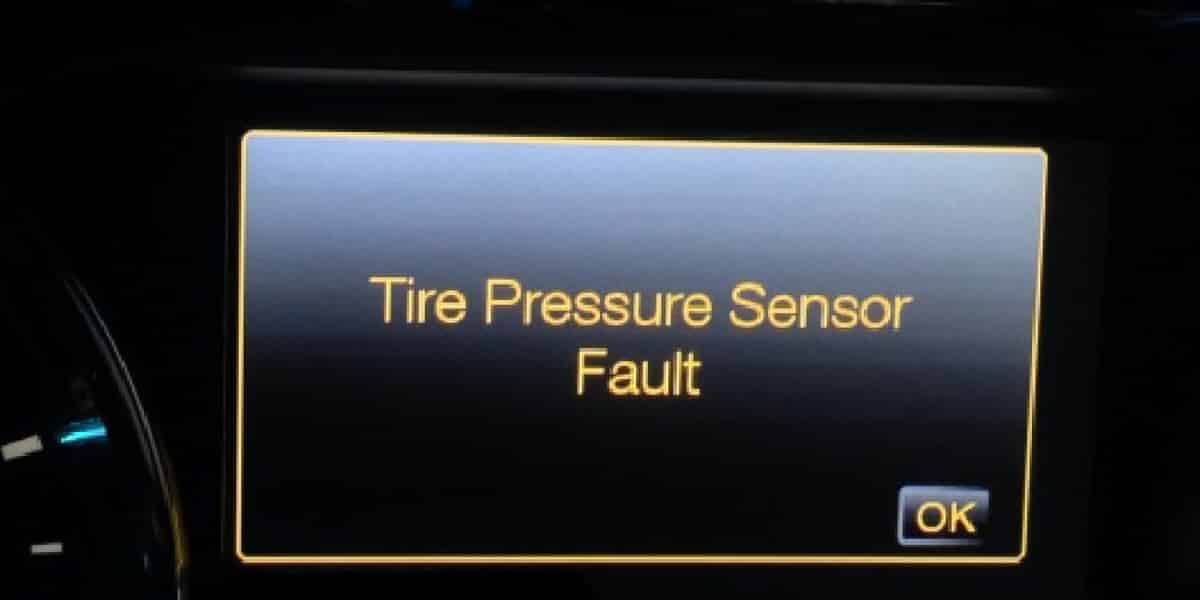
A tire pressure monitor fault means your vehicle’s TPMS has detected a problem with the tire pressure monitoring system itself, not necessarily a low tire pressure condition. The issue may involve a faulty sensor, weak sensor battery, communication problem, or system malfunction.
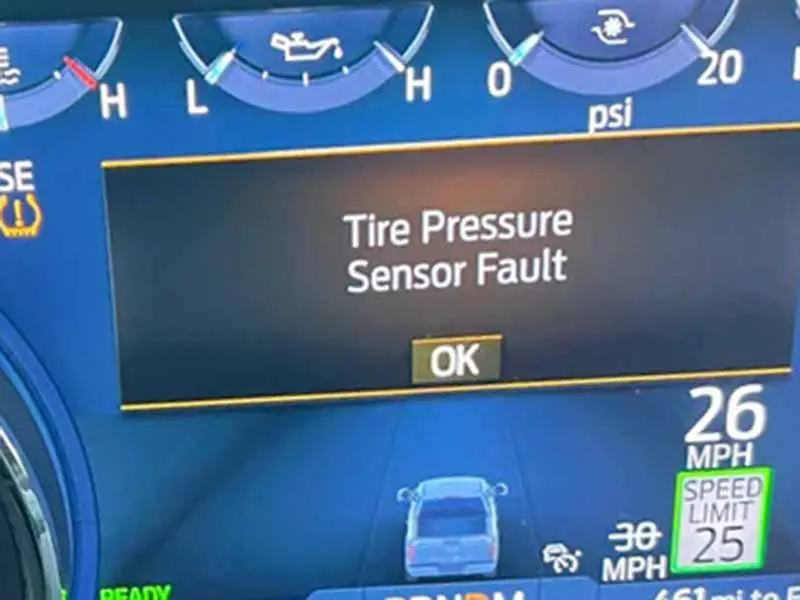
Drivers across the United States may see a tire pressure monitor fault message or TPMS warning light appear on the dashboard when the vehicle cannot properly measure or communicate tire pressure information. Modern vehicles use tire pressure monitoring systems to alert drivers about possible underinflated tires, but a system fault indicates the monitoring equipment needs attention.
A tire pressure monitor fault should not be ignored because a malfunctioning TPMS may prevent you from receiving an early warning about dangerously low tire pressure. The safest approach is to verify actual tire pressure manually, identify the cause of the warning, and repair the monitoring system if needed.
Source: Bing
What Does Tire Pressure Monitor Fault Mean?
A tire pressure monitor fault means the vehicle’s tire pressure monitoring system has detected an error that prevents it from working correctly. Unlike a normal low tire pressure warning, this message usually points to a problem with the sensors, electronic components, or communication between the TPMS and the vehicle computer.
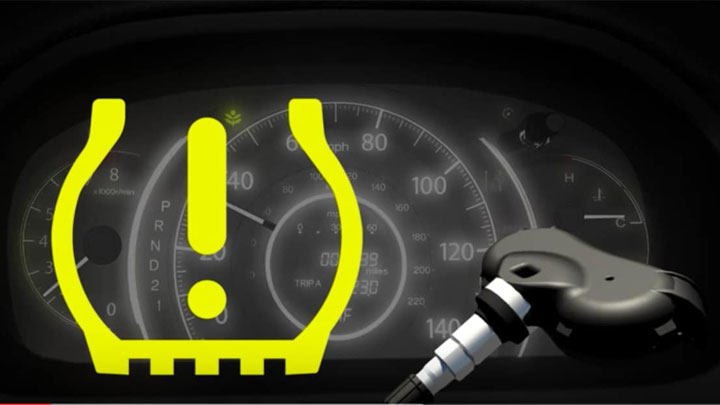
The TPMS system uses sensors installed in the wheels or indirect calculations from wheel speed data to monitor tire pressure. When the system cannot receive accurate information, it may display a fault message or flash the TPMS warning light.
Source: Bing
Low tire pressure warning
Shows that one or more tires may be below the recommended pressure level.
TPMS fault warning
Shows that the monitoring system itself has a problem and may not accurately detect tire pressure changes.
How a Tire Pressure Monitoring System Works
Most vehicles use either direct TPMS or indirect TPMS technology. Direct TPMS uses pressure sensors inside the wheels to measure tire pressure, while indirect TPMS uses wheel speed sensors and vehicle software to estimate pressure changes.
When a sensor fails, loses power, or cannot communicate with the vehicle control module, the system may trigger a tire pressure monitor fault message.
Direct TPMS
Uses individual tire sensors that send pressure readings wirelessly to the vehicle.
Indirect TPMS
Uses existing wheel speed sensors to identify differences caused by changes in tire size from pressure loss.
Common Causes of a Tire Pressure Monitor Fault
Several issues can cause a tire pressure monitor fault message. The exact cause depends on the vehicle model, TPMS design, and condition of the components.
Checking the simplest possibilities first can help prevent unnecessary repairs.
Source: Bing
Failed tire pressure sensor
A damaged or malfunctioning sensor may stop sending accurate tire pressure data to the vehicle.
Dead sensor battery
Most TPMS sensors use built-in batteries that eventually lose power after years of operation.
Sensor programming issue
After replacing tires or sensors, some vehicles require sensor relearning or programming.
Low vehicle battery voltage
Weak electrical power can sometimes interfere with electronic communication systems.
Damaged TPMS components
Wheel repairs, corrosion, or physical damage can affect sensor operation.
How to Troubleshoot a Tire Pressure Monitor Fault
Troubleshooting a TPMS fault should begin with basic safety checks before replacing any parts. A warning message does not always mean a sensor must be replaced.
Follow these steps to identify common causes and determine the next action.
Source: Bing
Step 1: Check tire pressure manually
Use a reliable tire pressure gauge to confirm that each tire matches the recommended pressure listed on the driver’s door placard.
Step 2: Inspect for visible tire damage
Look for punctures, leaks, damaged valves, or unusual tire conditions before continuing.
Step 3: Restart and drive the vehicle
Some temporary communication issues may clear after restarting the vehicle and driving normally.
Step 4: Check for sensor replacement needs
If the warning remains, a TPMS diagnostic tool can identify which sensor or component has failed.
When a TPMS Reset May Be Needed
Some vehicles require a TPMS reset after adjusting tire pressure, rotating tires, installing new tires, or replacing sensors. The reset procedure varies by manufacturer and model year.
A reset will not fix a damaged sensor or electrical problem, so the cause should be confirmed before assuming the system only needs recalibration.
Possible reset situations
After tire rotation, tire replacement, pressure adjustment, or sensor installation.
Is It Safe to Drive With a Tire Pressure Monitor Fault?
Driving with a tire pressure monitor fault may be possible, but the vehicle’s warning system may not alert you if a tire loses pressure. The main safety concern is losing the protection provided by the TPMS system.
Before driving long distances, manually check tire pressure and inspect the tires. If a tire is losing air, damaged, or significantly underinflated, repair the issue before continuing.
Source: Bing
Short trips
May be acceptable after confirming tires are properly inflated and there are no visible problems.
Long-distance driving
Should be avoided until the TPMS problem is diagnosed because you may not receive a pressure warning.
How Much Does It Cost to Fix a Tire Pressure Monitor Fault?
The repair cost for a TPMS fault depends on the failed component, vehicle model, and whether professional programming is required. A simple reset may cost little or nothing, while replacing multiple sensors can be more expensive.
The final repair decision should be based on diagnostic results rather than replacing parts without confirming the failure.
Source: Bing
Reset or relearn
Usually involves adjusting the system settings after proper conditions are met.
Sensor replacement
Required when a sensor battery is dead or the sensor is damaged.
Diagnostic service
Helps identify communication problems or failed components before repair.
Frequently Asked Questions
Q
Does a tire pressure monitor fault mean my tire is flat?
No. A tire pressure monitor fault usually means the TPMS system has a malfunction. However, you should still manually check tire pressure because a faulty system may fail to warn you about a low tire.
Q
Can I fix a tire pressure monitor fault myself?
You can perform basic checks such as measuring tire pressure and inspecting tires. However, diagnosing failed sensors or communication problems often requires a TPMS scan tool or professional equipment.
Q
How long do TPMS sensors usually last?
Many TPMS sensors last several years, but battery life varies depending on vehicle use, sensor design, and operating conditions. A sensor with a depleted internal battery usually needs replacement.
Q
Why is my TPMS light flashing instead of staying on?
A flashing TPMS light often indicates a system malfunction rather than a simple low-pressure warning. It may point to a failed sensor, communication problem, or other TPMS issue.
Q
Will changing tires cause a tire pressure monitor fault?
Yes. Tire replacement, wheel changes, or sensor replacement can cause a fault if sensors are damaged, missing, incorrectly installed, or not programmed correctly.
✦ Wrapping Up
Conclusion
A tire pressure monitor fault means your vehicle’s TPMS cannot properly monitor or communicate tire pressure information. The cause may be a failed sensor, battery issue, programming problem, or communication failure.
The best first step is to manually verify tire pressure, inspect the tires, and then diagnose the TPMS system if the warning remains. Repairing the fault restores an important safety feature that helps detect tire pressure problems early.
💡 Key Takeaway
If your vehicle displays a tire pressure monitor fault, check your tire pressure immediately and arrange a TPMS inspection if the warning does not clear.
Tyron Torres is an automotive diagnostics writer and hands-on vehicle maintenance enthusiast with years of experience troubleshooting brake systems, suspension issues, and everyday car performance problems. He specializes in breaking down complex mechanical issues into simple, practical guides that drivers can use to quickly identify and fix common vehicle faults.
Learn how a tire pressure monitoring system works, including TPMS sensors, direct and indirect systems, warning signals, maintenance tips, and common issues.
Learn what an indirect tire pressure monitoring system is, how it works without pressure sensors, its advantages, limitations, and common troubleshooting tips for US drivers.
Learn how to check if your car supports wireless Apple CarPlay, understand wired vs wireless CarPlay compatibility, and find solutions if your vehicle only supports wired CarPlay.
Learn what causes a tire pressure monitor problem, how TPMS works, warning signs, troubleshooting steps, reset methods, and when professional repair is needed.