Tire Pressure Monitor Fault: Causes, Meaning, and How to Fix It
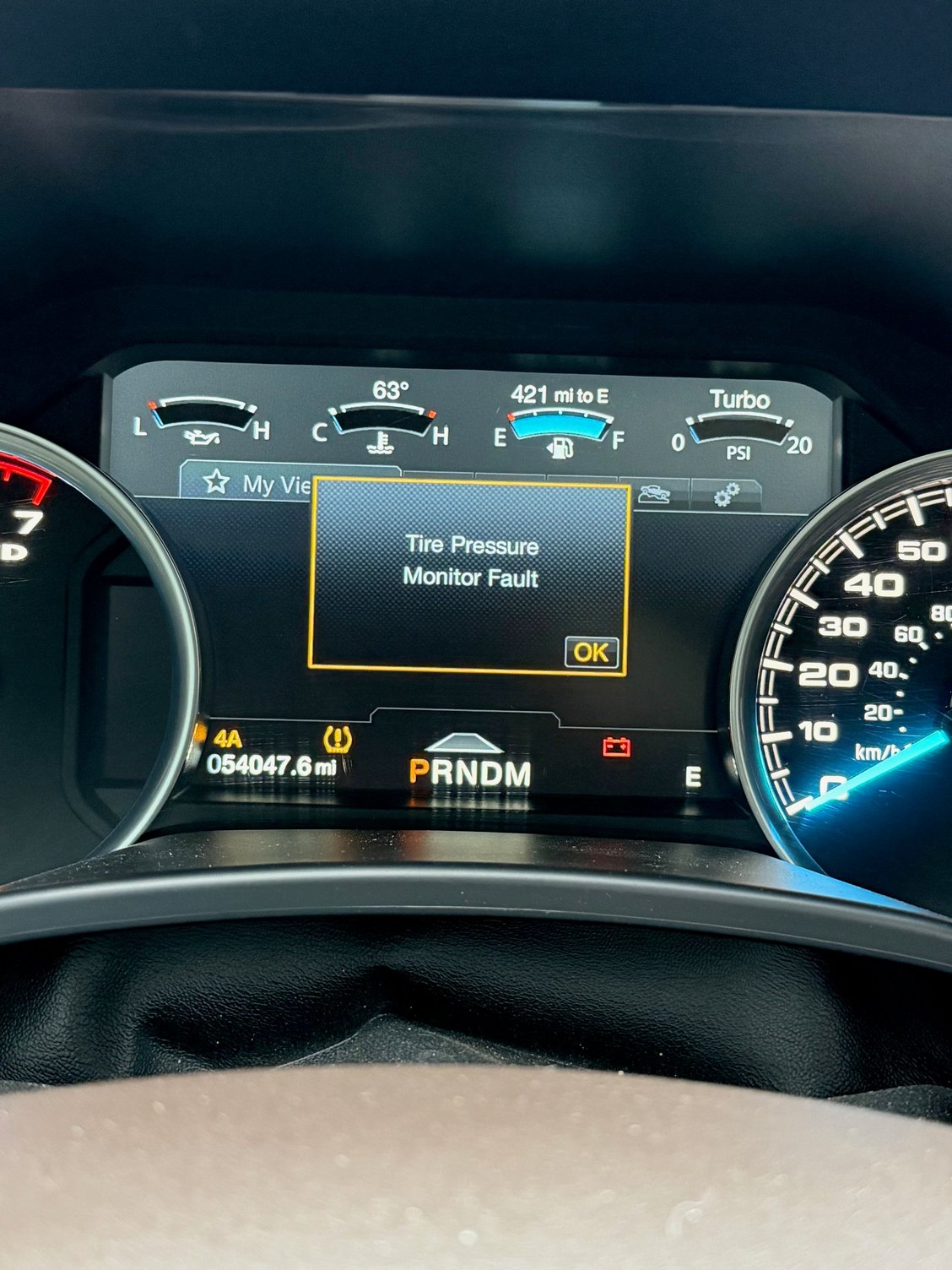
A tire pressure monitor fault means your vehicle’s Tire Pressure Monitoring System (TPMS) has detected a problem with the system itself or cannot correctly measure and report tire pressure.
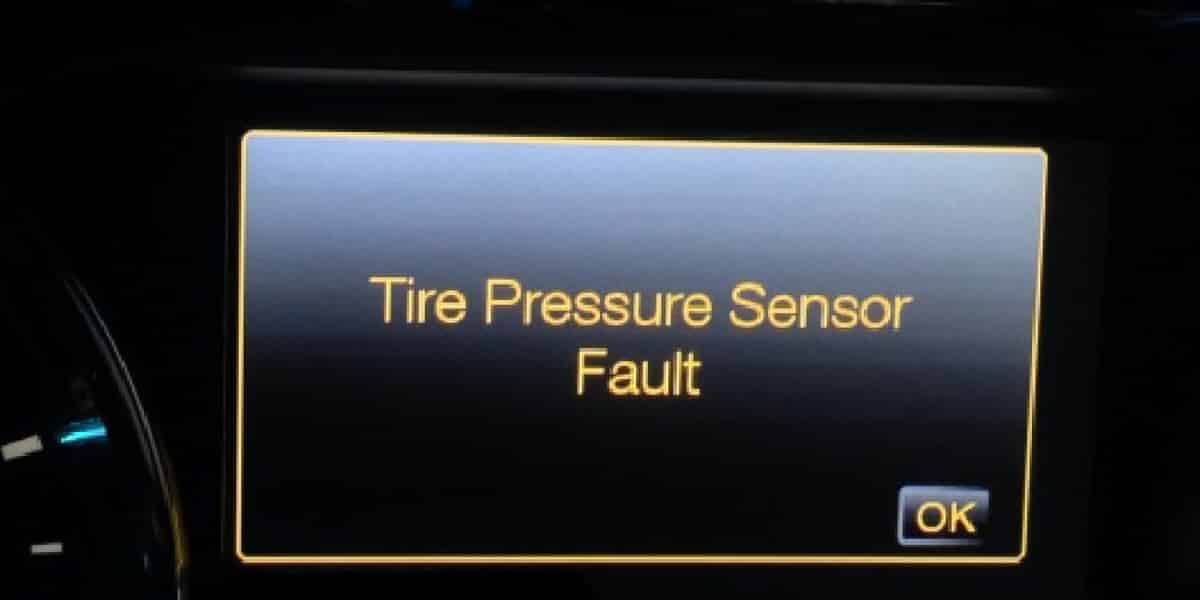
Drivers across the United States may see a tire pressure monitor fault message on the dashboard when the vehicle’s TPMS cannot communicate properly with one or more tire sensors. Unlike a normal low tire pressure warning, this message often indicates a sensor, communication, calibration, or system issue rather than simply an underinflated tire.
The TPMS is a safety system designed to help drivers maintain proper tire inflation and reduce the risks associated with driving on underinflated tires. Fixing a tire pressure monitor fault usually starts with checking tire pressures, inspecting sensor conditions, and identifying whether the issue comes from a damaged sensor, weak battery, incorrect relearn procedure, or electronic fault.
Source: Bing
What Does a Tire Pressure Monitor Fault Mean?
A tire pressure monitor fault means the vehicle has detected an error within the Tire Pressure Monitoring System. The system may not be receiving accurate information from tire pressure sensors, or it may have lost communication with one or more sensors.
Most modern vehicles sold in the United States use TPMS technology to monitor tire inflation. A standard TPMS warning indicates low tire pressure, while a tire pressure monitor fault message usually points to a problem with the monitoring system itself.
Source: Bing
Low tire pressure warning
A tire or tires may be below the recommended inflation level and need an air pressure adjustment.
TPMS fault warning
The monitoring system cannot properly detect, read, or communicate tire pressure information.
How the TPMS System Works
A TPMS uses sensors installed inside or near each wheel to measure tire pressure. These sensors send information to the vehicle’s control module, which displays warnings when pressure is too low or when a system malfunction occurs.
Direct TPMS
Uses pressure sensors mounted on individual wheels to measure actual tire pressure.
Indirect TPMS
Uses wheel speed sensors and vehicle systems to estimate pressure changes without measuring pressure directly.
Common Causes of a Tire Pressure Monitor Fault
A tire pressure monitor fault can happen for several reasons, ranging from simple sensor battery problems to more complex electronic issues. Identifying the cause requires checking the easiest and most common problems first.
Source: Bing
Dead TPMS sensor battery
Many direct TPMS sensors use built-in batteries that eventually lose power after several years of operation.
Damaged tire pressure sensor
A sensor can be damaged during tire installation, wheel repair, corrosion, or physical impact.
Incorrect sensor relearn
After replacing tires, wheels, or sensors, some vehicles require a TPMS reset or relearning procedure.
Radio frequency interference
Communication problems between sensors and the vehicle receiver can trigger a fault message.
Problems That Can Appear After Tire Service
A TPMS fault often appears after tire replacement, wheel changes, or rotations because sensors may need to be programmed or relearned. Some vehicles automatically relearn sensors, while others require a scan tool or specific driving procedure.
New wheels installed
Aftermarket wheels may require compatible TPMS sensors.
Sensor replacement
Replacement sensors may need programming before the vehicle recognizes them.
How to Troubleshoot a Tire Pressure Monitor Fault
The safest way to troubleshoot a tire pressure monitor fault is to begin with basic tire checks before moving to sensor diagnosis. A faulty TPMS does not always mean the tire pressure is safe, so manual inspection is important.
Source: Bing
Step 1: Check all tire pressures
Use a reliable tire pressure gauge and compare readings with the vehicle manufacturer’s recommended pressure listed on the driver’s door label.
Step 2: Inspect the dashboard warning
Determine whether the warning is a steady low-pressure light or a separate TPMS malfunction message.
Step 3: Restart the vehicle
Some temporary communication errors may clear after restarting the vehicle.
Step 4: Perform a TPMS reset if required
Follow the vehicle owner’s manual instructions for resetting or relearning the system.
Step 5: Scan the TPMS system
A professional diagnostic tool can identify failed sensors or communication problems.
When You Should Not Ignore the Warning
A TPMS fault should not be ignored because the system may stop providing accurate tire pressure alerts. Continue checking tire pressure manually until the problem is repaired.
Seek professional help
Professional diagnosis is recommended when the warning remains after basic checks or when a sensor may need replacement.
Tire Pressure Monitor Fault vs Low Tire Pressure Warning
Although these warnings are related, they describe different problems. A low tire pressure warning usually means the tire inflation level is below the recommended amount, while a tire pressure monitor fault means the monitoring system itself has a problem.
Source: Bing
Low pressure warning
Usually fixed by adding air and correcting the tire pressure.
Monitor fault
May require sensor repair, replacement, programming, or electrical diagnosis.
Why Correct Tire Pressure Matters
Proper tire inflation helps maintain handling, braking performance, and tire life. Underinflated tires can create additional heat buildup and may increase the chance of tire damage.
How Much Does It Cost to Fix a Tire Pressure Monitor Fault?
The repair cost depends on the cause of the fault, vehicle model, and whether one or multiple sensors require replacement. A simple reset may cost little or nothing, while replacing failed TPMS sensors can require parts and labor.
Vehicle owners should confirm the exact cause before replacing parts because a warning can result from programming issues, sensor damage, or communication failures.
Source: Bing
Reset or relearn
May be inexpensive if no parts are damaged.
Sensor replacement
Usually costs more because the sensor must be installed and programmed.
Frequently Asked Questions
Q
Can I drive with a tire pressure monitor fault?
You may be able to drive short distances, but you should manually check tire pressures because the TPMS may not provide accurate warnings until the fault is repaired.
Q
How do I reset a tire pressure monitor fault?
The reset procedure depends on the vehicle. Some vehicles reset automatically after driving, while others require a manual reset or sensor relearning process.
Q
Does a tire pressure monitor fault mean my tire is flat?
Not necessarily. The message usually indicates a TPMS problem, but you should still check tire pressure manually to rule out an actual tire inflation issue.
Q
How long do TPMS sensors usually last?
Many TPMS sensors last several years, but lifespan varies depending on vehicle use, climate conditions, and sensor design.
Q
Why did my TPMS fault appear after changing tires?
The fault may appear if sensors were damaged, not programmed correctly, or not recognized by the vehicle after tire service.
✦ Wrapping Up
Conclusion
A tire pressure monitor fault means your vehicle’s TPMS system cannot correctly monitor or communicate tire pressure information. The issue may come from a failed sensor, battery problem, reset requirement, or communication fault.
Start by checking tire pressures manually and reviewing the vehicle owner’s manual for reset instructions. If the warning remains, professional diagnosis can identify the exact cause and restore the safety function of the TPMS.
💡 Key Takeaway
Do not ignore a tire pressure monitor fault. Check tire pressure first, then diagnose the TPMS system if the warning continues.
Tyron Torres is an automotive diagnostics writer and hands-on vehicle maintenance enthusiast with years of experience troubleshooting brake systems, suspension issues, and everyday car performance problems. He specializes in breaking down complex mechanical issues into simple, practical guides that drivers can use to quickly identify and fix common vehicle faults.
Learn how wireless CarPlay screen mirroring works, what devices support it, how to set it up, common problems, and what to consider before using a wireless car screen solution.