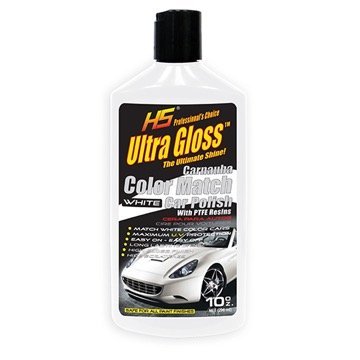
Car Polish for White Cars: How to Restore Shine and Protect White Paint
The best car polish for white cars removes light paint imperfections, restores gloss, and prepares the surface for protection, but the right polish depends on the condition of the paint and the level of correction needed.
In the United States, white vehicles are among the most common choices for daily drivers, family SUVs, trucks, and fleet vehicles because white paint stays cooler in sunlight and often hides dust better than darker colors. However, white paint can still develop oxidation, water spots, swirl marks, and a dull appearance over time, especially when exposed to road salt, UV rays, and improper washing methods.
Car polish for white cars is designed to refine the clear coat surface rather than simply add a temporary shine. A quality polish uses mild abrasives or chemical cleaners to reduce visible imperfections and restore clarity. The correct approach depends on whether the vehicle has minor haze, deeper scratches, neglected paint, or a well-maintained finish that only needs light enhancement.
Source: Bing
What Is Car Polish for White Cars and How Does It Work?
Car polish for white cars is a detailing product used to refine the vehicle’s clear coat and improve paint appearance. Unlike wax, which mainly adds a protective layer, polish works by cleaning and leveling the upper paint surface to reduce visible defects.
White paint can look dull when contamination, oxidation, or microscopic scratches scatter reflected light. Polishing improves light reflection by creating a smoother surface, which helps the paint appear brighter and cleaner.
Source: Bing
Removes surface imperfections
Polish can reduce light swirl marks, oxidation, haze, and minor paint defects when used correctly.
Restores paint clarity
A refined clear coat allows more consistent light reflection, improving the visual depth of white paint.
Prepares paint for protection
A polished surface provides a cleaner base for applying wax, sealants, or other protective products.
Why White Cars Need Special Polishing Consideration
White paint does not show every defect as clearly as black paint, but it can develop a yellowish tint, embedded contamination, and a chalky appearance when neglected. Choosing the right polish helps avoid unnecessary removal of clear coat while improving the finish.
Light defects
Use a mild finishing polish when the paint only has minor dullness or light swirl marks.
Heavy defects
Use stronger correction products carefully when oxidation or deeper imperfections require more aggressive treatment.
How to Choose the Right Car Polish for a White Vehicle
The correct car polish depends on paint condition, polishing experience, and the amount of correction required. A product that works well for neglected paint may be unnecessary for a newer vehicle with minor imperfections.
Before selecting a polish, inspect the paint under good lighting and determine whether the issue is contamination, surface scratches, oxidation, or simply a lack of protection.
Source: Bing
Finishing polish
Best for newer white cars or vehicles with minor swirl marks where maximum gloss is the goal.
All-in-one polish
Combines cleaning, light correction, and some protection for owners who want a simpler maintenance process.
Compound polish
Designed for heavier defects but requires careful use because more abrasive products can remove more clear coat.
Car Polish Selection Guide
The following guide can help match the polish type to common white car paint conditions.
New or well-maintained paint
Choose a light finishing polish to improve gloss without aggressive correction.
Moderately dull paint
Choose a medium correction polish designed to remove more visible defects.
Oxidized or neglected paint
Consider a stronger correction approach, but test a small area first.
How to Polish a White Car Step by Step
Proper preparation is the key to successful polishing. Applying polish to a dirty or contaminated surface can create additional scratches and reduce the quality of the finish.
Work in a shaded area whenever possible and follow the instructions provided by the polish manufacturer.
Source: Bing
Step 1: Wash the vehicle
Remove dirt, road grime, and loose contaminants before polishing.
Step 2: Inspect the paint
Identify scratches, oxidation, water spots, and areas needing correction.
Step 3: Apply polish
Use a foam applicator or polishing machine with controlled pressure and appropriate technique.
Step 4: Remove residue
Wipe away polish residue with a clean microfiber towel and inspect the finish.
Step 5: Protect the paint
Apply wax, sealant, or another protective product after polishing.
Signs the Polishing Process Worked
A successful polish usually produces a cleaner reflection, smoother paint feel, improved gloss, and reduced visibility of minor surface defects.
Improved reflection
Light reflects more evenly from the smoother paint surface.
Reduced haze
Cloudy or dull areas appear clearer after correction.
Common Mistakes When Using Car Polish on White Cars
Many paint problems happen because polishing is performed without proper preparation or with the wrong product strength. Understanding common mistakes helps protect the vehicle’s clear coat.
Source: Bing
Polishing a dirty vehicle
Dust and grit can create additional scratches during the polishing process.
Using excessive pressure
Too much pressure can create uneven results and unnecessary paint removal.
Skipping protection afterward
Polished paint should receive protection because polishing alone does not create long-term defense against contamination.
Expecting polish to remove deep scratches
Deep scratches that reach through the clear coat may require professional repair rather than polishing.
When Professional Paint Correction May Be Needed
Professional help may be appropriate when scratches expose primer or metal, paint has severe oxidation, or previous repairs have created uneven surfaces. A professional detailer can evaluate paint thickness and choose a safer correction method.
Deep damage
Scratches beyond the clear coat usually cannot be corrected with normal polish.
Car Polish vs Wax for White Cars
Polish and wax serve different purposes. Polish improves the paint surface, while wax adds a protective layer that helps maintain the finish after correction.
For the best results, many detailing processes use both steps: polish first to refine the paint, then apply protection to preserve the improved appearance.
Source: Bing
Car polish
Corrects minor imperfections and improves paint clarity.
Car wax
Adds a protective barrier and enhances shine after polishing.
Frequently Asked Questions
Q
What is the best type of car polish for white cars?
The best type depends on the paint condition. A finishing polish is suitable for maintaining gloss, while stronger correction products are better for removing heavier defects.
Q
Can car polish remove scratches from white paint?
Car polish can reduce the appearance of light scratches and swirl marks. Deep scratches that penetrate the clear coat usually require professional repair.
Q
How often should I polish a white car?
Polishing frequency depends on vehicle condition, washing habits, and environmental exposure. Excessive polishing can remove clear coat, so it should only be done when needed.
Q
Should I wax a white car after polishing?
Yes. Wax or another paint protection product helps preserve the polished surface and provides additional resistance against contamination.
Q
Can beginners polish a white car at home?
Beginners can polish a white car using gentle products and careful techniques. Testing a small hidden area first is recommended before treating the entire vehicle.
✦ Wrapping Up
Conclusion
Car polish for white cars is an effective way to improve paint clarity, reduce minor imperfections, and restore a cleaner appearance when the correct product and technique are used. The best choice depends on the vehicle’s paint condition rather than color alone.
A careful process that includes washing, inspection, proper polishing, and paint protection will help maintain the bright appearance that makes white vehicles popular among drivers across the United States.
💡 Key Takeaway
Choose a polish based on your white car’s actual paint condition, use the least aggressive product that achieves your goal, and always protect the finish after polishing.
Tyron Torres is an automotive diagnostics writer and hands-on vehicle maintenance enthusiast with years of experience troubleshooting brake systems, suspension issues, and everyday car performance problems. He specializes in breaking down complex mechanical issues into simple, practical guides that drivers can use to quickly identify and fix common vehicle faults.
Learn whether a wireless CarPlay adapter can add Apple CarPlay to a car without CarPlay, what options exist, installation requirements, limitations, and buying considerations.
Learn why your transmission whining noise at low speed happens, signs to watch, and quick fixes to save money. Expert tips to diagnose and fix it fast.
Can CarPlay be wireless? Learn how wireless Apple CarPlay works, which cars support it, how to convert wired CarPlay, setup steps, limitations, and troubleshooting tips.