Introduction
Meguiar’s plastic restorer helps bring color and shine back to faded exterior plastic, vinyl, and rubber trim on cars, trucks, SUVs, and motorcycles in the United States. It works best on dry, clean surfaces that have lost their dark look from sun, heat, dirt, and age.
To use it, wash and dry the trim, apply a small amount to an applicator pad, spread an even coat, wait briefly, and wipe away excess. Always test the product on a hidden spot first, and follow the directions on your exact bottle.

What Is Meguiar’s Plastic Restorer?
Meguiar’s plastic restorer is a trim dressing made for weathered automotive surfaces. Common uses include:
- Black plastic bumpers
- Exterior door handles
- Mirror housings
- Grilles
- Running boards
- Wheel arch trim
- Cowl panels
- Plastic bed rails
- Vinyl trim
- Rubber moldings
- Tires, if the label allows it
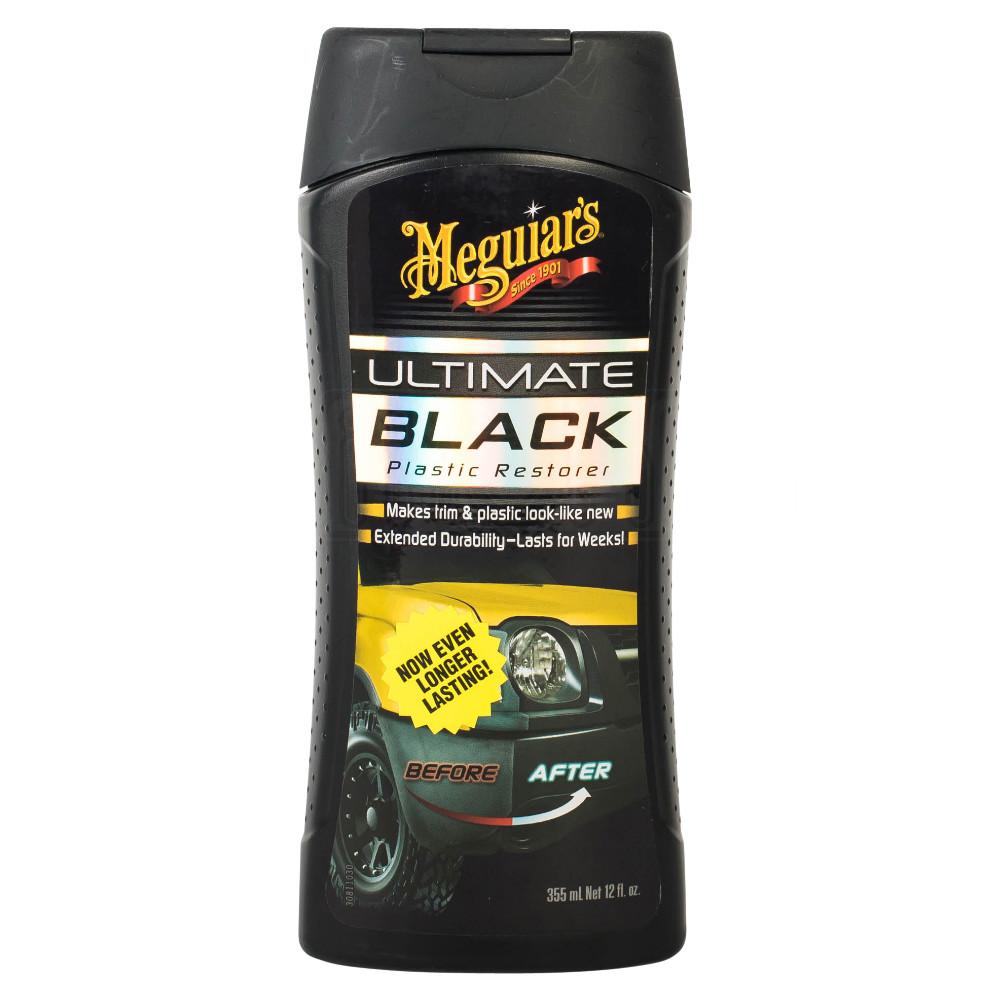
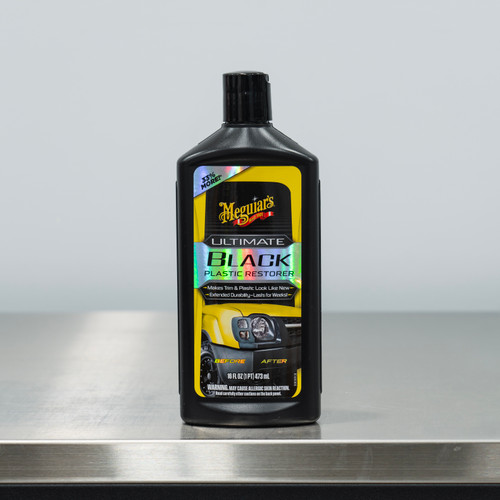
Many drivers use the term “Meguiar’s plastic restorer” for Meguiar’s Ultimate Black Plastic Restorer. Meguiar’s also sells other trim and plastic care products. The bottle label is the final guide because directions can vary by product type.
The product does not rebuild cracked plastic or repair deep scratches. It mainly improves the look of faded, dry, or gray surfaces by leaving a darker finish and a protective dressing layer.
Plastic restorer versus plastic polish
A plastic restorer is not the same as a plastic polish.
| Product type | Main purpose | Common use |
|---|---|---|
| Plastic restorer | Darkens and conditions faded trim | Exterior black plastic |
| Plastic polish | Removes light marks or haze | Clear plastic and some interior parts |
| Plastic cleaner | Removes dirt and old dressing | Dashboards and trim |
| Trim coating | Forms a longer-term protective layer | Prepared exterior trim |
A restorer may hide light fading. It will not make severely cracked, chalky, or damaged plastic look new for good.
What You Need Before Applying It
Gather the items below before you start:
- Meguiar’s plastic restorer
- A clean microfiber towel
- A soft applicator pad or foam pad
- Car wash soap
- Water
- A soft detailing brush, if needed
- Painter’s tape, for nearby paint or glass
- Nitrile gloves, if you have sensitive skin
Work in a shaded place. The surface should be cool to the touch. Do not apply the product to hot trim or let it dry on nearby glass and paint.
Wash the vehicle first if the trim has road film, mud, salt, or dust. Heavy dirt can block the product and may cause uneven results.

How to Use Meguiar’s Plastic Restorer
Follow these steps for the best result.
1. Wash the trim
Clean the plastic with car wash soap and water. Use a soft brush to reach textured areas. Do not scrub hard enough to mark the surface.
Rinse away all soap. Dirt left in the texture can make the trim look blotchy after application.
2. Dry the surface
Dry the trim with a clean microfiber towel. Check seams, clips, and panel gaps for trapped water.
A dry surface helps the restorer spread evenly. Water can thin the product and create streaks.
3. Test a hidden area
apply a small amount to a hidden section. Check the color, shine, and texture after a few minutes.
This test can reveal problems such as:
- Too much shine
- Uneven darkening
- A slippery finish
- Staining on porous plastic
- A color change you do not want
If the test looks good, continue with the rest of the part.
4. Apply a small amount
Shake the bottle if the label tells you to do so. Put a small amount of product on the applicator pad, not directly on the vehicle.
Start with less than you think you need. A thin coat is easier to control than a heavy coat.
5. Spread one thin, even coat
Work in a small area. Move the pad in straight or overlapping passes. Cover the full part, including textured sections.
Do not rush across a large bumper or panel. Small sections help you see missed areas and prevent the product from drying unevenly.
6. Wipe off extra product
Use a clean microfiber towel to remove excess dressing. Pay close attention to edges, seams, lettering, and deep texture.
Too much product can leave a greasy feel. It can also attract dust or run onto nearby surfaces when the vehicle gets wet.
7. Let the trim set
Allow the surface to sit for the time stated on the label. Keep the vehicle dry during this period when possible.
Do not touch the trim while it sets. Contact can leave fingerprints or shiny spots.
8. Add another coat only if needed
If the trim still looks uneven after the first coat has set, apply a second thin coat. Do not keep adding product until the surface becomes oily.
Two light coats often give better control than one heavy coat. The label may set limits for repeated use, so follow it.

Where Can You Use Meguiar’s Plastic Restorer?
Use the product only on surfaces listed on its label. In general, exterior automotive plastic, vinyl, and rubber are the main targets.
Suitable areas
The product may work well on:
- Unpainted black plastic
- Textured bumper trim
- Exterior mirror covers
- Plastic grille pieces
- Door trim
- Black running boards
- Rubber side molding
- Plastic wiper cowl panels
Areas that need caution
Test first on:
- Light-colored plastic
- Soft-touch trim
- Very porous plastic
- Rough, chalky plastic
- Aged rubber
- Vinyl with a matte factory finish
- Interior surfaces that may become slippery
Surfaces to avoid
Do not use it on:
- Glass
- Brake rotors or brake parts
- Steering wheels
- Pedals
- Motorcycle seats
- Footpegs
- Painted body panels unless the label permits it
- Fabric or cloth
- Clear plastic lenses unless the product label specifically allows it
A slippery dressing can reduce grip. That makes it unsafe on pedals, steering wheels, seats, and other control surfaces.

How Much Product Should You Use?
Use enough to make a thin, even film. You should not see thick wet pools on the trim.
The amount depends on the part:
| Surface | Starting amount |
|---|---|
| Small door handle | One small drop on the pad |
| Mirror housing | A few small drops |
| Bumper section | Several small drops as you work |
| Large running board | Apply in short sections |
| Deep textured trim | Use a pad or soft brush to reach the grain |
This is a practical starting guide, not a fixed manufacturer measurement. Surface texture, porosity, and fading change how much product the trim absorbs.
If the surface looks oily, you used too much. Wipe it with a clean microfiber towel. If the trim looks patchy, clean it again and apply a thinner coat.
How Long Does Meguiar’s Plastic Restorer Last?
The life of the finish depends on sun, rain, washing, road salt, heat, and the condition of the trim. There is no single time period that applies to every vehicle.
The finish may fade sooner when:
- The vehicle sits outdoors
- The trim receives strong summer sun
- Automatic car washes use strong cleaners
- The surface was not cleaned well
- The plastic is badly oxidized
- The product was applied too thickly
Reapply when the trim becomes gray or dull again. Clean the surface before each new application. Do not keep layering product over built-up dirt or old residue.
A trim coating may last longer than a dressing, but it requires more surface preparation and gives you less room for correction. A restorer is often simpler for routine care.

What to Do If the Finish Looks Streaky or Greasy
Streaks usually come from excess product, moisture, heat, or poor surface cleaning.
Try this repair method:
- Wipe the area with a dry microfiber towel.
- If it still feels oily, wash it with car soap and water.
- Rinse the part well.
- Dry it fully.
- Reapply a very thin coat in the shade.
- Buff the area with a clean towel.
If the product has reached glass, remove it at once with glass cleaner and a clean towel. If it has reached painted surfaces, wipe it away before it dries. Do not scrub fresh product across the paint.
For very rough plastic, the restorer may soak in unevenly. A second light coat can help, but deep oxidation may need a stronger restoration process or replacement of the damaged trim.

Common Mistakes to Avoid
Avoid these errors when using Meguiar’s plastic restorer:
- Applying it to a hot surface
- Using it in direct sun
- Skipping the wash step
- Applying a thick coat
- Leaving excess product in seams
- Spraying it near glass without protection
- Using it on pedals or steering wheels
- Applying it to clear lenses without checking the label
- Judging the finish before it has set
- Using one dirty pad on the whole vehicle
- Treating cracked plastic as if it only needs dressing
A clean pad matters. A dirty pad can spread grit and old dressing across the trim.
Do not use a strong household cleaner unless the product maker or vehicle maker allows it. Some cleaners can dry rubber or change the texture of plastic.

How to Get a Low-Gloss Factory Look
If you want a natural finish, use less product and wipe more of it away.
For a low-gloss result:
- Clean and dry the trim.
- Apply a very thin coat.
- Wait a short time.
- Buff with a dry microfiber towel.
- Check the finish from several angles.
- Remove any shiny patches.
Textured black trim often looks more natural with a satin finish than a wet shine. If the product still looks too glossy after buffing, it may not match the original finish of that part.
How to Restore Severely Faded Plastic
A plastic restorer can improve mild or moderate fading. It may not fix plastic that is deeply gray, cracked, peeling, or heavily chalked.
Use this decision guide:
| Trim condition | Likely result |
|---|---|
| Slightly dull | Good improvement |
| Gray from sun exposure | Often improves |
| Uneven but sound | May improve with thin coats |
| Deeply chalked | Limited or uneven result |
| Cracked or peeling | Dressing will not repair it |
| Broken or warped | Replacement may be needed |
Clean a small area first. If the original color returns after cleaning, the problem may be dirt or old residue rather than permanent fading.
For badly damaged trim, compare the cost and time of a professional coating, refinishing, or replacement. A dressing can improve appearance, but it cannot restore lost material.

Safety and Care Notes
Use Meguiar’s plastic restorer in a well-ventilated area. Keep it away from children and do not swallow it. Follow the safety information on the bottle and the manufacturer’s safety data sheet.
Wear gloves if the product irritates your skin. Wash your hands after use.
Keep the product away from:
- Open flames
- Hot engine parts
- Brake components
- Tire tread
- Vehicle controls
- Glass and wiper contact areas
If product gets into your eyes, rinse with clean water and follow the first-aid instructions on the label. Seek medical help if irritation continues.
The main vehicle risk is loss of grip. Never apply a slippery dressing where your hands or feet must maintain control.
Meguiar’s Plastic Restorer: Quick Troubleshooting Table
| Problem | Likely cause | Fix |
|---|---|---|
| Trim still looks gray | Severe oxidation or too little product | Clean again and test a second thin coat |
| Surface looks greasy | Too much product | Buff, wash, dry, and reapply less |
| Finish is streaky | Wet trim, heat, or uneven spreading | Work in shade on cool, dry trim |
| Dust sticks to the trim | Excess residue | Wipe more product away |
| Glass has a film | Product overspray or transfer | Clean glass at once |
| Color looks uneven | Porous or damaged plastic | Use small sections and thin coats |
| Finish fades quickly | Strong sun, rain, or harsh washing | Reapply as needed or consider a coating |
| Trim feels slippery | Product used on the wrong surface | Remove it before driving |
Work from the least aggressive fix to the most involved one. Start with a clean towel and mild washing before trying stronger cleaners.
Frequently Asked Questions
Can I use Meguiar’s plastic restorer inside my car?
Only use it on interior surfaces if the product label says it is suitable. Do not apply it to steering wheels, pedals, gear shifters, seats, or other surfaces where a slippery film could affect control.
Can I use it on tires?
Some Meguiar’s trim products can be used on tires, but the label for your specific product controls. If allowed, apply it to the sidewall only. Never put tire dressing on the tread, because it can reduce traction.
Can I use it on painted plastic?
Check the label first. If the painted part is glossy, test a hidden area. A product made for unpainted trim may change the look of paint or leave a film that is hard to remove.
Does Meguiar’s plastic restorer remove scratches?
No. It may darken the area around light marks and make them less visible. It will not remove deep scratches, cracks, gouges, or peeling plastic.
Can I apply it in direct sunlight?
It is better to work in shade on a cool surface. Direct sun can make the product dry too fast and may cause streaks or uneven coverage.
Should I wash the car again after applying it?
No. Let the product set for the time stated on the label. Washing too soon can remove part of the dressing and reduce the evenness of the finish.
Conclusion
To use Meguiar’s plastic restorer, clean and dry the trim, test a hidden spot, apply a thin coat with an applicator pad, and wipe away excess. Work in the shade and keep the product off glass, paint, tread, brakes, and vehicle controls unless the label clearly permits use there.
The best results come from clean surfaces and light coats. If the trim is cracked or badly chalked, expect an appearance improvement rather than a full repair. Check the exact directions on your bottle before each use, because Meguiar’s plastic and trim products may have different approved surfaces and care instructions.