Tire Pressure Monitor Inoperative: Meaning, Causes, Fixes, and Troubleshooting Guide
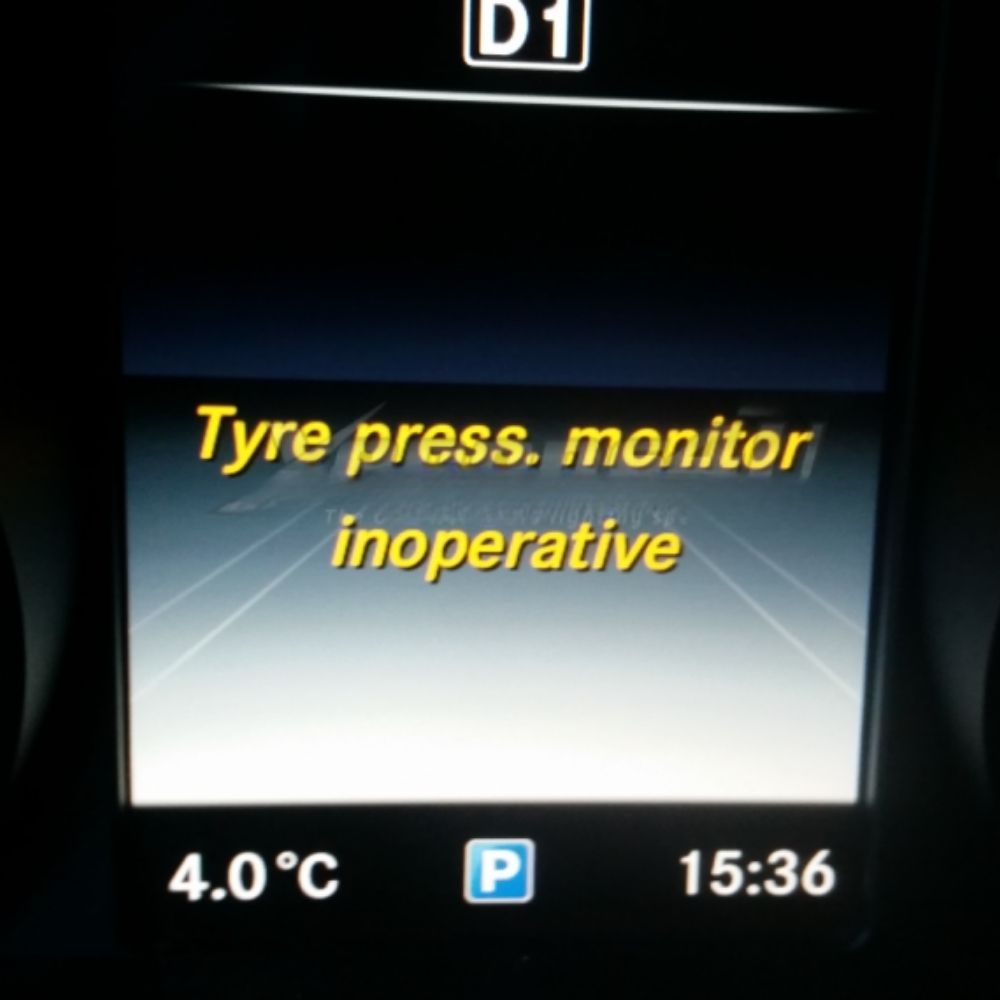
Tire pressure monitor inoperative means the vehicle’s TPMS cannot properly monitor tire pressure because of a sensor, communication, power, or system fault. The tires may still have correct air pressure, but the warning system is not working reliably.
Drivers across the United States may see a tire pressure monitor inoperative message on vehicles such as Mercedes-Benz models when the tire pressure monitoring system cannot communicate correctly with one or more wheel sensors. This warning does not always mean a tire is low, but it does mean the vehicle may no longer provide accurate tire pressure alerts.
A TPMS malfunction should be investigated because properly inflated tires support safer handling, braking performance, and tire life. The correct repair depends on the cause, which may include a weak sensor battery, damaged sensor, incorrect sensor installation, radio communication problems, or a need for system recalibration.
Source: Bing
What Does Tire Pressure Monitor Inoperative Mean?
The tire pressure monitor inoperative message indicates that the vehicle’s Tire Pressure Monitoring System (TPMS) is not operating correctly. The system uses electronic sensors, usually mounted inside each wheel, to measure tire pressure and send information to the vehicle control module.
When the vehicle cannot receive reliable data from the sensors, it disables or limits the TPMS warning function. The message is different from a simple low tire pressure warning because it indicates a problem with the monitoring system itself rather than confirmed low air pressure.
Source: Bing
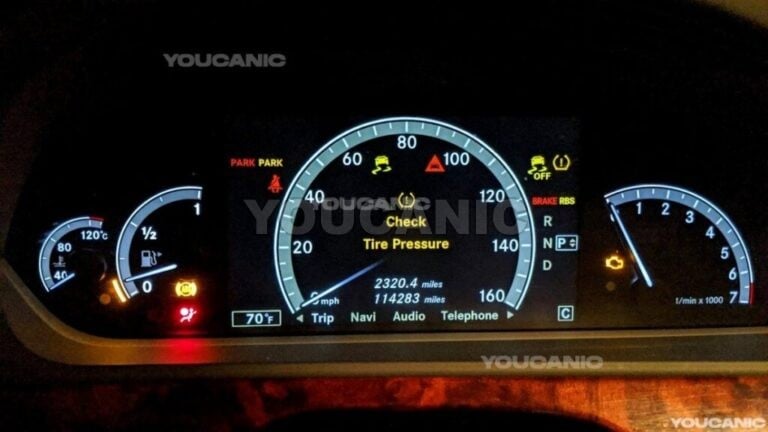
Low tire pressure warning
Indicates that one or more tires may have pressure below the recommended level.
TPMS inoperative warning
Indicates that the system cannot measure or communicate tire pressure correctly.
How the Tire Pressure Monitoring System Works
A TPMS system typically uses pressure sensors inside the wheels that transmit tire information wirelessly to a receiver and vehicle computer. When the system detects abnormal pressure or loses sensor communication, it activates a warning message.
Because TPMS components depend on small batteries and wireless communication, failures can occur as sensors age, wheels are replaced, or components become damaged.
Wheel sensors
Measure tire pressure and sometimes temperature before sending information to the vehicle.
Control module
Processes sensor signals and determines whether warnings should appear.
Common Causes of a Tire Pressure Monitor Inoperative Message
A TPMS inoperative warning can result from several issues. Identifying the cause requires checking the simplest possibilities first before replacing expensive components.
The most common causes involve sensor power, communication, installation problems, or damage caused during tire service.
Source: Bing
Dead TPMS sensor battery
Most TPMS sensors contain built-in batteries that eventually lose power after years of use.
Damaged wheel sensor
Sensors can be damaged during tire mounting, wheel repairs, or impacts.
Incorrect sensor installation
A replacement sensor may not work if it is incompatible or not programmed correctly.
Signal communication problem
Electrical interference or receiver problems can prevent proper sensor communication.
Problems After Tire or Wheel Replacement
A TPMS warning may appear after installing new wheels, changing tires, or replacing a sensor. Some vehicles require a relearn procedure so the computer can recognize the new sensor locations.
Using wheels without compatible TPMS sensors can also cause the system to report that it is inoperative.
New tire installation
Sensors may need inspection or programming after tire replacement.
Seasonal wheel changes
Winter or spare wheel setups may trigger warnings if sensors are missing or incompatible.
How to Troubleshoot a Tire Pressure Monitor Inoperative Warning
The best troubleshooting approach starts with basic safety checks and moves toward electronic diagnosis. Do not assume the tires are safe simply because the TPMS warning is caused by a system fault.
Follow these checks in order to identify common problems before seeking repairs.
Source: Bing
Check tire pressure manually
Use a reliable tire pressure gauge and compare readings with the vehicle manufacturer’s recommended pressure.
Inspect tires and wheels
Look for visible damage, leaking tires, missing valve stems, or recent wheel changes.
Restart and reset the system
Some vehicles clear temporary communication faults after a restart or TPMS reset procedure.
Scan for diagnostic codes
A TPMS-compatible diagnostic tool can identify failed sensors or communication issues.
When a TPMS Reset Does Not Work
If the warning returns after resetting the system, the vehicle likely has an unresolved fault. A reset cannot repair a dead sensor battery, broken sensor, or wiring problem.
A technician may need to test each sensor, verify communication signals, and determine whether replacement parts are required.
Persistent warning
Usually indicates that the underlying problem remains active.
Multiple sensor failures
May occur when sensors reach the end of their service life at a similar time.
Tire Pressure Monitor Inoperative vs Low Tire Pressure Warning
These two warnings are related but indicate different problems. A low tire pressure warning means the TPMS detected a pressure issue, while an inoperative message means the monitoring system itself cannot perform its job.
Understanding the difference helps drivers decide whether they need to add air, inspect the tires, or repair the monitoring system.
Source: Bing
Low pressure warning
The system is working and detected pressure below the recommended level.
Inoperative warning
The system cannot reliably measure or report tire pressure.
Safety Considerations When TPMS Is Not Working
Driving with an inoperative TPMS does not automatically mean the vehicle is unsafe, but it removes an important warning feature. Drivers must manually check tire pressure until the system is repaired.
Low tire pressure can increase tire wear, reduce fuel efficiency, and affect handling. Regular manual inspections are especially important when the warning system cannot provide alerts.
Source: Bing
Check pressure regularly
Use a tire gauge when the TPMS warning remains active.
Address warning messages
Do not ignore a persistent TPMS fault because it may hide future low-pressure problems.
Frequently Asked Questions
Q
Can I drive with a tire pressure monitor inoperative warning?
You may be able to drive, but you should check tire pressure manually because the TPMS may not warn you about a low tire. Repairing the system is recommended to restore normal monitoring.
Q
How much does it cost to fix a tire pressure monitor inoperative problem?
Repair costs vary depending on the cause. A simple reset may cost little or nothing, while replacing a failed TPMS sensor and programming it can cost more because parts and labor are involved.
Q
How long do TPMS sensors usually last?
TPMS sensor life depends on vehicle use, environmental conditions, and battery design. Many sensors last several years before their internal batteries become weak.
Q
Will changing tires cause a TPMS warning?
Yes. Tire replacement, wheel changes, or incorrect sensor installation can trigger a TPMS warning if sensors are damaged, missing, or not recognized by the vehicle.
Q
Does a tire pressure monitor inoperative message mean my tire is flat?
Not necessarily. The message usually indicates a monitoring system failure, but you should still inspect tire pressure manually to confirm the tires are properly inflated.
✦ Wrapping Up
Conclusion
A tire pressure monitor inoperative message means the TPMS cannot accurately monitor tire pressure because of a system fault. Common causes include sensor battery failure, damaged sensors, communication problems, and incorrect installation.
The safest approach is to verify tire pressure manually, inspect recent tire or wheel work, and diagnose the TPMS system if the warning remains. Repairing the system restores an important safety feature that helps identify tire pressure problems early.
💡 Key Takeaway
If your vehicle displays a tire pressure monitor inoperative warning, check tire pressure immediately and arrange proper TPMS diagnosis instead of relying on the disabled warning system.
Tyron Torres is an automotive diagnostics writer and hands-on vehicle maintenance enthusiast with years of experience troubleshooting brake systems, suspension issues, and everyday car performance problems. He specializes in breaking down complex mechanical issues into simple, practical guides that drivers can use to quickly identify and fix common vehicle faults.