Tire Pressure Monitoring System Malfunction: Causes, Fixes, and Troubleshooting Guide
A tire pressure monitoring system malfunction means the vehicle’s TPMS cannot properly measure, transmit, or display tire pressure information. The problem may come from a failed sensor, low sensor battery, communication issue, damaged components, or a system calibration problem.
Drivers across the United States rely on tire pressure monitoring systems to help identify unsafe tire pressure conditions before they become serious problems. Since TPMS became required equipment on most new passenger vehicles sold in the U.S. starting with the 2008 model year, the system has become an important part of routine vehicle safety checks.
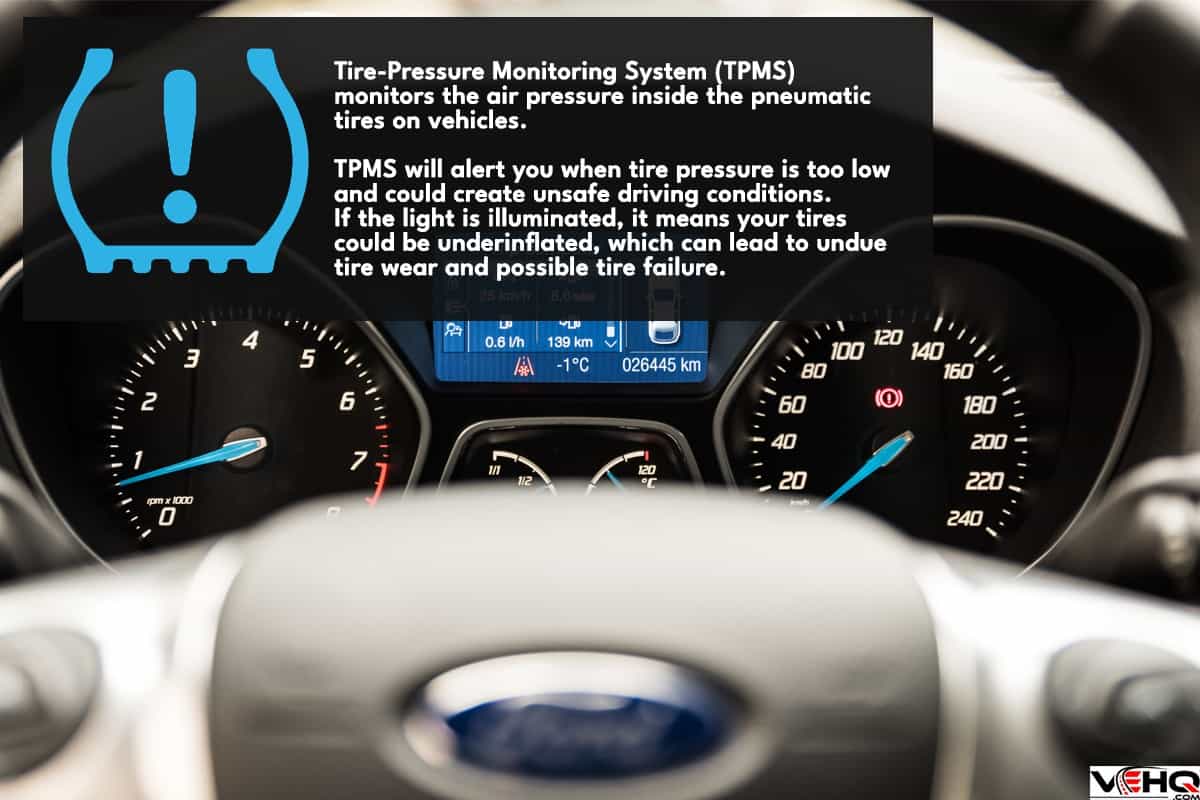
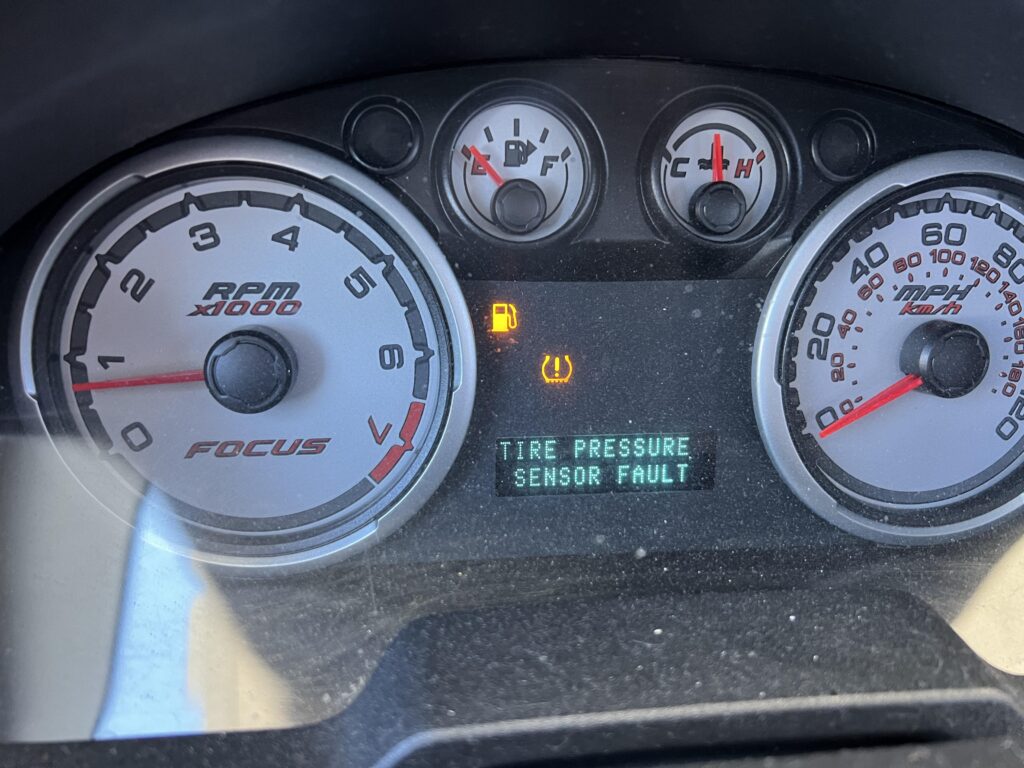
A TPMS malfunction warning does not always mean a tire is underinflated. It often indicates that the monitoring system itself has a fault and cannot accurately report tire pressure. Understanding the difference between a low tire pressure warning and a TPMS malfunction can help drivers avoid unnecessary repairs and address genuine safety concerns.
This guide explains the most common causes of tire pressure monitoring system malfunction, how to troubleshoot the issue, when a reset may work, and when professional diagnosis is needed.
Source: Bing
What Does a Tire Pressure Monitoring System Malfunction Mean?
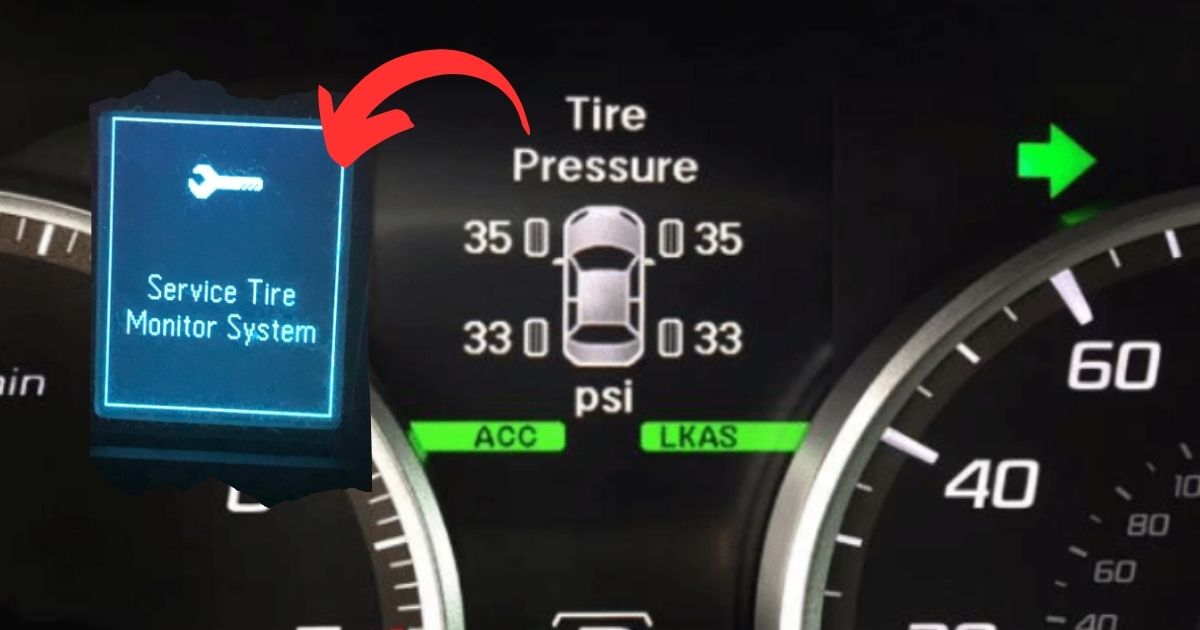
A tire pressure monitoring system malfunction means the vehicle’s TPMS has detected an internal problem that prevents it from accurately monitoring tire pressure. The system may not be receiving data from one or more tire sensors, or the vehicle’s control module may not be able to communicate with the sensors.
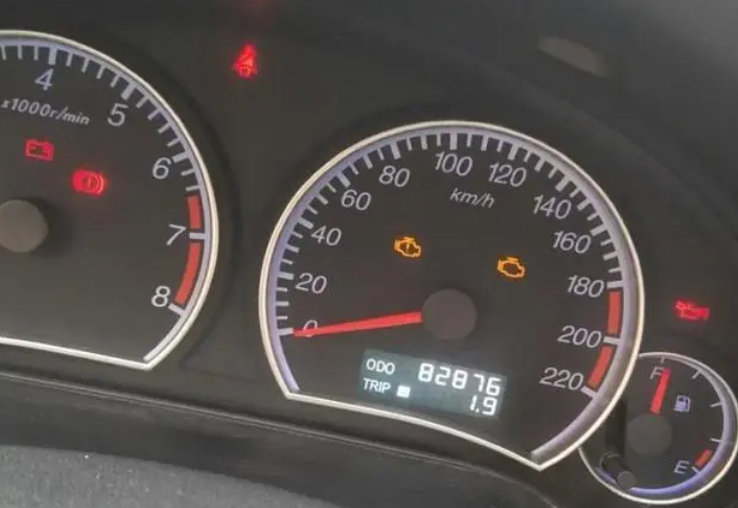
A normal TPMS warning light usually appears when one or more tires have pressure below the recommended level. A malfunction warning often appears as a flashing TPMS light followed by a steady warning message, depending on the vehicle manufacturer.
Source: Bing
Low tire pressure warning
The system detects that a tire pressure reading is below the manufacturer’s recommended specification.
TPMS malfunction warning
The system cannot properly read, process, or communicate tire pressure information.
How TPMS Works in Modern Vehicles
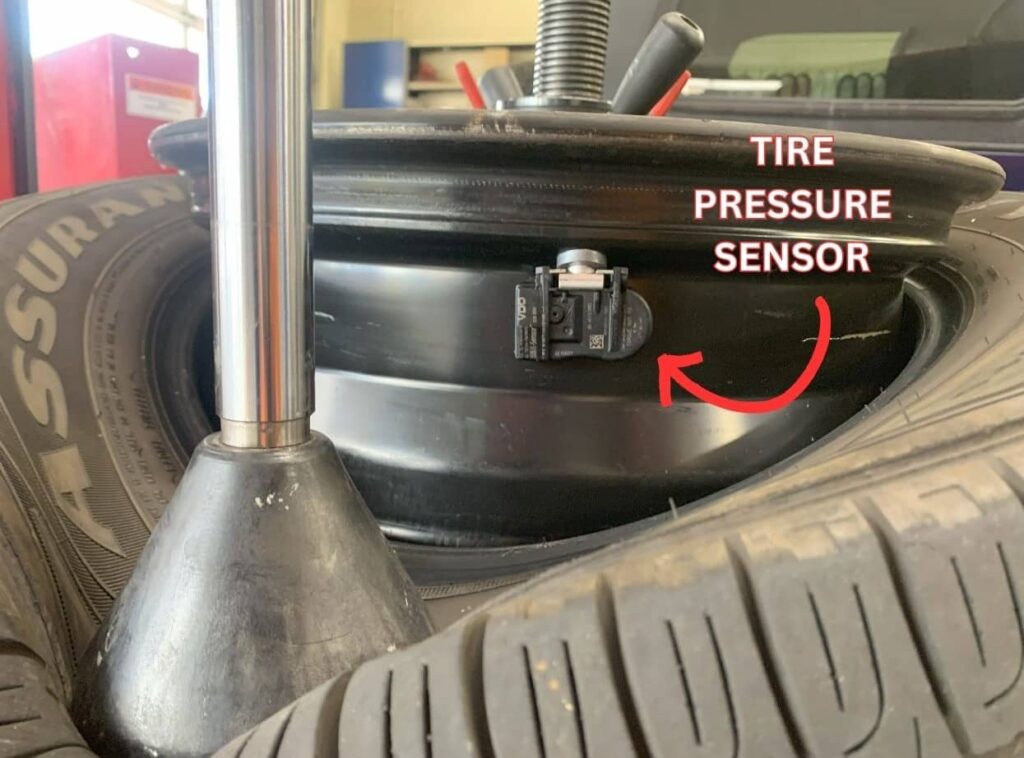
Most vehicles use either direct TPMS or indirect TPMS. Direct systems use pressure sensors installed inside each wheel to measure actual tire pressure and send information wirelessly to the vehicle computer. Indirect systems use wheel speed sensors from the anti-lock braking system to estimate pressure changes based on tire rotation differences.
Because direct TPMS depends on battery-powered sensors and wireless communication, failures can occur when sensors age, batteries weaken, or communication signals are interrupted.
Direct TPMS
Measures actual air pressure using sensors mounted inside the tire or wheel assembly.
Indirect TPMS
Uses existing wheel speed data to estimate possible pressure loss without measuring pressure directly.
Common Causes of TPMS Malfunction
Several problems can trigger a tire pressure monitoring system malfunction. The most common causes involve tire sensors, electrical communication, or incorrect system settings after tire-related work.
The exact cause depends on the vehicle model, TPMS design, and the conditions under which the warning appeared.
Source: Bing
Dead TPMS sensor battery
Most direct TPMS sensors use built-in batteries that eventually lose power. When a sensor battery fails, the vehicle may stop receiving tire pressure data.
Damaged tire pressure sensor
Sensors can be damaged during tire mounting, removal, corrosion, impacts, or exposure to harsh conditions.
Sensor communication failure
Radio interference, faulty receivers, or control module issues can prevent communication between sensors and the vehicle.
Recent tire replacement or rotation
Some vehicles require TPMS relearning after tire replacement, wheel changes, or sensor installation.
Signs Your TPMS System Has a Problem
The warning behavior can provide clues about the type of problem. A flashing TPMS light often suggests a system fault, while a steady light commonly indicates a pressure issue.
Flashing TPMS light
Often indicates a sensor, communication, or system malfunction.
Incorrect tire pressure readings
May indicate a faulty sensor or calibration problem.
Warning returns after reset
Suggests the underlying fault has not been corrected.
How to Troubleshoot a Tire Pressure Monitoring System Malfunction
The safest troubleshooting process starts with basic tire checks before moving to electronic diagnosis. A TPMS malfunction should not be ignored because the system may fail to warn you about an actual tire pressure problem.
Follow these steps in order to identify common causes without replacing parts unnecessarily.
Source: Bing
Step 1: Check all tire pressures manually
Use a reliable tire pressure gauge and compare each tire pressure reading with the vehicle manufacturer’s recommended specification listed on the driver’s door label.
Step 2: Inspect for visible tire problems
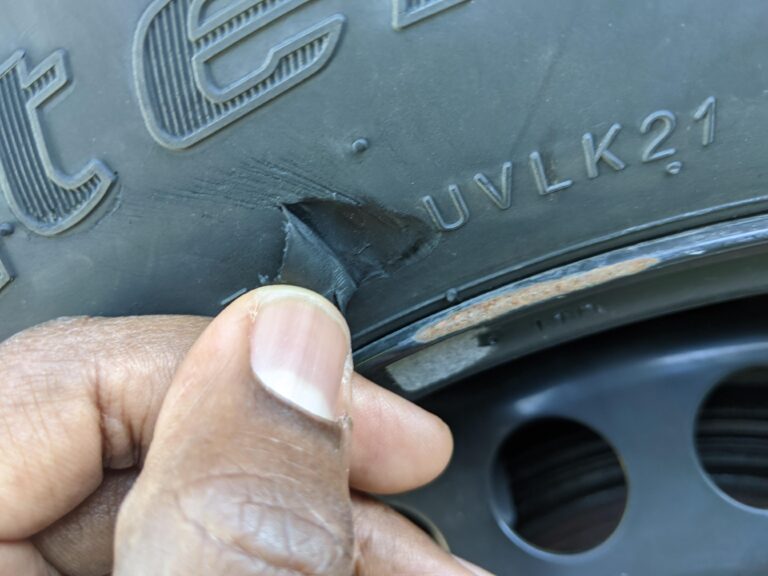
Look for punctures, damaged valve stems, leaks, or unusual tire wear that could affect pressure readings.
Step 3: Perform a TPMS reset if applicable
Some vehicles allow a reset procedure after correcting tire pressure. Follow the vehicle owner’s manual instructions.
Step 4: Scan the TPMS system
A professional diagnostic tool can identify sensor communication problems, fault codes, and failed components.
When a TPMS Reset Does Not Fix the Problem
If the warning returns after a proper reset, the system likely has an unresolved issue. A failed sensor battery, damaged sensor, or electronic fault may require repair.
Replacing a TPMS sensor usually requires programming or relearning so the vehicle recognizes the new component.
Persistent warning
Indicates that the cause remains active after reset attempts.
Professional diagnosis needed
Modern TPMS systems often require specialized scan tools to identify the exact failure.
TPMS Malfunction Causes Compared by Symptom
The symptom pattern can help narrow down possible causes. This table provides a general troubleshooting guide, but exact diagnosis depends on the vehicle model and TPMS design.
Source: Bing
Symptom: TPMS light flashes and stays on
Possible causes include sensor failure, communication problems, or a TPMS control system issue.
Symptom: One tire shows incorrect pressure
Possible causes include a faulty sensor, damaged valve stem, or incorrect sensor calibration.
Symptom: Warning appears after tire service
Possible causes include missing relearn procedure, damaged sensor, or incorrect installation.
Common Mistakes to Avoid
Replacing sensors immediately without confirming the fault can lead to unnecessary expenses. Drivers should first verify tire pressure and check whether the issue is related to a reset or communication problem.
Driving for long periods with a malfunctioning TPMS system can reduce your ability to detect tire pressure problems early.
Ignoring the warning
A failed TPMS system may not alert you about future pressure loss.
Assuming every warning means low pressure
A malfunction message and a low pressure alert are different conditions.
When Should You Get Professional TPMS Repair?
Professional diagnosis is recommended when the TPMS warning remains active after checking tire pressure and attempting the vehicle-specific reset procedure.
A qualified technician may need specialized equipment to activate sensors, read fault codes, test communication, or program replacement sensors.
Source: Bing
After repeated warning messages
A recurring malfunction usually requires deeper diagnosis.
After replacing tires or wheels
The system may need sensor programming or relearning.
Before long trips
A functioning TPMS system helps provide early warning of tire pressure issues during driving.
Frequently Asked Questions
Q
Can I drive with a tire pressure monitoring system malfunction?
You may be able to drive temporarily if the tires have been manually checked and are properly inflated, but the malfunction should be diagnosed soon. The vehicle may not warn you about future tire pressure problems while the system is faulty.
Q
How much does it cost to fix a TPMS malfunction?
Repair costs vary depending on the cause. A simple reset may cost nothing, while replacing a failed TPMS sensor or diagnosing electronic problems can cost more because parts and programming may be required.
Q
Why is my TPMS light flashing?
A flashing TPMS light commonly indicates a system malfunction rather than a simple low-pressure condition. Possible causes include failed sensors, weak sensor batteries, or communication problems.
Q
Will disconnecting the car battery reset TPMS?
Disconnecting the battery usually does not repair a TPMS fault. Many vehicles require a specific reset or relearn procedure, and some faults need diagnostic equipment.
Q
How long do TPMS sensors usually last?
Many TPMS sensors use batteries designed to last several years, but lifespan varies by vehicle use, sensor design, climate conditions, and driving habits.
✦ Wrapping Up
Conclusion
A tire pressure monitoring system malfunction means the vehicle cannot reliably monitor tire pressure information. The issue may be caused by a failed sensor, weak battery, communication problem, or a required relearn procedure.
The best approach is to check tire pressure first, inspect for obvious problems, follow the correct reset procedure, and seek professional diagnosis if the warning continues.
💡 Key Takeaway
If your TPMS warning appears, verify your tire pressures immediately and do not ignore a malfunction message because the system may not provide future warnings when you need them.
Tyron Torres is an automotive diagnostics writer and hands-on vehicle maintenance enthusiast with years of experience troubleshooting brake systems, suspension issues, and everyday car performance problems. He specializes in breaking down complex mechanical issues into simple, practical guides that drivers can use to quickly identify and fix common vehicle faults.
Quick, safe steps on How to remove the car cup holder insert with simple tools and tips. Clean, replace or reinstall your cup holder in minutes—learn how now!
Learn how to make wired CarPlay wireless using compatible adapters. This guide explains requirements, setup steps, troubleshooting, limitations, and what to consider before converting your car.