What Does Tire Pressure Monitor System Mean? Complete TPMS Guide for Drivers
A tire pressure monitor system (TPMS) is an electronic safety system in vehicles that monitors tire air pressure and alerts the driver when one or more tires are significantly underinflated.
In the United States, tire pressure monitor systems are a standard safety feature on most passenger vehicles manufactured after 2007 because maintaining correct tire pressure helps improve handling, braking performance, fuel efficiency, and tire life. A TPMS does not inflate tires or repair damage; it only monitors pressure and warns the driver when attention is needed.
The system uses sensors and vehicle electronics to detect changes in tire pressure. When pressure falls below a programmed threshold, the dashboard displays a TPMS warning light, allowing drivers to check their tires before a low-pressure condition becomes a safety issue.
Source: Bing
What Is a Tire Pressure Monitor System?
A Tire Pressure Monitoring System, commonly called TPMS, is a vehicle safety system that measures or estimates tire pressure and alerts the driver when pressure drops below a safe level. The purpose of TPMS is to help prevent problems associated with underinflated tires, such as reduced control, increased tire wear, and potential tire failure.
TPMS is not a replacement for routine tire care. Drivers should still inspect tires regularly, check pressure using a tire gauge, and follow the vehicle manufacturer’s recommended tire pressure listed on the driver’s door label or owner’s manual.
Source: Bing
Primary purpose
TPMS provides an early warning when tire pressure is too low so drivers can take corrective action.
Main components
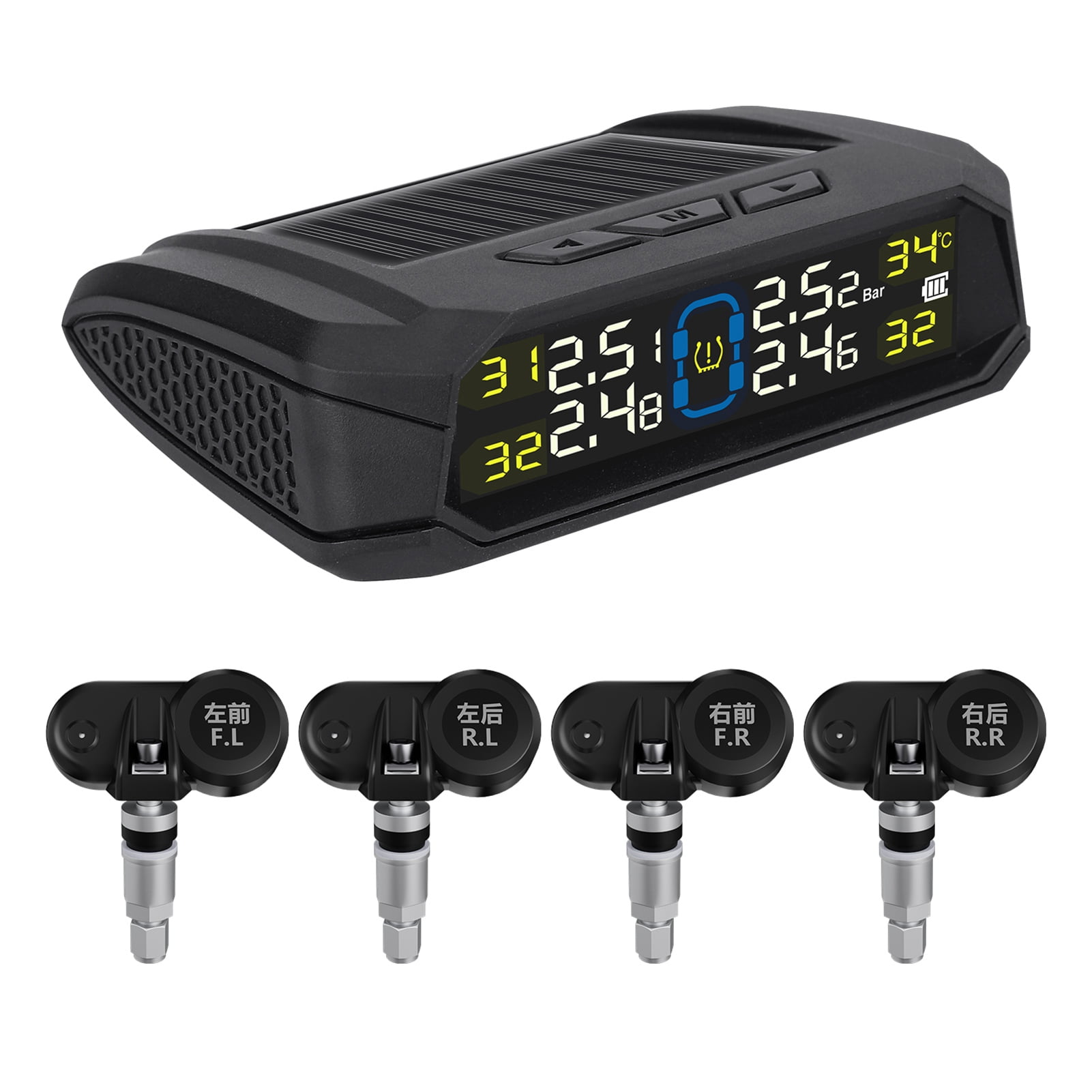
A TPMS generally includes pressure sensors, a control module, warning indicators, and communication systems.
Driver benefit
The system helps drivers identify pressure problems before they become more serious.
Why Was TPMS Introduced?
TPMS became widely adopted because many drivers do not regularly check tire pressure manually. A tire can lose air slowly without obvious visual signs, and a warning system helps bring attention to pressure changes before they affect vehicle operation.
Safety improvement
Proper tire inflation supports predictable handling and braking performance.
Maintenance awareness
TPMS reminds drivers that tires require regular inspection and inflation checks.
How Does a Tire Pressure Monitoring System Work?
A tire pressure monitoring system works by collecting tire-related information and sending alerts to the vehicle’s computer system. The exact operation depends on whether the vehicle uses a direct TPMS or an indirect TPMS.
When the system detects pressure below its programmed limit, it activates a warning symbol on the dashboard. The warning does not always show the exact cause, so the driver should inspect tire pressure and condition.
Source: Bing
Direct TPMS
Direct systems use sensors mounted inside each tire to measure actual air pressure and often temperature.
Indirect TPMS
Indirect systems use wheel speed sensors from the anti-lock braking system to estimate pressure changes based on tire rotation differences.
Direct vs Indirect TPMS Comparison
Direct and indirect TPMS systems both provide warnings, but they use different methods. Direct systems measure pressure directly, while indirect systems analyze wheel behavior to identify possible pressure loss.
Direct TPMS advantage
Provides actual pressure readings on vehicles equipped with compatible displays.
Indirect TPMS advantage
Avoids individual tire pressure sensors but may require recalibration after tire service.
What Does the TPMS Warning Light Mean?
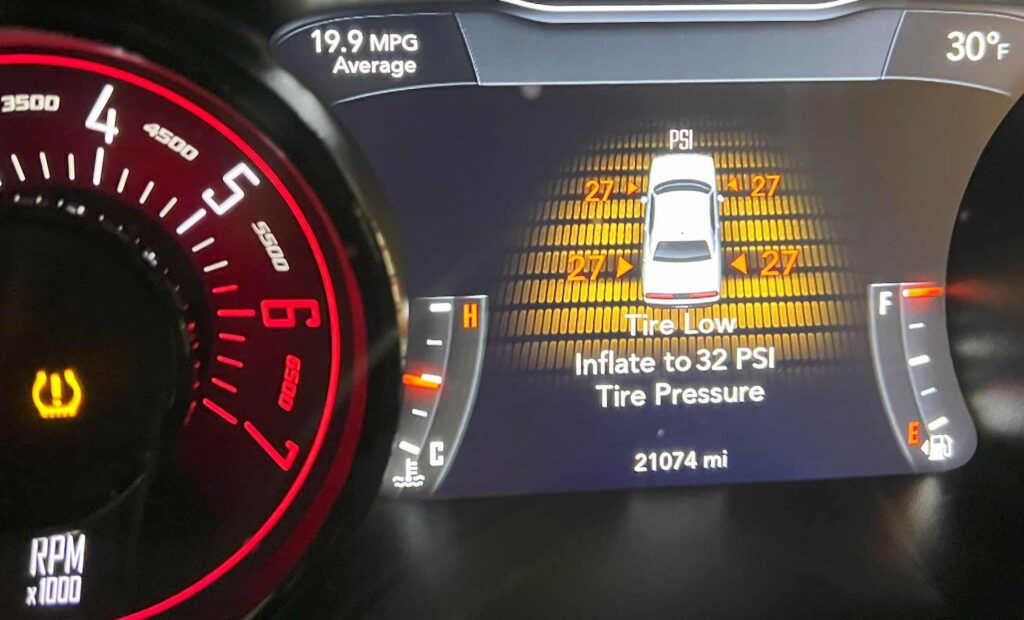
The TPMS warning light usually means that one or more tires have low air pressure or that the monitoring system has detected a problem. Drivers should not ignore the warning because incorrect tire pressure can affect vehicle performance and safety.
The warning symbol is often shaped like a tire with an exclamation mark inside. Some vehicles may also display individual tire pressure readings or a message explaining the issue.
Source: Bing
Solid TPMS light
A steady warning light commonly indicates that one or more tires may be underinflated.
Flashing TPMS light
A flashing light often indicates a TPMS malfunction, sensor issue, or communication problem.
After inflation
Some vehicles require a TPMS reset or driving cycle before the warning disappears.
What Should You Do When the TPMS Light Comes On?
When the TPMS light appears, check tire pressure as soon as possible. Inflate tires to the recommended pressure shown on the vehicle information label, then inspect for leaks, damage, or unusual tire conditions.
Step 1
Park safely and check all tires, including the spare if your vehicle monitors it.
Step 2
Measure tire pressure with a gauge when tires are cold for the most accurate reading.
Step 3
Seek professional inspection if pressure drops again or the tire appears damaged.
Common Reasons a TPMS Warning Appears
A TPMS warning can appear for several reasons, including normal air loss, temperature changes, tire damage, or sensor problems. Identifying the cause helps prevent unnecessary repairs and keeps tires operating correctly.
Source: Bing
Seasonal temperature changes
Cold weather can reduce tire pressure because air contracts as temperatures drop.
Slow tire leak
A puncture, valve issue, or tire damage can gradually reduce air pressure.
Faulty sensor
A damaged or depleted sensor battery can cause inaccurate warnings.
Recent tire service
Tire replacement or rotation may require sensor relearning or system reset.
Does TPMS Tell You Which Tire Is Low?
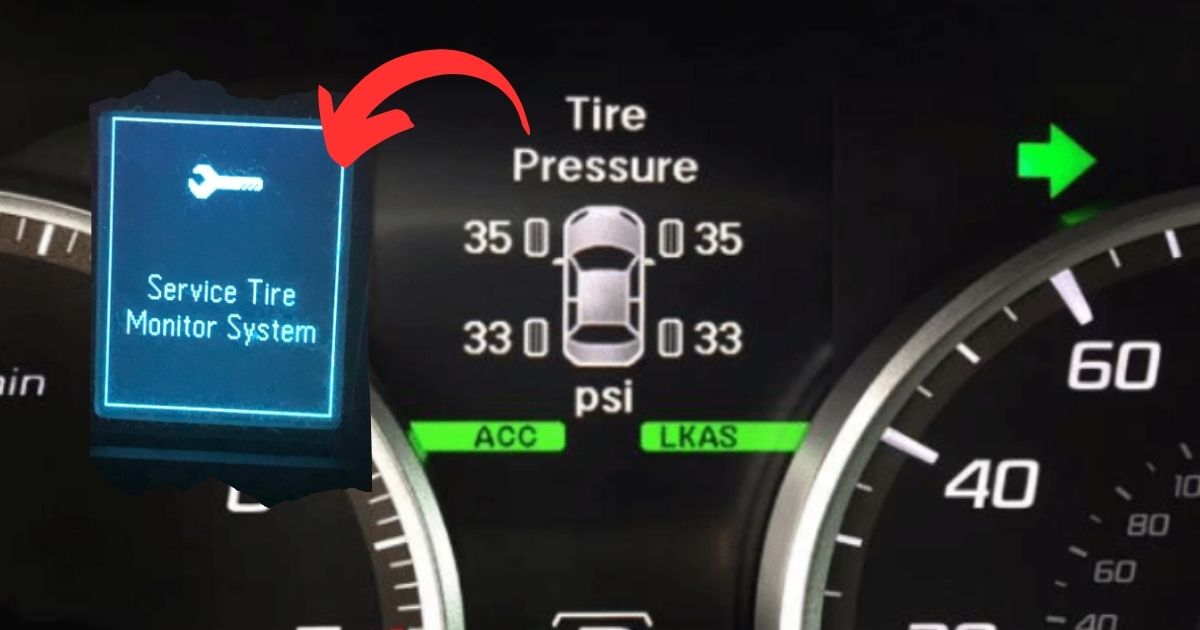
Some modern vehicles display individual tire pressure information, while others only provide a general warning. The owner’s manual or dashboard information system will explain what information your vehicle provides.
Vehicle-dependent feature
Not every TPMS system identifies the exact tire with low pressure.
TPMS Limitations and Common Mistakes
Although TPMS is a valuable safety feature, it has limitations. The system is designed to warn about pressure problems, not to replace regular tire maintenance or detect every type of tire damage.
Understanding what TPMS can and cannot do helps drivers avoid relying on the warning system as their only tire safety check.
Source: Bing
Mistake: Ignoring the warning
Driving for long periods with a TPMS warning can allow a tire problem to become worse.
Mistake: Assuming tires are perfect
Correct pressure does not guarantee that a tire has no cuts, bulges, or tread damage.
Mistake: Forgetting calibration
Some vehicles need TPMS reset procedures after tire inflation or replacement.
Frequently Asked Questions
Q
What does TPMS stand for in a car?
TPMS stands for Tire Pressure Monitoring System. It is an electronic system that monitors tire pressure and alerts the driver when pressure becomes too low or when the system detects a fault.
Q
Can I drive with the TPMS light on?
You may be able to drive a short distance if the vehicle feels normal, but the tire pressure should be checked as soon as possible. A low-pressure tire can affect handling and may become unsafe if ignored.
Q
Does TPMS mean my tire has a leak?
Not always. A TPMS warning can result from low inflation caused by temperature changes, normal air loss, a leak, or a sensor issue.
Q
How often should I check tire pressure if my car has TPMS?
Drivers should still manually check tire pressure regularly because TPMS is a warning system and does not replace routine maintenance.
Q
How long do TPMS sensors last?
TPMS sensor life varies by vehicle design, usage, and battery condition. Many sensors operate for several years before replacement may be needed.
✦ Wrapping Up
Conclusion
A tire pressure monitor system means a safety technology that helps drivers maintain awareness of tire pressure conditions. By warning about low pressure, TPMS can help reduce risks associated with improperly inflated tires.
However, TPMS works best when combined with regular tire inspections, correct inflation practices, and attention to warning signs. Understanding what the system means allows drivers to respond quickly and maintain safer vehicle operation.
💡 Key Takeaway
If your TPMS warning light appears, check your tire pressure promptly, inspect for damage, and follow your vehicle manufacturer’s recommended maintenance instructions.
Tyron Torres is an automotive diagnostics writer and hands-on vehicle maintenance enthusiast with years of experience troubleshooting brake systems, suspension issues, and everyday car performance problems. He specializes in breaking down complex mechanical issues into simple, practical guides that drivers can use to quickly identify and fix common vehicle faults.
Is your mount falling off? Learn how to re stick a car phone holder using simple, effective techniques to ensure your device stays secure while you drive.
Learn the different car polishing pads types, including foam, wool, microfiber, and specialty pads. Discover how to choose the right polishing pad for paint correction, scratches, and finishing.
Learn how to attach a car phone holder securely in minutes. Follow our step-by-step guide for a stable, distraction-free setup in your vehicle for 2026.
Fix the humming noise from rear wheels fast, learn common causes, quick diagnostics, and cost-effective repairs to stop the sound and drive confidently.