How to Polish a Car After Body Repair: Step-by-Step Paint Finishing Guide
To polish a car after body repair, allow the repaired paint to cure properly, clean and inspect the surface, remove imperfections with suitable polishing compounds, and finish with a protective coating to restore gloss.
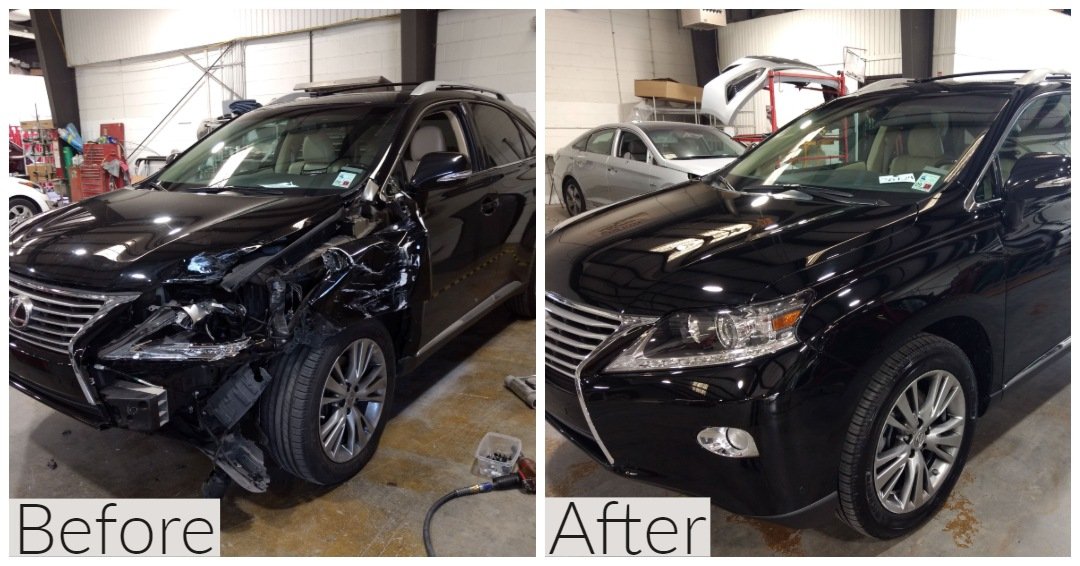
In the United States, many vehicle owners choose professional collision repair or DIY refinishing methods after dents, scratches, or panel damage. Once a repaired area has been painted, polishing helps refine the finish by reducing minor surface defects, improving clarity, and blending the repaired section with the surrounding paint.
Polishing after body repair requires more care than normal car detailing because fresh paint and clear coat can be sensitive during the curing process. The correct approach depends on the type of repair, paint system used, curing time, and the condition of the repaired surface.
Source: Bing
What You Need Before Polishing a Repaired Car
Before polishing a repaired vehicle, gather the correct tools and make sure the paint surface is ready. Polishing is not a replacement for proper paint curing or repair correction. It is a finishing step designed to improve the appearance of an already repaired surface.
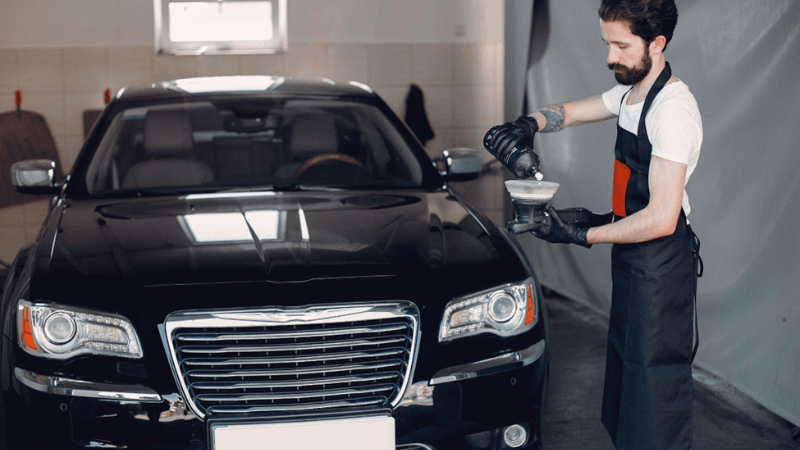
The required supplies depend on whether you are polishing by hand or using a machine polisher. Beginners often start with hand polishing because it reduces the risk of removing too much clear coat, while experienced detailers may use dual-action polishers for more consistent results.
Source: Bing
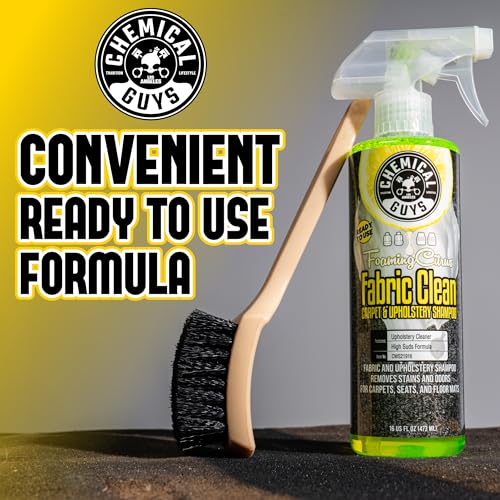
Cleaning supplies
Use automotive shampoo, clean microfiber towels, and a surface-safe cleaner to remove dirt, dust, and contaminants before polishing.
Polishing products
Choose a polishing compound based on the severity of defects. Light finishing polish is usually suitable for minor haze or swirl marks.
Safety equipment
Wear appropriate protection and work in a well-ventilated area when using automotive chemicals.
Check the Paint Cure Time
Freshly repaired paint may require time to harden before polishing. The exact curing period varies depending on the paint type, repair shop process, temperature, humidity, and manufacturer recommendations.
Avoid rushing
Polishing uncured paint can create marks, soften the finish, or interfere with the final appearance.
Step-by-Step Process to Polish a Car After Body Repair
The safest polishing process starts with preparation and gradually increases correction ability only when needed. Working carefully prevents unnecessary clear coat removal and helps create a consistent finish between repaired and original panels.
Source: Bing
Step 1: Wash the vehicle
Clean the repaired panel and nearby areas to remove dust, grease, and particles that could scratch the surface during polishing.
Step 2: Inspect the repaired area
Look for paint texture differences, sanding marks, overspray, oxidation, or uneven gloss before choosing a polishing method.
Step 3: Start with a mild polish
Apply a small amount of polish and test a limited area first to confirm the product and technique are suitable.
Step 4: Polish using controlled movements
Use overlapping passes with moderate pressure and avoid staying in one spot too long because heat buildup can damage paint.
Step 5: Inspect and refine
Remove residue with a clean microfiber towel and check whether additional polishing is actually needed.
Step 6: Protect the finish
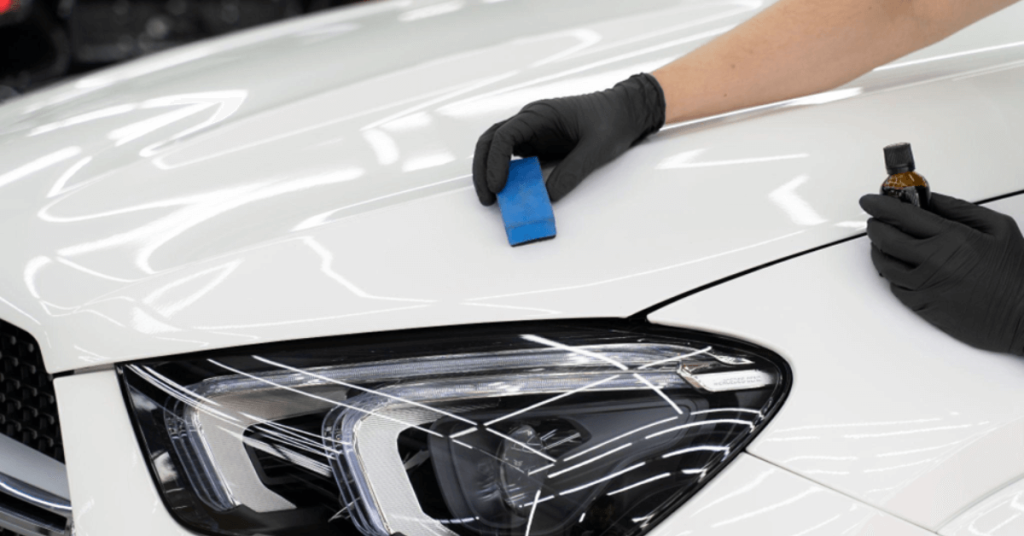
After polishing, apply a suitable paint protection product when the surface is ready according to product instructions.
How to Remove Sanding Marks After Body Repair
Sanding marks from body repair usually require more correction than ordinary polishing. A professional repair process may include controlled sanding followed by compound and polish stages to restore clarity.
Use proper correction levels
Heavy cutting compounds should only be used when necessary because aggressive correction removes more paint material.
Hand Polishing vs Machine Polishing After Repairs
Both hand and machine polishing can improve a repaired surface, but they have different levels of correction ability and risk. The right choice depends on the defect severity and the user’s experience.
Source: Bing
Hand polishing
Hand polishing provides more control and is suitable for minor imperfections, small repaired areas, and beginners.
Machine polishing
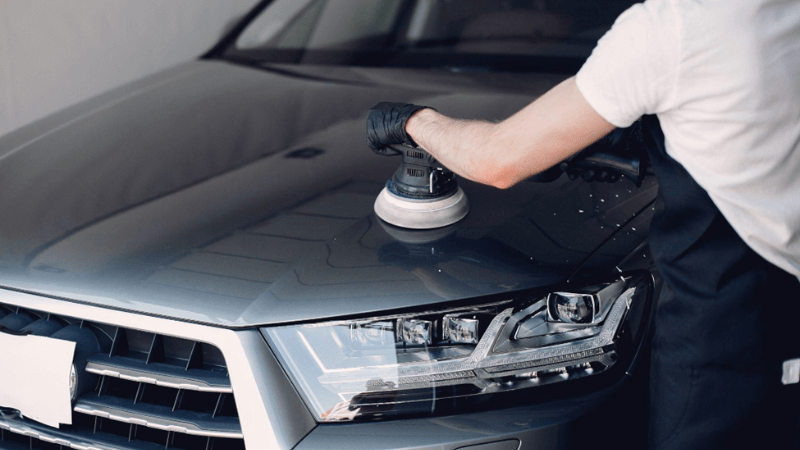
A dual-action polisher can produce more consistent results and correct defects faster, but incorrect technique can still damage paint.
Which Method Is Better After Collision Repair?
For a small repaired section with minor defects, careful hand polishing may be enough. Larger repaired areas or visible sanding marks often benefit from professional machine polishing techniques.
Choose based on condition
The condition of the paint matters more than the size of the vehicle or repair area.
Common Mistakes When Polishing After Body Repair
Many polishing problems happen because the surface is not ready, the wrong product is used, or too much pressure is applied. Understanding common mistakes helps protect the repaired paint.
Dust and contaminants trapped under a polishing pad can create additional scratches.
Using aggressive compounds unnecessarily
Start with a lighter approach and increase correction only if the surface requires it.
Signs the Polishing Process Is Not Working
If the repaired area remains dull, develops new marks, or shows uneven color after polishing, stop and inspect the surface before continuing.
Possible causes
Problems may come from paint curing issues, incorrect polishing technique, poor repair blending, or deeper paint defects.
How to Maintain the Finish After Polishing
After polishing a repaired panel, proper maintenance helps preserve the improved appearance. Regular washing with automotive-safe products and avoiding harsh cleaning methods can reduce future paint damage.
Source: Bing
Wash carefully
Use clean microfiber materials and avoid abrasive brushes that can introduce new scratches.
Protect the paint
A suitable protective product can help reduce exposure to environmental contaminants.
Monitor the repaired area
Check the panel periodically for peeling, cracking, fading, or other signs that require professional inspection.
When to Contact a Professional Detailer
Professional assistance is recommended when the repair has major defects, the paint color does not match, clear coat failure appears, or correction requires advanced equipment.
Professional evaluation
A trained technician can determine whether polishing, repainting, or additional repair work is needed.
Frequently Asked Questions
Q
How long should I wait before polishing a car after body repair?
The waiting time depends on the paint system, curing conditions, and repair process. Follow the paint manufacturer’s recommendations or ask the repair facility before polishing.
Q
Can I polish a freshly painted car after body repair?
You should not polish freshly painted areas until the paint has cured enough for polishing. Premature polishing can affect the finish quality.
Q
Can polishing remove body repair imperfections?
Polishing can improve minor surface defects such as light haze and small sanding marks, but it cannot fix major paint defects, dents, or incorrect repairs.
Q
Should I wax after polishing a repaired car?
Protection after polishing depends on the paint condition and product recommendations. Some repaired finishes may need additional curing time before applying certain protective products.
Q
Is machine polishing safe on repaired paint?
Machine polishing can be safe when performed correctly, but inexperienced users may create heat damage or remove too much clear coat.
✦ Wrapping Up
Conclusion
Polishing a car after body repair is a careful finishing process that requires proper preparation, suitable products, and controlled technique. The goal is to improve the repaired surface while protecting the paint system.
A successful result comes from inspecting the repair first, starting with gentle correction methods, and knowing when professional equipment or expertise is necessary.
💡 Key Takeaway
Before polishing a repaired vehicle, confirm the paint is ready, clean the surface thoroughly, test your method on a small area, and prioritize protecting the finish over aggressive correction.
Tyron Torres is an automotive diagnostics writer and hands-on vehicle maintenance enthusiast with years of experience troubleshooting brake systems, suspension issues, and everyday car performance problems. He specializes in breaking down complex mechanical issues into simple, practical guides that drivers can use to quickly identify and fix common vehicle faults.
Struggling with your new mount? Learn how to assemble a car phone holder quickly and securely with our simple step-by-step instructions for 2026 drivers.
Is Apple CarPlay wireless? Learn how Apple CarPlay works, which cars support wireless CarPlay, how to make wired CarPlay wireless, and common setup issues.