The recommended battery for your car matches its group size, cold-cranking amps, reserve capacity, and charging system.
Choosing the recommended battery for my car is easier when you know what the numbers mean and where to find them. This guide explains battery group sizes, CCA ratings, reserve capacity, battery types, fitment checks, and common buying mistakes so you can choose with confidence.
How to Find the Recommended Battery for My Car
The best starting point is your owner’s manual. It lists the battery group size, minimum cold-cranking amps, and sometimes the correct battery type. You can also check the label on your current battery, but do not rely on it alone if the battery was installed incorrectly.
Your vehicle’s make, model, year, engine, and trim all matter. A battery for a four-cylinder sedan may not fit a large SUV with a V6 engine. Even two cars from the same model year can use different batteries because of engine size, start-stop technology, or optional equipment.
Use these details when searching for the recommended battery for my car:
• Year, make, and model
• Engine size and fuel type
• Front-wheel drive, rear-wheel drive, or four-wheel drive
• Battery group size
• Minimum CCA rating
• Battery type, such as flooded, AGM, or EFB
• Start-stop or hybrid system
Most auto parts stores and battery makers offer a fitment tool. Enter your vehicle details, then compare the result with your owner’s manual. If the two results disagree, confirm the choice with a dealer or trained technician.

Understanding Car Battery Group Size
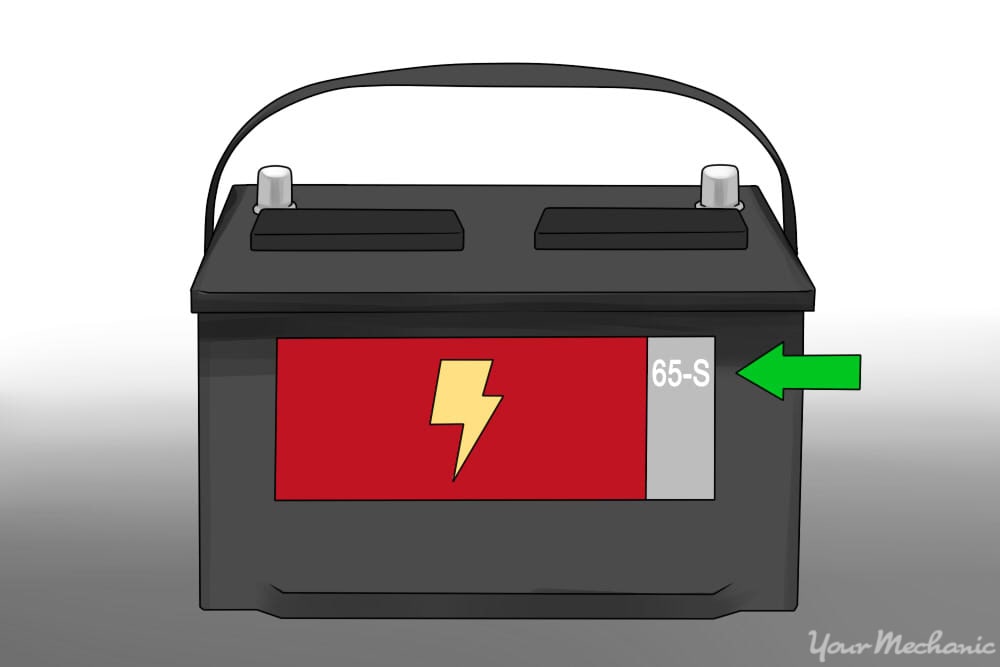
Battery group size describes the battery’s physical dimensions, terminal position, and hold-down design. Common sizes include 24F, 35, 48, 49, 51R, and 65. The number does not directly show how powerful the battery is.
A battery may have enough electrical power but still be wrong for your car if it does not fit the tray. The terminals may sit in the wrong place. The hold-down clamp may not secure the battery. These problems can cause cable strain, movement, or a short circuit.
When checking group size, compare:
• Length, width, and height
• Positive terminal location
• Terminal design
• Battery tray shape
• Hold-down method
• Vent location, if applicable
The letter “R” often means the terminal layout is reversed from the standard version. A 51R battery, for example, is not always interchangeable with a standard 51 battery. The case may fit, but the cables may not reach the correct terminals.
A proper fit is more than a convenience. A loose battery can vibrate while you drive. Vibration can damage the plates inside the battery and shorten its life.

What Cold-Cranking Amps Really Mean
Cold-cranking amps, or CCA, measure how much current a battery can provide at a low temperature. In the United States, the rating is commonly measured at 0 degrees Fahrenheit for 30 seconds while maintaining a minimum voltage.
A higher CCA rating can help an engine start in cold weather. This matters most for drivers in northern states, where thick engine oil and low temperatures make starting harder. It also helps larger engines that need more power to turn over.
You should meet or exceed the vehicle maker’s minimum CCA rating. However, choosing the largest number available is not always necessary. A battery with much higher CCA may cost more without offering a useful benefit in a warm climate.
For example, if your manual calls for at least 600 CCA, a battery rated at 650 CCA may be a sensible upgrade. A 900 CCA battery may be unnecessary unless your vehicle maker allows it and the battery fits correctly.
CCA is only one part of the recommended battery for my car. It does not tell you the battery’s full life, deep-cycle ability, or resistance to vibration.

Reserve Capacity and Battery Life
Reserve capacity, or RC, shows how long a fully charged battery can supply power if the alternator stops working. The test usually measures the number of minutes a battery can provide a steady current before its voltage drops too low.
A higher reserve capacity can give you more time to reach a safe place after a charging system failure. It can also help vehicles with many electrical accessories. Still, reserve capacity should match the vehicle’s design rather than replace the correct group size.
Battery life varies by climate, driving style, vehicle condition, and battery quality. Many conventional car batteries last about three to five years, but this is only a general range. Hot climates can speed up internal corrosion, while extreme cold can reveal a battery that is already weak.
Short trips can also reduce battery life. The starter uses a large amount of energy, and a short drive may not give the alternator enough time to replace it. This is common in vehicles used mainly for quick errands.
Watch for these signs of a weak battery:
• Slow engine cranking
• Clicking when you turn the key
• Dim headlights before the engine starts
• Flickering dashboard lights
• Battery warning messages
• Needing repeated jump-starts
• A swollen or cracked battery case
A swollen case is a safety concern. Do not continue using it. Arrange for safe replacement and recycling.

Flooded, AGM, and EFB Batteries
The correct battery type depends on your vehicle. Installing a different type without checking compatibility can create charging problems or reduce battery life.
Flooded lead-acid batteries
Flooded batteries are common and often cost less. They use liquid electrolyte and work well in many older vehicles. Some are labeled maintenance-free, but they still need clean terminals and a healthy charging system.
AGM batteries
Absorbent Glass Mat, or AGM, batteries hold the electrolyte in fiberglass mats. They offer strong vibration resistance and can handle higher electrical demands. Many vehicles with advanced start-stop systems, premium audio, heated seats, or energy recovery systems use AGM batteries.
AGM batteries usually cost more than standard flooded batteries. They should not be treated as a universal upgrade. Some vehicles need a compatible charging profile or battery registration after installation.
EFB batteries
Enhanced Flooded Batteries, or EFBs, are designed for vehicles with lighter start-stop demands. They offer more cycling ability than standard flooded batteries but may cost less than AGM models.
If your vehicle came with an AGM battery, replacing it with a standard flooded battery can lead to early failure. Always follow the vehicle maker’s specification.
Start-Stop Cars Need Special Attention
Start-stop systems shut the engine off when the vehicle stops, such as at a red light. The engine then restarts when you release the brake or press the accelerator. This can happen many times during one trip.
Because of this repeated cycling, start-stop vehicles often need an EFB or AGM battery. A standard battery may not handle the workload for long. The vehicle may also need a battery monitoring sensor and a reset procedure after replacement.
Some cars require battery registration. This process tells the charging system that a new battery has been installed. Without it, the vehicle may overcharge or undercharge the battery.
Ask these questions before buying:
• Does the car have automatic start-stop?
• Is the current battery AGM or EFB?
• Does the battery need registration?
• Is a scan tool required?
• Does the new battery need coding?
This step is easy to miss. A battery can be physically correct but electronically wrong for the car.
How Climate Affects Your Battery Choice
Weather changes battery performance. Cold temperatures reduce the chemical reaction inside a battery, so the battery produces less power when the engine needs more starting energy. This is why CCA matters in winter.
Heat creates a different problem. High temperatures increase water loss and speed up corrosion inside a conventional battery. Drivers in hot regions may benefit from a battery with strong heat resistance and a good warranty.
Here are simple climate tips:
• Choose at least the manufacturer’s recommended CCA for cold areas.
• Park in a garage or shade during extreme heat when possible.
• Keep the battery clean and dry.
• Check the battery before winter or summer travel.
• Replace an old battery before severe weather arrives.
A new battery cannot fix every starting problem. Thick oil, a failing starter, poor electrical connections, or a weak alternator can create similar symptoms.

The Role of the Alternator and Charging System
The alternator recharges the battery while the engine runs. It also powers the lights, climate system, infotainment system, and other electrical equipment. If the alternator is weak, even the recommended battery for my car will eventually go flat.
A healthy charging system often produces about 13.5 to 14.8 volts while the engine runs, but exact readings vary by vehicle and charging strategy. Modern cars may adjust voltage based on temperature, battery state, and electrical load.
A technician should test:
• Battery voltage with the engine off
• Battery voltage while starting
• Charging voltage while running
• Alternator output under load
• Parasitic drain when the car is off
• Battery terminal condition
Corroded terminals can block current flow. A loose ground cable can cause hard starting, random warning lights, and electrical faults. Replacing the battery without fixing these issues may lead to another breakdown.

A Simple Battery Buying Checklist
Use this checklist before you purchase the recommended battery for my car:
-
Check the owner’s manual.
-
Confirm the year, make, model, engine, and trim.
-
Match the group size exactly.
-
Meet or exceed the minimum CCA.
-
Confirm the battery type.
-
Check terminal position and hold-down design.
-
Review the warranty and free-replacement period.
-
Confirm the battery’s manufacture date.
-
Ask whether registration or coding is needed.
-
Plan for safe recycling of the old battery.
Battery age matters because batteries begin aging even while sitting in storage. Look for a recent manufacture date. Date codes vary by brand, so ask the seller if the code is unclear.
A long warranty is helpful, but it does not guarantee a longer service life. Read the terms. Some warranties provide full replacement for a limited period, then offer only partial credit.

Mistakes to Avoid When Choosing a Car Battery
One common mistake is buying by price alone. The least expensive battery may be acceptable, but it may have a lower CCA rating, shorter warranty, or weaker vibration resistance. Compare the full specification, not just the sticker price.
Another mistake is choosing the biggest battery that fits the tray. Physical fit does not prove electrical compatibility. The charging system, battery sensor, and vehicle computer may require a specific battery type.
I have also seen drivers replace a battery after a jump-start, only to discover that the real issue was a loose ground cable. Before buying, inspect the terminals and test the charging system. This small step can save the cost of a battery you did not need.
Avoid these errors:
• Installing the wrong group size
• Ignoring the “R” terminal layout
• Replacing AGM with flooded technology
• Skipping battery registration
• Buying an old battery from warehouse stock
• Handling a swollen battery
• Forgetting to secure the battery hold-down
• Leaving lights or accessories on after installation
Good fitment is like choosing the right shoe. Power alone is not enough. The battery must fit, connect, and work with the complete vehicle system.
How to Install and Maintain Your Battery
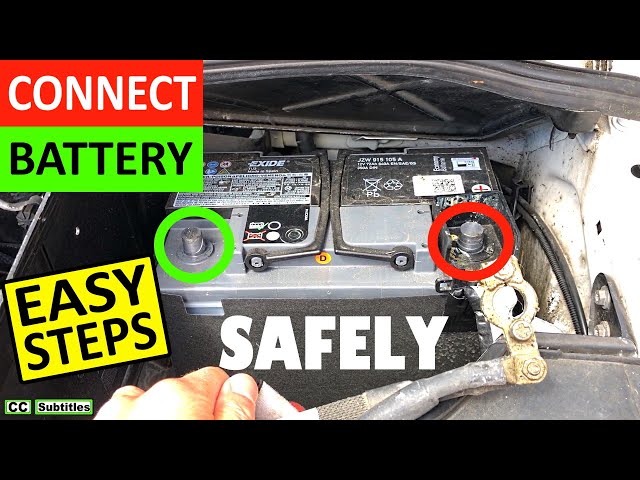
If you install the battery yourself, wear eye protection and keep metal tools away from both terminals. Turn off the ignition and remove the negative cable first. During installation, connect the positive cable first and the negative cable last.
The exact procedure can vary. Some vehicles lose radio settings, window calibration, or computer memory when power is removed. Others need a backup power supply or a battery registration step. Check the service instructions for your car before disconnecting anything.
Basic maintenance includes:
• Cleaning corrosion from the terminals
• Checking that the cables are tight
• Confirming that the hold-down is secure
• Keeping the top of the battery dry
• Testing the battery before extreme weather
• Driving long enough to recharge after starting
Do not place a battery on a wet surface or allow tools to bridge the terminals. Lead-acid batteries can release flammable gas, especially while charging. Keep sparks and flames away.
Take the old battery to an approved recycling center or auto parts store. Lead and battery acid must be handled correctly, and many retailers offer a refundable core charge.
Recommended Battery for My Car: Practical Examples
Consider a small sedan with a four-cylinder engine and no start-stop system. It may use a group 35 flooded battery with a moderate CCA rating. The exact requirement still depends on the vehicle maker.
Now consider a newer SUV with start-stop technology and heated seats. It may require a group 48 AGM battery with higher cycling ability. A standard flooded battery may fit but fail early.
A large pickup used in a cold region may need a higher CCA rating than the same truck used in a warm region. However, the battery must still match the approved group size, terminal layout, and charging system.
These examples show why the recommended battery for my car cannot be selected by vehicle size alone. The exact fitment details matter more than general rules.
Recommended Battery for My Car FAQ
How do I know which battery fits my car?
Check the owner’s manual for the group size, CCA, and battery type. You can also use a trusted vehicle fitment tool, then confirm the result with the manual or a qualified technician.
Can I use a battery with higher CCA?
Usually, a higher CCA rating is acceptable if the battery has the correct group size, terminal layout, type, and fit. Do not use a higher-rated battery if it conflicts with the vehicle maker’s specifications.
How long should a car battery last?
Many car batteries last about three to five years, but climate, driving habits, vibration, and charging system health can change that range. Test the battery regularly after its third year.
Is an AGM battery better than a regular battery?
AGM batteries can be better for vehicles designed for them, especially cars with start-stop systems or high electrical demand. They are not automatically better for every vehicle and may require compatible charging settings.
Does a new battery need to be registered?
Some modern vehicles require battery registration or coding after replacement. Check the service instructions or ask a technician, especially if the vehicle has start-stop technology or a battery monitoring sensor.
What happens if I install the wrong battery?
The battery may not fit securely, the cables may not reach, or the charging system may work incorrectly. In some cases, the wrong battery type can fail quickly or cause electrical warnings.
Should I replace the battery before winter?
If the battery is several years old or shows slow cranking, replacement before winter can prevent a cold-weather breakdown. A battery test is the best way to check its condition first.
Conclusion
The recommended battery for my car must match more than the vehicle’s name. Check the group size, CCA, reserve capacity, battery type, terminal position, and electronic requirements. Also test the alternator and cables so a new battery is not blamed for another problem.
Use your owner’s manual as the main guide, compare trusted fitment information, and choose a battery with a recent manufacture date and suitable warranty. Make the right check today, and you can drive with fewer surprises. Share your vehicle details or battery experience in the comments, and explore more car maintenance guides for your next service task.